

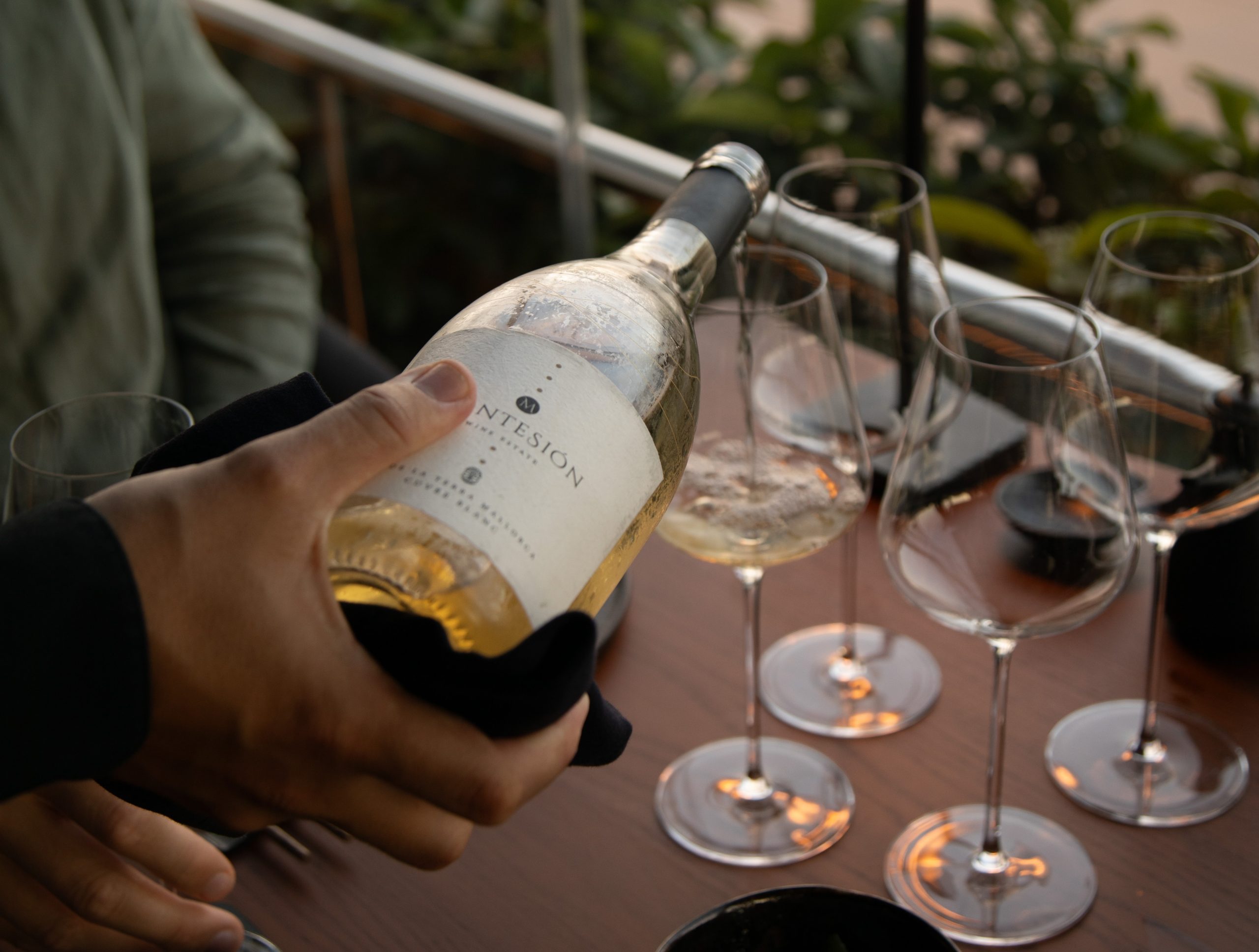
Finding the best mallorca wines to try depends entirely on matching specific sensory profiles to your personal palate. Prensal Blanc delivers crisp, citrus-driven refreshment, while Viognier offers lush, aromatic floral notes. Meanwhile, Callet provides a remarkably elegant, light-bodied red experience with distinct earthy undertones. Understanding these three core varieties at Montesion Wine Estate guarantees a perfect pairing.
Global organic vineyard acreage grew by 13% over the last five years. Consequently, consumer interest in sustainable viticulture has skyrocketed globally. Wine enthusiasts increasingly seek authentic regional expressions rather than standardized international profiles. This shift places a massive spotlight on the Balearic Islands wine scene. Specifically, connoisseurs want to understand local grape characteristics before making a purchase. Evaluating these unique profiles clarifies the vast spectrum of available flavors. Furthermore, red wine lovers actively seek lighter alternatives to heavy, oak-dominated styles. Therefore, comparing specific grapes explains their rising popularity among professional sommeliers. You will discover how specific soil compositions shape these distinct flavor profiles. Ultimately, this knowledge empowers you to match your exact palate preferences with the perfect bottle from Montesion Wine Estate.
Conducting a Mallorca White Wine Comparison
Evaluating local white grapes reveals striking differences in texture and aroma. Indeed, a proper mallorca white wine comparison highlights the distinct paths winemakers can take. Prensal Blanc represents the historic, crisp backbone of local white winemaking. This indigenous grape thrives perfectly in the island’s unique Mediterranean climate. The vines develop deep root systems to access water during dry summer months. As a result, the harvested grapes retain remarkable natural acidity. Winemakers value this variety for its reliable structural balance and bright citrus notes.
The sensory experience shifts dramatically when exploring other adapted varieties. In fact, analyzing viognier vs prensal blanc exposes a clear contrast in weight. Viognier coats the palate with a luxurious, almost oily viscosity. You immediately detect prominent notes of apricot, honeysuckle, and orange blossom. Moreover, the wine often exhibits a subtle ginger spice on the finish. This complex aromatic depth demands richer food pairings, such as roasted poultry.
Discovering a well-crafted example transforms your understanding of the island’s viticultural potential. For instance, the Montesión Viognier 2025 delivers an aromatic and lush profile with perfectly balanced floral notes. This specific expression captures the pure essence of careful organic farming. Furthermore, the strict absence of synthetic chemicals allows the true varietal character to shine brightly. Ultimately, this grape appeals directly to drinkers who prefer full-bodied, highly perfumed white wines.
Understanding the Callet Red Wine Taste
Moving away from white varieties, the local red grapes offer equally fascinating discoveries. Conversely to heavy mainland Spanish reds, Callet provides a masterclass in elegance and restraint. This indigenous variety naturally produces large berries with relatively thin skins. Consequently, the extracted color remains brilliantly ruby rather than completely opaque. Sommeliers frequently compare its structural delicacy to fine Cru Beaujolais. Certainly, this lighter approach perfectly suits the warm coastal climate. Moreover, this unique flavor profile completely challenges the assumption that Mediterranean climates only yield heavy, alcoholic wines.
The specific callet red wine taste surprises many first-time drinkers. You will initially notice vibrant aromas of wild strawberry, raspberry, and crushed rose petals. Nevertheless, a distinct savory character firmly anchors these bright fruit notes. Subtle hints of Mediterranean scrub, dried herbs, and damp earth emerge mid-palate. Additionally, the tannins remain exceptionally soft and integrated from the very first sip. This low-tannin profile allows for slight chilling before serving.
Matching this elegant red with food requires a thoughtful, restrained approach. Above all, you must avoid overwhelming its delicate aromatic structure with heavy, rich sauces. Instead, pair it alongside grilled vegetables, roasted pork, or mushroom-based dishes. Furthermore, strict Demeter certification ensures the wine maintains its natural energy. This vibrant acidity cuts through moderate fats beautifully on the palate. Therefore, it stands out as a highly versatile option for diverse dinner menus.
Market Data and Sensory Profiles
Analyzing these varieties side-by-side clarifies their distinct positions in the global market. Recent industry data shows that natural wine sales across Europe increased by 18% last year. Therefore, understanding exact flavor profiles helps consumers navigate this expanding category confidently. Mapping these specific varieties demonstrates the region’s diverse winemaking capabilities. Similarly, reviewing structural data simplifies the selection process for casual drinkers. Furthermore, the rising demand for these authentic profiles continuously drives local vineyards toward more sustainable, quality-focused agricultural methods.
| Grape Variety | Primary Aromas | Acidity Level | Body & Texture | Ideal Food Pairing |
|---|---|---|---|---|
| Prensal Blanc | Green apple, citrus, sea salt | High | Light, crisp | Fresh seafood, tapas |
| Viognier | Apricot, honeysuckle, ginger | Medium | Full, viscous | Roasted poultry |
| Callet | Wild strawberry, dried herbs | Medium-High | Light, elegant | Mushroom dishes |
Reviewing this data highlights the incredible versatility of local wine production. For example, the stark contrast in acidity levels between the two white grapes dictates entirely different drinking occasions. Moreover, the red variety completely defies standard expectations for warm-climate wines. Consequently, exploring these three grapes provides a comprehensive overview of the local terroir. Finding the best mallorca wines to try requires exploring these distinct structural differences.
Finding Your Ideal Mediterranean Pour
Selecting the right bottle depends entirely on matching your palate to specific varietal traits. Ultimately, those seeking crisp refreshment will naturally gravitate toward the vibrant energy of Prensal Blanc. Conversely, drinkers who desire aromatic complexity should explore the lush profile of Viognier. Furthermore, red wine enthusiasts looking for elegance over power will find their match in Callet.
The finest local bottles always reflect a deep respect for their natural environment. Specifically, organic wine Spain initiatives ensure these grapes express their true geographical identity. Biodynamic wine production elevates this connection by fostering living, highly resilient soils. Indeed, vines grown without synthetic inputs produce fruit with unmatched vibrancy and authentic character.
Your sensory journey through these indigenous and adapted varieties reveals the true spirit of island viticulture. By understanding these distinct flavor profiles, you elevate every single meal and tasting occasion. The unique Mallorca wine terroir continues to produce bottles of extraordinary clarity and purpose.
Frequently Asked Questions
What makes biodynamic wine different from standard organic wine?
Biodynamic viticulture treats the entire vineyard as a single, self-sustaining living organism. While organic farming simply eliminates synthetic chemicals, biodynamic practices actively regenerate the soil using specific homeopathic preparations. Furthermore, farmers carefully align their pruning and harvesting schedules with cosmic cycles. This holistic approach builds stronger vine immunity and much deeper root systems. Consequently, the resulting wines often display greater energy and a clearer expression of their specific terroir. Ultimately, drinkers experience a profound connection to the land through every single glass.
Should I chill Callet red wine before serving?
Yes, serving this specific red variety slightly chilled significantly enhances its delicate flavor profile. Because the callet red wine taste features exceptionally low tannins and bright red fruit notes, a temperature of 55°F (13°C) keeps the aromas tightly focused. Warm temperatures can easily make the subtle earthy undertones feel heavy or entirely muddled. Therefore, placing the bottle in the refrigerator for twenty minutes before pouring ensures optimal balance.
Which local white wine pairs best with fresh seafood?
Prensal Blanc stands out as the superior choice for matching with fresh Mediterranean seafood. This indigenous grape naturally retains high levels of crisp, vibrant acidity that easily cuts through the richness of fish. Additionally, its flavor profile frequently includes distinct saline and citrus notes that complement oceanic flavors perfectly. Unlike heavier white wines, this variety completely cleanses the palate after every single bite. Therefore, it elevates delicate dishes perfectly.
