

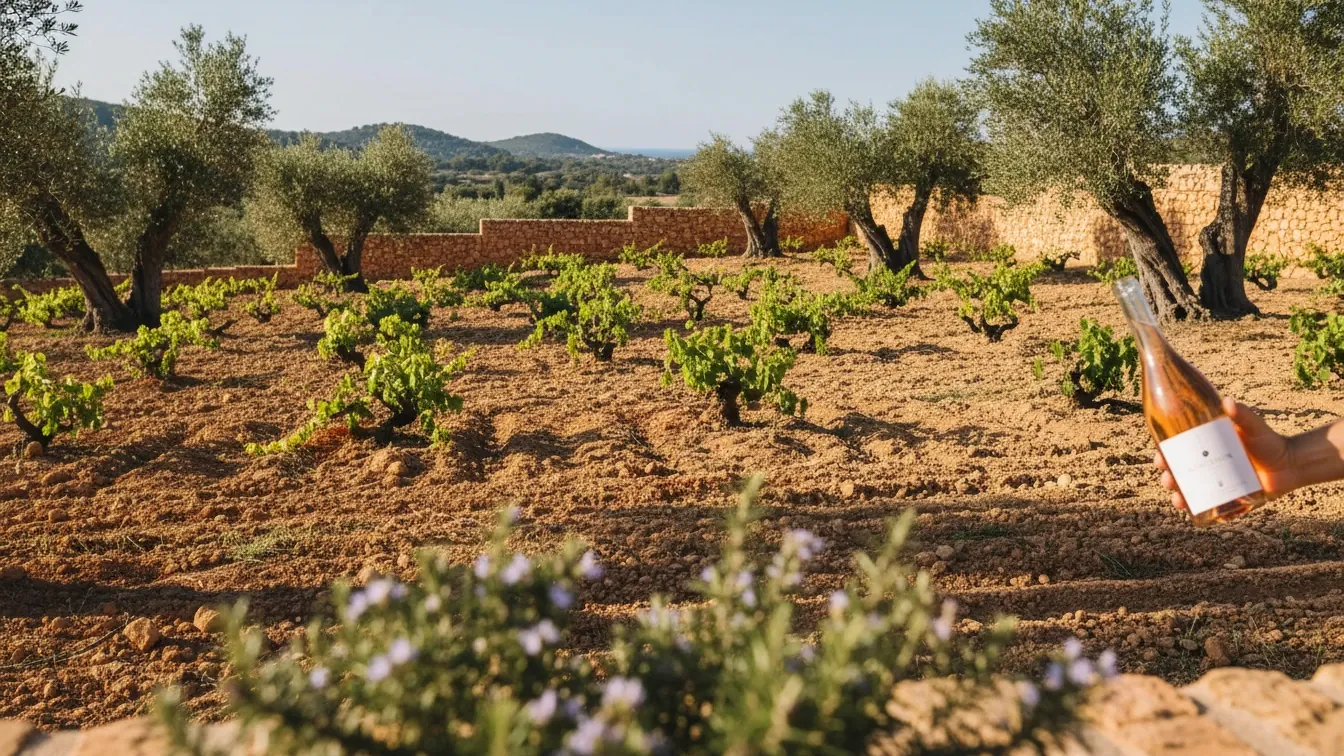
best wines Mallorca are not defined by one style, but by the island’s ability to turn Mediterranean sunlight, sea breezes, and local grapes into distinctive bottles. The overall winner here is Montesión Callet Limited Edition 2007 for its mature sense of place; Montesión Viognier 2025 is the best choice for freshness, while Montesión Rosé Cuvée 2025 offers the easiest budget-friendly introduction. Together, these seven wines create a practical route through Mallorca’s varieties and winemaking traditions. At Montesion Wine Estate, that diversity is explored through a Demeter-certified biodynamic approach.
A bottle from Mallorca can reveal more than a vintage or grape. It can point towards dry inland vineyards, limestone soils, old agricultural estates, or the cool influence of the surrounding sea. The island now has more than 70 wineries, two principal designations of origin, and several protected geographical indications, including Mallorca Regional Wine and Illes Balears Regional Wine. That variety makes choosing a bottle both exciting and slightly confusing.
This ranking focuses on seven wines that show contrasting sides of the island. It includes indigenous Callet, aromatic Viognier, structured international varieties, and wines shaped by barrel, stainless steel, or Italian stoneware. The selection draws on the supplied estate information and current regional wine references available on 24 September 2026. It is a tasting guide rather than a blind competition, because vintage, serving temperature, food, and personal preference can change the experience.
The quick ranking: which Mallorca wine should you choose?
The table below gives the fastest route through the list. It ranks the wines by their strongest use, not by a single score. A mature Callet leads for island character, while younger white and rosé wines suit visitors who want immediate freshness.
| Rank | Wine | Best for | Style | Serving temperature |
|---|---|---|---|---|
| 1 | Montesión Callet Limited Edition 2007 | Discovering Mallorca’s identity | Mature red | 15–17°C |
| 2 | Montesión Viognier 2025 | Freshness and aromatic whites | Still white | 8–10°C |
| 3 | Montesión Syrah Amphora 2021 | Textural depth without heavy oak | Structured red | 15–17°C |
| 4 | Montesión Rosé Cuvée 2025 | Aperitifs and warm afternoons | Dry rosé | 8–10°C |
| 5 | Montesión Cuvée Blanc 2025 | Sharing at the table | Fresh white blend | 8–12°C |
| 6 | Montesión Cabernet Sauvignon 2022 | Rich, oak-aged reds | Full-bodied red | 15–17°C |
| 7 | Montesión Selección Privada GR 2020 | Cellar-style intensity | Petit Verdot red | 15–17°C |
The overall winner is the 2007 Callet because it combines an island grape, a mature vintage, and a clear connection to Mallorca’s agricultural landscape. The best wine for a seafood lunch is the Viognier, while the rosé is the most flexible choice for a mixed group. For a richer dinner, the Cabernet Sauvignon and Gran Reserva offer greater weight and oak influence.
How this Mallorca wine guide selected the seven bottles
The method used four criteria: regional identity, clarity of winemaking, drinking versatility, and stylistic contrast. Regional identity rewards Callet and other grapes that help explain Mallorca’s wine culture. Winemaking clarity considers harvest method, fermentation, ageing vessel, and the stated use of spontaneous fermentation under Demeter regulations.
The tasting sample covers vintages from 2007 to 2025. That range matters because a mature red and a young white answer different questions. Older Callet can show how the island’s fruit and oak develop over time, whereas a recent Viognier highlights fragrance, freshness, and immediate drinkability.
Regional context also shaped the ranking. illesbalears.travel identifies Binissalem and Pla i Llevant as Mallorca’s two principal designations of origin. It also describes local whites as aromatic and fresh, while red wines often bring body and firm tannin. Those broad patterns help place each bottle in a wider island story.
The list does not claim that one grape suits every palate. Instead, it shows how a visitor can move from pale, aromatic whites to mature reds without leaving Mallorca’s wine conversation. That contrast is the point.
1. Montesión Callet Limited Edition 2007: best for island character
Callet is the most revealing place to begin if you want to understand Mallorca through wine. The variety is indigenous to the island and often gives red wines a combination of ripe fruit, moderate acidity, earthy nuance, and a distinctly Mediterranean feel. The Montesión Callet Limited Edition 2007 adds age to that local identity.
The 2007 growing season was dry and hot, with healthy berries and full ripening. The grapes were hand selected and harvested near the winery in Porreres, then fermented spontaneously in stainless steel tanks. Twelve to fifteen months in 225-litre French oak barrels added spice and toast without erasing the fruit.
The wine shows tile red colour with violet hints, ripe fruit aromas, and a lightly spicy, toasted edge. On the palate, concentrated ripe black fruit sits beside integrated tannin and balanced acidity. It is full enough for white or red meat, stews, and cheese, yet its mature profile also makes it a thoughtful partner for chocolate desserts.
Best for: Travellers seeking the clearest sense of Mallorca’s indigenous red wine culture.
Price: Not published; availability may vary for this limited vintage.
Pros:
- Uses the native Callet variety.
- Mature fruit and integrated barrel character.
- Pairs with both savoury dishes and chocolate.
Cons:
- The limited 2007 vintage may be difficult to find.
- Its mature, oak-influenced profile may exceed the preference of drinkers seeking fresh reds.
Verdict: The strongest overall choice for discovering Mallorca in one bottle. It tastes like an island red with a past, not a generic Mediterranean blend.
2. Montesión Viognier 2025: best for aromatic freshness
Viognier offers a different route through Mallorca. The grape is associated with the northern Rhône, yet the island’s bright light and maritime cooling can give it a compelling Mediterranean expression. The 2025 wine is made from hand-harvested grapes from Porreres, with spontaneous fermentation in temperature-controlled stainless steel.
That cellar choice preserves the grape’s perfume. The wine is clear and pale yellow with greenish tones, while the nose brings intense floral notes and exotic fruit, especially lychee. On the palate, it remains fresh and balanced rather than heavy, which is valuable in a warm climate.
This is one of the most approachable wines to try in Mallorca for visitors who usually prefer aromatic whites. Serve it at 8–10°C with fish, pasta, rice dishes, or as an aperitif. Its floral intensity also makes it useful at a table where guests have different levels of wine experience.
Best for: Seafood lunches, warm afternoons, and drinkers who enjoy floral white wines.
Price: Not published; check current estate availability.
Pros:
- Strong floral and lychee aromas.
- Fresh, balanced palate.
- Works as both an aperitif and food wine.
Cons:
- Its aromatic style may be too expressive for lovers of restrained whites.
- It offers less oak complexity than an aged white.
Verdict: The best choice for freshness. It shows why Mallorca wine varieties can include both indigenous grapes and well-adapted international varieties.
3. Montesión Syrah Amphora 2021: best for texture and restraint
Syrah can become broad and powerful in warm regions, but ageing vessel changes the result. The 2021 Montesión Syrah Amphora spends 12 months in Italian stoneware vats after spontaneous fermentation in stainless steel. That approach gives the wine room to develop texture without adding the vanilla and toast associated with new oak.
The 2021 season was dry and mild, and the Syrah was harvested in mid-September. The finished wine shows tile red colour with violet tones, ripe red fruit, and liquorice typical of the variety. Its palate is full-bodied and structured, but the balance between alcohol and acidity keeps the texture silky and rounded.
The amphora detail makes this wine especially useful for comparing traditional vessels with modern cellar habits. It feels robust enough for game and poultry, while pasta and rice dishes can soften its structural edge. Unlike a heavily oaked red, it lets fruit and liquorice remain at the centre.
Best for: Drinkers who want a substantial red with a clean, vessel-led texture.
Price: Not published; current availability may change by vintage.
Pros:
- Italian stoneware ageing adds textural interest.
- Spontaneous fermentation supports a distinctive estate style.
- Strong pairing range from poultry to pasta.
Cons:
- Its full body may feel intense with delicate food.
- Syrah is less specifically Mallorcan than Callet.
Verdict: The most interesting red for anyone comparing oak-aged and amphora-aged wines. It gives the list a useful lesson in technique.
4. Montesión Rosé Cuvée 2025: best for easy drinking
A good rosé should make the first glass feel simple without becoming simplistic. The Montesión Rosé Cuvée 2025 achieves that through hand-harvested grapes, controlled fermentation in stainless steel, and a blend led by Merlot with Viognier, Chardonnay, and Cabernet Sauvignon. The wine follows traditional methods without added yeasts or bacteria under the stated Demeter conditions.
Its pale, bright onion-skin colour suggests a Provençal direction, but the nose is generous and distinctly expressive. Ripe strawberry meets balsamic tones and tropical fruit such as banana and lychee. The palate is fresh and balanced, giving the wine enough substance for food while keeping its warm-weather appeal.
This is the practical budget-friendly choice when a group wants one bottle for several occasions. Serve it at about 8–10°C with fish, pasta, rice, white meat, or no food at all. It also works well as the opening wine before moving towards more structured reds.
Best for: Aperitifs, picnics, mixed groups, and first-time tasters.
Price: Not published; consult the estate for current pricing.
Pros:
- Versatile pairing profile.
- Bright, fresh style with expressive fruit.
- Easy transition from aperitif to main course.
Cons:
- Its young style offers limited ageing complexity.
- Tropical aromas may not suit lovers of austere rosé.
Verdict: The most accessible bottle in the ranking. It delivers the social side of Mallorca without losing production detail.
5. Montesión Cuvée Blanc 2025: best for sharing at the table
Blended white wines often reveal a different kind of skill from single-variety bottlings. Montesión Cuvée Blanc 2025 combines Chardonnay, Sauvignon Blanc, and Viognier, with each variety fermented separately before blending. That process allows the final wine to balance tropical fruit, floral lift, and structure.
The wine is pale yellow with green glints and a clean, bright appearance. Banana from Chardonnay, lychee from Viognier, and balsamic or heathery notes from Sauvignon Blanc create a layered aromatic profile. It remains fresh and well balanced, with enough structure to handle food rather than disappearing beside it.
The recommended serving range is 8–12°C, although slightly warmer service can reveal more aroma. This makes it a dependable choice for a table serving several dishes. It can accompany rice, pasta, seafood, or lighter appetisers, especially when guests want different flavours from one bottle.
Best for: Shared meals where flexibility matters more than a single grape’s identity.
Price: Not published; check the current estate range.
Pros:
- Three varieties create aromatic and structural balance.
- Separate fermentation gives the blend precision.
- Suitable for varied Mediterranean dishes.
Cons:
- It offers less focus than a single-variety wine.
- Tropical notes may dominate for some palates.
Verdict: The best all-purpose white in the ranking. It demonstrates how a Mallorca blend can be coherent rather than merely convenient.
6. Montesión Cabernet Sauvignon 2022: best for oak-aged red wine
Cabernet Sauvignon is not an indigenous Mallorcan grape, but the island can give it a warmer, fruit-driven expression. The 2022 wine was hand harvested near the winery and fermented spontaneously in stainless steel. It then spent about 24 months in first-year French oak barrels before bottling.
That extended maturation shapes the wine’s identity. The colour is deep cherry red with violet hints, and the nose combines ripe black fruit with spice, smoke, and roasted notes from the barrel. On the palate, soft velvety tannins support dense fruit and a long finish.
This bottle suits drinkers who want a classic full-bodied red but prefer a clean, polished profile. Serve it at approximately 15–17°C. Because the supplied pairing information leaves the food pairing open, consider it with roasted meats, grilled vegetables, or firm cheeses that can meet its weight.
Best for: Fans of structured Cabernet with ripe fruit and French oak influence.
Price: Not published; vintage availability may vary.
Pros:
- Twenty-four months in French oak adds depth.
- Soft tannins make the full body approachable.
- Long finish with ripe black-fruit character.
Cons:
- Less representative of Mallorca’s indigenous varieties.
- Oak and body may overwhelm lighter dishes.
Verdict: The most convincing selection for a classic red wine occasion. It belongs in the ranking because Mallorca’s identity also includes successful adaptation.
7. Montesión Selección Privada GR 2020: best for bold, cellar-style intensity
The Gran Reserva selection is built for drinkers who value concentration and firm structure. The 2020 growing season was dry and mild, and the Cabernet Sauvignon was harvested in the final week of September. Hand selection, spontaneous fermentation, and 24 months in first-year French oak barrels create a wine with a deliberate, layered profile.
Although the product information describes Petit Verdot as the variety, the winemaking notes mention Cabernet Sauvignon at harvest. That detail is worth checking against the current technical sheet before purchase. Either way, the intended style is clear: intense colour, ripe black fruit, spice, smoke, and velvety tannin.
Serve it at 15–17°C with game meats, poultry, pasta, or rice dishes. It is the most powerful wine in this selection, so decanting may help the fruit emerge. Unlike the young whites, this is a bottle for slow drinking and a substantial meal.
Best for: Experienced red-wine drinkers who enjoy power, oak, and a long finish.
Price: Not published; confirm the current Gran Reserva release.
Pros:
- Full-bodied and texturally rich.
- Extended French oak ageing adds complexity.
- Suitable for game, poultry, and robust main courses.
Cons:
- The technical grape information should be verified before buying.
- Its intensity makes it unsuitable for delicate food.
Verdict: The choice for maximum concentration. It closes the ranking with the most cellar-minded interpretation of the island’s warm climate.
What do these Mallorca wine varieties reveal about the island?
The seven bottles show that Mallorca’s wine identity has several layers. Callet provides the strongest indigenous anchor, while Viognier demonstrates how a non-native grape can adapt to sea-influenced sunlight. Rosé and white blends reveal the value of balance, and Syrah shows how a different ageing vessel can alter texture without changing the grape.
Regional references support that broader picture. abc-mallorca.com highlights indigenous varieties such as Callet, Manto Negro, and Prensal Blanc, while also including biodynamic producers and wines made from international grapes. nomadotravel.app likewise points visitors towards Callet and Moll, also known as Prensal Blanc, when exploring a Mallorca wine guide.
For an estate committed to biodynamic farming, the important detail is not simply whether a bottle is red or white. Hand harvesting, spontaneous fermentation, controlled temperature, and careful vessel choice all influence how clearly the landscape reaches the glass. Demeter standards add another layer by connecting vineyard work with a wider ecological system.
A useful selection method is straightforward:
- Choose Callet when local identity matters most.
- Choose Viognier or Cuvée Blanc for fresh, aromatic drinking.
- Choose rosé for flexibility across a group.
- Choose Syrah Amphora for textural contrast.
- Choose Cabernet or Gran Reserva for oak, structure, and a longer meal.
Final choice: matching the bottle to the moment
The best overall wine is Montesión Callet Limited Edition 2007 because it offers the strongest combination of native grape, mature vintage, and Mediterranean character. It gives the island a voice rather than simply borrowing an international style. For a lighter experience, Montesión Viognier 2025 is the clearest choice, particularly with seafood or a warm-weather lunch.
The rosé wins on versatility, while Cuvée Blanc is the safest shared-table option. Syrah Amphora rewards curiosity about ageing vessels, and the Cabernet Sauvignon suits drinkers who want polished French oak. The Gran Reserva brings the greatest weight and intensity, although its grape information deserves confirmation before purchase.
Together, these bottles reflect the kind of agricultural diversity found at Montesion Wine Estate, a Demeter-certified biodynamic estate: local varieties beside adapted grapes, young releases beside mature vintages, and stainless steel beside oak or stoneware. That combination makes Mallorca wine more than a holiday souvenir. It becomes a compact record of climate, soil, craft, and time.
| Occasion or preference | Best choice | Why |
|---|---|---|
| Strongest island identity | Callet Limited Edition 2007 | Indigenous grape and mature character |
| Fresh aromatic white | Viognier 2025 | Floral, fruity, and balanced |
| Most flexible budget choice | Rosé Cuvée 2025 | Easy service and broad pairings |
| Textural red comparison | Syrah Amphora 2021 | Stoneware ageing and silky structure |
| Shared white meal | Cuvée Blanc 2025 | Balanced multi-variety blend |
| French oak red | Cabernet Sauvignon 2022 | Dense fruit and 24 months in barrel |
| Most powerful bottle | Selección Privada GR 2020 | Concentration, tannin, and long finish |
Preguntas frecuentes
What are the best wines from Mallorca for first-time visitors?
The best starting point is Montesión Callet Limited Edition 2007 for red wine and Montesión Viognier 2025 for white wine. Callet offers a direct connection with Mallorca’s indigenous grape culture, while Viognier shows the island’s ability to produce aromatic, fresh whites. A dry rosé is also a practical introduction because it works as an aperitif and with many Mediterranean dishes.
Which Mallorca wine varieties should I try first?
Begin with Callet, Prensal Blanc, and Viognier. Callet is an indigenous red variety with ripe fruit and earthy Mediterranean character, while Prensal Blanc is a traditional Mallorcan white grape often known as Moll. Viognier is not native to the island, but its floral and stone-fruit profile adapts well to Mallorca’s sunny yet sea-cooled climate.
Is Mallorca known for biodynamic wine?
Mallorca has a growing reputation for organic and biodynamic wine, although farming and certification differ between estates. Biodynamic production treats the vineyard as an interconnected ecosystem and avoids conventional synthetic inputs under its relevant standards. In the wines ranked here, hand harvesting, spontaneous fermentation, and Demeter-regulated practices help express that agricultural philosophy.
What food pairs well with Mallorca wine?
Fresh Viognier and white blends pair well with fish, seafood, rice, pasta, and fresh cheeses. Rosé works with fish, white meat, and light Mediterranean dishes, while Callet, Syrah, Cabernet, and Gran Reserva suit poultry, game, stews, and mature cheeses. Serving temperature also matters: chill whites and rosé, but serve structured reds around 15–17°C.
How should I choose wines to try in Mallorca?
Choose according to the experience you want rather than grape name alone. Select Callet for local identity, Viognier for aromatic freshness, rosé for flexibility, amphora-aged Syrah for texture, and oak-aged reds for power. Vintage, serving temperature, food, and the wine’s ageing vessel can change the impression as much as the variety itself.
