
True biodynamic viticulture practices dictate that grape selection begins months before the actual harvest date. Rather than relying solely on a sorting table in autumn, biodynamic farmers at Montesion Wine Estate actively shape fruit quality throughout the vegetative cycle. Consequently, winter pruning, spring canopy management, and summer green harvesting act as continuous selection phases. This proactive approach ensures only the most resilient clusters reach maturity.
Walking through a vineyard in late winter reveals the true foundation of exceptional wine. While casual observers often associate grape selection with the frantic energy of harvest day, the reality of ecological farming tells a completely different story. Market data indicates that the global biodynamic wine sector is expanding by approximately 14% annually. Consumers increasingly demand verified, terroir-driven expressions. Naturally, this surging interest brings increased scrutiny to how these wines are actually cultivated at Montesion Wine Estate.
Understanding the timeline of fruit selection exposes the core philosophy behind sustainable agriculture. Instead of treating vines as industrial production units, biodynamic farming views the entire vineyard as a self-regulating organism. Therefore, every intervention from bud break to veraison serves as a deliberate quality filter. Readers will discover how rigorous canopy adjustments, soil health initiatives, and early cluster thinning replace the need for chemical corrections later in the cellar.
The Myth of the Sorting Table: Rethinking Biodynamic Viticulture Practices
Many wine enthusiasts picture grape selection as a rapid process occurring right after picking. However, biodynamic viticulture practices dismantle this reactive mindset entirely. The sorting table simply represents the final, minor adjustment in a year-long biological commitment. By the time a cluster reaches the winery, its destiny was already written by decisions made during the spring and summer months.
Therefore, proactive vineyard management requires constant observation and early intervention. Farmers assess the vigor of each vine early in the growing season. If a plant carries too many potential bunches, workers manually remove the excess shoots. This early sacrifice directs the vine’s energy into a smaller, higher-quality yield. Furthermore, this method naturally concentrates flavors and builds disease resistance within the remaining fruit.
In conventional systems, poor fruit might be masked by cellar interventions. Conversely, biodynamic principles demand absolute transparency, meaning only flawless grapes can be utilized. This strict requirement shifts the burden of quality control entirely onto the farmer’s shoulders during the vegetative cycle.
Comparing Selection Philosophies
| Feature | Conventional Farming | Biodynamic Farming |
|---|---|---|
| Selection Timing | Harvest day (sorting table) | Continuous (winter pruning to harvest) |
| Quality Control | Chemical sprays, cellar additives | Canopy management, green harvesting |
| Vine Yield Focus | Maximum volume per hectare | Natural balance and vine vitality |
| Disease Prevention | Reactive synthetic treatments | Proactive airflow and soil health |
Ultimately, shifting the selection timeline forward drastically reduces agricultural waste. Vines do not waste vital resources ripening fruit that will ultimately be discarded.
Soil Vitality and Root Architecture: The Hidden Drivers of Grape Quality
Rigorous Demeter wine standards demand that farmers treat the soil as a living entity rather than mere dirt. Consequently, grape selection truly begins underground, where root architecture determines the vine’s ability to nourish its fruit. A healthy, biodynamically treated soil web supports deep root penetration. As a result, vines access essential minerals and consistent moisture even during severe summer droughts.
Building this subterranean resilience requires specific, time-tested preparations. For instance, the application of horn manure stimulates microbial activity and humus formation. This biological foundation allows the vine to naturally regulate its fruit load. When a plant possesses balanced nutrition, it rarely overproduces weak, watery clusters. Instead, it naturally aborts inferior flowers, performing a preliminary selection before human hands ever touch the canopy.
Moreover, fostering biodiversity above ground directly impacts the soil’s health below. Cover crops like clover, vetch, and native grasses compete with the vines just enough to limit excessive vigor. This gentle stress forces the vine to prioritize reproduction over vegetative growth. Ultimately, the resulting grapes develop thicker skins and more complex aromatic profiles. This sets the stage for exceptional winemaking long before autumn arrives. Furthermore, a vibrant soil ecosystem encourages mycorrhizal fungi networks. These networks actively filter the nutrients delivered to the vine, ensuring only beneficial compounds reach the developing clusters.
Harnessing Canopy Management for Sustainable Grape Growing
Above the soil, the physical structure of the vine dictates how individual bunches develop. Effective canopy management serves as the most critical tool for sustainable grape growing during the spring and early summer. By strategically removing specific leaves and lateral shoots, farmers create a microclimate around the fruit zone. This deliberate architectural design ensures optimal sunlight exposure and crucial airflow.
When clusters receive adequate ventilation, fungal diseases struggle to take hold. Therefore, biodynamic farmers do not need to rely on harsh systemic fungicides. Instead, they use precise leaf pulling to naturally defend the crop. This process inherently acts as a selection mechanism. Bunches that remain hidden in deep shade or suffer from poor positioning are often removed entirely during green harvesting.
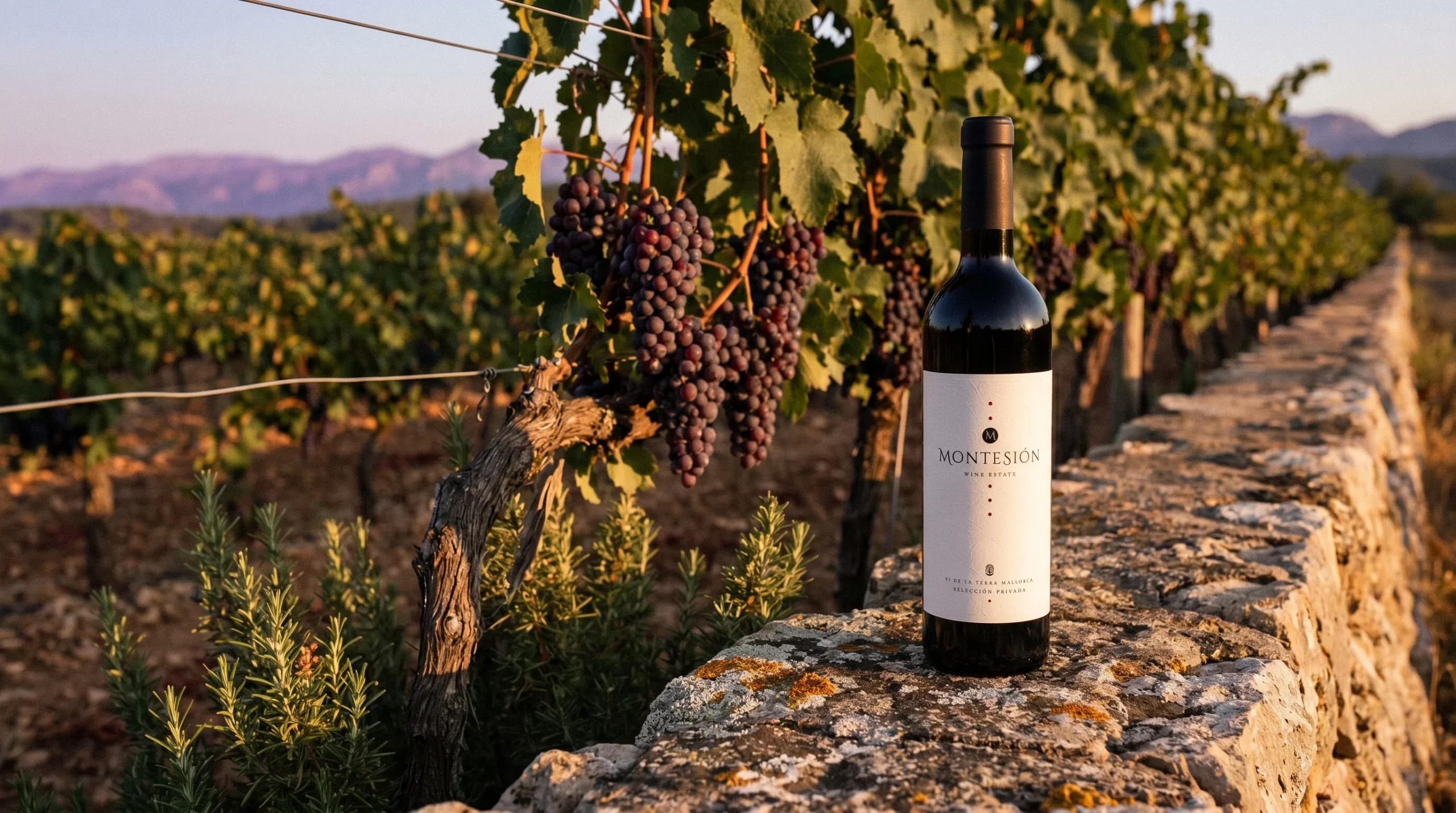
Consider the profound connection between a specific terroir and the indigenous varieties that thrive there. A wine like the Montesión Callet Limited Edition 2007 perfectly illustrates this long-term agricultural philosophy. The Callet grape demands meticulous attention to canopy architecture to achieve its signature rich, earthy undertones. By limiting the yield early in the season, the remaining clusters achieve perfect phenolic ripeness.
The resulting wine showcases the undeniable benefits of proactive, months-in-advance fruit selection. Additionally, this manual thinning process allows vineyard workers to inspect every single vine. They ensure that any damaged or malformed fruit is discarded long before it can negatively impact the overall harvest quality.
The Long-Term Rewards of Proactive Vineyard Architecture
Grape selection in a biodynamic paradigm is fundamentally a year-round discipline. First, winter pruning establishes the structural potential of the vine, limiting the initial bud count. Next, spring canopy management ensures the developing clusters receive the ideal balance of sunlight and protective shade. Finally, summer green harvesting eliminates any lagging bunches, focusing the plant’s energy strictly on the most promising fruit.
This continuous, proactive methodology yields significantly healthier grapes with superior aromatic complexity. By addressing quality control in the field rather than the cellar, farmers honor the true character of their terroir. Furthermore, this approach builds long-term resilience within the vineyard. It allows vines to thrive despite fluctuating environmental conditions.
Ultimately, embracing these rigorous ecological standards elevates the entire winemaking process. When a bottle reaches the table, its depth reflects countless small decisions made months before the harvest began. The commitment to early selection transforms agriculture into a profound partnership with nature.
Frequently Asked Questions
What does green harvesting mean in biodynamic wine production?
Green harvesting involves manually removing unripe grape bunches from the vine during the summer months. This practice forces the plant to redirect its vital energy and nutrients into the remaining clusters. Consequently, it acts as a crucial early selection step, ensuring only the healthiest and most perfectly positioned fruit reaches full maturity.
How do Demeter wine standards influence vineyard yield?
Demeter wine standards strictly regulate agricultural inputs, forcing farmers to rely on natural vine balance rather than synthetic fertilizers to drive growth. As a result, biodynamic vineyards typically produce lower, more concentrated yields compared to conventional, chemically dependent farming methods. This natural limitation inherently improves grape quality, as the vine allocates its limited resources to a smaller number of highly resilient clusters.
Why is canopy management important for sustainable grape growing?
Canopy management controls the amount of foliage surrounding the grape bunches, which directly impacts critical sunlight exposure and essential air circulation. By strategically removing leaves, farmers prevent the buildup of trapped moisture that inevitably leads to devastating fungal diseases. Therefore, this proactive technique completely eliminates the need for harsh chemical sprays, supporting a truly sustainable and ecologically balanced vineyard environment. Furthermore, a well-managed canopy ensures even ripening across all clusters, standardizing the quality of the harvest naturally.
