
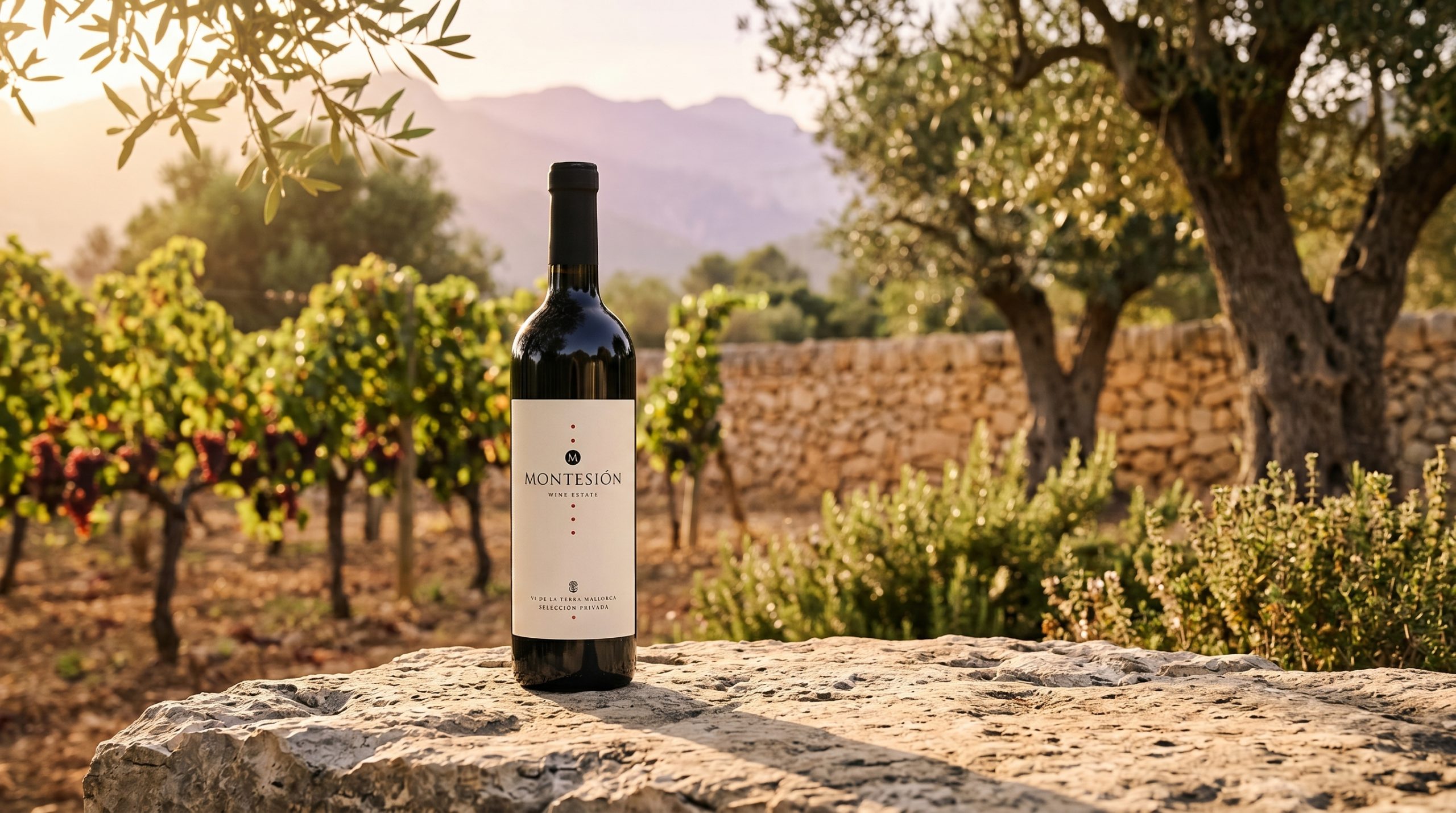
Transitioning to biodynamic farming transforms sterile agricultural land into a thriving, self-sustaining ecosystem. While traditional viticulture relies on clean, weed-free rows, regenerative methods foster a deliberate wilderness that drastically improves soil health and vine resilience. This ecological complexity allows the vines at Montesión Wine Estate to naturally withstand extreme weather conditions. The result is grapes with superior concentration and an authentic expression of their terroir.
For decades, the agricultural industry sold a compelling visual lie: the perfect vineyard was defined by bare earth and flawlessly uniform vines. Yet, this aesthetic perfection often masks profound ecological depletion beneath the surface. Removing native flora destroys the microscopic networks that nourish the vines. Today, a significant shift toward regenerative viticulture is challenging this outdated model. Winemakers increasingly recognize that a vineyard must function more like a wild forest than an outdoor factory. Especially in regions with an intense Mediterranean climate, soil health determines the survival of the harvest. Our readers will learn how the abandonment of chemical interventions in favor of natural complexity builds indestructible soils. Furthermore, a look at the unique red soils that define viticulture on Mallorca explains why ecological chaos leads to far better harvests at Montesión Wine Estate in the long term.
Why is a “wild” vineyard superior to a sterile monoculture?
Industrial agriculture relies heavily on eradication. Farmers routinely eliminate weeds, insects, and fungi to protect the harvest. Unfortunately, this monoculture approach creates fragile environments that are highly dependent on synthetic aids. In contrast, biodynamic farming actively cultivates biological diversity. A visually chaotic vineyard actually indicates a highly structured, efficient underground network.
Soil health in viticulture correlates directly with the diversity of root systems penetrating the earth. Different plants release various carbon compounds, thereby nourishing a diverse population of beneficial bacteria. These microscopic allies break down mineral deposits and make essential nutrients available to the vines. Without this symbiotic relationship, vines struggle to access deep-seated nutrients.
Market data consistently confirms the practical benefits of this ecological approach. Vineyards employing regenerative practices typically report a 20 to 40 percent increase in the soil’s water-holding capacity per hectare. This natural sponge effect proves decisive during long periods of drought. Conventional, bare soils, by contrast, suffer from severe erosion and compaction.
The differences between these two management philosophies become clear upon direct comparison.
| Feature | Industrial Monoculture | Biodynamic Ecosystem |
|---|---|---|
| Soil cover | Bare earth, chemically cleared | Diverse native flora |
| Pest control | Synthetic pesticides | Natural habitats for beneficial insects |
| Nutrient source | Artificial fertilizers | Composted organic matter |
| Water retention | Low, high erosion risk | Excellent, sponge-like structure |
| Resilience | Low, constant intervention | High, self-regulating |
Ultimately, abandoning the illusion of control allows the land to stabilize itself. The wild appearance above ground reflects a robust, resilient architecture beneath the surface.
In Focus: Montesión Callet Limited Edition 2007
If you wish to experience the deep expressive power of indigenous varieties from living soil, this vintage offers a direct connection to the island’s unique terroir. It captures the structural elegance resulting from careful ecological management and reveals the true character of the land in every glass. This bottle is the ideal choice for collectors who appreciate the nuanced expression of a truly biodynamic harvest.
How do cover crops and animals promote soil health in viticulture?
The integration of non-vine plants and livestock forms the cornerstone of biodiversity in the vineyard. Cover crops fulfill several vital functions throughout the growth cycle. Sowing legumes such as clover fixes atmospheric nitrogen directly into the soil. Simultaneously, deep-rooting radish species naturally loosen compacted soil, breaking up hard layers without mechanical plowing.
These companion plants also regulate soil temperature during hot summer months. A dense green carpet acts as natural insulation, preventing the sun from drying out sensitive surface roots. Consequently, the underground microclimate remains stable, protecting the vital earthworms that process organic material.
Furthermore, the use of grazing animals dramatically accelerates the nutrient cycle. Sheep moving through the vine rows perform a dual service. First, they naturally keep the height of the cover crop short, which reduces tractor emissions. Second, their manure provides an immediate, localized source of highly available fertilizer.
Maintaining Demeter certification requires strict adherence to these holistic management techniques. The estate must function as a closed system, generating its own fertility rather than purchasing it externally. Therefore, the import of chemical fertilizers is strictly prohibited. Instead, the winery relies on specialized compost preparations, which often contain cow manure and specific medicinal herbs.
This complex biological network ensures that the vines never live on a one-sided, artificial diet. They absorb a broad spectrum of trace elements synthesized by the surrounding ecosystem. As a result, the grapes develop thicker skins and more complex aromatic precursors.
What makes Mallorca’s “Call Vermell” soil so ideal for biodynamic viticulture?
The terroir of the Balearic Islands is characterized by a distinct geological profile that responds exceptionally well to ecological management. Mallorca, in particular, features areas with “Call Vermell,” an impressive, iron-rich red clay soil. This earth contains abundant limestone fragments that provide excellent drainage while retaining moisture in deeper layers.
“Call Vermell” requires careful maintenance, however, to prevent severe erosion and nutrient loss. Conventional plowing quickly degrades its fragile structure and washes away valuable topsoil during heavy autumn rains. A protective layer of vegetation anchors this red earth firmly in place. The roots bind clay and limestone together, preserving the vineyard’s geological heritage.
Indigenous grape varieties have evolved over centuries to thrive in exactly this environment. The Callet grape, for instance, unfolds enormous depth when grown in healthy, living “Call Vermell.” A vibrant, biologically active soil unlocks the subtle earthy undertones and rich fruit characters inherent to this native vine.
When winemakers respect this natural synergy, the resulting wines capture the true essence of the island. A wine such as the Montesión Callet Limited Edition 2007 shows how careful ecological management translates directly into structural elegance in the glass. The wine reflects the vitality of the soil in which it was grown.
Furthermore, the island’s maritime climate provides constant breezes that naturally ventilate the vine canopy. This environmental advantage reduces fungal pressure, facilitating compliance with standards for organic wine in Spain. By reinforcing these natural strengths through biodynamic methods, the winery creates an unbreakable connection between the terroir and the final vintage.
Sustainable terroir through ecological harmony
Cultivating a thriving vineyard ecosystem fundamentally changes the development of agricultural land. Choosing biological diversity over sterile uniformity creates an environment capable of healing itself. In particular, the integration of cover crops and grazing animals builds a robust underground network that naturally nourishes the vines.
Additionally, protecting unique geological treasures like Mallorca’s “Call Vermell” soil ensures the preservation of regional identity. Indigenous grape varieties simply perform better when supported by a complex network of native flora and fauna. The result is a natural wine that possesses a deep connection to its place of origin, which industrial agriculture cannot replicate.
Ultimately, the transition away from chemical interventions represents a return to agricultural common sense. Working with nature, rather than against it, guarantees the long-term survival of the estate. This commitment to ecological integrity raises the entire standard of biodynamic wines and proves that the healthiest soils consistently produce the most compelling vintages.
Visit our Demeter-certified winery on Mallorca
Frequently Asked Questions
What are the basic principles of regenerative viticulture?
Regenerative viticulture focuses entirely on restoring soil health and increasing biodiversity in the vineyard. Farmers avoid synthetic chemicals, minimize mechanical plowing, and actively plant diverse cover crops between the vine rows. This approach builds organic matter in the soil, improves water retention, and sequesters carbon from the atmosphere. The goal is to create a self-sustaining ecosystem that requires minimal external intervention.
How does vineyard biodiversity influence the taste of the wine?
A diverse ecosystem drastically improves the availability of complex nutrients in the soil, which the vines absorb during their growth cycle. When vines have access to a broader spectrum of minerals, they develop thicker skins and more concentrated aromatic compounds. As a result, the resulting biodynamic wine exhibits deeper flavor profiles, balanced acidity, and a much clearer expression of its specific geographical origin. Biological activity translates directly into structural complexity in the glass.
Why do biodynamic wineries use animals like sheep?
The integration of livestock provides essential ecological services that tractors and chemicals cannot replace. Sheep naturally mow the cover crop, preventing overgrowth while simultaneously loosening the surface with their hooves. Furthermore, their grazing provides highly active, organic fertilizer directly to the soil, which immediately boosts microbial life. This natural nutrient cycle makes artificial fertilizers unnecessary and reduces the winery’s carbon footprint.
