

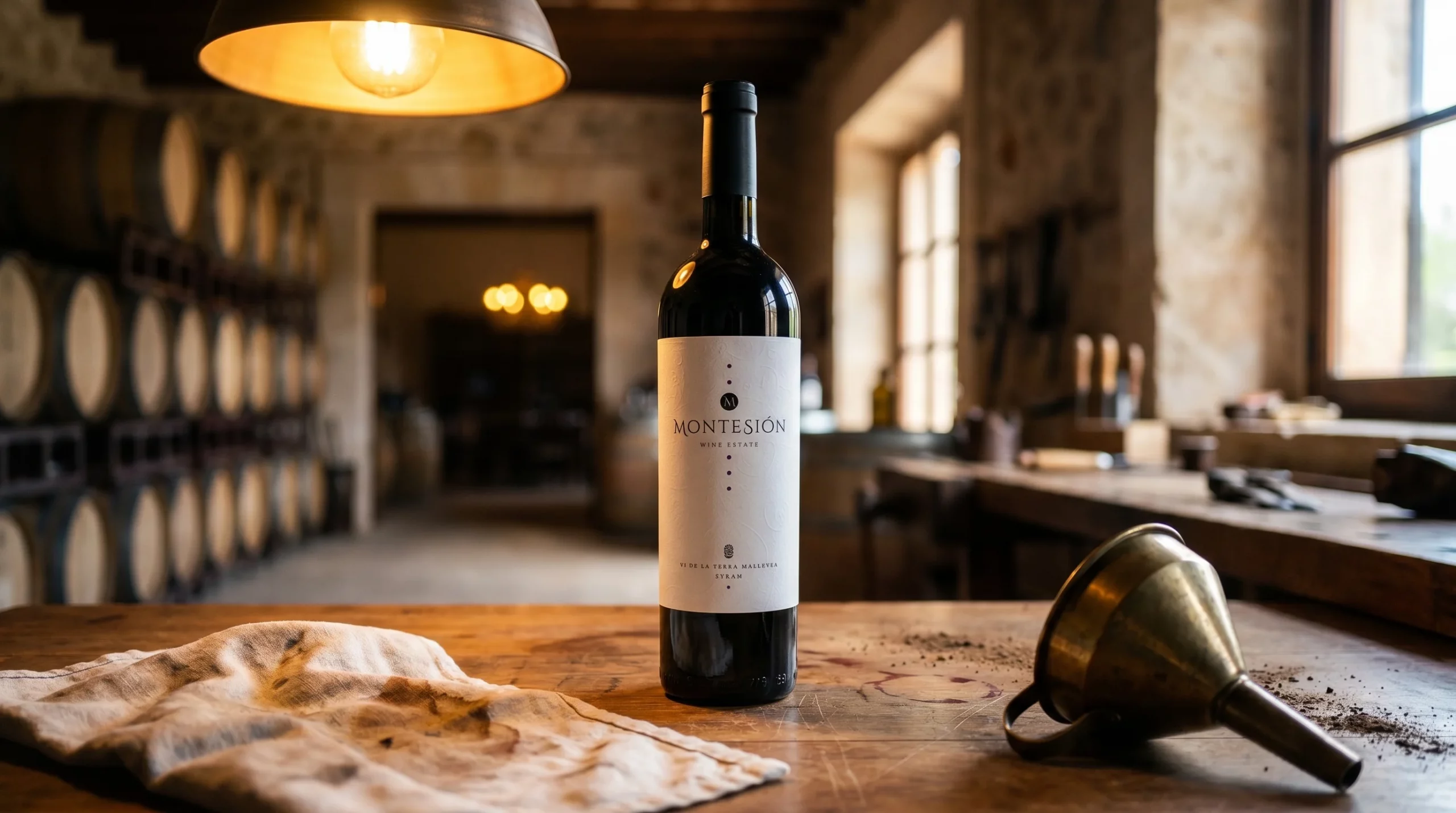
The key to preserving island ecosystems lies in biodynamic viticulture mallorca, which replaces synthetic chemicals with regenerative practices. Composting and specific herbal preparations actively rebuild soil vitality rather than simply extracting nutrients. As a result, vines at Montesion Wine Estate develop deeper root systems that capture the authentic mineral signature of the land. This holistic approach ensures long-term agricultural survival while producing exceptional wines.
Mediterranean islands face an invisible crisis beneath the surface of their picturesque vineyards. Decades of conventional agriculture have systematically stripped organic matter from the earth. Consequently, topsoil erosion accelerates with every heavy rainstorm. Winemakers now confront a stark reality regarding the future of their estates. They must either radically change their farming methods or watch their unique agricultural heritage vanish.
Fortunately, a paradigm shift is occurring across the region. Forward-thinking estates like Montesion Wine Estate are abandoning chemical interventions entirely. Instead, they embrace holistic systems that treat the vineyard as a living, self-sustaining organism. This transition goes far beyond basic organic wine Spain regulations. Farmers actively cultivate biodiversity to strengthen the natural resilience of the vines. Therefore, understanding these biological interactions reveals exactly how great wines are born.
How Conventional Agriculture Threatens Our Fragile Soils
The Mediterranean basin contains some of the most vulnerable agricultural land in Europe. Specifically, data from the European Environment Agency indicates that many southern European soils now contain less than two percent organic carbon. This severe depletion directly results from decades of synthetic fertilizer application. Conventional farming forces vines to feed from the surface layer rather than digging deep into the bedrock. Consequently, the plants become entirely dependent on chemical inputs to survive.
Furthermore, this shallow root development masks the true mallorca wine terroir. Vines cannot access the deep limestone and clay deposits that give island wines their characteristic tension. Heavy tractors compress the earth, destroying the microscopic fungal networks that transport water to the roots. Meanwhile, herbicides eliminate the cover crops necessary to prevent erosion during autumn storms.
The environmental cost of these practices extends far beyond the vineyard boundaries, threatening the future of Balearic Islands wine. Chemical runoff eventually reaches the water table, disrupting fragile island ecosystems. Therefore, sustainable winemaking balearic islands requires a complete rejection of these extractive methods. Farmers must focus on rebuilding the structural integrity of the earth itself. Only then can the land support future generations of indigenous grape varieties. The loss of biodiversity above ground mirrors the devastation below, forcing growers into a vicious cycle of pesticide dependency.
The Science of Soil Regeneration and Herbal Preparations
Biodynamic farming treats the vineyard as a closed-loop ecological system. Farmers generate their own fertility on-site rather than purchasing commercial fertilizers. Specifically, they produce rich compost using animal manure, grape pomace, and local plant material. This nutrient-dense humus acts like a sponge, dramatically increasing the water-holding capacity of the earth. Consequently, vines can survive long periods of drought without requiring artificial irrigation.
Moreover, practitioners utilize specific homeopathic preparations to stimulate biological activity. The most fundamental of these is horn manure, known as preparation 500. Farmers bury cow horns filled with manure during the winter months to ferment underground. Later, they dissolve a tiny amount of this potent humus in water and spray it across the fields. This process introduces billions of beneficial microbes directly into the topsoil.
Additionally, regenerative agriculture wine relies on silica sprays to enhance photosynthesis. Preparation 501 consists of finely ground quartz crystal sprayed lightly over the vine leaves at dawn. This application helps the plants process sunlight more efficiently, thickening the grape skins and intensifying their aromatic compounds.
| Farming Metric | Conventional Viticulture | Biodynamic Viticulture |
|---|---|---|
| Soil Organic Matter | Declining steadily | Increasing annually |
| Root Depth | Shallow, surface-feeding | Deep, bedrock-penetrating |
| Pest Management | Synthetic chemical sprays | Natural predator habitats |
| Drought Resilience | Highly dependent on irrigation | Naturally high water retention |
Ultimately, these precise interventions in biodynamic viticulture mallorca create a thriving subterranean ecosystem. Earthworms return to aerate the compacted ground naturally. Mycorrhizal fungi form symbiotic relationships with the vine roots, exchanging vital minerals for plant sugars.
Expressing True Character Through Indigenous Varietals
A healthy, vibrant soil profile directly translates into the glass. When vines push their roots deep into the limestone, they absorb trace minerals that define the region’s flavor profile. This deep nourishment is particularly crucial for native grapes like Callet and Prensal Blanc. These indigenous varieties evolved over centuries to thrive in this specific microclimate. However, they only reveal their full aromatic spectrum when grown without chemical interference.
Furthermore, holistic practices naturally limit grape yields. The vines produce fewer clusters, but each berry contains highly concentrated flavor compounds. Winemakers capture this intense vitality through careful cellar practices. For instance, native yeast fermentation allows the wild microflora of the vineyard to guide the transformation from juice to wine. This creates a beverage that serves as a liquid photograph of a specific time and place.
Consider the experience of tasting the Montesión Callet Limited Edition 2007. This exceptional red wine demonstrates exactly how regenerative farming elevates local grapes. The rich, full-bodied palate showcases vibrant red fruits alongside distinct earthy undertones. Moderate tannins provide structural elegance, while the natural acidity maintains a refreshing balance. Such complex integration is impossible to achieve with vines grown in sterile, chemically treated dirt.
Indeed, true luxury in the wine world now stems from ecological purity. Collectors increasingly seek out biodynamic wine bottles that carry Demeter certification standards to guarantee genuine agricultural integrity. A living soil produces wines with an unmistakable energetic tension that industrial beverages simply cannot replicate.
Securing the Future of Island Viticulture
The transition toward holistic farming represents a critical turning point for Mediterranean agriculture. Biodynamic methods offer the only proven strategy for reversing decades of profound soil degradation. By prioritizing microbial health and biodiversity, estates successfully rebuild the natural resilience of their land. Consequently, vines develop the deep root systems necessary to withstand unpredictable weather patterns.
Furthermore, this ecological commitment profoundly elevates the quality of the final product. Regenerative practices allow indigenous grape varieties to express their authentic regional identity without chemical distortion. The resulting wines possess a vibrant energy and structural complexity that synthetic farming cannot duplicate.
Ultimately, true agricultural sustainability requires treating the environment with absolute reverence. Every compost application and herbal preparation serves to strengthen the delicate balance of the local ecosystem. This dedicated stewardship ensures that future generations will continue to experience the pure, unadulterated taste of the island’s unique terroir.
Frequently Asked Questions
What is the main difference between organic and biodynamic farming?
Organic farming primarily focuses on eliminating synthetic pesticides and fertilizers from the agricultural process. Biodynamic farming takes a much more proactive approach by treating the entire property as a living organism. Practitioners actively rebuild soil fertility using specific herbal preparations, compost teas, and lunar planting calendars. Consequently, this holistic system creates a self-sustaining ecological loop rather than simply substituting chemical inputs with natural ones.
How do herbal preparations improve vineyard soil health?
Herbal preparations act as powerful homeopathic remedies for the earth. Farmers use fermented materials like yarrow, chamomile, and stinging nettle to stimulate microbial activity in the compost. When applied to the vineyard, these potent mixtures dramatically accelerate the formation of nutrient-rich humus. Therefore, the soil develops a sponge-like texture that retains moisture perfectly during long, dry Mediterranean summers.
Why is deep root growth important for wine flavor?
Deep root systems allow vines to absorb essential trace minerals from the underlying bedrock. When conventional farmers use synthetic fertilizers, the roots remain lazily near the surface to feed. Conversely, regenerative practices force the roots downward through layers of limestone and clay. This deep subterranean extraction provides the complex structural tension and distinct earthy flavors that define premium natural wine.
