
The debate surrounding biodynamic wine vs natural wine ultimately comes down to proof and regulation. Natural wine operates as a philosophy without strict legal definitions, leaving consumers vulnerable to inconsistent practices. Conversely, Demeter certification demands rigorous, third-party audits that guarantee absolute environmental accountability. Therefore, certified bottles from producers like Montesion Wine Estate offer verifiable proof of ethical farming and zero-chemical intervention.
Consumers increasingly demand transparency in their glass. Consequently, the wine industry faces a profound identity crisis regarding how it defines minimal intervention. Shoppers navigate a confusing landscape of green leaves, earthy labels, and vague promises. Specifically, the natural wine movement has captured global attention by championing a return to ancient winemaking methods. However, this movement lacks a unified legal framework. Industry surveys consistently indicate that over 70 percent of European consumers mistakenly believe natural wine represents a legally regulated category. Anyone can print the word natural on a label without facing an inspector. Meanwhile, agricultural authenticity requires more than just good intentions. Truly sustainable viticulture demands measurable actions that protect soil health and foster biodiversity. Because unregulated terms offer zero consumer protection, discerning drinkers now seek verifiable standards. Understanding the fundamental differences between these categories empowers buyers to make ethical choices. Ultimately, formal certification provides the only reliable guarantee that a vineyard actually practices what it preaches.
The Core Difference Between Biodynamic Wine vs Natural Wine
Understanding the distinction between biodynamic wine vs natural wine requires examining the strict rules governing their production. The natural wine movement generally advocates for organic farming alongside zero cellar additives. However, this popular category operates entirely on an unwritten honor system. Winemakers self-police their agricultural practices without any mandatory external oversight. As a result, a bottle labeled as natural might originate from a pristine, chemical-free vineyard, or it might not. This persistent ambiguity creates significant risks for consumers seeking genuine ecological responsibility and transparency.
Biodynamic farming, by contrast, functions under the absolute strictest agricultural standards globally. Established formally in 1928, the Demeter standard requires farmers to treat their entire estate as a single, self-sustaining organism. Furthermore, practitioners must integrate livestock, cultivate highly specific composting preparations, and align their planting activities with lunar cycles. These advanced methods actively regenerate the soil vitality rather than merely sustaining a baseline organic status.
Consequently, the fundamental gap between the two philosophies remains vast and impactful. Natural wine represents a well-meaning but completely unregulated ideology. Meanwhile, biodynamic agriculture operates as a rigorously audited scientific and ecological discipline. Indeed, the latter guarantees that no synthetic chemicals ever touch the vines or the surrounding soil. This verified approach ensures that every single bottle reflects a genuine, measurable commitment to planetary health.
Why Demeter Certification Guarantees Environmental Accountability
Many consumers ask exactly what is demeter certified wine and why it commands such immense industry respect. Demeter represents the international gold standard for holistic biodynamic agriculture. Specifically, this organization enforces a comprehensive set of rules governing both vineyard management and delicate cellar operations. Independent inspectors visit estates annually to verify strict compliance with these exhaustive protocols. Therefore, a Demeter logo guarantees that the producer has successfully passed rigorous third-party scrutiny.
This uncompromising certification process leaves absolutely no room for corporate greenwashing. For instance, farmers must dedicate a minimum of ten percent of their total land strictly to biodiversity preservation. Additionally, they cannot purchase synthetic fertilizers or import organic matter from conventional agricultural sources. Instead, the estate must generate its own fertility through careful animal husbandry and specialized compost preparations. These strict requirements force vineyards to operate as entirely self-sufficient, closed-loop ecosystems.
Such intense ecological oversight directly benefits the final product poured into the glass. Because the vines grow in vibrant, living soils, they develop deeper root systems and far stronger natural immunities. Furthermore, the resulting grapes possess a profound concentration of flavor and authentic terroir expression. Ultimately, Demeter certification transforms a vague promise of sustainability into a legally binding contract with the earth.
Navigating Wine Labeling Laws Spain and Europe
The European Union strictly regulates terms like organic, but it offers absolutely no legal definition for natural wine. Consequently, navigating wine labeling laws spain requires a careful and educated eye. Spanish authorities enforce rigorous legal standards for organic wine Spain, yet they remain completely silent on natural wine claims. This unfortunate regulatory void allows conventional producers to market their wines as natural simply by adopting minimalist, trendy packaging.
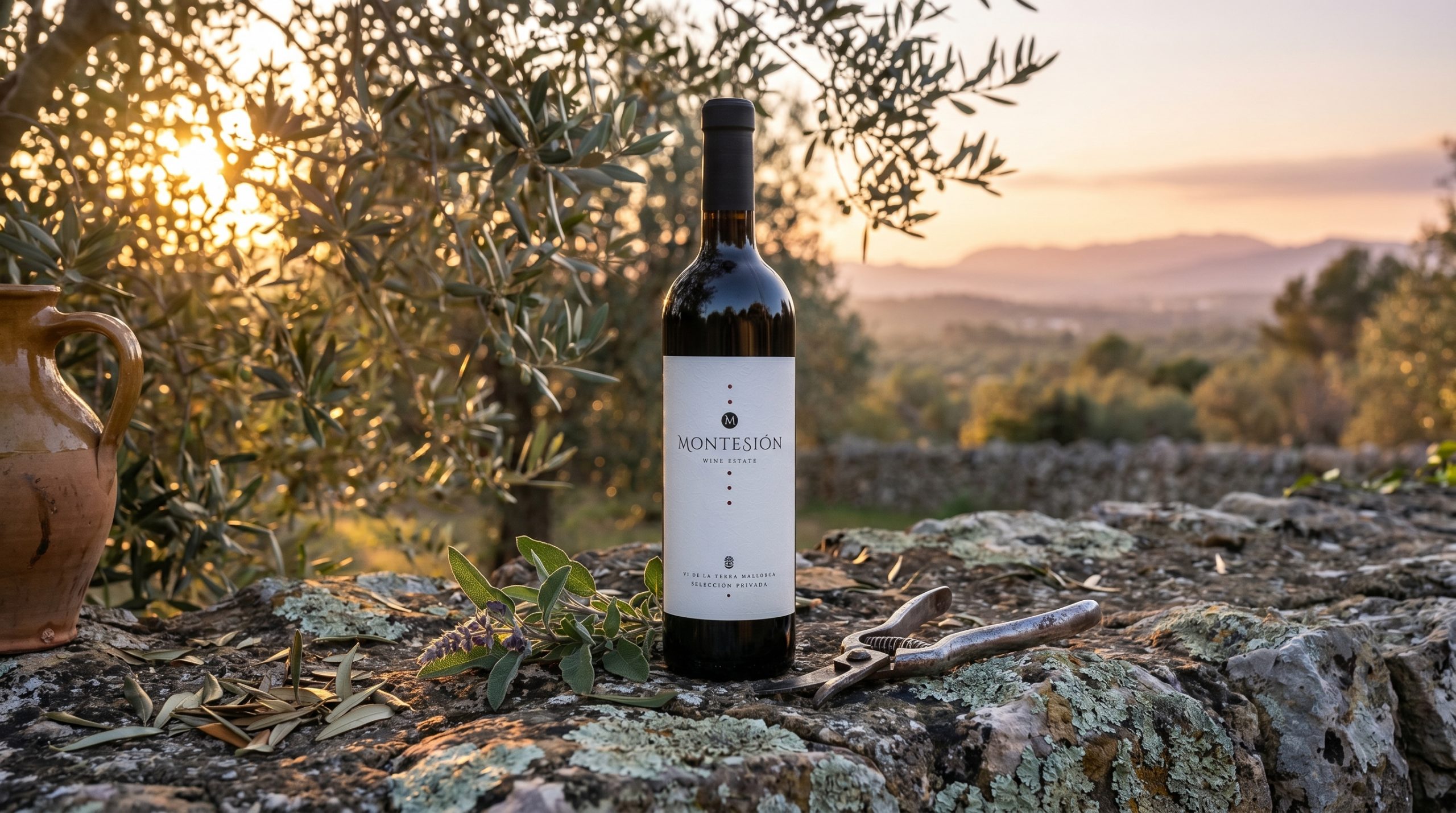
Without clear legal definitions, consumers must rely on recognized global certifications to ensure true authenticity and quality. Many buyers seek out natural wine benefits, such as lower sulfites and spontaneous yeast fermentations. Fortunately, Demeter protocols mandate these exact same benefits while adding a crucial layer of professional oversight. For instance, the Montesión Callet Limited Edition 2007 demonstrates how certified biodynamic practices coax extraordinary depth from indigenous grape varieties. This meticulous, audited approach preserves the authentic, unmanipulated character of the local terroir.
Relying on established certifications effectively eliminates the guesswork from everyday purchasing decisions. Furthermore, audited labels actively protect the integrity of the entire sustainable beverage movement. When producers willingly submit to external scrutiny, they build genuine, lasting trust with their audience. Indeed, clear labeling laws and strict independent certifications remain the only effective weapons against misleading marketing in the Balearic Islands wine sector, a mission central to the work at Montesion Wine Estate.
Verifiable Ethics Over Unregulated Philosophies
The romantic appeal of unregulated winemaking ultimately falls short of urgent modern environmental demands. While the natural movement sparked an essential global conversation about farming practices, it lacks the necessary framework to guarantee accountability. Conversely, the incredibly strict protocols of Demeter certification provide a verifiable roadmap for true ecological regeneration. These audited standards ensure that dedicated vineyards actively heal the planet while consistently producing exceptional vintages.
Furthermore, true agricultural sustainability requires radical transparency, unwavering consistency, and measurable daily action. Relying purely on an unwritten honor system leaves both the consumer and the environment vulnerable to exploitation. Certified biodynamic agriculture effectively eliminates this uncertainty through rigorous annual inspections and uncompromising operational rules.
The positive evolution of global viticulture depends entirely on producers willing to submit to strict external oversight. When educated drinkers choose certified bottles, they actively fund a much healthier agricultural future. Ultimately, verified ethical farming always triumphs over clever marketing trends.
Frequently Asked Questions
What is the main difference between biodynamic wine vs natural wine?
The primary difference lies entirely in formal regulation and mandatory oversight. Natural wine operates as an unregulated philosophy without legal definitions or mandatory agricultural inspections. Conversely, biodynamic wine requires strict, third-party audits from recognized international organizations like Demeter. Therefore, certified bottles guarantee strict adherence to specific ecological standards, whereas natural labels rely on an unverified honor system.
What is Demeter certified wine and why is it important?
Demeter certified wine comes from dedicated vineyards that strictly follow international biodynamic agricultural standards. These uncompromising rules mandate closed-loop farming, specific compost preparations, and the careful integration of livestock. This certification remains crucial because it provides verifiable proof that no synthetic chemicals were used. Furthermore, it ensures the estate actively regenerates soil health and promotes biodiversity.
Are there specific wine labeling laws Spain enforces for natural wine?
Currently, Spanish and European regulatory authorities do not legally define or monitor the term natural wine. While strict wine labeling laws Spain govern official organic and biodynamic certifications, the natural category remains unregulated. As a result, any producer can market their product as natural without facing governmental scrutiny. This complete lack of oversight makes recognized certifications essential for consumer protection.
Does certified Mallorca wine offer the same natural wine benefits?
Yes, certified biodynamic estates in Mallorca consistently deliver all the perceived natural wine benefits, such as indigenous yeast fermentation and minimal sulfites. However, they achieve these excellent results under incredibly strict quality control protocols. Consequently, consumers enjoy pure, unmanipulated flavor profiles without the severe bacterial faults often found in unregulated bottles.
