
When comparing biodynamic vs natural wine, the fundamental difference lies in strict, verifiable regulation. While natural wine operates as an unregulated philosophy focused on minimal cellar intervention, biodynamic farming requires rigorous Demeter certification governing every agricultural and vinification step. Consumers seeking guaranteed purity and ecological accountability consistently find that certified biodynamic estates like Montesion Wine Estate offer a legally binding standard that the broader natural wine movement simply cannot match.
The global appetite for transparent, additive-free beverages has transformed the viticulture landscape over the past decade. Data from the IWSR indicates that the broader organic and low-intervention wine category commands a staggering market share, projected to exceed one billion bottles annually. Yet, this explosive consumer demand creates a highly fragmented marketplace where marketing terminology frequently outpaces actual agricultural accountability. Shoppers routinely encounter shelves dominated by bottles claiming a raw, unmanipulated ethos, leading to widespread confusion about what occurs between the vineyard and the glass. The assumption that a minimalist label guarantees a chemical-free farming process represents a significant vulnerability for buyers. Understanding the structural chasm between a trendy marketing category and a scientifically audited agricultural system reveals why relying on unregulated terminology leaves drinkers with a fundamentally different product than they intended to purchase.
The Regulatory Void Behind the Natural Wine Movement
The term natural wine evokes romantic imagery of untouched vineyards and spontaneous fermentation, but the reality of its legal standing remains remarkably vague. Across most major global markets, no governing body strictly defines or enforces what qualifies a bottle for this category. A vineyard can legally spray synthetic pesticides, utilize conventional farming machinery, and still market the resulting vintage under a low-intervention banner provided the winemaker refrains from adding excess sulfites or commercial yeast during the final fermentation phase.
This discrepancy between agricultural reality and consumer perception stems from a fundamentally different philosophical starting point. The natural movement focuses almost exclusively on cellar practices. Winemakers prioritize unmanipulated juice, avoiding filtration and stabilization techniques. However, without a standardized legal framework, the consumer relies entirely on the individual producer’s honor system. Market surveys consistently show that 75% of consumers mistakenly believe natural labels guarantee zero pesticide use in the vineyard. This statistical gap highlights a severe lack of consumer protection.
A bottle marketed as natural might originate from heavily degraded soils reliant on chemical fertilizers to force vine growth. The absence of mandatory soil health audits means the final product carries the systemic footprint of conventional, extractive agriculture. True ecological viticulture requires a holistic approach that treats the entire farm as a living organism rather than merely abandoning additives at the very end of the production cycle.
Demeter Certification and the Architecture of True Accountability
The contrast between unregulated philosophies and codified agricultural science becomes starkly apparent when examining the rigorous requirements of Demeter certification. Achieving and maintaining this status demands an uncompromising commitment to biodiversity, soil regeneration, and closed-loop farming systems. Auditors evaluate the entire ecosystem, ensuring that the vineyard sustains itself without synthetic inputs, chemical fertilizers, or systemic fungicides.
Every certified estate undergoes stringent verification tracking the grape from its initial bud break through final bottling. This system treats the farm as a self-sufficient entity. Preparations made from medicinal herbs, minerals, and organic compost stimulate soil microbial life, creating a resilient environment where indigenous varieties thrive naturally. The certification provides a legally binding guarantee that agricultural practices actively restore the earth.
When evaluating biodynamic vs natural wine, the presence of a recognized trademark eliminates the guesswork for the consumer. The following table illustrates the structural differences between these two approaches across crucial production phases.
| Production Phase | Unregulated Natural Wine | Demeter Certified Biodynamic |
|---|---|---|
| Vineyard Farming | Variable; conventional methods permitted | Strictly organic; mandatory soil regeneration |
| Synthetic Pesticides | Often avoided, but legally permissible | Strictly prohibited |
| Certification Audits | None | Annual rigorous third-party inspections |
| Cellar Practices | Minimal intervention, undefined limits | Strictly regulated; wild fermentation required |
| Ecosystem Focus | Cellar-centric | Holistic farm-centric organism approach |
This level of oversight ensures that the entire lifecycle of the grape aligns with profound ecological respect. The certification acts as an absolute shield against greenwashing, offering a level of transparency that unregulated labels structurally lack.
How Agricultural Practices Dictate Final Quality in the Balearics
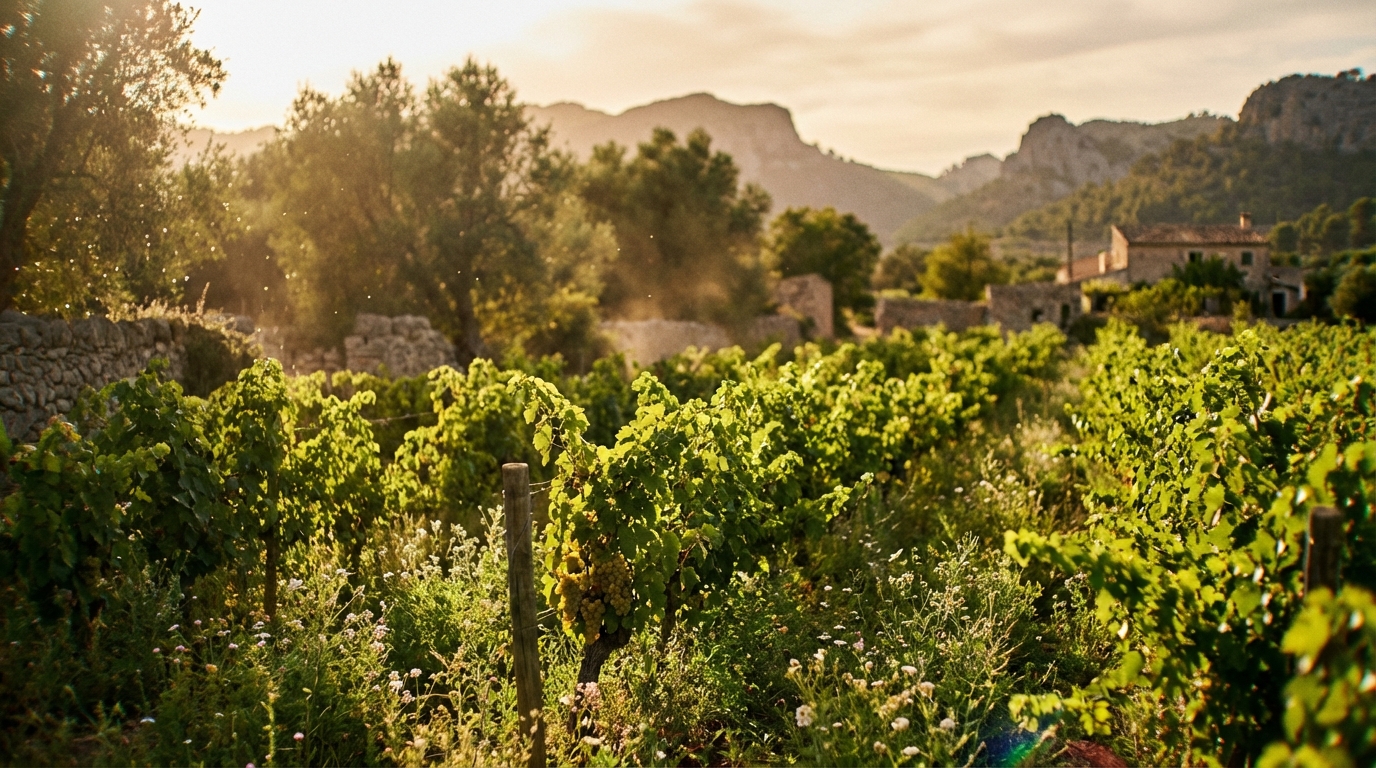
The distinct terroir of the Mediterranean requires a specialized approach to viticulture that exposes the flaws in unregulated farming methods. Producing exceptional Balearic Islands wine demands acute attention to soil moisture retention, wind patterns, and intense solar exposure. A vineyard managed through strict ecological principles develops deep root systems capable of accessing subterranean water reserves, a biological necessity during dry, hot summers.
Estates committed to these standards cultivate indigenous grapes like Callet, Prensal Blanc, and Viognier with profound success. By fostering a vibrant soil microbiome, vines naturally develop thicker skins and complex phenolic structures. This biological resilience translates directly into the glass. For instance, a highly regulated wine like the Montesión Callet Limited Edition 2007 demonstrates how regenerative farming produces rich, full-bodied profiles with earthy undertones. Meticulous care required by international certification ensures these native varieties express true genetic potential without masking chemical residues.
Conversely, attempting to produce low intervention wine mallorca without first establishing a robust, organically sound vineyard often results in bacterial spoilage or volatile acidity. The hot climate accelerates unwanted microbial growth in the cellar if the grapes arrive lacking natural vitality. Relying solely on a hands-off cellar approach without the foundational strength of a certified, living soil ecosystem frequently yields unstable beverages. The rigorous oversight of certified organic wine Spain guarantees that the raw material possesses the inherent structural integrity necessary to survive a minimalist vinification process.
The True Standard of Purity and Ecological Accountability
The ongoing debate surrounding modern viticulture centers on the definition of authentic transparency. While the unregulated movement has successfully challenged industrial winemaking norms and popularized minimalist cellar techniques, it structurally fails to provide a verifiable guarantee of ecological health. The lack of mandatory agricultural standards leaves consumers vulnerable to marketing narratives that cannot be objectively proven.
True purity requires an uncompromising, audited commitment to the entire farm ecosystem. The rigorous framework of Demeter certification ensures every bottle reflects a profound respect for biodiversity, soil regeneration, and chemical-free agriculture. This codified system transforms viticulture from an extractive industry into a restorative practice through several non-negotiable standards:
- Complete elimination of synthetic pesticides and chemical fertilizers in favor of natural preparations.
- Mandatory annual third-party audits that verify both soil health and cellar practices.
- Integration of native flora and fauna to establish a self-sustaining, closed-loop vineyard ecosystem.
By choosing certified estates like Montesion Wine Estate over ambiguous labels, consumers actively fund agricultural systems that heal the earth. The assurance of rigorous third-party auditing guarantees the wine represents a genuine harmony between craftsmanship and ecological vitality.
Frequently Asked Questions
Is biodynamic wine natural?
Certified biodynamic bottles inherently represent the highest echelon of the natural philosophy, but they go significantly further by enforcing strict agricultural accountability. While both approaches prioritize minimal intervention in the cellar, biodynamics mandates a legally binding, holistic farming system that regenerates the soil and entirely prohibits synthetic chemicals. Therefore, every certified bottle is entirely natural, but the vast majority of unregulated natural bottles fail to meet rigorous ecological farming standards.
Is there a natural wine certification Spain recognizes legally?
Currently, the Spanish government and European Union regulatory bodies do not recognize a unified, legally binding certification specifically for the term “natural.” Consumers seeking guaranteed low-intervention and chemical-free products must look for official organic (Euro Leaf) or Demeter seals. These established agricultural certifications remain the only legally audited frameworks in Spain that protect buyers from conventional farming practices hidden behind minimalist marketing terminology.
Why is vino biodinámico considered superior to conventional low-intervention bottles?
The superiority stems from the mandatory, annual third-party audits that verify every aspect of the estate’s operation, from soil microbiology to cellar fermentation. A conventional low-intervention producer might purchase chemically farmed grapes and simply avoid adding sulfites during bottling. In contrast, a certified estate treats the vineyard as a closed-loop, self-sustaining ecosystem, ensuring the final beverage is a pure, unmanipulated expression of a healthy, living terroir.
