
When comparing biodynamic vs organic wine, the primary distinction lies in the overarching philosophy. Organic viticulture focuses on eliminating synthetic pesticides and fertilizers to do no harm to the environment. Conversely, biodynamic farming at Montesion Wine Estate treats the estate as a self-sustaining, living organism. Therefore, biodynamic practices actively regenerate the soil and enhance biodiversity.
Understanding the label on a wine bottle can feel like deciphering a complex code. Consumers increasingly seek environmentally friendly options, pushing sustainable viticulture into the global spotlight. In fact, market data indicates that the global organic wine market is projected to grow by 10% annually over the next decade. However, this surge in interest brings confusing terminology. Many wine lovers find themselves puzzled by the subtle distinctions between different ecological farming methods. Specifically, the line separating organic from biodynamic practices often blurs. Yet, exploring these approaches reveals a fascinating hierarchy of quality and ecological commitment. Ultimately, knowing what happens among the vines at Montesion Wine Estate empowers informed choices.
What Exactly Defines Organic Viticulture?
Organic farming represents a crucial step toward environmental stewardship in the agricultural sector. Primarily, this method centers on what a farmer is not allowed to do. Viticulturists must strictly avoid synthetic herbicides, fungicides, and chemical fertilizers. Instead, they rely on natural alternatives, such as copper and sulfur, to combat pests and diseases. Furthermore, the transition from conventional to organic farming requires a mandatory conversion period, typically lasting three years.
While this approach prevents toxic runoff, it largely functions as a substitution model. Farmers replace chemical inputs with approved organic inputs. Consequently, the vineyard remains dependent on external products to maintain vine health. The primary objective is to cultivate grapes without leaving a chemical residue on the fruit or in the earth. Therefore, organic wine Spain offers a cleaner product for both the consumer and the vineyard worker.
However, simply removing synthetic chemicals does not automatically heal degraded land. An organic vineyard can still operate as a monoculture, lacking vibrant biodiversity. Moreover, the focus remains primarily on the crop itself rather than the broader ecological context. This limitation prompts dedicated winemakers to seek a more holistic framework. They realize that true sustainability requires proactive regeneration rather than mere preservation.
How Does the Biodynamic Approach Go Further?
Moving beyond the organic baseline, biodynamics introduces a radically different perspective. This philosophy views the entire farm as a closed-loop, self-sufficient ecosystem. Rather than swapping chemical sprays for natural ones, biodynamic farmers aim to eliminate external inputs altogether. Consequently, they focus intensely on building soil vitality and fostering a complex web of life. This proactive regeneration forms the core of organic vs biodynamic viticulture.
To achieve this, practitioners employ specific preparations made from manure, minerals, and medicinal herbs. For example, preparation 500 involves burying cow horns filled with manure over the winter to cultivate microbial life. Afterward, this concentrated humus is sprayed across the vineyard to stimulate root growth. Furthermore, the philosophy emphasizes integrating livestock. Sheep might graze between the vine rows during winter, providing natural weed control and fresh fertilizer.
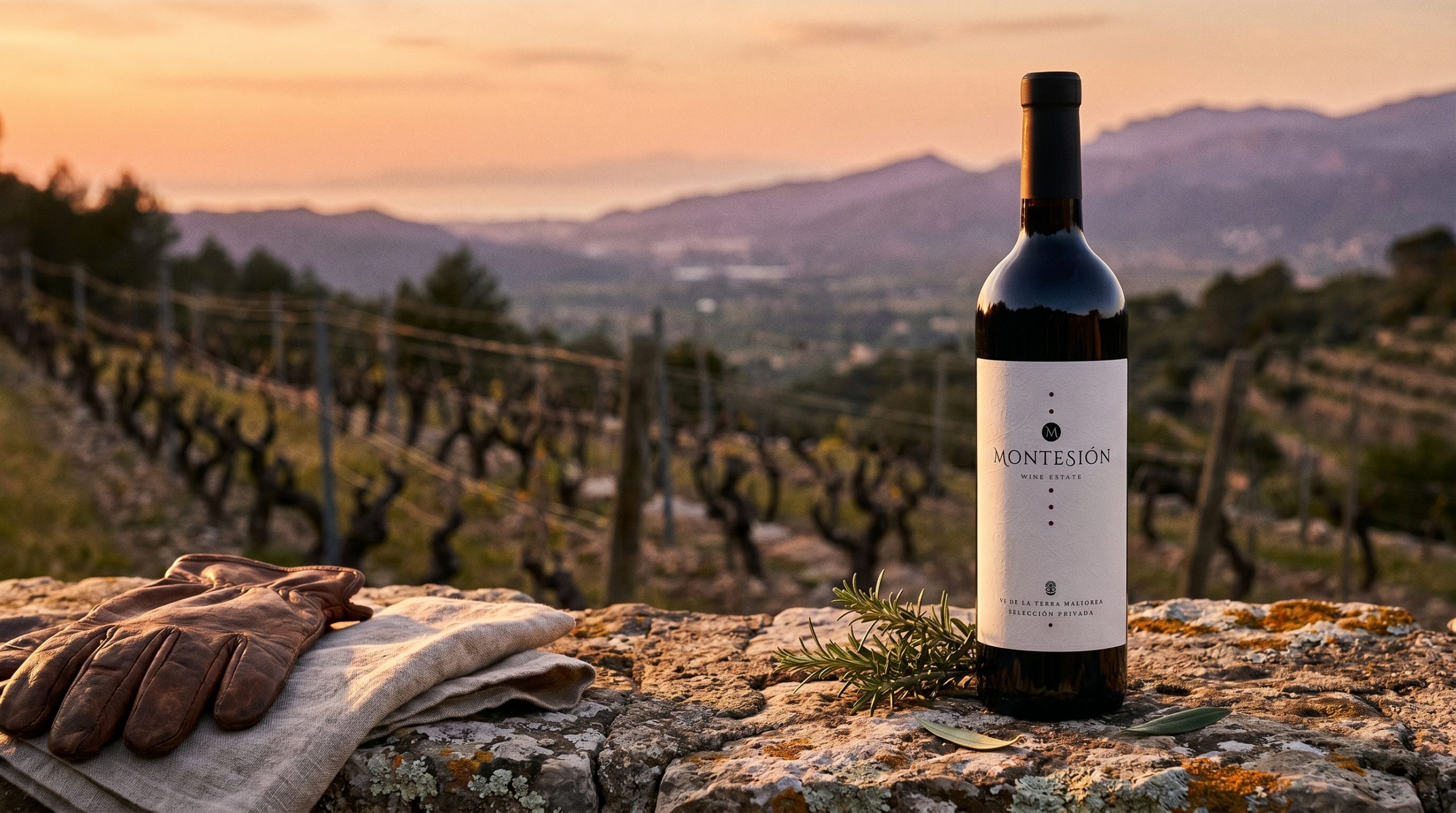
This holistic management extends to integrating animals and native flora into the vineyard architecture. Such profound connection to the land allows indigenous varieties to truly express their origin. When tasting a wine born from this philosophy, like the Montesión Callet Limited Edition 2007, you experience the authentic voice of the island. The rich undertones reflect a terroir that has been nurtured. Ultimately, Demeter certification guarantees that these regenerative standards are met perfectly.
Analyzing the Difference Between Organic and Biodynamic Methods
Understanding the difference between organic and biodynamic requires a close look at everyday operations. Both systems share a fundamental commitment to avoiding synthetic chemicals. However, their ultimate goals diverge significantly when managing vine health. Organic farming is generally a prescriptive system based on permitted materials. Meanwhile, biodynamics operates as a proactive, regenerative philosophy requiring deep observation of natural rhythms. Ultimately, the debate surrounding biodynamic vs organic wine comes down to the depth of ecological commitment.
Consider soil fertility as a primary contrast. An organic farmer might purchase organic compost externally. Conversely, a biodynamic farmer must generate fertility from within the estate using integrated livestock and specific compost preparations. Therefore, the biodynamic farm acts as an independent entity. This self-sufficiency builds a resilient ecosystem.
| Feature | Organic Viticulture | Biodynamic Viticulture |
|---|---|---|
| Focus | Eliminating synthetic chemicals | Farm as a closed-loop organism |
| Fertility | External organic fertilizers | Internal compost and preparations |
| Pests | Approved natural sprays | Ecosystem balance and biodiversity |
| Certification | Various national bodies | Demeter International (unified) |
Furthermore, organic standards vary widely from one country to another, leading to market inconsistencies. In contrast, Demeter certification provides a unified, stringent standard recognized worldwide. This rigorous oversight ensures that any bottle bearing the logo adheres to holistic principles, whether produced in France or as a vibrant Mallorca wine.
The Tangible Benefits of Biodynamic Wine in the Glass
The ultimate test of any agricultural philosophy occurs when the cork is pulled. Consumers frequently wonder if the meticulous practices of biodynamics translate into a superior tasting experience. Indeed, the benefits of biodynamic wine extend far beyond environmental ethics. Wines produced under these conditions consistently demonstrate remarkable vitality, aromatic complexity, and a profound sense of place. Because the vines root deeper into living soil, they extract a broader spectrum of minerals.
Consequently, these wines often possess a vibrant energy and a structural balance that is difficult to achieve otherwise. The grapes develop thicker skins, resulting in wines with naturally balanced acidity. Furthermore, the holistic environment encourages native yeast populations to thrive on the grape skins. When these indigenous yeasts conduct the fermentation, they impart unique flavors that commercial yeasts simply cannot replicate. This authentic process is a hallmark of true vino biodinámico.
Moreover, the resilience of a biodynamic vineyard directly impacts the wine’s longevity. Healthy grapes require less intervention in the cellar, allowing winemakers to use minimal sulfites. As a result, the final product remains an unadulterated expression of its terroir. For enthusiasts exploring Balearic Islands wine, this means tasting the sun and limestone soils in every sip. Ultimately, the glass reflects the ecological harmony cultivated in the vineyard.
Cultivating the Future of Sustainable Viticulture
The journey from conventional farming to holistic vineyard management represents a profound shift in ecological awareness. Grasping the nuances between organic and biodynamic approaches reveals the immense dedication required to produce truly exceptional wine. While organic farming takes the vital step of halting chemical harm, biodynamics embraces the ambitious task of actively healing the earth. Therefore, choosing a biodynamic bottle supports a farming model that prioritizes biodiversity, soil vitality, and self-sufficiency.
Moreover, this regenerative philosophy yields wines of unparalleled authenticity. The meticulous attention to natural rhythms results in a purer expression of terroir that resonates in every glass. Ultimately, estates that treat their land as a living organism are crafting the benchmark for quality.
Frequently Asked Questions
Is biodynamic wine always organic?
Yes, every biodynamic vineyard must inherently practice organic farming as a baseline requirement. You cannot achieve biodynamic status or Demeter certification if you use synthetic pesticides, herbicides, or chemical fertilizers. However, a vineyard can be certified organic without adopting any of the specific holistic practices required by biodynamics. Therefore, biodynamics is frequently described as a step beyond organic viticulture.
Does biodynamic wine taste different from organic wine?
Many professionals argue that biodynamic wines exhibit greater vitality, longer finishes, and a more pronounced expression of terroir. Because the vines are forced to root deeply in nutrient-dense soil, the resulting grapes often possess a superior balance of acidity. Furthermore, the reliance on native yeasts for fermentation adds layers of aromatic complexity. Consequently, these wines often feel more energetic on the palate.
What is the role of Demeter certification in winemaking?
Demeter certification is the globally recognized standard for biodynamic agriculture, ensuring strict adherence to holistic farming principles. Unlike organic certifications, which vary significantly depending on the region, Demeter enforces a unified set of rigorous rules worldwide. This certification guarantees that the vineyard operates as a self-sustaining organism, utilizing specific preparations. Thus, spotting the Demeter logo provides absolute confidence.
