

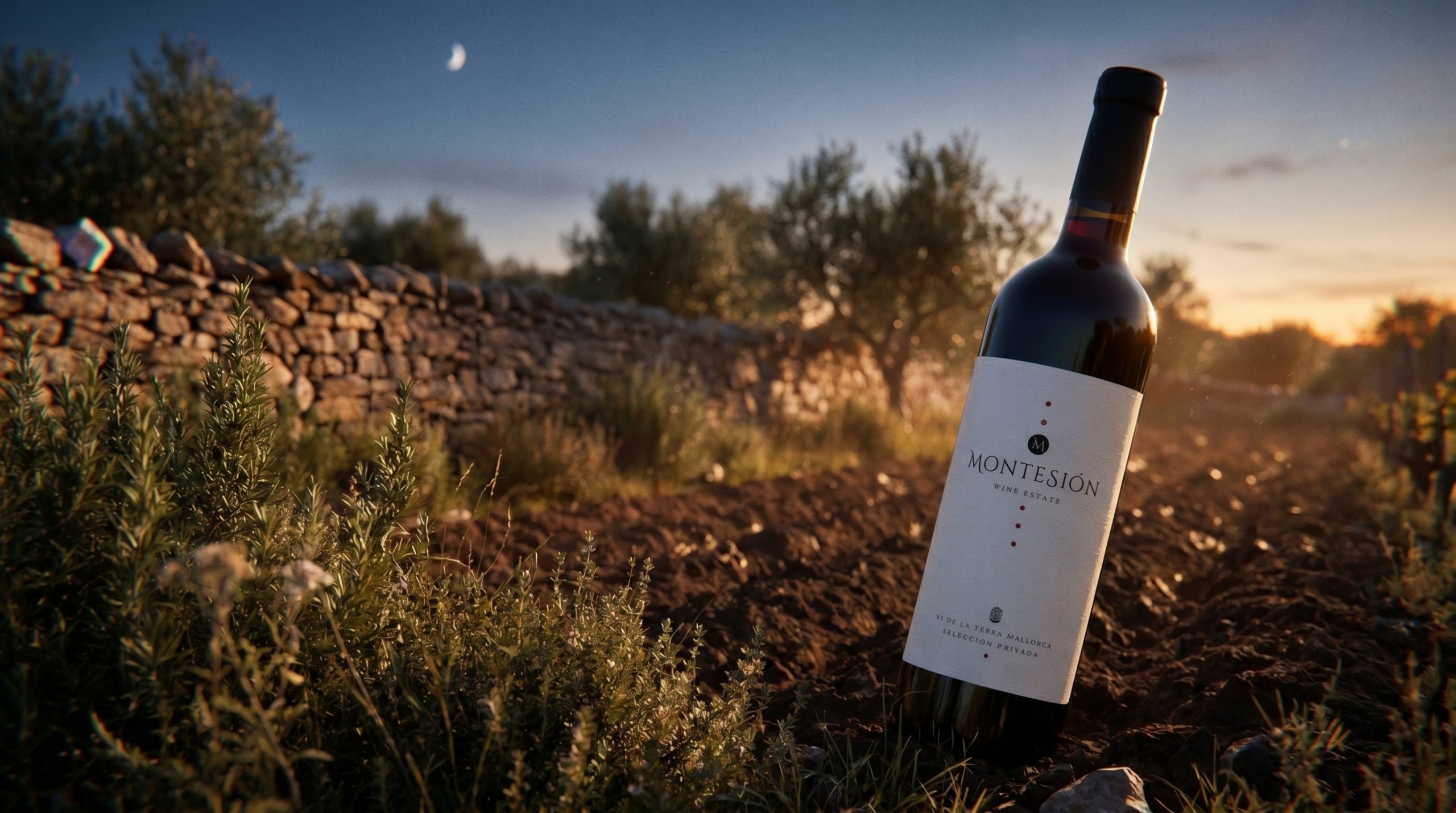
The massive surge in biodynamic wine production across the Balearic Islands reflects a profound, necessary shift toward resilient, holistic agriculture. Local vineyards, such as Montesion Wine Estate, are increasingly adopting precise astronomical calendars and natural homeopathic preparations to rapidly restore soil vitality. Therefore, this growing movement directly answers an exploding consumer demand for authentic, unmanipulated vintages that truly express their unique Mediterranean terroir.
Recent reports from April 2026 highlight an undeniable agricultural transformation occurring across the Mediterranean archipelago. Specifically, holistic farming practices are rapidly moving into the absolute mainstream of regional viticulture. While some traditionalists initially view these methods with skepticism, the undeniable results in the vineyard tell a compelling story of ecological recovery. Furthermore, increasingly extreme weather patterns have forced modern cultivators to completely rethink their conventional chemical reliance. As a result, forward-thinking estates are successfully reviving century-old techniques to build lasting resilience within their fragile crops. You will discover exactly how subtle lunar cycles directly influence vine health and why homeopathic soil treatments are gaining unprecedented traction today. Additionally, we deeply explore the underlying market dynamics pushing local producers toward rigorous ecological standards. Ultimately, this massive shift represents much more than a fleeting consumer trend. Instead, it marks a fundamental reimagining of exactly how humans interact with the land to produce truly exceptional vintages.
Why is Biodynamic Agriculture Expanding Across the Balearic Islands?
The landscape of island viticulture is undergoing a radical transformation. Indeed, recent regional data indicates a sharp increase in estates pursuing rigorous ecological frameworks. Biodynamic agriculture Balearic Islands initiatives have grown significantly over the past five years. Consequently, this expansion directly challenges the industrial farming models of the late twentieth century. Wineries are no longer satisfied with merely eliminating synthetic pesticides. Instead, they actively seek comprehensive systems that regenerate the entire farm ecosystem.
For instance, producers integrate livestock, cover crops, and native flora to create a self-sustaining agricultural loop. This closed-loop philosophy drastically reduces the need for external chemical fertilizers. Moreover, the resulting biodiversity naturally controls pests and enhances microbial life within the topsoil. Market statistics from early 2026 reveal that consumer preference heavily influences this rapid transition. Specifically, demand for organic wine Spain categories has surged by over fifteen percent annually.
Local producers recognize that their long-term survival depends on adapting to these educated consumer expectations. Therefore, adopting holistic farming is both an absolute ecological necessity and a highly strategic business decision. The Mediterranean climate, with its dry summers, provides an ideal testing ground for these regenerative techniques. Ultimately, the islands are rapidly positioning themselves as a premier global destination for wine sustainability.
How Do Astronomical Calendars Improve Soil Health Mechanics?
Many observers initially question the exact role of celestial movements in modern commercial farming. However, the precise application of astronomical calendars relies on observable physical phenomena rather than mere agricultural mysticism. Just as lunar phases demonstrably control global ocean tides, these same gravitational forces subtly influence the movement of water within plant tissues. Consequently, cultivators meticulously time their pruning, planting, and harvesting schedules to align perfectly with optimal sap flow.
During a descending moon, sap naturally concentrates deep within the root system. Therefore, this specific period becomes ideal for applying nutrient-rich composts and establishing new vines. Conversely, an ascending moon draws vital energy upward into the leafy canopy. As a result, vineyard managers often schedule their harvesting operations during these windows to capture maximum aromatic intensity. Furthermore, practitioners utilize highly specialized homeopathic preparations to rapidly stimulate soil biology.
These natural treatments involve fermented herbs, crushed minerals, and animal manures applied in minute, potent doses. For example, horn manure spray acts as a powerful soil conditioner that actively encourages deep root penetration. Additionally, finely ground silica preparations significantly enhance light metabolism within the vine leaves, thereby boosting overall photosynthesis. While conventional science sometimes questions these mechanisms, the tangible improvements in soil structure remain undeniable. Ultimately, these meticulous daily practices foster robust vines that naturally resist disease.
Are Consumer Demands Pushing Mallorca Wineries Toward Demeter?
The complex transition toward ecological farming requires immense daily dedication and strict third-party verification. Currently, Demeter Spain serves as the ultimate independent authority for certifying these rigorous agricultural practices. Achieving this coveted status demands a complete overhaul of conventional vineyard management techniques. Yet, numerous ambitious Mallorca wineries willingly embrace these stringent requirements to definitively validate their environmental commitment.
Modern wine enthusiasts actively seek out bottles that reflect genuine stewardship of the land. They demand total transparency, historical authenticity, and a clear departure from heavily manipulated commercial beverages. Consequently, the global market for natural wine continues to expand rapidly across retail sectors. This highly educated demographic fundamentally understands that healthy, living soil directly translates to superior flavor profiles. Furthermore, they are entirely willing to pay a premium for products that actively support environmental regeneration.
This undeniable connection to the terroir becomes immediately evident when experiencing indigenous grape varieties cultivated under holistic conditions. For instance, the Montesión Callet Limited Edition 2007 perfectly demonstrates how meticulous vineyard practices dramatically elevate native grapes. The rich, full-bodied profile and earthy undertones emerge directly from a beautifully balanced ecosystem. Indeed, tasting such an exceptional vintage reveals the profound impact of working in perfect harmony with nature. Ultimately, the rigorous certification process ensures that every single bottle delivers uncompromising quality.
| Viticulture Approach | Soil Management | Pest Control | Certification |
|---|---|---|---|
| Conventional | Synthetic fertilizers | Chemical pesticides | None required |
| Organic | Natural compost | Biological controls | EU Organic |
| Biodynamic | Homeopathic preparations | Ecosystem balance | Demeter |
Cultivating Resilience Through Ancient Wisdom
The rapid adoption of holistic farming across the archipelago signals a permanent shift in agricultural priorities. First, the careful integration of astronomical calendars and natural preparations demonstrably improves underlying soil vitality. Consequently, vines develop substantially deeper root systems that effortlessly withstand prolonged Mediterranean droughts. Second, the strict standards enforced by Demeter certification provide modern consumers with unparalleled supply chain transparency. Therefore, educated buyers can confidently support dedicated estates that actively regenerate vulnerable local ecosystems.
Furthermore, this growing movement significantly elevates the global reputation of Balearic Islands wine on the international stage. By consistently prioritizing ecological health over maximum crop yield, producers craft exceptional vintages with extraordinary depth and character. Indeed, the resulting flavor profiles offer a pure expression of the island’s unique terroir. Ultimately, fully embracing these regenerative practices ensures the long-term survival of local viticulture. Montesion Wine Estate remains deeply committed to this philosophy, nurturing indigenous varieties through uncompromising ecological stewardship. This unwavering dedication guarantees that future generations will experience the authentic taste of our living soils.
Frequently Asked Questions
What exactly is biodynamic wine?
Biodynamic wine originates from specialized vineyards that function as entirely self-sustaining, closed-loop natural ecosystems. Farmers eliminate all synthetic chemicals and instead rely heavily on natural composts, herbal preparations, and precise astronomical calendars. Consequently, this holistic approach fosters immense soil biodiversity and produces robust vines naturally resilient against common disease. Ultimately, the resulting premium vintages offer a pure, completely unmanipulated expression of their geographical origin.
How does Demeter certification work in Spain?
Demeter certification represents the highest global standard for regenerative agriculture and verifiable ecological farming. In Spain, ambitious estates must first achieve basic organic certification before undergoing a rigorous transition period to meet Demeter’s strict guidelines. Independent inspectors thoroughly evaluate everything from soil health and biodiversity to ethical labor practices. Therefore, carrying this prestigious label guarantees that a commercial vineyard operates in complete harmony with its natural environment.
Why are Mallorca wineries adopting holistic farming?
Wineries across the island face constantly increasing challenges from unpredictable weather patterns and prolonged Mediterranean droughts. Adopting holistic farming techniques actively creates healthier, highly porous soils that retain vital water significantly better than chemically treated land. Furthermore, there is a massive surge in global consumer demand for authentic, sustainably produced premium beverages. As a result, local producers eagerly embrace these traditional methods to ensure ecological survival.
