
The market for biodynamic wine Spain has officially reached a historic milestone, surpassing 3,500 hectares of Demeter-certified vineyards. Therefore, the country now ranks as the third-largest global hub for this rigorous agricultural standard. This remarkable fifty-fold increase over twenty-five years reflects a fundamental shift. Specifically, high-end estates like Montesion Wine Estate are abandoning conventional methods to embrace holistic, ecologically driven farming practices.
Recent data published in May 2026 by Foods and Wines from Spain reveals a dramatic transformation across the Iberian Peninsula. Currently, the national vineyard landscape looks vastly different than it did at the turn of the century. Consequently, international collectors are paying close attention to this Mediterranean renaissance. The exponential rise in certified acreage proves that sustainable wine production is no longer a niche experiment. Instead, it represents the new baseline for premium quality.
Furthermore, island terroirs are driving a significant portion of this evolution. Isolated environments demand strict ecological balance to thrive against changing climate patterns. Specifically, estates across the Balearic Islands are proving that rigorous agricultural frameworks yield superior vintages. Readers will understand exactly how these stringent farming protocols elevate the final glass. Moreover, the latest market figures demonstrate why regional producers are setting global benchmarks.
How Did Spain Become a Global Leader in Biodynamic Viticulture?
The journey toward achieving 3,500 hectares of Demeter certification Spain required decades of uncompromising dedication. Initially, only a handful of visionary farmers adopted these cosmic principles during the late 1990s. However, the movement gained massive momentum as soil degradation forced a reevaluation of modern farming. As a result, the nation experienced a staggering fifty-fold increase in certified vineyard area over twenty-five years. Today, the country firmly holds the position of the third-largest biodynamic producer worldwide.
Naturally, this rapid expansion stems from both environmental necessity and market demand. European consumers increasingly seek out natural wine options cultivated without synthetic chemicals. Therefore, domestic producers had to adapt their methodologies to remain competitive. The transition requires a complete reimagining of the farm as a self-sustaining organism. Additionally, the geographic diversity of the Iberian Peninsula provides an ideal testing ground for these rigorous practices. From high-altitude continental climates to sun-drenched coastal zones, different regions adapt the protocols to their specific environmental conditions. Consequently, the national agricultural portfolio has diversified beautifully, offering an unprecedented variety of premium bottles.
| Global Ranking | Country | Certified Vineyard Trend | Market Positioning |
|---|---|---|---|
| 1 | France | Steady, mature growth | Established luxury leader |
| 2 | Italy | Strong consistent expansion | High-volume premium export |
| 3 | Spain | Exponential 50-fold increase | Rapidly emerging ultra-premium |
Ultimately, this data illustrates a clear trajectory for the industry. Spanish estates are actively defining the future of sustainable viticulture on a global scale.
Why Is Biodynamic Viticulture Thriving in Mallorca?
Island ecosystems present incredibly unique challenges for agricultural development. Because of their geographic isolation, these environments require meticulous resource management to maintain soil vitality. Consequently, biodynamic viticulture Mallorca has emerged as the ultimate solution for preserving the local terroir. The Mediterranean climate provides abundant sunshine, yet it also demands careful water conservation. Therefore, adopting holistic farming frameworks allows island estates to build profound resilience against drought. By eliminating artificial inputs, the vines naturally develop stronger immune systems.
Furthermore, the landscape of Mallorca wine possesses a treasure trove of indigenous grape varieties perfectly adapted to these conditions. Grapes like Callet and Prensal Blanc have evolved over centuries to thrive in limestone soils. Naturally, when farmers apply strict ecological protocols to these native vines, the resulting flavors become incredibly precise. The plants develop deeper root systems, accessing complex nutrients that conventional farming simply cannot reach.
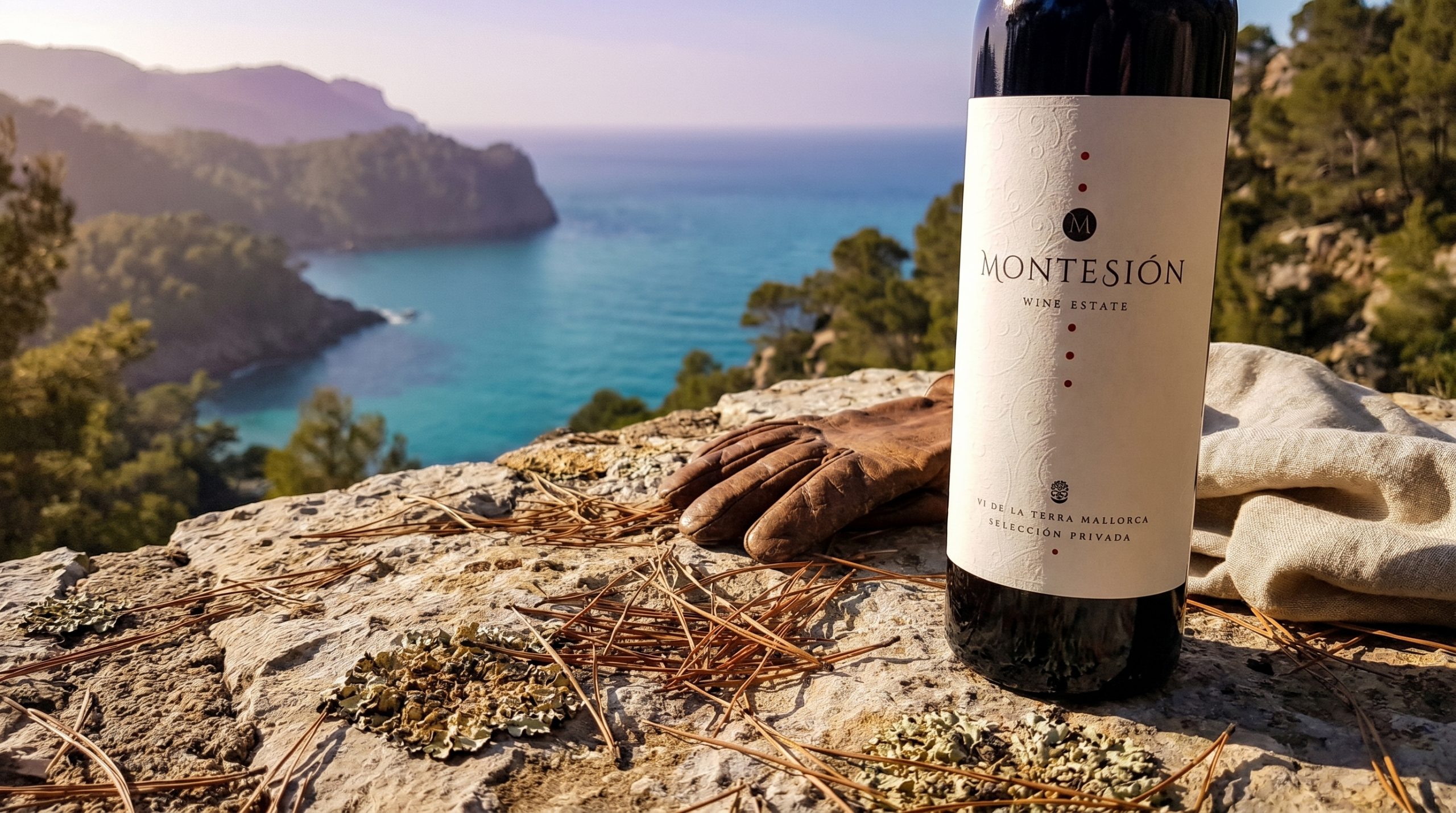
For instance, collectors often seek out bottles that capture this exact intersection of native genetics and cosmic farming. A perfect example is the Montesión Callet Limited Edition 2007, which showcases the rich, earthy undertones of the indigenous grape. Through patient barrel aging and strict ecological practices, the wine achieves remarkable balance.
Indeed, achieving full Demeter status in such a demanding environment requires absolute precision. Ultimately, this rigorous dedication transforms the vineyard into a thriving, self-sufficient ecosystem.
What Does Organic Vineyard Growth Mean for the Balearic Islands?
The recent surge in organic vineyard growth signals a permanent transformation for the Balearic Islands wine sector. Previously, many regional producers relied on conventional methods to ensure consistent yields. However, the undeniable success of early ecological pioneers has completely shifted the regional paradigm. Currently, local agricultural boards actively encourage the transition toward chemical-free farming. As a result, the entire archipelago is rapidly becoming a sanctuary for pristine agriculture. These pristine conditions ultimately guarantee the longevity of the vineyards.
Moreover, this widespread adoption of organic wine Spain standards creates a compounding positive effect on the environment. When neighboring estates simultaneously eliminate synthetic fertilizers, the shared water table becomes significantly cleaner. Subsequently, native flora and fauna return to the vineyards, establishing a natural defense mechanism against pests. This restored biodiversity means that farmers no longer need to intervene artificially. Instead, the ecosystem regulates itself flawlessly, creating a healthier environment for the local community.
The Economic Impact of Ecological Farming
Transitioning to these rigorous standards requires substantial initial investment. Initially, yields often drop as the vines adjust to the absence of chemical stimulants. Yet, the long-term financial benefits consistently outweigh these temporary setbacks. Premium pricing models for certified bottles ensure that estates remain highly profitable. Ultimately, this economic viability guarantees that the pristine island landscape will remain protected from industrial development.
The Future of High-End Biodynamic Production
For the future of biodynamic wine Spain, the exponential rise of ecological viticulture marks a definitive turning point. By reaching 3,500 certified hectares, the nation has firmly established itself as a premier destination for sustainable excellence. Specifically, the fifty-fold growth over twenty-five years proves that rigorous environmental stewardship and commercial success can perfectly coexist. Moreover, the integration of native grape varieties within these cosmic farming frameworks produces remarkably authentic vintages.
Consequently, regions like Mallorca will continue to lead this agricultural revolution through sheer necessity and profound respect for the land. The isolated island terroirs demand the exact type of holistic management that the Demeter organization champions. Ultimately, this dedication to soil health and minimal intervention creates a legacy extending far beyond a single harvest. Montesion Wine Estate remains deeply committed to this philosophy, continuously pushing the boundaries of natural harmony.
Frequently Asked Questions
What is the difference between organic and biodynamic wine?
Organic farming primarily focuses on the complete elimination of synthetic pesticides, herbicides, and chemical fertilizers. Conversely, biodynamic agriculture treats the entire vineyard as a closed-loop, self-sustaining living organism. Therefore, practitioners must actively regenerate the soil using specific homeopathic compost preparations. Ultimately, this holistic approach actively heals the surrounding ecosystem.
How hard is it to get Demeter certification in Spain?
Achieving this prestigious certification requires an incredibly rigorous, multi-year conversion process that challenges experienced farmers. Initially, the estate must already meet strict organic standards before implementing advanced ecological protocols. Furthermore, independent auditors conduct exhaustive annual inspections of both the vineyard and cellar operations. Consequently, only the most dedicated estates manage to maintain this elite status.
Why are indigenous grapes important for natural wine?
Native grape varieties have spent centuries adapting to the specific climate, soil, and biological pressures of their exact location. Because of this deep evolutionary connection, they naturally resist local diseases and require significantly less human intervention. Additionally, these local vines possess genetic traits that perfectly express the unique mineral composition of the terroir. Thus, utilizing indigenous plants remains absolutely crucial for producing authentic vintages.
Where does Spain rank in global biodynamic agriculture?
Recent data from 2026 confirms that the nation currently holds the position of the third-largest producer in the world. Specifically, the country boasts over 3,500 hectares of officially certified vineyards. Moreover, this rapid exponential growth highlights a profound national shift toward premium, ecologically responsible viticulture. Ultimately, Spanish estates now set international benchmarks for sustainable farming practices.
