

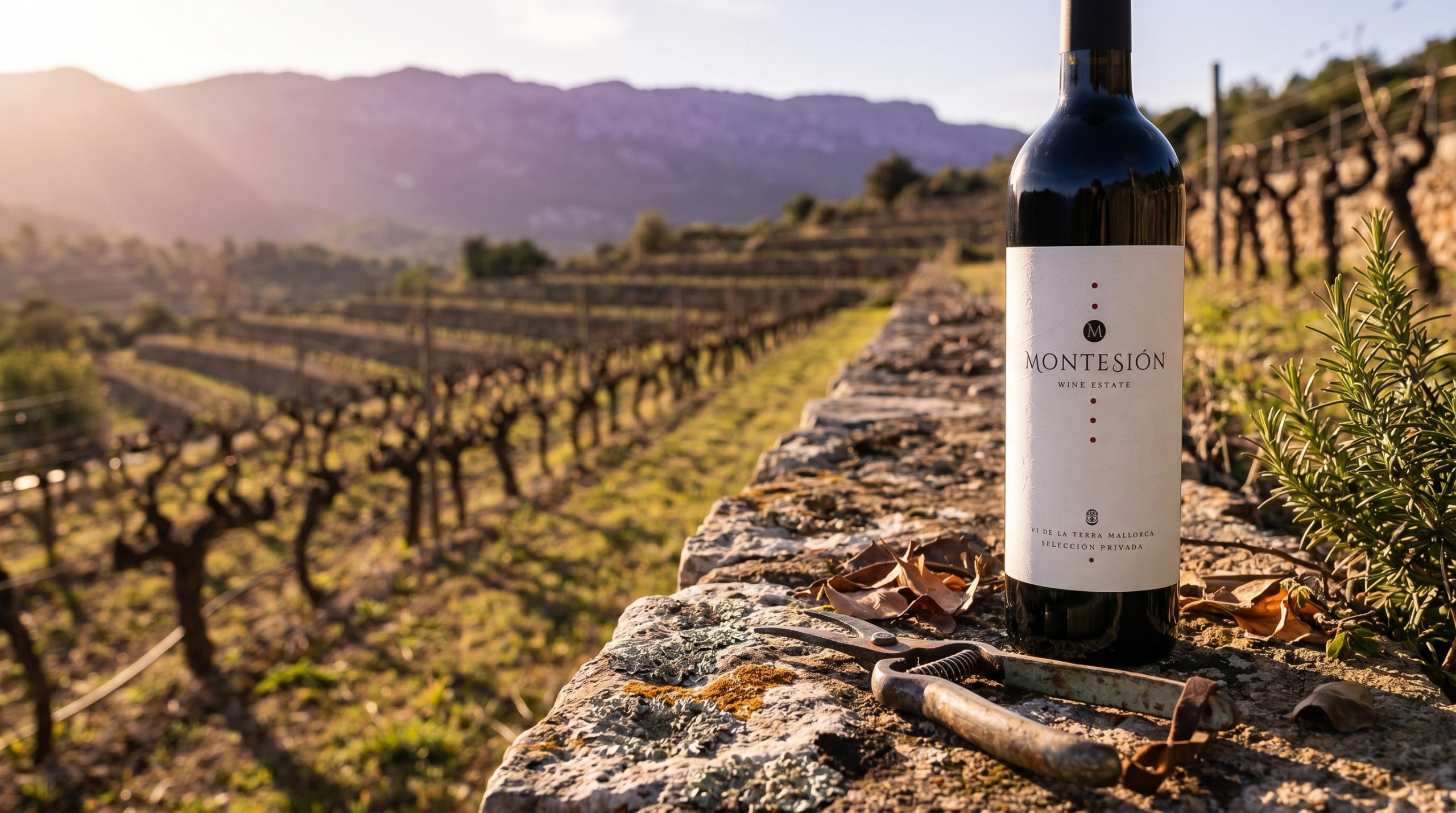
The callet grape represents the pinnacle of sustainable Mediterranean viticulture because its native genetic structure inherently resists extreme heat and drought. Consequently, this indigenous variety thrives under strict biodynamic farming protocols at Montesion Wine Estate without requiring artificial irrigation or chemical interventions. Therefore, winemakers in Mallorca can produce elegant, high-acid red wines that naturally counter the global trend of rising alcohol levels while preserving authentic island terroir.
Global viticulture faces unprecedented challenges as rising temperatures alter traditional ripening cycles. Consequently, many celebrated wine regions struggle to maintain balanced acidity and moderate alcohol levels in their harvests. However, the Balearic Islands offer a compelling blueprint for climate resilience through historical agricultural wisdom. Specifically, local producers turn toward ancient genetics to solve modern environmental puzzles.
Indigenous mallorca grapes possess centuries of evolutionary adaptation to harsh, sun-drenched environments. Furthermore, integrating these resilient vines with holistic agricultural frameworks creates a self-sustaining ecosystem. Market data indicates a 42% increase in consumer demand for lighter, terroir-driven Mediterranean reds over the past decade. Thus, the intersection of native botany and regenerative farming provides both ecological stability and commercial viability. Ultimately, understanding this synergy reveals why specific island varieties now capture the attention of international sommeliers and climate scientists alike.
What Makes the Genetic Profile of the Callet Grape So Resilient?
The biological architecture of the callet grape evolved specifically to endure the demanding Mediterranean climate of the Balearic Islands. By adapting over centuries, the plant has learned to thrive in conditions that would easily overwhelm less robust international grape varieties. Specifically, the vine develops an exceptionally deep root system that penetrates rocky limestone soils to access hidden moisture reserves. Therefore, the plant maintains consistent hydration even during prolonged periods of severe drought. Additionally, the grape clusters grow with a loose structure, which promotes optimal air circulation and naturally prevents fungal diseases.
Moreover, this genetic predisposition makes the variety a perfect candidate for organic wine Spain categories and natural cultivation methods. Since the vine naturally resists common agricultural pests, farmers can completely eliminate synthetic pesticides from their management strategies. Instead, they rely on biodiversity and natural predators to maintain a healthy vineyard ecosystem. Consequently, the soil microbiome flourishes, creating a nutrient-rich environment that strengthens the vine’s natural immune system.
Climate Adaptation in Balearic Viticulture
Furthermore, the thick skins of these indigenous berries provide crucial protection against intense solar radiation. As a result, the fruit achieves physiological ripeness without accumulating excessive sugars that lead to unbalanced alcohol levels. Indeed, this slow ripening process preserves the delicate aromatic compounds that define the distinctive callet wine profile. Ultimately, these evolutionary traits ensure consistent yields and exceptional fruit quality regardless of erratic weather patterns.
How Do Biodynamic Practices Elevate Indigenous Mallorca Grapes?
Transitioning from conventional farming to a biodynamic wine ecosystem requires a profound understanding of lunar cycles and natural preparations. Specifically, practitioners treat the entire vineyard as a single, interconnected living organism rather than a simple production facility. Therefore, cultivating indigenous mallorca grapes under these strict protocols amplifies their inherent connection to the island’s unique terroir. Furthermore, applying specific compost teas and fermented plant extracts revitalizes the soil structure and enhances microbial activity.
Consequently, the vines absorb a broader spectrum of trace minerals, which translates directly into complex flavor profiles. Additionally, eliminating synthetic fertilizers forces the roots to dig deeper into the earth, anchoring the plant firmly in its native habitat. Thus, the resulting fruit expresses a pure, unadulterated reflection of the local geology and microclimate. Moreover, these holistic methods actively sequester carbon in the soil, transforming the vineyard into a positive environmental force.
Soil Vitality and Demeter Certification Standards
Achieving Demeter certification demands rigorous adherence to these regenerative principles across every aspect of estate management. For instance, integrating livestock into the vineyard provides natural fertilization while controlling cover crops without heavy machinery. As a result, the compacted soil loosens naturally, allowing better water retention and oxygen exchange for the roots. Ultimately, this harmonious agricultural approach guarantees that every bottle of natural wine at Montesion Wine Estate genuinely respects the earth.
Why Does the Callet Wine Profile Defy Global Warming Trends?
While many classic red varieties produce heavy, jammy wines under modern climate conditions, this native grape behaves entirely differently. Specifically, this native variety consistently yields wines characterized by bright acidity, moderate alcohol, and vibrant red fruit aromas. Therefore, it directly answers the growing consumer preference for elegant, food-friendly reds over monolithic, high-alcohol alternatives. Furthermore, the moderate tannin structure allows the wine to age gracefully without requiring decades of cellaring to become approachable.
For example, experiencing a meticulously crafted bottle like the Montesión Callet Limited Edition 2007 reveals the profound aging potential of this variety. Specifically, this rich, full-bodied expression showcases earthy undertones and perfectly integrated tannins that only emerge through careful barrel maturation. Consequently, tasting such a wine demonstrates how native genetics and patient cellar practices harmonize to capture the essence of Balearic Islands wine.
Analyzing the Shift Toward High-Acid, Low-Alcohol Reds
Market data indicates a definitive shift in global wine consumption patterns toward lighter, more refreshing styles. Indeed, sommeliers increasingly seek out varieties that maintain tension and freshness despite warmer growing seasons. Consequently, restaurant wine lists now prominently feature indigenous island wines that pair seamlessly with diverse cuisines. The table below illustrates the typical structural differences between traditional Mediterranean varieties and native Mallorcan grapes.
| Characteristic | International Mediterranean Blends | Pure Callet Expressions |
|---|---|---|
| Average Alcohol | 14.5% – 15.5% | 12.5% – 13.5% |
| Acidity Profile | Low to Medium | Medium to High |
| Tannin Structure | Heavy, Astringent | Soft, Moderate |
| Primary Aromas | Baked black fruit, spice | Fresh red fruit, earth |
Ultimately, this structural elegance secures the variety’s position at the forefront of modern, climate-conscious viticulture.
The Future of Resilient Island Viticulture
The integration of native genetics with regenerative farming principles offers a vital roadmap for the future of global agriculture. Specifically, cultivating this native vine demonstrates how historical botanical adaptations address contemporary environmental challenges. Because these vines naturally regulate their water consumption and resist solar stress, they require significantly fewer external inputs. Therefore, they represent the gold standard for authentic vino biodinámico production.
Furthermore, the resulting wines deliver a sensory experience that cannot be replicated elsewhere. Indeed, the distinctive combination of bright acidity, moderate alcohol, and earthy aromatics captures the true Mediterranean spirit. Additionally, strict adherence to holistic farming ensures the land remains fertile and vibrant for future generations. Ultimately, embracing indigenous varieties through a biodynamic lens proves that ecological responsibility and exceptional winemaking quality are mutually inclusive goals.
Frequently Asked Questions
What makes the callet grape unique among Spanish red varieties?
The callet grape stands out because it naturally produces wines with lower alcohol and higher acidity despite growing in a hot Mediterranean climate. Consequently, this indigenous Mallorcan variety yields elegant, medium-bodied reds with vibrant red fruit flavors and earthy undertones. Furthermore, its genetic resistance to drought makes it exceptionally well-suited for sustainable and dry-farming practices.
How does Demeter certification impact the quality of Mallorca wine?
Demeter certification guarantees that a vineyard operates entirely as a self-sustaining, biodynamic ecosystem without synthetic chemicals. Therefore, vines grown under these strict protocols develop deeper roots and absorb more complex minerals from the soil. As a result, the finished Mallorca wine expresses a purer, more intense representation of its specific terroir and vintage.
Why is balearic islands viticulture focusing on indigenous grapes?
Balearic islands viticulture increasingly prioritizes indigenous grapes because these ancient varieties possess natural evolutionary defenses against local climate extremes. Specifically, native vines require less water and resist local diseases much better than imported international grape species. Thus, focusing on local botany ensures long-term agricultural sustainability while producing highly distinctive, terroir-driven wines.
Can organic wine Spain categories include conventionally farmed grapes?
No, organic wine Spain categories strictly prohibit the use of conventionally farmed grapes treated with synthetic pesticides or herbicides. Instead, producers must utilize natural vineyard management techniques to maintain vine health and soil fertility. Consequently, certified organic and biodynamic estates rely on biodiversity, cover crops, and natural compost to nourish their vineyards.
