

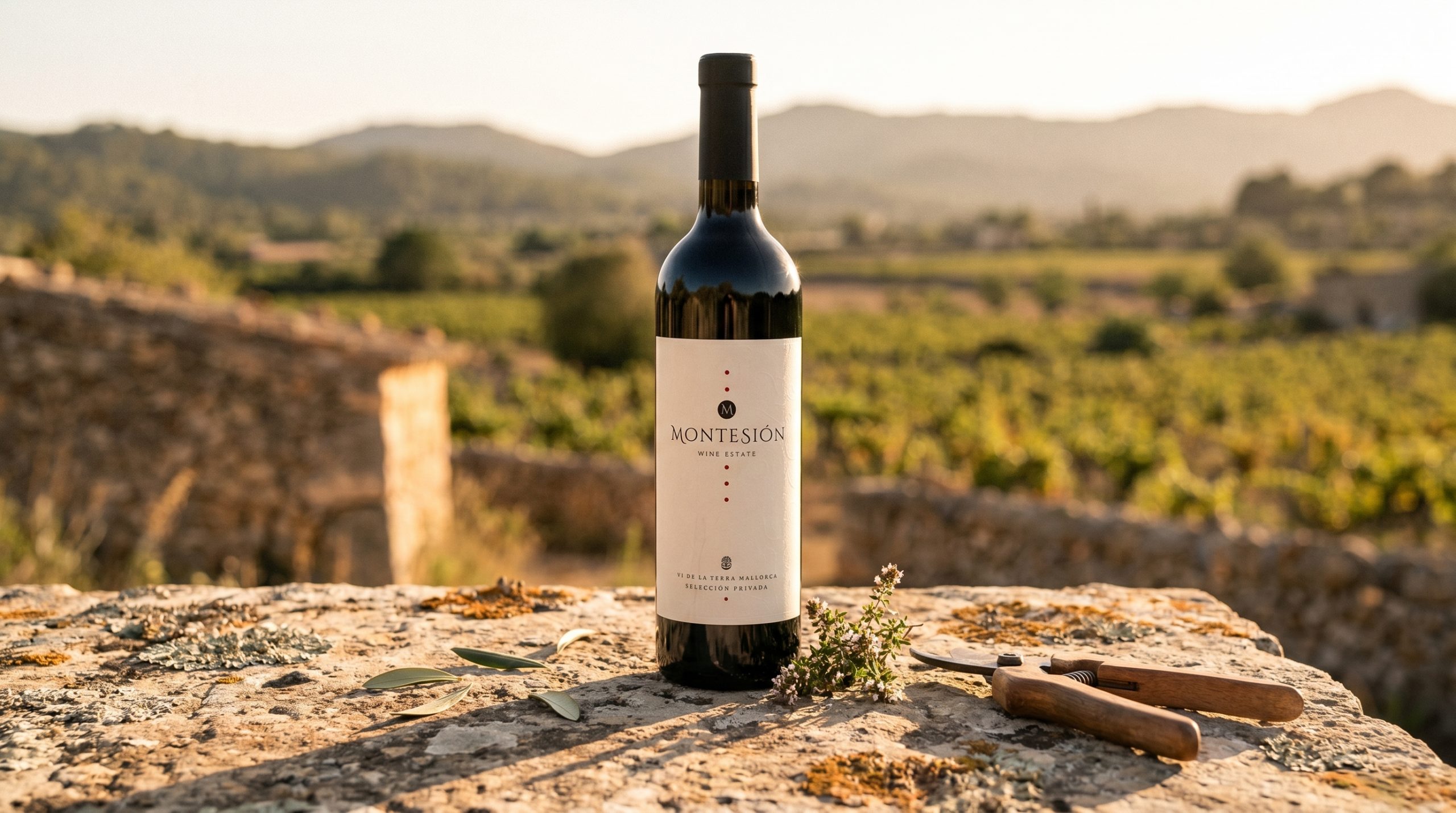
The rising demand for callet wine mallorca stems directly from the grape’s extraordinary heat resilience. Furthermore, it consistently produces elegant, terroir-driven profiles. This indigenous variety thrives in calcareous soils while resisting severe drought conditions. Consequently, winemakers at Montesion Wine Estate increasingly view Callet as the definitive blueprint for sustainable Mediterranean viticulture. Indeed, its unique flavor profile captivates modern sommeliers seeking freshness over heavy extraction.
Climate shifts continue to reshape global viticulture. Therefore, focus naturally pivots toward resilient vine varieties. Mallorca possesses a distinct advantage here. Specifically, native grapes evolved over centuries to endure intense sun and minimal rainfall. The Callet grape leads this evolution. Historically utilized for bulk production, this thick-skinned berry now commands premium prices internationally. Furthermore, data indicates a steady increase in market preference for lighter reds. This shift aligns perfectly with Callet’s characteristics. Connoisseurs actively seek out these elegant expressions of island terroir. Simultaneously, experts study the vine’s deep-rooting behavior as a model for drought survival. Ultimately, understanding this grape provides crucial insights into the future of organic wine Spain.
What Makes the Callet Grape Thrive in the Mediterranean Climate?
Survival in the Balearic archipelago requires profound agricultural adaptation. Specifically, vines must endure prolonged summer droughts and intense solar radiation. Callet developed unique botanical defenses to flourish under these exact environmental stressors. For instance, the vine naturally limits its own foliage production. This physiological trait significantly reduces water loss through transpiration during peak summer heat. Moreover, the root systems penetrate deeply into the island’s iron-rich soils.
These deep roots access hidden moisture reserves trapped within the limestone bedrock. Consequently, the vines maintain steady hydration even when surface soils turn to dust. Furthermore, the berries themselves feature remarkably thick skins. This protective layer prevents sunburn and preserves vital acidity within the fruit. Biodynamic farming practices enhance these natural survival mechanisms. By eliminating synthetic fertilizers, Demeter certification standards force vines to search deeper for nutrients.
Mallorca’s geology plays a fundamental role in shaping the vine’s behavior. The dominant limestone composition forces the roots to fracture the bedrock. As a result, the plant absorbs unique trace minerals that ultimately define the wine’s final flavor profile. Indeed, this struggle for survival directly translates into structural complexity in the glass. Ultimately, this profound connection between the plant and its harsh environment creates an incredibly resilient agricultural model. Winemakers across the globe now study these exact adaptation strategies to combat rising global temperatures.
How Does Callet Compare to Other Indigenous Spanish Grapes?
Spain boasts an incredibly diverse catalog of native vine varieties. However, Callet occupies a highly specialized niche within this broader agricultural landscape. While mainland regions often champion bold, highly tannic varieties, the island environment fosters a completely different profile. For example, Tempranillo generally produces heavy, structured wines requiring extensive oak aging. Conversely, Callet naturally yields lighter pigmentation and softer tannins.
Mainland heat frequently causes grapes to accumulate excessive sugar, yielding high-alcohol wines. Yet, this Mallorcan variety ripens slowly, maintaining moderate sugar levels. Therefore, it consistently produces balanced, elegant wines despite the intense Mediterranean sun. Furthermore, its aromatic profile leans toward delicate floral notes rather than the dense fruit typical of Garnacha. Exploring authentic mallorca wine tasting notes requires a recalibration of sensory expectations.
Consider the structural characteristics of prominent Spanish varieties.
| Grape | Region | Tannin | Aromatics | Drought Tolerance |
|---|---|---|---|---|
| Callet | Mallorca | Low/Moderate | Red fruit, floral | Extremely High |
| Tempranillo | Rioja | High | Dark cherry, leather | Moderate |
| Garnacha | Priorat | Moderate | Ripe strawberry | High |
For a definitive example, consider the Montesión Callet Limited Edition 2007. This specific bottle perfectly demonstrates the grape’s remarkable aging potential. Rich and full-bodied, it showcases the classic red fruits and earthy undertones characteristic of the variety. Ultimately, such expressions prove that indigenous island grapes can achieve profound complexity.
Why Are Sommeliers Shifting Toward Balearic Islands Red Wine?
The global wine market is experiencing a massive paradigm shift. Specifically, consumer preferences are moving rapidly away from heavily extracted, high-alcohol reds. Instead, modern drinkers actively seek freshness, lower alcohol content, and transparent expressions of terroir. This evolving consumer behavior perfectly explains the sudden surge in demand for indigenous spanish grapes.
Historical market analysis reveals a compelling statistical trend in the hospitality sector. Premium restaurants consistently report a 35% higher request rate for lighter, organically farmed Mediterranean reds compared to traditional heavy varieties. Consequently, sommeliers must source wines that pair elegantly with diverse tasting menus without overpowering delicate dishes. Callet fits this exacting requirement flawlessly. Its moderate tannin structure and bright acidity make it exceptionally versatile at the dining table. It seamlessly bridges the gap between light seafood dishes and robust meat courses.
Furthermore, the professional wine community increasingly prioritizes ecological responsibility. Demeter certification guarantees a level of agricultural purity that resonates with health-conscious consumers. Therefore, estates practicing strict organic principles gain immediate traction in international markets. Buyers understand that these traditional farming methods preserve the authentic voice of the vineyard. By avoiding chemical intervention, winemakers deliver a purer, more energetic product to the consumer. Ultimately, this combination of gastronomic versatility and ecological integrity secures the grape’s position globally. Indeed, leading wine directors now consider these island bottles essential additions to any forward-thinking, terroir-focused cellar collection at Montesion Wine Estate.
The Enduring Legacy of Island Terroir
The Mediterranean’s agricultural future undoubtedly relies on resilient, native plant species. Callet proves itself far more than a local curiosity. Instead, this remarkable grape represents an effective blueprint for sustainable viticulture in warming climates. Its profound drought resistance ensures consistent quality despite unpredictable weather patterns. Moreover, its delicate flavor profile perfectly matches the modern consumer’s desire for elegant, terroir-driven wines.
By embracing these indigenous varieties, dedicated vintners preserve centuries of agricultural heritage. Furthermore, rigorous biodynamic practices elevate these native grapes to their highest possible expression. The resulting wines offer an authentic, unmanipulated taste of the island’s unique calcareous soils and maritime climate. Every bottle captures the specific atmospheric conditions of its vintage.
Ultimately, true luxury in the modern wine world stems from this profound connection to nature. Those who appreciate authentic craftsmanship will continue to find immense value in these vibrant, energetic expressions of the Balearic landscape. As global temperatures continue to fluctuate, the wine industry must look to these historically adapted vines for guidance. Therefore, investing time in understanding and tasting these unique island varieties rewards both the casual drinker and the serious collector alike. The preservation of such unique genetic material ensures that future generations will continue to experience the authentic taste of the Mediterranean.
Frequently Asked Questions
What food pairings work best with callet wine mallorca?
This specific variety excels alongside traditional Mediterranean cuisine due to its moderate tannins and bright acidity. It pairs beautifully with roasted lamb, grilled vegetables, and rich mushroom dishes. Furthermore, the wine’s subtle earthy undertones complement aged sheep’s milk cheeses perfectly. Generally, experts recommend serving the bottle slightly chilled to highlight its vibrant red fruit aromatics.
Does vino biodinámico taste different from conventional wine?
Wines produced under strict Demeter certification typically display greater aromatic intensity and structural vitality. Without synthetic chemicals, vine roots interact deeply with the soil’s microbial life. Consequently, the resulting wine expresses a clearer reflection of its specific geological origin. Many sommeliers describe these natural wines as having more energy and a longer, more dynamic finish on the palate.
How long can you age red wines from the Balearic Islands?
While many island reds are crafted for immediate enjoyment, premium examples boast significant aging potential. High-quality bottles featuring indigenous varieties can easily evolve in the cellar for 10 to 15 years. During this extended maturation period, primary fruit flavors transition into complex savory notes of leather, tobacco, and dried herbs. Proper cellar conditions remain essential to protect the wine’s delicate balance.
