

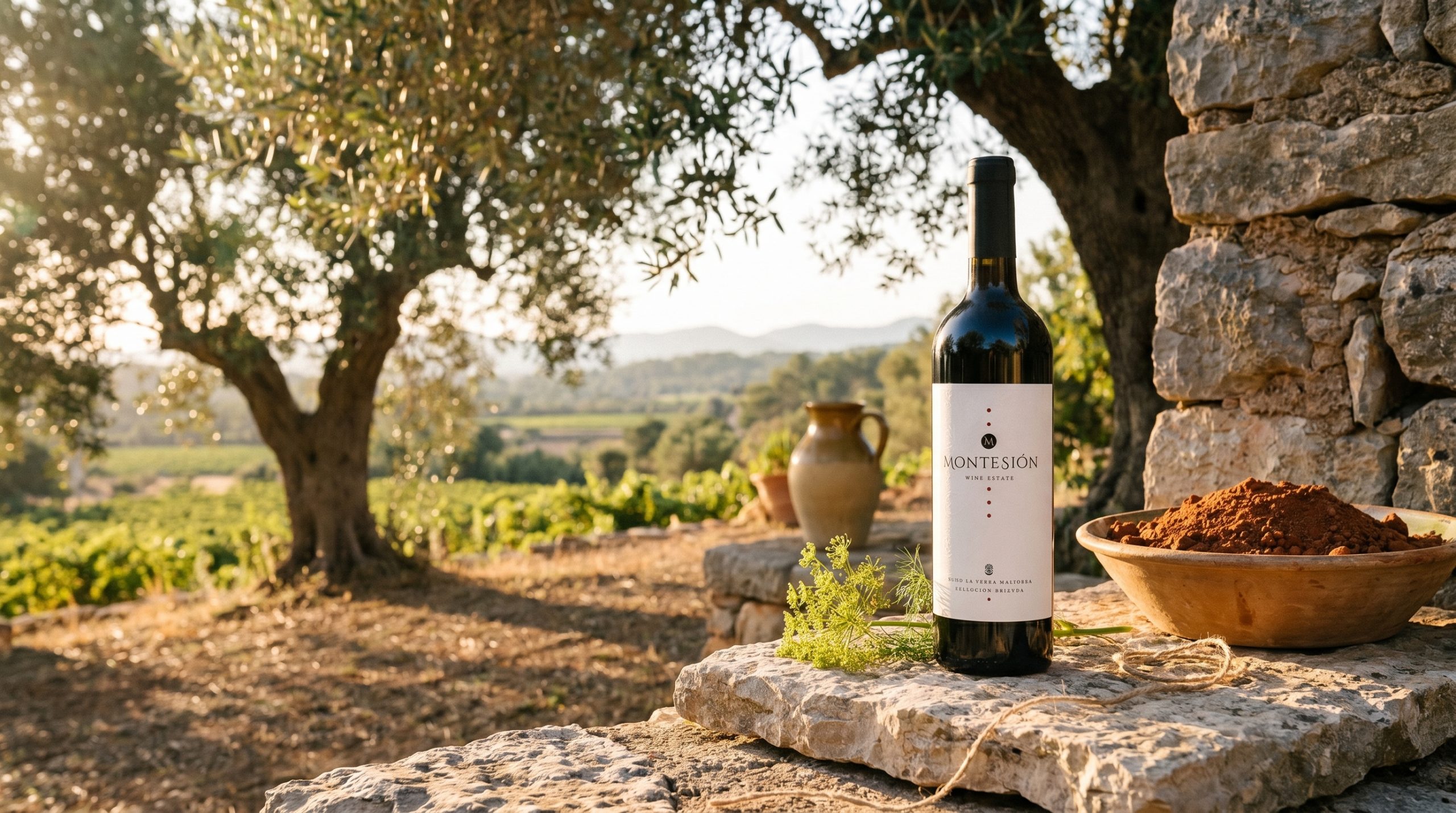
The demand for authentic callet wine mallorca represents a fundamental shift in how enthusiasts approach island viticulture. Winemakers at Montesion Wine Estate are increasingly abandoning international vines to revive native varieties through rigorous biodynamic farming. Consequently, these heritage grapes produce highly expressive, terroir-driven bottles that outshine conventional alternatives. Enthusiasts now recognize these indigenous profiles as the true benchmark of Mediterranean winemaking.
For decades, vineyard owners across the Mediterranean prioritized globally recognized grapes. They believed familiar names would secure international market share. However, modern palates crave distinct regional identities rather than replicated flavor profiles. This evolving preference has sparked a massive agricultural revival across the Balearic Islands. Cultivators are actively restoring historical plantings.
Specifically, two local varieties lead this transformation. They offer flavor dimensions that imported grapes simply cannot achieve in the local limestone soils. Furthermore, the global natural wine movement has accelerated this transition. Consumers increasingly seek out bottles that reflect exact geographical origins. By applying Demeter certification standards to ancient vines, producers at Montesion Wine Estate unlock an unprecedented depth of flavor. Readers will discover how these native varieties behave under strict ecological protocols.
The Market Shift Toward Indigenous Grapes Mallorca
The global beverage market consistently shows a growing preference for regional authenticity. Specifically, industry data indicates that consumer demand for indigenous grapes mallorca has surged significantly over the past decade. Boutique importers report a 40 percent increase in requests for native Mediterranean varieties. Therefore, local estates are radically adapting their agricultural strategies to meet this specialized demand.
Historically, the island’s agricultural landscape featured a vast array of unique vine types. Phylloxera devastated these original plantings in the late nineteenth century. Afterward, farmers replaced them with high-yield, internationally recognized vines to ensure economic survival. Yet, these imported plants often struggled against the intense summer heat. Conversely, native vines naturally resist these challenging climatic conditions. They require far less irrigation and chemical intervention.
This natural resilience makes local vines perfect candidates for organic wine Spain categories. Cultivators save considerable resources by working alongside the local ecosystem. Consequently, the resulting harvests yield significantly higher quality fruit. The table below illustrates the contrast between native and imported varieties under local conditions.
| Grape Category | Drought Tolerance | Soil Adaptation | Yield Consistency | Typical Farming Method |
|---|---|---|---|---|
| Native (Callet, Prensal) | Extremely High | Deep root penetration | Highly stable | Dry-farmed, Biodynamic |
| Imported (Other) | Low to Moderate | Shallow surface roots | Variable | Irrigated, Conventional |
Ultimately, vineyard managers no longer force foreign plants to survive in unsuitable environments.
Decoding the Prensal Blanc Grape Profile
White wine production on the island relies heavily on the Montesión Cuvée Blanc 2025 grape. This vigorous variety thrives in the calcium-rich soils that define the local topography. Traditionally, producers used this grape merely as a blending component to soften harsher varieties. However, modern viticulturists treat it with the respect it truly deserves. They isolate the best parcels to craft single-varietal masterpieces.
The flavor profile of this native white variety defies standard expectations. Drinkers often anticipate heavy, overripe characteristics from a warm Mediterranean climate. Instead, well-managed vines yield an astonishingly crisp and aromatic liquid. Tasting notes typically feature bright orchard fruits, delicate white blossoms, and a distinct raw almond finish. Furthermore, the proximity to the sea imparts a subtle saline minerality to the final glass.
Achieving this delicate balance requires meticulous agricultural practices. Producers must carefully manage the leaf canopy to protect the sensitive fruit from direct sunlight. Additionally, harvesting usually occurs during the cool early morning hours to preserve essential acidity. When estates apply strict biodynamic wine principles, the results become even more profound.
- Soil Vitality: Natural composts encourage deep root systems.
- Fermentation: Wild native yeasts drive the fermentation process.
- Maturation: Neutral vessels prevent oak from masking delicate aromas.
Indeed, the variety proves that warm climates can produce elegant results.
Why Callet Defines Authentic Mallorca Red Wine
Red wine enthusiasts often experience palate fatigue after years of consuming heavily oaked international blends. They actively search for something that offers complexity without overwhelming weight. This exact frustration leads many collectors to explore the nuanced world of authentic mallorca red wine. The local star responsible for this revelation is the notoriously difficult Callet vine, which produces the finest callet wine mallorca available today.
Cultivating this specific red variety demands extreme patience and precision. The vine naturally produces large berries with relatively thin skins and low color pigmentation. Therefore, conventional farming methods usually result in thin, unremarkable liquids. However, old vines grown under rigorous ecological standards tell a completely different story. Deep roots access hidden water reserves, while naturally low yields concentrate the flavors intensely.
The resulting liquid challenges every preconception about Mediterranean reds. It delivers a beautifully aromatic profile full of wild red berries and earthy undergrowth. The texture remains remarkably silky, supported by fine-grained tannins. For instance, the Montesión Callet Limited Edition 2007 perfectly demonstrates the profound aging potential of this indigenous variety. Years of careful maturation reveal tertiary notes of leather and spice.
Securing a Demeter certification ensures this delicate expression remains entirely uncompromised. Winemakers avoid synthetic additives that would otherwise strip the unique character. Consequently, each bottle truly honors its Balearic Islands wine heritage.
The Future of Mediterranean Viticulture
The ongoing revival of native vines represents far more than a passing agricultural trend. It signals a permanent shift in how the global market values regional authenticity. First, cultivators have proven that native plants naturally outperform imported varieties in challenging coastal climates. Second, strict ecological farming methods unlock unprecedented flavor depths previously hidden by conventional agriculture. Finally, consumers clearly prefer the elegant, terroir-driven profiles these historical vines consistently produce.
This transition secures the long-term viability of the island’s unique agricultural heritage. Estates no longer need to compete by mimicking established styles. Instead, they confidently present their native profiles to an eager international audience. By committing entirely to natural wine philosophies, dedicated producers ensure these ancient varieties reach their absolute highest potential. The resulting bottles stand as undeniable proof that working in harmony with nature yields the most compelling results.
Frequently Asked Questions
What makes callet wine mallorca different from other Mediterranean reds?
This specific regional wine distinguishes itself through an exceptionally elegant profile rather than raw power. Unlike typical warm-climate reds that feature heavy tannins, this native variety delivers bright red fruit flavors and silky textures. The thin-skinned grapes produce a lighter color but offer immense aromatic complexity, frequently displaying notes of wild herbs. Consequently, enthusiasts often compare its delicate structure to fine Pinot Noir.
How does the prensal blanc grape perform in warm coastal climates?
This resilient white variety adapts perfectly to intense sunshine because of its deep-rooting nature and natural drought resistance. The vine naturally retains high acidity levels even during the hottest summer months. When farmers utilize dry-farming techniques, the roots dig deep to extract unique mineral compounds. Therefore, the final glass consistently delivers a crisp, refreshing profile with distinct saline characteristics.
Why is Demeter certification important for indigenous grapes mallorca?
Strict biodynamic farming protocols ensure that these sensitive native varieties express their true geographical origins without chemical interference. Synthetic fertilizers often mask the subtle terroir nuances that make these local plants so special. By utilizing natural composts, cultivators build incredibly resilient and biologically active soils. Ultimately, this holistic approach allows the vines to produce highly concentrated fruit.
Can authentic mallorca red wine age well in the cellar?
Premium bottles crafted from old-vine native varieties possess outstanding cellaring potential when produced under rigorous ecological standards. The natural acidity and fine-grained tannins provide a robust structural framework for long-term maturation. Over a decade or more, the initial bright fruit flavors slowly evolve into complex tertiary notes. Indeed, well-stored examples consistently reward patient collectors with a profoundly layered tasting experience.
