
The upcoming 2026 update to Demeter certification introduces rigorous new benchmarks for biodynamic viticulture worldwide. These revised protocols mandate enhanced soil biodiversity tracking and impose stricter water conservation measures specifically tailored for Mediterranean climates. Consequently, vineyards like Montesion Wine Estate must adapt their agricultural frameworks to maintain compliance during the 2026-2027 cycle. This shift ultimately ensures higher ecological integrity for consumers seeking authentic sustainable wines.
Global demand for vino biodinámico has surged, with certified vineyard acreage expanding by nearly 45% over the past decade. Therefore, the latest regulatory update from Demeter International arrives at a critical juncture for the agricultural sector. The governing body recently published comprehensive revisions to its viticulture standards, prioritizing climate resilience across vulnerable winegrowing regions. Specifically, the 2026-2027 framework targets microscopic soil health and aggressive water preservation. Mediterranean estates now face unprecedented requirements to document their ecological footprint. However, these stringent rules also offer a profound opportunity to validate existing regenerative practices. Readers will discover exactly how these enhanced protocols transform daily vineyard management at Montesion Wine Estate. Furthermore, we explore what these adjustments mean for the future of premium Balearic agriculture.
How the Demeter International 2026 Update Redefines Biodynamic Wine Standards
Obtaining Demeter certification has always demanded far more than basic organic compliance. Indeed, the Demeter International 2026 regulatory update pushes these boundaries significantly further into regenerative science. The international committee fundamentally restructured the assessment criteria for the upcoming cycle. Previously, inspectors focused heavily on the application of traditional biodynamic preparations. Now, the emphasis shifts toward measurable ecological outcomes beneath the surface. For instance, vineyards must demonstrate active increases in microbial biomass year over year.
Specifically, mandatory microbiological assays represent a massive leap forward for the industry. Vineyards cannot simply claim healthy soil; they must prove it through intensive laboratory analysis. Therefore, estates must now employ sophisticated agronomic strategies to meet these aggressive targets. Above all, this evolution protects the integrity of the global sustainability movement. Consequently, the new framework introduces specific quantitative thresholds for certification renewal. We can observe the distinct evolution of these requirements by examining the structural changes.
| Metric Category | Pre-2026 Standard | 2026-2027 Updated Standard |
|---|---|---|
| Soil Biodiversity | Visual qualitative assessment | Mandatory annual microbiological laboratory assays |
| Water Management | General conservation guidelines | Strict extraction quotas and mandatory dry farming |
| Habitat Preservation | 10% dedicated ecological zones | 15% minimum diverse floral and faunal corridors |
Moreover, these updated biodynamic wine standards require estates to implement continuous monitoring systems. Viticulturists must log precise data regarding cover crop diversity and root depth penetration. As a result, the certification process transforms from a mere checklist into an active scientific study. Furthermore, this rigorous approach completely eliminates the possibility of greenwashing within the industry. Consumers receive absolute guarantees regarding the ecological origin of their purchases. Meanwhile, farmers gain robust frameworks to improve long-term land viability.
Stricter Water Management Protocols for Sustainable Viticulture
Water scarcity remains the most pressing challenge for Mediterranean agriculture today. Consequently, the governing board dedicated a substantial portion of the 2026 update to hydrological preservation. The new regulations mandate strict water management protocols for regions experiencing prolonged drought. Specifically, southern European estates must drastically reduce their reliance on supplemental irrigation. Furthermore, vineyards must implement advanced rainwater harvesting systems to maintain certification.
This regulatory shift profoundly impacts producers of Mallorca wine. The Balearic climate naturally delivers intense summer heat and minimal precipitation during the growing season. Therefore, local viticulturists must rely on deep-rooting indigenous grape varieties to survive these harsh conditions. However, the updated standards require even greater innovation in moisture retention strategies. For example, estates must now maintain specific densities of drought-resistant cover crops between the vines. These green corridors effectively lower soil surface temperatures and prevent rapid moisture evaporation.
Additionally, the revised framework restricts the total volume of groundwater extraction permitted annually. Vineyards exceeding these strict quotas risk immediate suspension of their credentials. As a result, dry farming techniques will become the absolute standard rather than an optional practice. Indeed, this forced adaptation ultimately yields more concentrated, expressive harvests. Grapes grown under mild water stress naturally develop thicker skins and more intense flavor profiles. Ultimately, these stringent water protocols ensure the survival of historic winegrowing regions.
The Impact on Soil Biodiversity and Natural Wine Production
Healthy soil functions as the absolute foundation of any successful agricultural enterprise. Accordingly, the updated standards place unprecedented emphasis on subterranean ecosystems. The 2026 framework requires vineyards to cultivate complex networks of fungi, bacteria, and beneficial nematodes. Indeed, this thriving underground community directly influences the nutritional uptake of the vines. Furthermore, rich soil biodiversity translates directly into superior structural complexity in the glass.
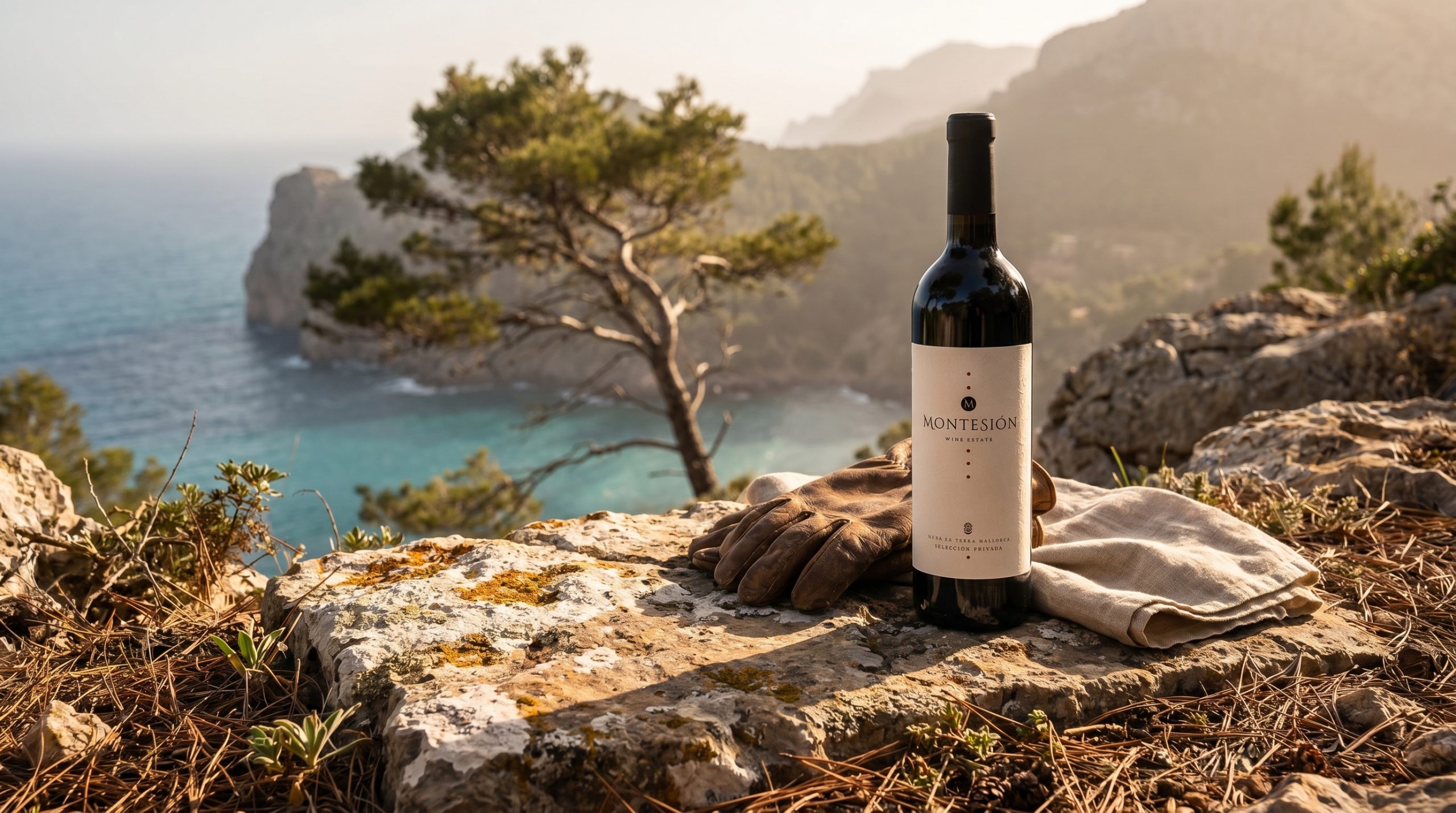
When viticulturists nurture the earth, the resulting harvest captures the truest expression of the terroir. Consumers often seek out these distinctive flavor profiles when exploring premium vintages. For instance, the earthy undertones and rich red fruit notes found in the Montesión Callet Limited Edition 2007 perfectly demonstrate this phenomenon. This exceptional expression of the indigenous Callet grape thrives specifically because of nutrient-dense, meticulously managed earth.
Moreover, the new regulations mandate the preservation of natural habitats adjacent to the planting areas. Vineyards must dedicate a larger percentage of their total acreage to wild flora and fauna. Consequently, these ecological corridors support essential pollinator populations and natural pest predators. As a result, the need for external agricultural interventions drops significantly.
Additionally, this holistic approach heavily influences the broader market for organic wine Spain produces. Domestic producers must elevate their cultivation methodologies to remain competitive on the global stage. Therefore, estates that already prioritize subterranean health possess a significant market advantage. Ultimately, a vibrant underground ecosystem creates resilient vines capable of withstanding extreme weather events.
Synthesizing the Future of Sustainable Viticulture
The 2026 regulatory updates represent a monumental shift in global agricultural standards. First, the mandatory implementation of advanced soil biodiversity tracking ensures measurable ecological progress. Vineyards can no longer rely on theoretical practices; they must provide concrete proof of regenerative success. Second, the aggressive water management protocols force necessary adaptations within vulnerable Mediterranean climates. Consequently, dry farming and moisture retention strategies will become essential survival tools rather than niche techniques. Finally, these rigorous benchmarks completely redefine the baseline for premium sustainable agriculture.
Furthermore, this evolution perfectly aligns with the historical trajectory of Balearic Islands wine production. Estates that have long championed indigenous varieties and natural cultivation methods now possess a distinct advantage. Indeed, the international community has finally codified the very practices that define authentic island viticulture. Ultimately, these stricter regulations protect both the fragile environment and the discerning consumer.
As climate challenges intensify, uncompromising ecological standards remain our most effective defense. Therefore, the future of exceptional winemaking relies entirely on our willingness to respect and restore the earth. Moreover, consumers play a vital role in supporting this agricultural revolution. When buyers actively choose certified bottles, they directly fund the preservation of critical habitats. As a result, the simple act of purchasing a premium vintage becomes a powerful statement of environmental stewardship.
Frequently Asked Questions
What is Demeter certification for wine?
This prestigious credential represents the highest international standard for biodynamic agriculture. Specifically, the governing body requires vineyards to treat their entire estate as a single, self-sustaining living organism. Farmers must eliminate synthetic chemicals, utilize specialized organic preparations, and synchronize their planting cycles with lunar calendars. Consequently, this rigorous framework goes far beyond basic organic requirements to actively regenerate the surrounding ecosystem.
How do the 2026 biodynamic wine standards affect vineyards?
The updated 2026 guidelines introduce significantly stricter benchmarks for ecological monitoring and resource conservation. Vineyards must now implement advanced tracking systems to prove continuous improvements in subterranean microbial health. Additionally, the new rules mandate severe reductions in groundwater extraction, particularly for estates located in arid climates. Therefore, producers must adopt highly efficient dry farming techniques to maintain their official credentials.
Why is soil biodiversity important in sustainable viticulture?
A thriving subterranean ecosystem serves as the fundamental engine for vine health and resilience. Specifically, complex networks of fungi and bacteria break down vital minerals, making them readily accessible to the plant roots. Furthermore, high microbial density naturally suppresses soil-borne diseases and improves overall moisture retention during drought periods. Ultimately, this vibrant underground life translates directly into more complex, expressive flavors in the final harvest.
