
The recent update to Demeter certification mandates strict regenerative viticulture practices for all certified vineyards worldwide. These new rules specifically require advanced soil carbon sequestration techniques and the creation of biodiversity corridors. Consequently, estates like Montesion Wine Estate must implement comprehensive cover cropping strategies to maintain their biodynamic status by the 2028 deadline. Ultimately, this shift ensures agricultural systems actively restore environmental health rather than merely sustaining it.
Vineyard ecosystems face unprecedented climate challenges today. Therefore, agricultural bodies must rapidly adapt their frameworks to protect delicate terroirs. Demeter International recently released groundbreaking updates to its global farming standards. These new rules push beyond traditional organic methods. They introduce aggressive carbon capture mandates for all certified estates. Furthermore, modern consumers increasingly demand authentic environmental stewardship behind every bottle of wine they purchase. This 2026 update directly addresses those rapidly evolving expectations. Because soil health dictates vintage quality, these changes carry profound implications for premium winemaking. Readers will discover exactly how these regenerative viticulture mandates reshape daily vineyard management. Additionally, this guide explores the practical mechanics of establishing successful biodiversity corridors. Meanwhile, we examine how dedicated island estates, such as Montesion Wine Estate, already exceed these rigorous new environmental benchmarks.
What Are the Core Pillars of the Demeter International 2026 Update?
The Demeter International 2026 framework introduces fundamental shifts in agricultural compliance. Previously, biodynamic wine standards focused heavily on natural preparations and lunar cycles. Now, the organization demands measurable environmental regeneration. The updated guidelines mandate aggressive soil carbon sequestration protocols. Estates must actively draw carbon dioxide into the earth. Consequently, this process mitigates climate change while enriching the vineyard substrate.
Furthermore, the rules establish a strict 2028 deadline for full compliance. Vineyards cannot simply maintain their current ecological baseline. Instead, they must demonstrate continuous improvement in soil vitality. Bare earth between vine rows is now strictly prohibited. Farmers must deploy sophisticated cover cropping strategies year-round to prevent erosion. Therefore, roots must constantly engage with the soil to secure essential nutrients.
Additionally, the certification now requires detailed biological audits. Inspectors will measure the organic matter content within the soil profile annually. Therefore, winemakers must prioritize deep root development and vast microbial diversity above all else to pass these rigorous inspections. Ultimately, these stringent requirements ensure that every certified bottle represents a net positive impact on the planet. Indeed, the new framework transforms vineyards into active ecological sanctuaries. Consequently, estates that fail to adapt to these strict climate measures will permanently lose their prestigious biodynamic status.
How Does Regenerative Viticulture Transform Soil Health?
Regenerative viticulture fundamentally rebuilds the structural integrity of agricultural land. Traditional farming often depletes essential nutrients through constant mechanical tilling. Conversely, regenerative practices prioritize minimal soil disturbance. Therefore, the delicate fungal networks beneath the surface remain completely intact. These mycorrhizal webs efficiently transport water and minerals directly to the vine roots. As a result, the plants develop profound resilience against severe drought and disease.
Cover cropping drives this environmental transformation. Farmers plant diverse mixtures of legumes and radishes between vines. Specifically, legumes fix atmospheric nitrogen directly into the soil profile. Meanwhile, deep-rooting radishes naturally aerate compacted earth without machinery. Consequently, the vineyard floor becomes a dense botanical sponge that retains rainwater perfectly. Furthermore, this vibrant plant life captures solar energy and pumps liquid carbon into the ground.
Over time, this continuous cycle dramatically increases soil organic matter. Indeed, robust soil health directly dictates a vineyard’s ability to survive extreme weather events, such as prolonged droughts. Additionally, healthy earth produces grapes with thicker skins, balanced acidity, and significantly more complex flavor profiles. Ultimately, the resulting wines express a much clearer sense of their specific geographic origin. Thus, regenerative methods elevate both ecological stability and overall vintage quality.
Why Are Biodiversity Corridors Crucial for Biodynamic Wine Standards?
Monoculture presents a severe threat to long-term agricultural stability. Planting only vines across vast acreage creates a fragile ecological desert. Therefore, the new Demeter certification rules strictly mandate the integration of biodiversity corridors. These corridors act as vital botanical highways for local wildlife. Specifically, they connect isolated patches of natural habitat across the entire farming landscape. As a result, beneficial insects and small mammals can navigate the property safely.
These wild zones provide essential housing for predatory insects. For instance, ladybugs thrive within native hedgerows. Consequently, these predators naturally control pest populations without any chemical interventions. Furthermore, diverse plant life attracts crucial pollinators directly to the estate. Bees and butterflies ensure the ongoing health of the cover crops that nourish the soil.
Additionally, extensive biodiversity corridors create complex, highly beneficial microclimates within the challenging vineyard environment. Tall trees and dense shrubs offer crucial windbreaks that protect fragile vines. Moreover, a holistic farm functions exactly like a self-contained living organism. Every plant, animal, and insect plays a specific role in maintaining natural equilibrium. Ultimately, this rich ecological tapestry prevents disease outbreaks and fosters unparalleled vineyard vitality. Thus, the strict 2028 compliance deadline forces a highly necessary return to true, balanced polyculture.
Organic vs. Biodynamic: What Is the Difference in Vineyard Management?
Consumers frequently confuse basic organic farming with strict biodynamic practices. Although both philosophies prohibit synthetic chemicals, their ultimate goals differ significantly. Organic agriculture primarily removes harmful inputs from the farming equation. Therefore, farmers utilize natural pesticides to grow crops. However, this approach often remains a simple substitution game.
Conversely, biodynamic wine production treats the entire estate as a closed-loop ecosystem. Farmers must generate their own compost and fertility directly on the property. Furthermore, they apply specific homeopathic preparations to stimulate soil microbiology. The recent Demeter International 2026 update widens this conceptual gap even further. Specifically, the new rules demand active ecological regeneration rather than mere sustainability.
The following table illustrates the key differences between standard organic rules, traditional biodynamics, and the new regenerative framework.
| Feature | Certified Organic | Traditional Biodynamic | Demeter 2026 Update |
|---|---|---|---|
| Synthetic Chemicals | Strictly prohibited | Strictly prohibited | Strictly prohibited |
| Fertility Source | External inputs allowed | On-farm compost required | On-farm compost required |
| Soil Focus | Prevent basic erosion | Stimulate microbiology | Mandated carbon sequestration |
| Cover Cropping | Encouraged but optional | Highly recommended | Strictly required year-round |
| Biodiversity | Basic habitat protection | Holistic farm organism | Mandatory ecological corridors |
Ultimately, the new guidelines position biodynamic estates at the absolute forefront of climate action. Consequently, simply avoiding chemicals is no longer sufficient for premium agricultural certification.
How Do Balearic Islands Wine Producers Adapt to These New Rules?
Island viticulture presents highly unique and demanding environmental challenges. Mallorca experiences intense summer heat and limited rainfall. Therefore, managing water resources remains the primary focus for winemakers. The new Demeter certification requirements align perfectly with traditional Mediterranean farming wisdom. Consequently, estates on the Balearic Islands possess a distinct advantage in meeting the 2028 deadline.
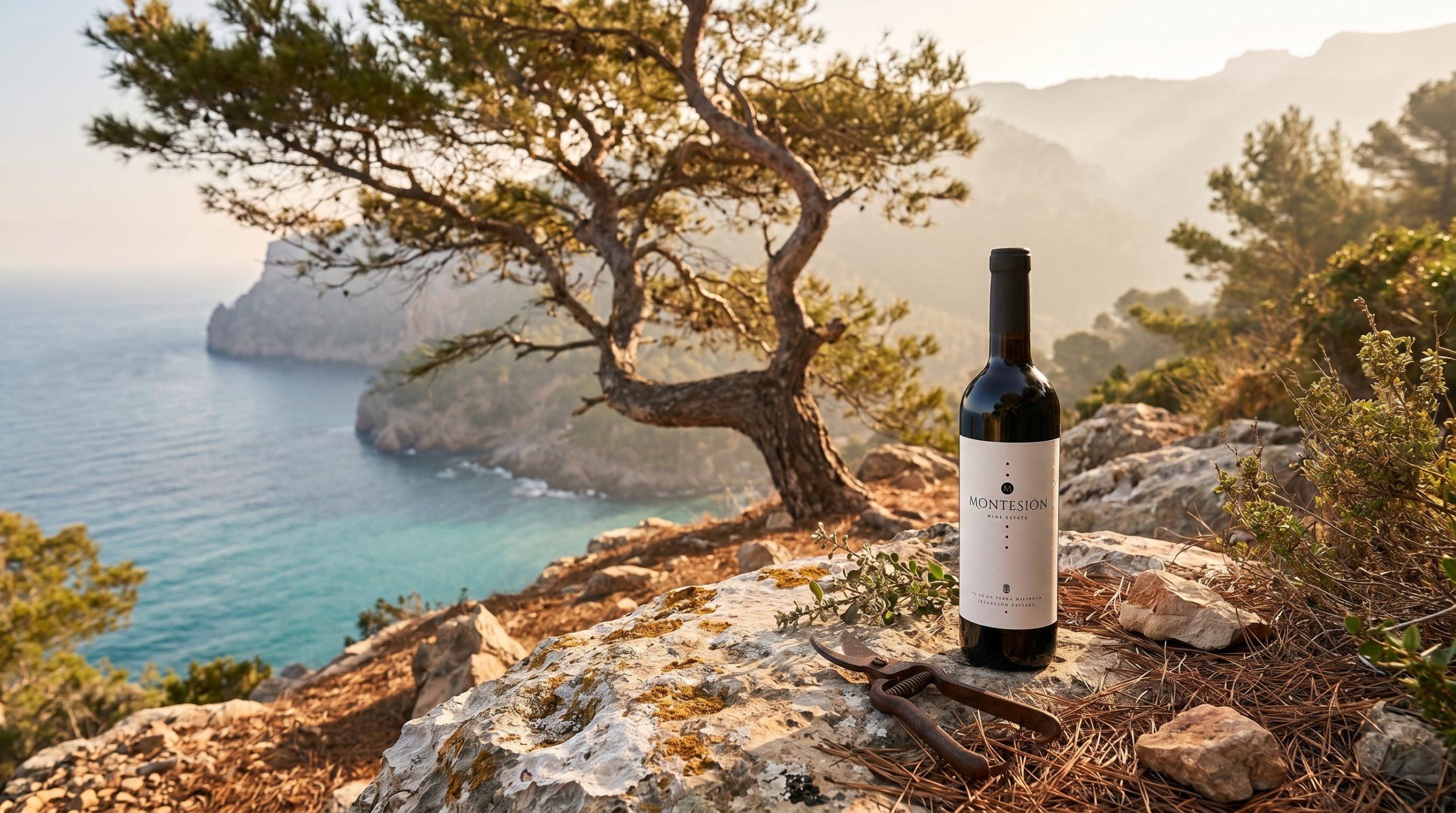
Local producers already utilize indigenous grape varieties that naturally resist severe drought. For example, the Callet grape thrives beautifully in the mineral-rich, dry soils of Mallorca. When cultivated under strict regenerative viticulture protocols, this variety produces astonishingly elegant results. Consider the experience of opening a bottle of Montesión Callet Limited Edition 2007. This specific wine perfectly captures the essence of a balanced, thriving agricultural ecosystem. The rich, earthy undertones directly reflect the profound health of the living soil beneath the vines.
Furthermore, Mallorcan estates actively integrate ancient olive groves and almond trees among their vineyards. This traditional polyculture naturally satisfies the new biodiversity corridor mandates. Additionally, winter cover crops of local wildflowers protect the earth during seasonal heavy rains. Then, local sheep graze between the rows to naturally manage the vegetation and fertilize the ground. Ultimately, this harmonious approach proves that rigorous environmental standards enhance rather than hinder exceptional winemaking.
The Future of Premium Viticulture and Ecological Stewardship
The global agricultural landscape is currently undergoing a necessary and profound transformation. Demeter International has established a bold new benchmark for absolute environmental responsibility. Specifically, the strict mandate for soil carbon sequestration forces a critical evolution in daily farming practices. Estates can no longer simply extract commercial value from the earth. Instead, they must actively repair and continuously enrich their surrounding ecosystems.
Furthermore, mandatory biodiversity corridors will dramatically alter the visual landscape of certified vineyards. Monoculture rows will rapidly become vibrant botanical havens. Consequently, the resulting natural wines will express an even deeper connection to their specific geographic terroirs. Healthy soils inevitably yield superior, much more resilient fruit.
Ultimately, these rigorous standards protect the long-term future of global winemaking against severe climate volatility. Dedicated Mallorca wine producers stand ready to lead this vital regenerative revolution. Indeed, embracing these complex ecological mandates ensures that every single harvest genuinely honors the earth. Therefore, informed consumers hold the ultimate power to support this vital work through their daily purchasing decisions.
Frequently Asked Questions
What does Demeter certification mean for wine?
Demeter certification guarantees that a vineyard operates under strict biodynamic agricultural principles. It ensures the estate functions as a self-sustaining ecosystem without synthetic chemicals. The organization requires rigorous annual audits to verify complete compliance with these holistic farming standards. Consequently, certified wines reflect absolute environmental purity and a profound expression of their native terroir.
How does regenerative viticulture improve soil health?
Regenerative viticulture improves soil health by maximizing microbial diversity and minimizing physical disturbance. Farmers utilize diverse cover crops to prevent erosion and aerate the earth. Furthermore, these plants draw atmospheric carbon down into the root systems to feed beneficial underground fungi. As a result, the soil develops a sponge-like structure that perfectly retains water and essential nutrients.
What are biodiversity corridors in agriculture?
Biodiversity corridors are designated strips of native vegetation that connect natural habitats across a farm. They provide safe passage for wildlife, beneficial insects, and birds. Additionally, these green belts naturally regulate vineyard temperatures and provide wind protection for delicate vines. Ultimately, they eliminate the need for chemical pesticides by supporting a robust population of predatory insects.
Why is the Demeter International 2026 update important?
The Demeter International 2026 update is important because it introduces mandatory climate action protocols for farmers. It shifts the entire focus from mere sustainability to active environmental regeneration. Specifically, certified estates must now prove they are sequestering carbon and expanding natural habitats by 2028. Therefore, this framework establishes the most rigorous ecological standard currently available in global agriculture.
