
Achieving Demeter certification guarantees that agricultural products remain completely free from genetically modified organisms, even as European Union regulations evolve. The European Commission recently proposed deregulating New Genomic Techniques, removing mandatory traceability for these novel GMOs. Consequently, biodynamic standards at Montesion Wine Estate now serve as the ultimate safeguard for transparency. Consumers seeking authentic, unaltered goods must rely on strict independent certifications more than ever.
Exactly 90% of European citizens demand mandatory labeling for genetically modified food, according to recent consumer surveys. Despite this overwhelming public consensus, the European Parliament is currently advancing a legislative proposal that would exempt certain New Genomic Techniques from existing traceability requirements. This political shift creates a massive transparency void across the agricultural sector. Specifically, farmers face imminent risks of unintended contamination in their fields. Therefore, the Biodynamic Federation Demeter International launched a dedicated campaign to protect the fundamental rights of producers and citizens. Readers will discover how this regulatory overhaul threatens organic supply chains across the continent. Furthermore, we explore why independent biodynamic standards currently provide the only reliable defense against hidden genetic modifications. Understanding these changes becomes essential for anyone who values genuine terroir.
Why Are GMO Regulations EU Shifting Toward Deregulation?
The European Commission recently initiated a profound transformation of existing agricultural frameworks by proposing the deregulation of New Genomic Techniques. Specifically, these modern breeding methods alter plant DNA without introducing foreign genetic material. Proponents argue that these techniques will increase climate resilience and boost crop yields. However, as GMO regulations EU standards shift, this legislative pivot effectively removes mandatory risk assessments for a vast majority of new genetically modified organisms. Consequently, the proposed rules eliminate crucial traceability requirements that have governed European agriculture for decades.
Currently, the European Union organic food market generates over €45 billion annually. This massive economic sector relies entirely on consumer trust and strict purity standards. Therefore, removing labeling mandates directly threatens the financial stability of organic producers. Without mandatory traceability, farmers cannot guarantee that their seeds remain completely free from genetic manipulation. Furthermore, cross-pollination between modified crops and traditional varieties becomes an unavoidable risk.
Biodynamic viticulture faces particularly severe challenges under this new regulatory paradigm. Cultivating indigenous grape varieties requires absolute genetic integrity to express true terroir. Consequently, independent agricultural federations strongly oppose any legislation that compromises seed sovereignty. Producers must retain the fundamental right to cultivate uncontaminated crops. Moreover, citizens possess an undeniable right to know exactly what enters their food supply, making transparent labeling an absolute necessity.
How Does the Deregulation Threaten Sustainable Agriculture in Spain?
Spain currently dedicates more than 2.6 million hectares to organic farming, acting as a European leader in sustainable agriculture Spain actively promotes. Specifically, the Balearic Islands have cultivated a thriving ecosystem of environmentally conscious vineyards. However, the impending EU deregulation introduces unprecedented risks to these pristine agricultural zones. If neighboring conventional farms adopt deregulated seeds, organic and biodynamic estates face constant contamination threats. Wind and insects easily transport modified pollen across property lines.
As a result, organic wine labeling could lose its fundamental credibility. Consumers purchase natural wine because they expect a product entirely free from laboratory interference. Therefore, any hidden genetic modification destroys the foundational promise of organic viticulture. Furthermore, the financial burden of testing and verifying genetic purity will inevitably fall on the organic farmers. These producers already invest heavily in sustainable practices and rigorous certification processes.
To illustrate the disparity between current and proposed standards, we can examine the core differences in agricultural management.
| Feature | Proposed Framework | Biodynamic Standards |
|---|---|---|
| Traceability | Voluntary or absent | Strict seed-to-bottle tracking |
| Labeling | Not required for Category 1 | Fully transparent origin |
| Cross-contamination | Unmonitored | Prevented via buffer zones |
| Consumer Choice | Severely limited | Absolutely protected |
This stark contrast highlights the urgent need for robust defense mechanisms. Consequently, independent agricultural federations must step forward to fill the regulatory void left by European authorities.
Can Independent Standards Protect Mallorca Wine from Genetic Alteration?
Independent agricultural frameworks now serve as the primary shield against the rapid spread of undisclosed genomic techniques. Because European authorities plan to relax their oversight, private certifications must enforce the stringent rules that consumers demand. Specifically, strict biodynamic guidelines mandate the absolute prohibition of any genetically modified organisms across the entire global network. This uncompromising stance ensures that certified estates maintain complete control over their biological resources.
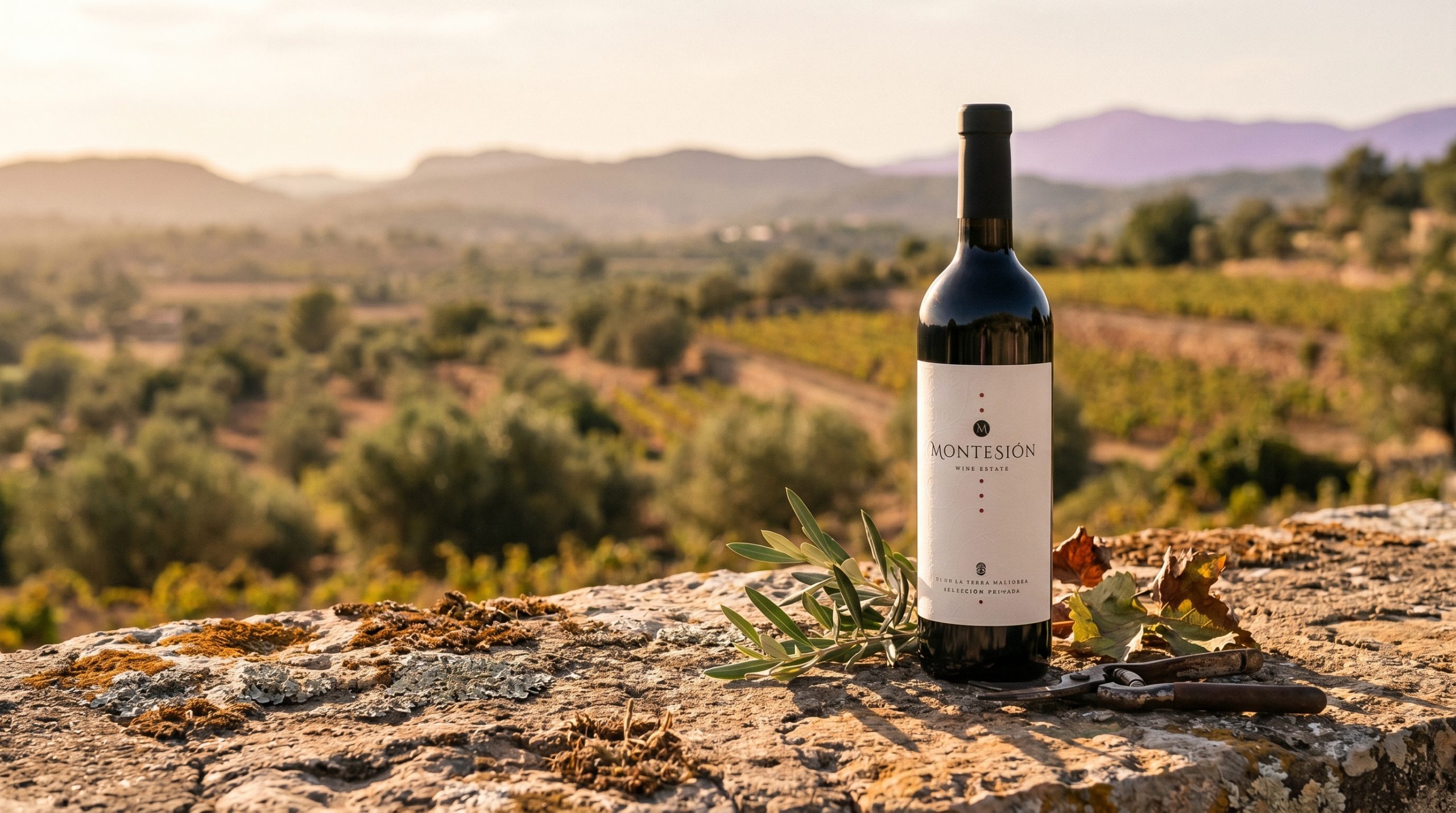
In regions like the Balearic Islands, preserving indigenous plant genetics remains crucial for authentic winemaking. For instance, cultivating native grapes requires a pristine environment free from synthetic or genetic interference. When you pour a glass of Montesión Callet Limited Edition 2007, you experience the pure, unadulterated essence of the Mediterranean terroir. The rich, full-bodied profile and earthy undertones emerge directly from healthy, living soil. Therefore, maintaining this level of quality demands rigorous protection against external biological contamination.
Furthermore, biodynamic farmers actively cultivate biodiversity to strengthen their local ecosystems naturally. Instead of relying on laboratory-edited seeds for disease resistance, they build resilient vineyards through holistic agricultural practices. This approach fosters a balanced habitat where native flora and fauna thrive together. Consequently, the resulting biodynamic wine reflects the true character of its vintage, rather than the predictable output of engineered biology. By strictly adhering to these historical methods, dedicated estates ensure genuine purity.
Securing the Future of Uncompromised Viticulture
The proposed deregulation of New Genomic Techniques represents a critical turning point for European agriculture. First, removing mandatory traceability strips consumers of their fundamental right to make informed choices. Second, the hidden spread of modified pollen poses an existential threat to organic and biodynamic farmers who rely on genetic purity. Finally, the burden of maintaining uncontaminated supply chains now shifts entirely to independent certification bodies.
Consequently, stringent agricultural standards have never been more essential for protecting our food systems. Demeter certification acts as an impenetrable barrier against the quiet introduction of laboratory-altered biology. By enforcing uncompromising rules, this framework guarantees that traditional farming methods survive the current legislative upheaval.
Authentic Balearic Islands wine depends entirely on preserving the delicate balance of native ecosystems. The unique character of indigenous grapes can only flourish in environments free from external genetic interference. Therefore, estates like Montesion Wine Estate that commit to holistic, regenerative practices serve as vital sanctuaries for natural biodiversity. Their dedication ensures that the profound connection between earth, vine, and glass remains completely unbroken.
Frequently Asked Questions
What does the EU deregulation of New Genomic Techniques mean for organic food?
The proposed European Union deregulation means that certain genetically modified crops will no longer require strict safety testing or consumer labeling. Consequently, organic farmers face significant challenges in preventing cross-contamination from neighboring conventional fields. Without mandatory traceability, verifying the absolute purity of organic supply chains becomes incredibly difficult and expensive. Therefore, consumers will increasingly need to rely on strict independent certifications to ensure their purchases remain entirely free from genetic manipulation.
Why is Demeter certification important for protecting natural wine?
Demeter certification provides the highest level of agricultural transparency by strictly prohibiting all forms of genetic engineering. Because government regulations regarding New Genomic Techniques are currently weakening, this independent standard serves as a crucial safeguard for authentic viticulture. Furthermore, the certification requires holistic farming practices that actively promote biodiversity rather than relying on laboratory-altered seeds. As a result, wine enthusiasts can trust that certified bottles contain only pure, unadulterated expressions of their specific regional terroir.
How do genetically modified organisms affect biodynamic agriculture in Spain?
Genetically modified organisms threaten the foundational principles of biodynamic agriculture by introducing unnatural biological elements into carefully balanced ecosystems. In regions like Spain, where sustainable farming is highly prevalent, the unchecked spread of modified pollen can irreversibly contaminate indigenous plant varieties. Moreover, biodynamic estates invest years in cultivating self-sustaining environments that reject synthetic and genetic interventions. Therefore, any external biological pollution compromises the integrity of their soil, their crops, and their final agricultural products.
