
The updated Demeter certification framework for 2026 introduces strict soil health criteria designed explicitly for arid Mediterranean vineyards. These new guidelines require specific microbial biomass retention levels and mandate targeted biodynamic preparations to actively reverse desertification. Consequently, vineyards like Montesion Wine Estate operating in hot climates must demonstrate verifiable improvements in moisture retention to maintain their status.
Southern Europe faces an accelerating environmental crisis as rising temperatures deplete natural soil moisture. Therefore, the latest regulatory update from Demeter International arrives at a critical moment for Mediterranean viticulture. Traditional farming methods struggle to sustain vine health during prolonged summer droughts. However, regenerative agricultural practices offer a proven defense against this creeping desertification. The newly released 2026 criteria validate the precise soil management techniques already utilized by progressive estates in the Balearic Islands. Specifically, these guidelines shift the focus from merely avoiding synthetic chemicals to actively building resilient, living ecosystems beneath the vines. Readers will discover exactly how these enhanced microbial standards protect vulnerable terroirs. Furthermore, the updated framework illustrates how rigorous organic wine Spain protocols ultimately translate into deeper flavor profiles in the glass.
Why Are the Demeter Standards 2026 Targeting Mediterranean Viticulture?
The Mediterranean basin warms significantly faster than the global average. Consequently, vineyards across southern Europe face unprecedented challenges regarding water scarcity and topsoil erosion. The Demeter standards 2026 directly address this geographic vulnerability by shifting certification requirements toward aggressive moisture conservation. Previous guidelines applied a universal approach to biodynamic farming, which sometimes overlooked the severe realities of arid coastal climates.
Now, the regulatory body demands measurable proof of microbial biomass retention. Healthy soil acts like a vast subterranean sponge. Therefore, when microscopic life flourishes, the earth can absorb and hold rare winter rainfall long into the scorching summer months. Vineyards must cultivate these microscopic communities through continuous organic matter integration. Furthermore, bare soil between vine rows is strictly prohibited under the new framework, as exposed earth accelerates water evaporation and kills beneficial fungi.
Instead, growers must maintain diverse cover crops tailored to survive dry conditions. These deep-rooting native plants break up compacted earth and create channels for water to penetrate deeply. As a result, the entire vineyard ecosystem becomes significantly more resilient against sudden heatwaves. This localized approach ensures that biodynamic soil health remains a practical, measurable reality rather than an abstract philosophy. Indeed, the updated criteria force a fundamental rethinking of how dry-farmed vineyards manage their most precious resource.
How Do Biodynamic Preparations Combat Desertification in Arid Climates?
Desertification strips the land of its natural ability to regenerate, leaving behind sterile dust. However, specific biodynamic preparations act as a powerful catalyst for reversing this destructive process. The revised Demeter certification emphasizes the strategic application of horn manure during specific lunar cycles to maximize root development. When sprayed onto the earth at dusk, this potent humus mixture stimulates intense microbial activity right at the root zone.
Additionally, the 2026 guidelines recommend modifying the traditional application rates of these preparations to suit arid environments. Frequent, lower-concentration sprays help maintain soil moisture without overwhelming the delicate fungal networks during drought periods. Therefore, vines develop deeper, more extensive root systems that can access subterranean water reserves. This biological reinforcement is absolutely essential for sustaining natural wine production without relying on artificial irrigation.
| Farming Practice | Previous Biodynamic Approach | 2026 Mediterranean Standards |
|---|---|---|
| Cover Cropping | Recommended during winter | Mandatory year-round drought-resistant species |
| Preparation 500 | Standard seasonal application | High-frequency, micro-dosed evening applications |
| Tillage | Minimized | Strictly limited to shallow, non-inversion methods |
| Biomass Tracking | Qualitative observation | Quantitative microbial retention measurement |
These stringent requirements guarantee that the earth remains vibrantly alive even when surface temperatures soar. Consequently, the soil retains its structural integrity, preventing the wind and rain erosion that typically precedes full desertification.
What Does Biodynamic Soil Health Mean for Mallorca Wine Quality?
The connection between vibrant, living earth and the liquid in the glass is absolute and undeniable. In the Balearic Islands, indigenous grape varieties have evolved over centuries to thrive in challenging, rocky terrain. When a vineyard successfully implements advanced biodynamic soil health practices, these native vines express their terroir with startling clarity. The roots push through layers of limestone and iron-rich clay, drawing up complex minerals that ultimately define the wine’s character.
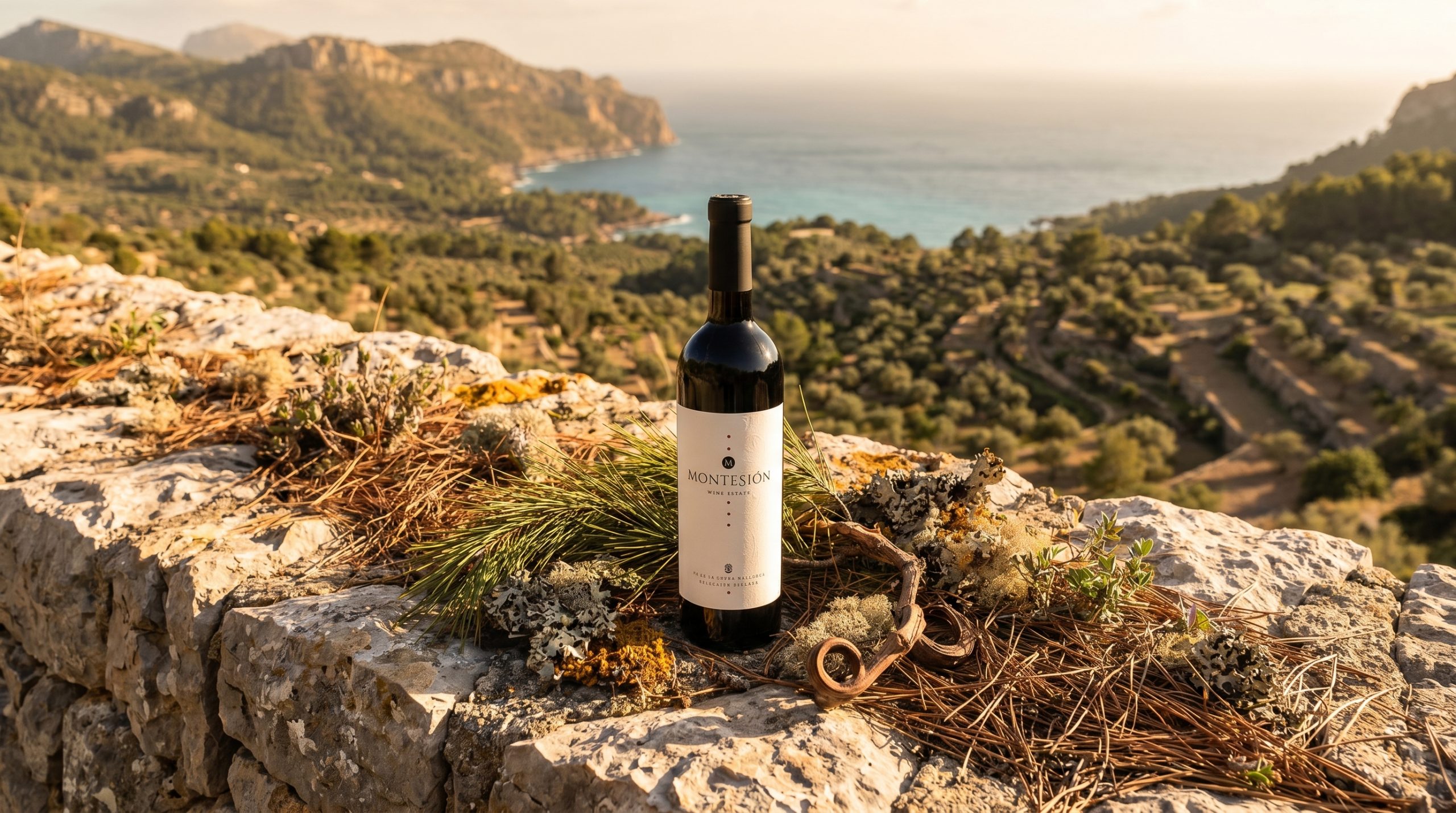
For instance, the Callet grape requires incredibly precise soil balance to achieve its signature elegance. If the earth becomes too dry or sterile, the resulting fruit lacks tension and aromatic depth. However, when cultivated in deeply regenerated, moisture-rich earth, the vines produce grapes with perfect phenolic ripeness and vibrant acidity. This profound connection to the land is beautifully captured in the Montesión Callet Limited Edition 2007, where the rich, full-bodied profile and earthy undertones directly reflect the vitality of the vineyard floor. The moderate tannins tell the story of a vine that never suffered from severe drought stress.
Furthermore, this level of viticultural dedication at Montesion Wine Estate elevates the entire category of biodynamic wine Spain on the global stage. Collectors and enthusiasts increasingly seek out bottles that demonstrate true ecological harmony. They understand that rigorous farming protocols yield superior flavor concentration and structural longevity. Therefore, the updated certification framework does not merely protect the environment; it actively guarantees a higher standard of sensory experience for the consumer.
The Future of Resilient Winemaking
The newly established certification criteria mark a definitive turning point for Mediterranean viticulture. By prioritizing microbial biomass retention and mandating climate-specific preparations, the regulatory body has directly addressed the looming threat of desertification. Consequently, vineyards operating in arid zones must elevate their agricultural practices to maintain their ecological credentials. This shift guarantees that the land will remain fertile and productive for future generations of winemakers.
Moreover, these stringent requirements validate the intensive labor required to cultivate living soils in hot climates. Estates that have already spent decades nurturing their subterranean ecosystems will find their methods officially recognized and codified. Ultimately, this rigorous approach to farming ensures that vino biodinámico continues to represent the pinnacle of environmental stewardship and quality. The true beneficiary of this agricultural evolution is the wine itself, which gains unprecedented depth, vitality, and authentic regional character.
Frequently Asked Questions
What is Demeter certification for vineyards?
This certification represents the highest global standard for biodynamic agriculture, requiring farmers to treat their vineyards as self-sustaining, living organisms. The regulatory framework prohibits all synthetic fertilizers and chemical pesticides while mandating specific homeopathic preparations to enhance soil vitality. Consequently, certified estates must adhere to rigorous annual inspections that verify their commitment to biodiversity, animal welfare, and ecological harmony.
How does biodynamic farming improve soil health?
This agricultural method actively regenerates the earth by fostering complex microbial communities and increasing organic matter content. Farmers utilize specific compost preparations and diverse cover crops to create a porous, sponge-like soil structure that retains moisture exceptionally well. As a result, the vineyard ecosystem becomes highly resilient against erosion and drought, allowing vine roots to access deep mineral reserves without artificial irrigation.
Why is organic wine from Spain gaining popularity?
Consumers increasingly demand transparency and environmental responsibility behind the beverages they purchase, driving massive growth in this sector. Spanish producers benefit from a naturally dry climate that reduces the need for chemical disease control, making ecological farming highly effective. Furthermore, these sustainable practices yield grapes with superior flavor concentration, resulting in vibrant, authentic wines that clearly express their unique regional terroirs.
What makes Balearic Islands wine unique?
The isolated maritime climate and distinct limestone-rich soils create an entirely unique viticultural environment found nowhere else in the world. Winemakers focus heavily on indigenous grape varieties like Callet and Prensal Blanc, which have perfectly adapted to the local Mediterranean conditions over centuries. Therefore, the resulting vintages offer a distinct combination of bright salinity and earthy undertones that beautifully reflect their island origins.
