

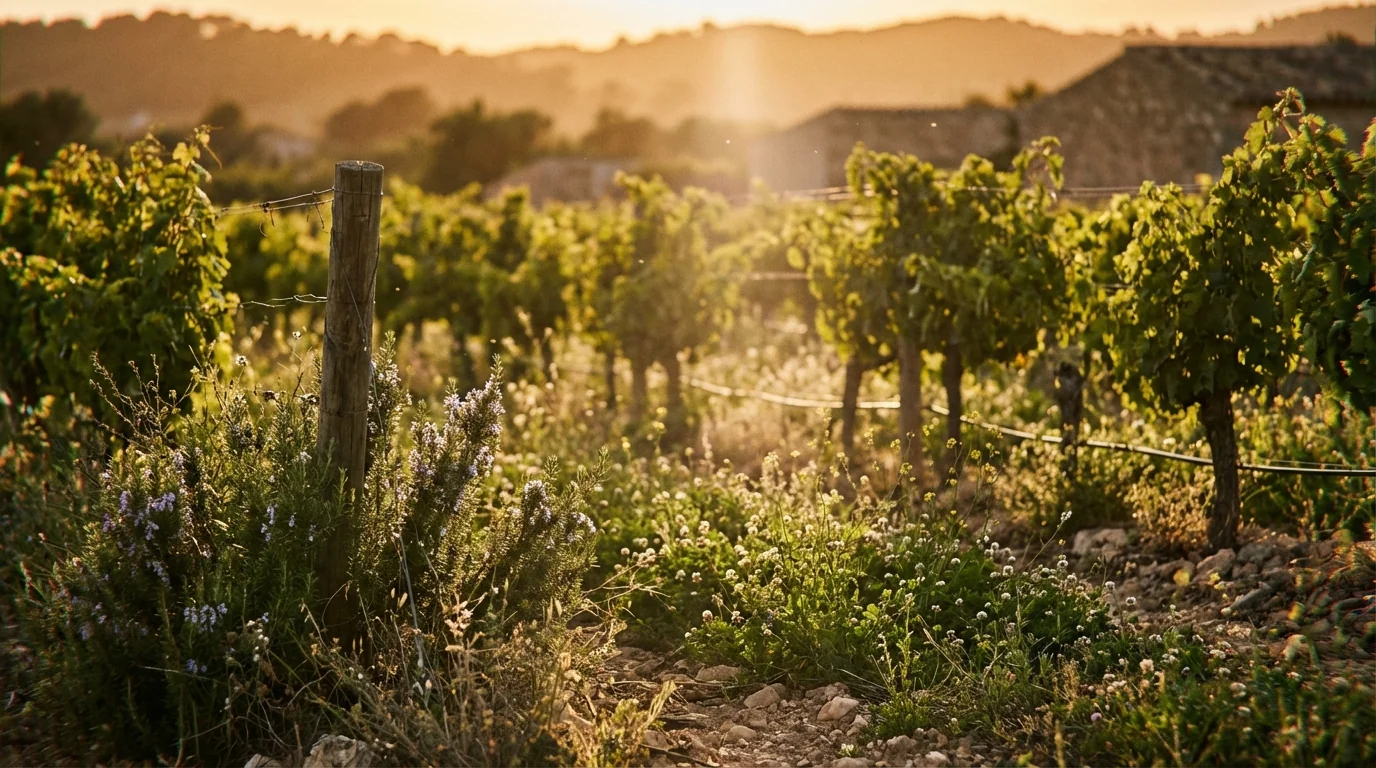
Achieving Demeter certification for the 2026 harvest will require vineyards to implement stricter protocols for water management and ecological corridors. The recently published Demeter International standards update introduces specific mandates for Mediterranean climates, focusing heavily on adapting biodynamic preparations to combat prolonged drought. These new regulations ensure that sustainable viticulture practices at Montesion Wine Estate evolve to meet escalating environmental challenges while preserving soil vitality.
The agricultural landscape of the Mediterranean basin is experiencing a profound shift, driven by consecutive years of erratic rainfall and unprecedented summer heat waves. In response to these shifting climatic realities, the global governing body for biodynamic farming has released its revised framework for the upcoming harvest cycle. This regulatory evolution signals a critical pivot from basic organic compliance toward regenerative resilience. Vineyards across southern Europe must recalibrate their agronomic strategies to align with these heightened ecological demands. The updated mandates specifically address the vulnerabilities of arid regions, transforming traditional farming methodologies into climate-adaptive systems. For estates like Montesion Wine Estate cultivating indigenous grape varieties under challenging weather conditions, understanding these nuanced regulatory shifts is essential. The new directives demand a proactive architectural redesign of the vineyard ecosystem to capture moisture, foster complex life cycles, and sustain the deep-rooted vitality required for premium winemaking.
How Will the Demeter 2026 Directives Reshape Mediterranean Water Management?
Agricultural water consumption remains the most critical vulnerability for European wine producers, particularly within the arid zones of the Balearic Islands. The revised framework for Demeter 2026 establishes a stringent new baseline for hydrological stewardship, mandating that certified estates implement closed-loop moisture retention systems. Rather than relying on supplemental irrigation, which depletes local aquifers, the updated regulations require the cultivation of deep-rooted cover crops and the strategic application of composted organic matter to increase the soil’s water-holding capacity. Recent agronomic data indicates that a one percent increase in soil organic matter can retain an additional 75,000 liters of water per hectare, a metric that directly informs these compliance targets.
Vineyards dedicated to producing organic wine Spain must transition from reactive drought responses to proactive landscape hydration. This involves a fundamental redesign of vineyard topography to capture seasonal rainfall before it evaporates. The standards necessitate the integration of swales, terracing, and specific soil preparations that encourage vine roots to penetrate deeper into the limestone bedrock.
| Regulatory Focus | Previous Standard (Up to 2025) | New Requirement (2026 Onward) |
|---|---|---|
| Irrigation Strategy | Permitted during extreme heat stress | Strictly limited; requires approved water-capture infrastructure |
| Soil Hydration | Basic cover cropping recommended | Mandatory multi-species cover crops specifically for moisture retention |
| Drought Preparation | Standard biodynamic sprays | Specialized high-silica preparations tailored for Mediterranean aridity |
Why Are Enhanced Biodiversity Corridors Now Mandatory for Vineyards?
The architectural layout of a vineyard dictates its ecological resilience, and the new regulatory framework recognizes that isolated pockets of nature are insufficient for long-term vine health. Establishing robust biodiversity in vineyards now requires the creation of contiguous ecological corridors rather than fragmented patches of wild flora. These corridors function much like a high-speed urban transit network for beneficial insects and native fauna, allowing predatory wasps, ladybugs, and local bird populations to move seamlessly across the agricultural landscape. This continuous movement creates a self-regulating ecosystem that naturally suppresses pest populations.
For estates producing authentic Mallorca wine and exporting premium vino biodinámico, integrating these biological highways means dedicating a larger percentage of the total land to non-productive, wild habitats. The updated standards mandate that these zones must feature native Mediterranean scrub, such as wild rosemary, lentisk, and wild olive trees, which co-evolved with local insect populations. This structural diversity directly influences the microbiological complexity of the soil, affecting the fermentation dynamics of the harvested grapes.
The implementation of these expanded ecological zones involves several specific agronomic adjustments:
- Reclaiming marginal vineyard edges to plant indigenous flowering shrubs that bloom sequentially throughout the year.
- Establishing permanent hedgerows between vineyard blocks to serve as windbreaks and microclimate regulators.
- Integrating native trees within the vine rows to provide varied root architectures and shade during peak summer heat.
- Designing specific habitats for micro-fauna, including dry stone walls that offer shelter for local reptile populations essential for pest control.
Adapting Biodynamic Wine Standards to Combat Prolonged Drought Conditions
The application of specific field preparations forms the cornerstone of regenerative agriculture, but shifting climate patterns require a recalibration of traditional timing and dosages. The updated biodynamic wine standards introduce refined protocols specifically designed for regions experiencing extreme thermal stress and minimal summer precipitation. Traditional applications of horn silica, typically used to enhance light metabolism and ripening, must now be managed with extreme precision to avoid exacerbating vine stress during heatwaves. The new guidelines provide a specialized framework for Mediterranean climates, focusing on early morning applications and modified dilutions that strengthen the plant’s cellular structure without accelerating dehydration.
This evolution in sustainable viticulture emphasizes the use of localized, farm-generated inputs over standardized recipes. Estates are encouraged to incorporate indigenous botanicals into their compost teas and field sprays, utilizing plants naturally adapted to the local aridity. By fermenting native herbs gathered directly from the estate’s own ecological corridors, viticulturists can inoculate their soils with highly adapted microbial communities. This localized approach is particularly crucial for the production of natural wine, where the absence of cellar interventions necessitates absolute chemical balance in the harvested fruit.
The revised protocols outline specific methodologies for drought-resistant preparation applications:
- Shifting the application of horn manure to the late autumn, maximizing soil microbial activity during the brief Mediterranean rainy season.
- Utilizing valerian extracts during unexpected temperature spikes to regulate the vine’s thermal response and prevent heat shock.
- Incorporating finely ground local basalt into compost heaps to increase the mineral retention of the final humus, thereby improving soil structure and water capacity.
The Future Trajectory of Mediterranean Regenerative Agriculture
The transition toward the 2026 regulatory framework represents a definitive maturation of ecological farming practices across the European continent. These stringent mandates for water retention and contiguous wild habitats demand a proactive approach to vineyard management. Agricultural estates must engineer landscapes capable of absorbing environmental shocks while maintaining the biological balance required for premium viticulture.
By formalizing the requirement for robust ecological corridors and climate-adapted field preparations, the updated framework ensures that certified properties operate as fully integrated ecosystems. This shift guarantees that the resulting products reflect a profound connection to their specific geological origins. For estates cultivating indigenous grape varieties like Callet or Manto Negro in the Balearic Islands wine sector, exceeding these baseline benchmarks represents a fundamental commitment to preserving the agronomic heritage of the region, ensuring the soils remain vibrant for future harvests.
Frequently Asked Questions
What are the new Demeter certification requirements for 2026?
The 2026 updates introduce stringent mandates focusing on water retention infrastructure and the expansion of continuous ecological corridors within agricultural properties. Certified estates must implement advanced moisture capture systems, such as specialized multi-species cover cropping and targeted topography redesigns, minimizing reliance on supplemental irrigation. Furthermore, the regulations require a higher percentage of the total land area to be dedicated to native habitats that support local fauna populations, moving away from fragmented biodiversity patches to integrated biological highways.
How do biodynamic wine standards address severe drought conditions?
The updated standards address severe drought by modifying the timing, dosage, and composition of traditional field preparations specifically for Mediterranean climates. Viticulturists are required to prioritize localized compost teas and adapt the application of silica-based sprays to prevent heat shock during extreme summer temperatures. By shifting soil-enhancing treatments to the autumn rainy season and utilizing native, drought-resistant botanicals, vineyards can build deeper root systems and increase the soil’s natural water-holding capacity without synthetic interventions.
Why is biodiversity in vineyards essential for sustainable viticulture?
Maintaining robust biodiversity in vineyards creates a self-regulating ecosystem that naturally manages pest populations and builds complex soil microbiomes. Contiguous ecological corridors composed of native shrubs act as transit networks for beneficial insects, predatory birds, and local reptiles, eliminating the need for chemical pesticides. This diverse biological environment directly enhances the vitality of the vine roots and the microbial life of the soil, translating to healthier grapes and resilient agricultural systems capable of withstand climatic fluctuations.
