
Understanding demeter certification wine standards requires looking beyond basic chemical-free farming to see the vineyard as a living organism. While organic certification simply bans synthetic pesticides, Demeter mandates active ecological regeneration through specific compost preparations and biodiversity quotas. Therefore, biodynamic estates like Montesion Wine Estate actively build soil vitality rather than just minimizing harm. This rigorous approach fundamentally transforms how vines interact with their native terroir.
The global conversation around sustainable agriculture frequently blurs the lines between various environmental certifications. Consumers increasingly seek clarity regarding what exactly goes into their glass. Recent market data indicates that the global biodynamic wine sector is expanding at a compound annual growth rate (CAGR) of over 14 percent, reflecting a massive shift in consumer demand for absolute ecological purity.
A fundamental shift is occurring across Mallorca wine regions and broader Mediterranean vineyards, moving from mere harm reduction to active ecological restoration. Specifically, organic farming defines what a grower cannot do, whereas biodynamic principles dictate what a grower must do. Navigating these frameworks reveals profound differences in agricultural philosophy. The Mediterranean climate, with its intense sun and distinct dry seasons, presents unique challenges for dry-farmed vines. Consequently, strict adherence to international biodynamic rules requires precise local adaptation. Readers will discover how these exacting protocols reshape vineyard management, influence soil microbiology, and dictate wine quality at Montesion Wine Estate.
How Does Biodynamic vs Organic Wine Actually Compare?
Many enthusiasts assume these two classifications are nearly identical. However, the distinction between biodynamic vs organic wine involves entirely different agricultural paradigms. Organic certification primarily focuses on the prohibition of synthetic inputs. Growers eliminate chemical herbicides, artificial fertilizers, and systemic fungicides. Yet, an organic vineyard can still operate as a monoculture, importing organic fertilizers from outside sources.
Conversely, Demeter guidelines demand a closed-loop system. The farm must generate its own fertility internally. Furthermore, biodynamic estates must dedicate at least ten percent of their total land to biodiversity preservation. This means integrating forests, wetlands, or insectary gardens directly alongside the vines. Such ecological diversity prevents pest outbreaks naturally.
Another stark contrast appears in the cellar. Organic wine Spain regulations permit various additives and industrial yeasts, provided they are certified organic. Demeter protocols severely restrict cellar interventions. Winemakers cannot use commercial yeast strains, enzymes, or aggressive filtration methods. Consequently, the resulting natural wine, or vino biodinámico, truly reflects its specific vintage and soil composition.
Biodynamic practitioners also align their agricultural tasks with lunar and cosmic cycles. While this aspect often attracts skepticism, the underlying mechanism is quite practical. Tracking lunar phases helps growers anticipate sap flow and water retention in the vines. Pruning during a descending moon, for instance, minimizes sap loss and accelerates healing. Therefore, these traditional timing methods complement the rigorous ecological standards.
Strict Demeter Viticulture Requirements for Soil Health
The foundation of any certified biodynamic estate lies in its soil management protocols. Demeter viticulture requirements mandate the use of nine specific preparations to enhance soil biology. These preparations utilize common herbs, quartz, and cow manure, fermented in highly specific conditions. For example, Preparation 500 involves burying manure inside cow horns throughout the winter. This process cultivates a massive concentration of beneficial bacteria and fungi.
When spring arrives, farmers unearth these horns and dynamically stir the contents in water. They spray this highly diluted mixture across the vineyard to stimulate root growth and soil humus formation. As a result, the soil structure improves dramatically, increasing its capacity to retain water. This water retention is crucial in arid climates where irrigation is restricted.
Disease management presents another strict hurdle for certification. Growers rely heavily on Preparation 501, a finely ground silica mixture sprayed on the vine canopy. This application strengthens leaf cuticles, making them more resistant to fungal infections like powdery mildew. Additionally, farmers utilize herbal teas made from horsetail or nettle to boost plant immunity naturally.
These stringent rules ensure the vineyard operates as an independent ecosystem. By eliminating reliance on external inputs, the estate develops a profound resilience against climate volatility. These practices collectively build a robust defense mechanism against unpredictable weather patterns.
Implementing Biodynamic Farming Mallorca Style
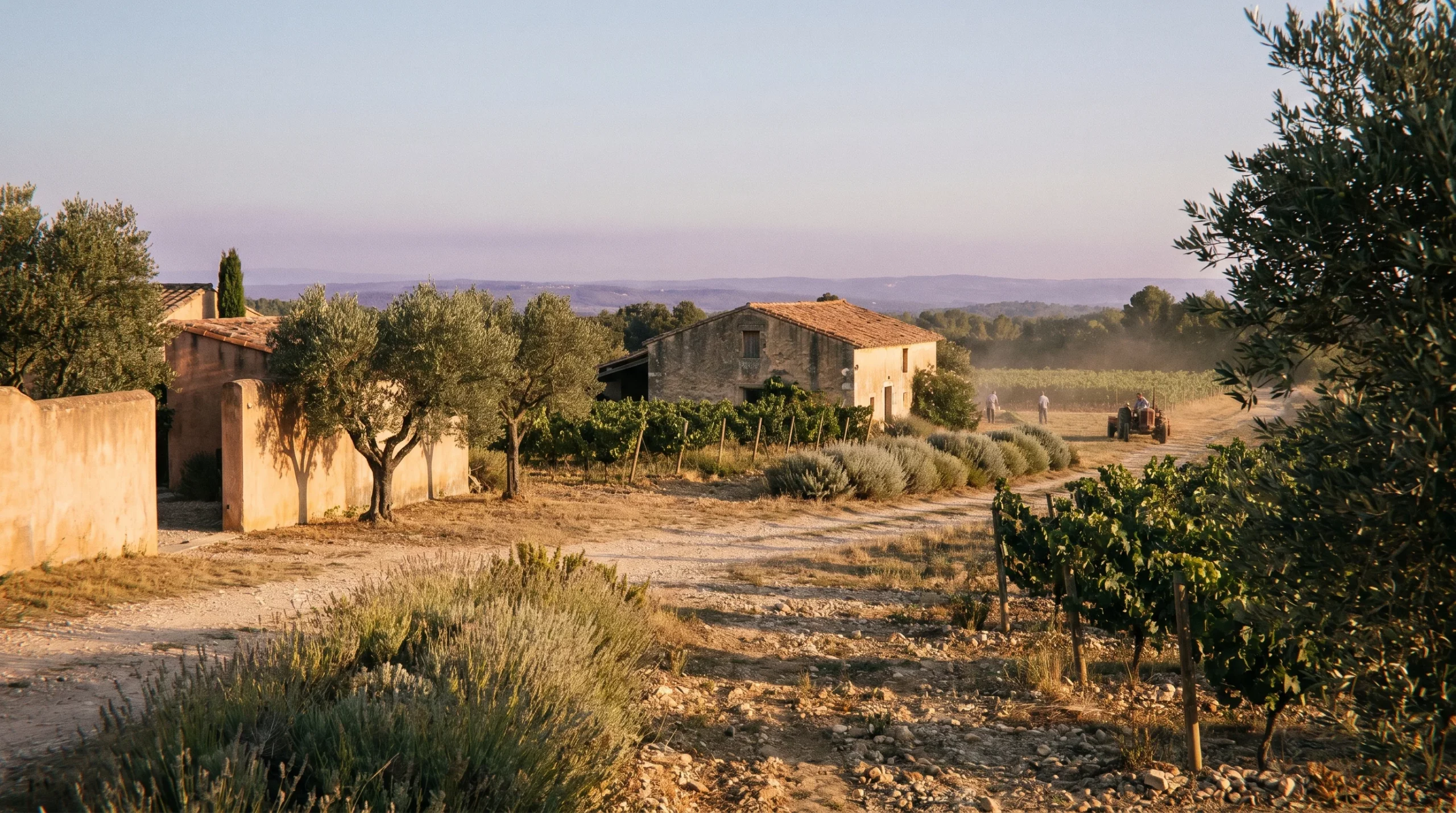
Adapting these rigid international rules to a Mediterranean island requires deep local expertise. Biodynamic farming mallorca style must account for intense summer heat, strong sea winds, and highly calcareous soils. Therefore, island viticulturists focus heavily on cover cropping to protect the topsoil from solar radiation. Planting native legumes and cereals between the vine rows lowers surface temperatures and prevents erosion during torrential autumn rains.
Furthermore, the integration of local fauna plays a vital role in island biodynamics. Flocks of native sheep often graze the vineyards during winter months. These animals manage the cover crops naturally while contributing essential manure to the soil cycle. This symbiotic relationship perfectly illustrates the closed-loop philosophy required by demeter certification wine standards.
The true test of these methods appears in the glass, particularly with indigenous grape varieties. The rugged terrain and biodynamic resilience beautifully shape local grapes like Callet. When tasting the Montesión Callet Limited Edition 2007, the profound connection to the island’s terroir becomes undeniable. The rich, earthy undertones and vibrant red fruits express a landscape that has been actively nurtured rather than merely extracted from.
Such meticulous care preserves the delicate acidity often lost in hot climates. By fostering deep root systems through biodynamic preparations, the vines access subterranean moisture and minerals. Consequently, the resulting Balearic Islands wine maintains exceptional balance and complexity, even in challenging drought years.
The Future of Resilient Viticulture
Achieving and maintaining rigorous biodynamic certification rules requires an unwavering commitment to ecological harmony. Growers must abandon convenient chemical solutions in favor of labor-intensive, holistic farm management. Consequently, the vineyard transforms into a vibrant, self-regulating ecosystem capable of withstanding extreme climate fluctuations.
The distinction between organic baseline rules and biodynamic mandates is profound. While organic farming successfully removes toxins from the environment, biodynamics actively rebuilds soil vitality and biodiversity. Furthermore, the mandatory use of specific preparations creates a resilient terroir that expresses itself clearly in the final vintage.
This rigorous approach is particularly vital for Mediterranean estates facing increasing heat and drought stress. By forcing vines to root deeply and fostering robust soil microbiology, producers guarantee the longevity of their historic plots. Ultimately, these exacting standards do more than protect the environment. They ensure that every bottle captures the authentic, unadulterated spirit of its native landscape.
Frequently Asked Questions
What are the main demeter certification wine standards?
The primary demeter certification wine standards require managing the vineyard as a closed-loop, self-sustaining ecosystem. Farms must dedicate at least ten percent of their land to biodiversity, such as forests or insectary zones. Additionally, growers must apply specific homeopathic soil preparations made from manure, quartz, and medicinal herbs. In the cellar, the rules strictly forbid commercial yeasts, enzymes, and heavy manipulation techniques, ensuring the wine ferments naturally.
Is Demeter certification better than organic?
Demeter certification is generally considered more rigorous and comprehensive than standard organic certification. While organic rules simply prohibit the use of synthetic pesticides and fertilizers, they do not mandate active ecological improvement. Conversely, Demeter requires farmers to actively rebuild soil health and generate their own fertilizers on-site. Therefore, many environmental experts view biodynamics as a regenerative step beyond basic organic baseline requirements.
How does biodynamic farming impact the taste of wine?
Biodynamic farming impacts the taste of wine by fostering deeper root systems and healthier soil microbiology. Because the vines cannot rely on artificial fertilizers, they must dig deep into the bedrock to find nutrients and water. This deep rooting translates into a more pronounced mineral character and a stronger expression of the specific terroir. Furthermore, the mandatory use of native wild yeasts during fermentation adds unique aromatic complexities that commercial yeasts cannot replicate.
