
A demeter certified wine guarantees that the vineyard operates as a self-sustaining, living organism far beyond standard organic farming. This rigorous certification eliminates synthetic chemicals while requiring specific biodynamic preparations that enhance soil vitality. Consequently, consumers experience pure expressions of terroir that reflect the absolute highest standards of ecological agriculture at Montesion Wine Estate.
Global demand for ecologically responsible agriculture drives a massive shift in how vineyards manage their ecosystems. The global market for organic wine in Spain continues to expand rapidly. However, standard organic labels only represent the baseline of sustainable farming. The conversation now shifts toward a much more demanding framework that treats the entire agricultural property as an interconnected web of life.
Demeter certification demands a radical departure from conventional monoculture. Furthermore, understanding this holistic approach reveals why certain bottles capture the essence of their origin with such clarity. The Balearic Islands wine region offers a fascinating case study in applying these rigorous standards. Ultimately, exploring these methods at Montesion Wine Estate exposes the profound dedication required to achieve the gold standard of environmental stewardship.
Understanding the Chasm: Biodynamic vs Organic Wine
Many consumers use ecological terms interchangeably when shopping for biodynamic wine. The distinction between organic agriculture and biodynamic practices represents a fundamental shift in farming philosophy. Specifically, organic farming primarily focuses on what a viticulturist cannot do, such as applying synthetic pesticides or chemical fertilizers. Biodynamic farming dictates what a grower must do to actively regenerate the ecosystem. Therefore, the vineyard transforms from a simple production site into a complex, self-regulating ecological reserve.
Standard organic guidelines often permit importing organic fertilizers from external sources. Meanwhile, biodynamic principles require the farm to generate its own fertility through composting and animal integration. A Demeter-approved estate operates as a closed loop where external inputs are strictly minimized. For instance, creating a thriving habitat for beneficial insects becomes just as crucial as tending to the vines themselves.
| Feature | Standard Organic Wine | Demeter Certified Bottle |
|---|---|---|
| Focus | Eliminating synthetic chemicals | Holistic farm regeneration |
| Fertility | External organic fertilizers allowed | Closed-loop, on-farm composting |
| Biodiversity | Encouraged but rarely mandated | Strict requirement for ecological reserves |
| Preparations | None required | Mandatory use of biodynamic sprays |
These differences manifest clearly in the final product. Indeed, natural wine enthusiasts frequently seek out biodynamic bottles because the minimal intervention approach extends directly into the cellar. Consequently, the fermentation process relies entirely on wild yeasts native to that specific vineyard plot, ensuring absolute authenticity.
Decoding the Rigorous Demeter Certification Requirements
Achieving the official biodynamic seal requires navigating one of the most stringent agricultural audits in existence. Demeter certification requirements mandate a multi-year transition period where the soil must completely recover from previous chemical exposure. Inspectors evaluate the entire property, meaning a farmer cannot certify a single vineyard block while managing the rest conventionally. Consequently, this all-or-nothing approach ensures absolute integrity across the entire agricultural operation.
The data highlights the exclusivity of this rigorous path. Globally, only around 7,000 estates hold this prestigious certification, representing a tiny fraction of the world’s total agricultural output. The standards limit copper sulfate applications to a maximum of three kilograms per hectare annually, which is significantly lower than many standard organic regulations allow. This strict limitation protects the soil microbiology from heavy metal accumulation over time. Additionally, growers must dedicate at least ten percent of their total land area to wild biodiversity reserves.
These reserves act as crucial habitats for natural predators that control vineyard pests. The ecosystem achieves a natural balance without requiring external pest control interventions. Next, the farmer must apply specific homeopathic preparations made from herbs, minerals, and animal manures. For example, burying cow horns filled with manure over the winter cultivates powerful soil microbes. Ultimately, these meticulously timed applications stimulate root growth and enhance water retention.
Sustainable Viticulture Mallorca: Adapting to the Island Climate
The Mediterranean environment presents a distinct set of climatic variables for holistic farmers. When discussing sustainable viticulture, Mallorca requires constant adaptation to intense summer heat and variable rainfall patterns. However, biodynamic practices offer remarkable resilience against these environmental stressors. Because the soil develops a sponge-like structure through rich compost applications, it retains crucial moisture during extended dry spells.
Cultivating indigenous grape varieties plays a vital role in this localized ecological strategy. Grapes that evolved on the island naturally resist local diseases and thrive in the limestone-rich soils. For instance, the Callet grape demonstrates exceptional drought tolerance while producing wines of remarkable elegance and aromatic complexity. Working with these native vines aligns perfectly with the philosophy of honoring the specific terroir.
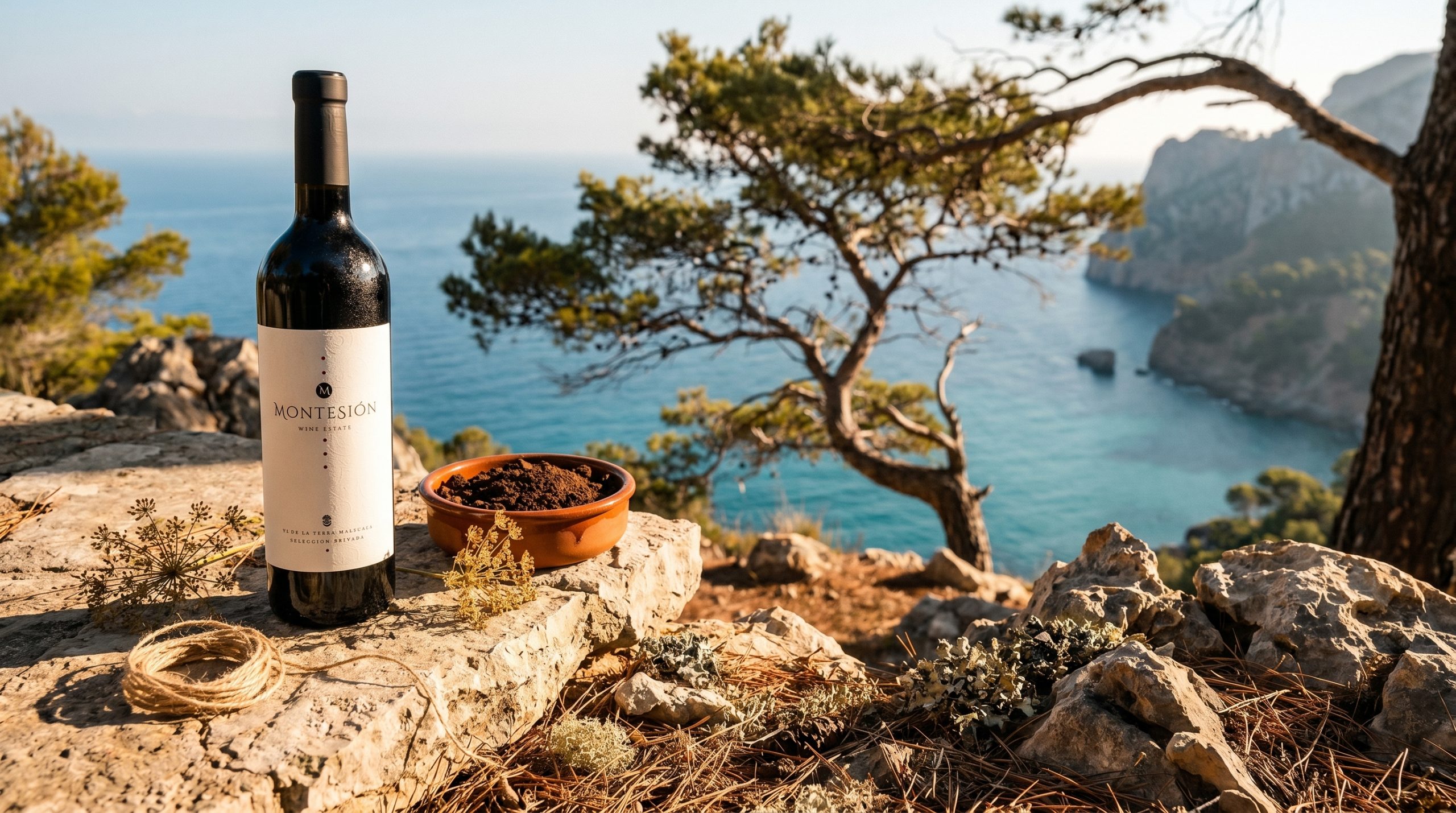
Integrating these ancient varieties with regenerative farming yields extraordinary results in the glass. A perfect example of this synergy is the Montesión Callet Limited Edition 2007, which captures the island’s earthy undertones and vibrant red fruit characteristics. Indeed, this approach proves that respecting the natural rhythms of the local environment elevates the final quality. For collectors of premium Mallorca wine, this means discovering bottles with unprecedented vitality.
The sea breeze sweeping across the island naturally ventilates the vine canopies. As a result, fungal pressures decrease significantly, allowing farmers to maintain pristine canopy health using only natural herbal teas.
Synthesizing the Future of Holistic Winemaking
The transition toward regenerative agriculture represents a necessary evolution in global viticulture. Demeter certification provides a transparent framework for estates dedicated to genuine ecological stewardship. By treating the farm as a living organism, growers cultivate profound resilience against shifting climate patterns. Consequently, the soil regains its natural vitality, creating a thriving habitat for beneficial organisms.
This meticulous approach directly translates into the quality of the wine. Because biodynamic practices eliminate synthetic interference, the resulting bottles offer an unadulterated reflection of their specific origin. The integration of indigenous varieties further amplifies this authentic expression of terroir.
Choosing these rigorously certified wines supports a farming philosophy that actively heals the earth. Therefore, the commitment to these standards guarantees a product that respects both the consumer and the environment. Ultimately, the future of premium winemaking undoubtedly lies in this profound connection to nature.
Frequently Asked Questions
What makes a demeter certified wine different from standard organic wine?
A demeter certified wine must adhere to strict biodynamic farming principles that go far beyond basic organic requirements. While organic farming prohibits synthetic chemicals, the Demeter standard mandates active ecological regeneration through specific homeopathic preparations and closed-loop farm management. The certification requires setting aside at least ten percent of the land for biodiversity reserves. Consequently, this holistic approach treats the entire vineyard as a self-sustaining living organism rather than just a crop production facility.
How do Demeter certification requirements impact the winemaking process?
Demeter certification requirements strictly regulate both the agricultural practices in the vineyard and the specific techniques used inside the cellar. Winemakers must rely exclusively on native wild yeasts for fermentation rather than introducing commercial yeast strains. The standards severely restrict the use of sulfites and prohibit manipulative processes like reverse osmosis. Therefore, the resulting wine maintains absolute purity and offers a genuine expression of the vineyard’s unique terroir.
Why is sustainable viticulture in Mallorca particularly suited for biodynamic farming?
Sustainable viticulture mallorca benefits immensely from the island’s unique Mediterranean climate and constant coastal breezes. The natural ventilation from the sea helps keep the vine canopies dry, which significantly reduces the risk of fungal diseases without chemical intervention. The biodynamic focus on building humus-rich soil allows the vines to retain crucial moisture during the intense, dry summer months. As a result, indigenous grape varieties thrive naturally while expressing the authentic mineral characteristics of the local limestone soils.
