
Achieving the rigorous demeter wine certification requires viticultural practices that go far beyond standard organic farming. Vineyards must operate as entirely self-sustaining ecosystems, eliminating synthetic inputs while actively regenerating soil health. Therefore, this strict agricultural framework ensures every bottle from Montesion Wine Estate reflects genuine ecological vitality. A certified estate prioritizes deep biodiversity, transforming the land into a resilient, living organism.
Global demand for sustainable agriculture constantly drives new consumer preferences across the beverage industry. Specifically, market data shows the organic wine sector growing by nearly ten percent annually. However, many enthusiasts now seek deeper ecological commitments than baseline labels provide. Consequently, a pronounced shift toward regenerative agriculture has illuminated the rigorous standards of biodynamic cultivation.
Understanding these stringent requirements reveals exactly why this seal represents the gold standard of environmental stewardship. Vineyards adopting these methods commit to systemic ecological transformation rather than simple chemical substitution. For instance, farmers must integrate animal husbandry, botanical preparations, and astronomical rhythms into their daily operations. Ultimately, this holistic approach rebuilds depleted topsoil and fosters unparalleled microbial diversity. Exploring these technical frameworks exposes the profound differences between marketing buzzwords and measurable environmental impact.
The Core Philosophy Behind a Demeter Certified Winery
The foundational principle of any demeter certified winery rests on treating the farm as a single, self-regulating organism. Therefore, external inputs remain strictly prohibited under these international guidelines. Instead, farmers generate their own compost, fertilizers, and pest management solutions directly from the estate. This closed-loop system forces a deep reliance on natural cycles and ecological balance.
Achieving this stringent certification demands years of meticulous land rehabilitation. Specifically, standard organic farming merely removes synthetic chemicals from the equation. Biodynamic agriculture, conversely, demands proactive regeneration of the entire landscape through specific practices:
- Integrating animal husbandry to produce natural fertilizers directly on the estate.
- Applying homeopathic field preparations made from yarrow, chamomile, and stinging nettle.
- Aligning planting and harvesting schedules with broader astronomical rhythms.
These botanical treatments actively stimulate humus formation and enhance nutrient uptake in the vine roots.
Furthermore, the certification process mandates rigorous annual audits to verify complete compliance with international standards. Inspectors evaluate everything from water conservation strategies to the ethical treatment of livestock. Consequently, the resulting wines capture an unadulterated expression of their specific terroir. This uncompromising methodology ensures that every agricultural decision prioritizes long-term ecological resilience. Indeed, this holistic philosophy fundamentally redefines the vital relationship between the dedicated farmer and the cultivated agricultural land at Montesion Wine Estate.
Organic vs Biodynamic Wine: Understanding the Ecological Gap
Consumers frequently confuse different sustainable agriculture labels when browsing for environmentally conscious products. However, analyzing the specific regulations reveals a massive gap between baseline organic standards and biodynamic protocols. Market analysts indicate that while the organic wine Spain sector grows rapidly, Demeter-certified estates represent less than one percent of global acreage. This statistical rarity highlights the immense difficulty of achieving and maintaining such rigorous ecological standards.
Standard organic regulations primarily focus on what farmers cannot do. Specifically, they ban synthetic pesticides, herbicides, and artificial fertilizers. Yet, organic farmers can still rely heavily on imported organic fertilizers from external sources. Meanwhile, biodynamic rules dictate what farmers must actively create. A certified estate must dedicate a minimum of ten percent of its total landmass strictly to biodiversity preservation.
| Standard Requirement | Baseline Organic Farming | Demeter Certification |
|---|---|---|
| Synthetic Chemical Ban | Yes | Yes |
| Biodiversity Quota | None specified | Minimum 10% of total land |
| External Fertilizers | Allowed (if organic) | Strictly limited (closed-loop) |
| Botanical Preparations | Not required | Mandatory application |
| Pest Management | Permitted organic sprays | Holistic ecosystem balance |
Furthermore, this strict biodiversity mandate forces the creation of wildlife corridors, insectary gardens, and natural wetlands. These ecological refuges support beneficial predators that naturally manage pest populations. As a result, the vineyard develops a robust immune system capable of resisting disease without constant human intervention. Therefore, the distinction between organic vs biodynamic wine fundamentally centers on proactive ecosystem generation rather than mere chemical reduction.
How Biodynamic Farming Mallorca Adapts to Island Microclimates
Beneath the surface of any thriving vineyard lies a complex, microscopic universe of fungi and bacteria. Indeed, soil health serves as the ultimate barometer of success within this regenerative framework. Conventional agriculture often treats soil simply as a physical anchor for plant roots. Conversely, biodynamic farming mallorca views the earth as a living, breathing entity requiring constant nourishment to survive the intense Mediterranean climate.
To achieve optimal soil vitality, practitioners rely on precise compost applications. Specifically, specialized preparations utilize cow manure fermented underground throughout the winter months. This unique process produces a highly concentrated humus teeming with beneficial microorganisms. When sprayed across the vineyard, this preparation dramatically increases root depth and enhances drought resistance. Consequently, the vines access deeper mineral reserves while naturally retaining critical moisture during the long, dry island summers.
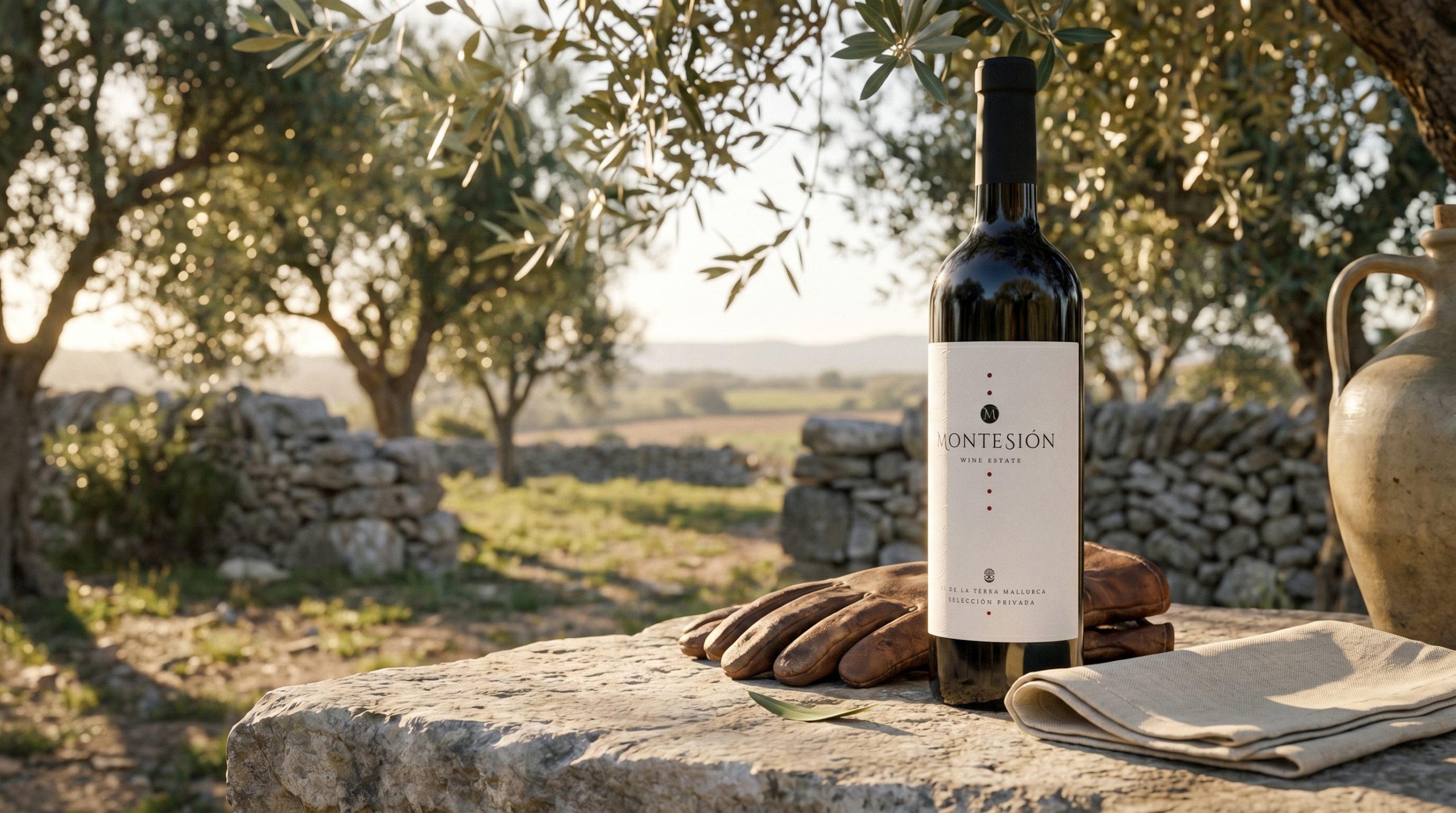
This profound connection to the earth directly influences the final character of the harvest. For instance, indigenous grape varieties require incredibly healthy soil to express their true aromatic potential. When cultivation honors these strict ecological parameters, the results speak through the glass. A perfect example of this terroir-driven expression is the Montesión Callet Limited Edition 2007, which captures the raw, earthy undertones of a perfectly balanced ecosystem.
Additionally, thriving soil biology dramatically improves carbon sequestration capabilities. Healthy, humus-rich earth captures atmospheric carbon and stores it safely underground. Thus, these rigorous agricultural standards transform vineyards into active participants in global climate mitigation. Ultimately, vibrant soil produces resilient vines, ensuring consistent quality regardless of fluctuating weather patterns.
Beyond the Label: The Real Impact of Mallorca Wine Cultivation
Navigating the complex world of sustainable viticulture requires looking past marketing claims to understand true ecological methodology. The rigorous standards established by international certification bodies provide a transparent framework for genuine environmental stewardship. Specifically, the mandate for closed-loop farming ensures that every agricultural action benefits the broader ecosystem. As a result, these estates function as vital sanctuaries for local flora and fauna.
Furthermore, the profound focus on soil regeneration guarantees the long-term viability of the agricultural landscape. By actively building humus and fostering microbial diversity, farmers protect the earth for future generations. This enduring commitment to ecological balance elevates the entire standard of regional wine production.
Ultimately, the true value of natural wine practices lies in the measurable health of the land. When a vineyard operates as a self-sustaining organism, the surrounding environment thrives alongside the vines. This uncompromising dedication to nature ensures that every harvest authentically reflects the vibrant spirit of its unique Mediterranean terroir.
Frequently Asked Questions
What does demeter wine certification actually mean?
This international certification represents the highest global standard for biodynamic agriculture. Vineyards must operate as completely self-sustaining ecosystems without relying on synthetic chemicals or external fertilizers. Furthermore, the strict guidelines mandate the use of specific homeopathic preparations to actively regenerate soil health. Therefore, earning this seal proves a profound, verifiable commitment to holistic environmental stewardship.
How does organic vs biodynamic wine differ in practice?
Standard organic farming primarily eliminates synthetic pesticides and artificial fertilizers. However, biodynamic protocols require farmers to actively rebuild the ecosystem through mandatory biodiversity quotas and closed-loop agricultural practices. For instance, certified estates must dedicate a minimum of ten percent of their land strictly to ecological preservation. Consequently, the latter approach represents a proactive regeneration of the landscape rather than mere chemical reduction.
Why is biodynamic farming mallorca particularly challenging?
The Balearic Islands feature a demanding Mediterranean climate characterized by intense summer heat and limited rainfall. Therefore, farmers must implement advanced soil management techniques to maximize natural water retention without relying on excessive irrigation. By utilizing specialized compost preparations, viticulturists significantly increase the organic matter within the earth. Ultimately, these regenerative methods allow indigenous grape varieties to thrive despite the rigorous environmental stressors.
