
Securing a Demeter wine certification requires vineyards to operate as completely self-sustaining, closed-loop ecosystems. This rigorous standard goes far beyond avoiding synthetic chemicals, demanding active soil regeneration and adherence to lunar cycles. Consequently, a Demeter certified vineyard, such as those managed by Montesion Wine Estate, must produce its own fertilizers and integrate biodiversity naturally. These strict mandates ensure every bottle authentically reflects its unique terroir without external manipulation.
Global demand for sustainable agriculture has pushed the organic beverage market to unprecedented heights. Specifically, industry data projects a steady annual growth rate of 10% over the next decade. However, discerning enthusiasts increasingly seek out farming philosophies that actively repair the environment rather than simply doing less harm. This shift explains the rising prominence of biodynamic wine across international markets. While basic organic labels prohibit artificial pesticides, they still permit imported organic fertilizers and extensive cellar interventions. Conversely, the biodynamic approach treats the entire farm as a single living organism. Furthermore, growers must adhere to strict international guidelines to earn the coveted Demeter seal. By examining these protocols, one gains a profound appreciation for the intense labor and ecological harmony required to produce genuinely natural wine at Montesion Wine Estate.
What Makes Demeter Wine Certification the Strictest Standard?
The foundation of any Demeter certified vineyard rests on the concept of farm individuality. Specifically, the estate must function autonomously without relying on imported materials. Therefore, farmers generate their own compost and cultivate diverse plant life to support natural pest control. This closed-loop system sharply contrasts with conventional monoculture farming. Moreover, inspectors evaluate the entire property, not just the grapevines.
To maintain this prestigious status, producers dedicate at least ten percent of their total land to biodiversity reserves. These designated ecological zones typically include:
- Uncultivated native forests
- Natural wetlands and riparian buffers
- Dedicated insectary gardens
Consequently, the vineyard becomes a thriving ecosystem rather than an isolated factory. Additionally, the certification mandates strict limits on water usage and heavy machinery.
The Origins of the Closed-Loop Farm
Austrian philosopher Rudolf Steiner first articulated these foundational concepts during a series of agricultural lectures in 1924. Recognizing the deep flaws in industrial agriculture, he proposed a holistic method to restore biological balance. Today, the Demeter organization upholds these exact teachings through rigorous annual audits.
These meticulous records guarantee total transparency from the soil to the cellar. Indeed, achieving this compliance requires immense dedication and financial investment. Yet, the resulting resilience protects the vines against extreme weather. Ultimately, this framework produces healthier grapes with deeper flavor profiles.
Biodynamic vs Organic Wine: Where Do the Differences Lie?
Understanding these two popular categories often confuses consumers. Essentially, all biodynamic farming is organic, but the reverse is rarely true. Organic regulations primarily focus on prohibiting synthetic herbicides and pesticides. In contrast, biodynamic rules dictate what a farmer must actively do to improve the land. Therefore, the biodynamic vs organic wine debate centers on proactive regeneration versus passive preservation.
Organic certifiers allow vineyards to import approved fertilizers from external sources. Meanwhile, biodynamic practitioners must create nutrient-rich compost directly on their own property using animal manure and cover crops. Furthermore, cellar practices reveal another massive divide between the two philosophies. Conversely, Demeter strictly prohibits commercial yeast strains, enzymes, and synthetic fining agents.
Analyzing the Certification Gap
The restrictions placed on sulfur dioxide also highlight the severity of these guidelines. While organic standards permit moderate sulfur additions to stabilize the vintage, biodynamic limits remain significantly lower. Consequently, the final beverage offers an unmanipulated expression of the grape.
| Feature | Organic Certification | Demeter Certification |
|---|---|---|
| Chemical Pesticides | Strictly Prohibited | Strictly Prohibited |
| Fertilizer Source | External Organic Allowed | Must Be Produced On-Site |
| Biodiversity Quota | Encouraged | Mandatory 10% Minimum |
| Cellar Additives | Dozens Permitted | Severely Restricted |
| Yeast Types | Commercial Strains Allowed | Indigenous Native Yeasts Only |
This comparison clearly illustrates why the Demeter seal represents the pinnacle of ecological farming. Ultimately, the extra labor translates into a purer, more vibrant tasting experience.
How Do Biodynamic Viticulture Principles Shape the Vineyard Ecosystem?
Implementing biodynamic viticulture principles requires a profound understanding of natural rhythms and botanical medicine. Farmers utilize nine specific preparations made from herbs, minerals, and animal manures. For instance, Preparation 500 involves packing cow horns with manure and burying them underground throughout the winter. This unusual process fosters massive microbial growth, which farmers later spray across the fields to stimulate root development. Similarly, Preparation 501 uses crushed quartz to enhance photosynthesis and light absorption.
These specialized treatments act like homeopathic remedies for the earth. Moreover, practitioners time their agricultural activities according to the lunar and astrological calendar. Root days favor planting, while fruit days offer the optimal conditions for harvesting. Although critics occasionally dismiss these cosmic rhythms as mystical, empirical evidence shows they significantly impact sap flow and cellular structure. Consequently, the grapes achieve optimal phenolic ripeness without artificial irrigation.
Crafting Terroir-Driven Masterpieces
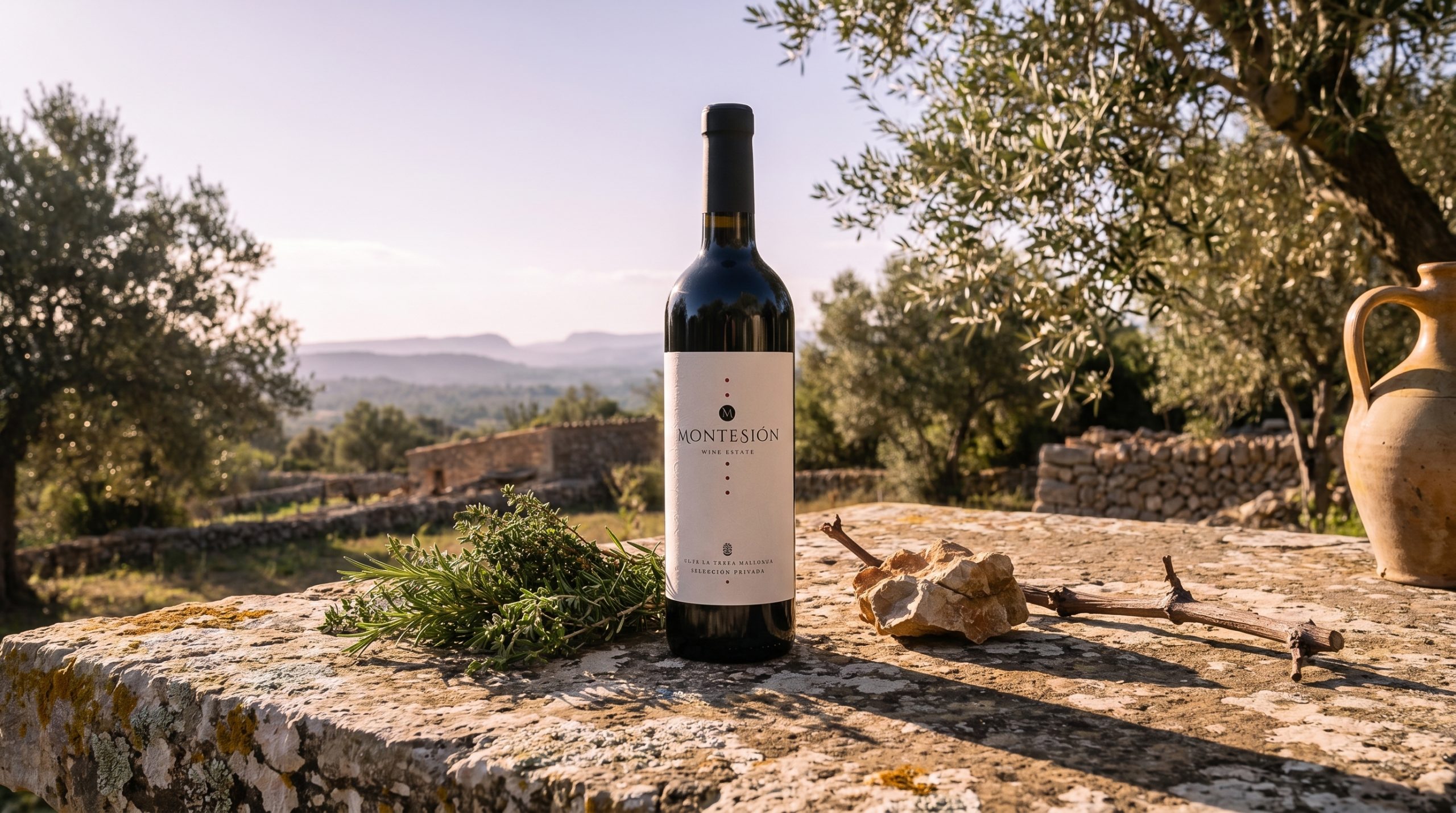
This intense dedication allows indigenous grape varieties to thrive. By eliminating chemical interference, the roots dig deeper into the mineral-rich substrate. Therefore, the harvest captures the precise essence of the local environment. A perfect example is the Montesión Callet Limited Edition 2007, which showcases the rich, earthy undertones unique to Mallorca wine. The moderate tannins reflect a perfectly balanced ecosystem.
Furthermore, cultivating native varieties like Callet naturally supports regional biodiversity. These vines possess inherent resistance to local pests and diseases. Thus, they require far less intervention than imported international grapes. Ultimately, adhering to these methodologies ensures the vineyard remains fertile for generations.
The Future of Regenerative Winemaking
The rigorous demands of Demeter certification establish an unparalleled benchmark for sustainability. First, the absolute requirement for closed-loop farming forces estates to achieve true ecological independence. Second, severe restrictions on cellar interventions guarantee consumers experience the unadulterated harvest flavor. Finally, mandatory biodiversity quotas ensure vineyards function as thriving wildlife sanctuaries rather than sterile crop factories. Together, these elements forge a resilient model for global agriculture.
As climate volatility continues to challenge traditional farming, these regenerative practices offer a proven path forward. Indeed, estates embracing these strict protocols do not just produce superior beverages; they actively heal the planet. This unwavering commitment to environmental stewardship perfectly aligns with the enduring philosophy championed by Montesion Wine Estate. Ultimately, every biodynamic bottle serves as a testament to the power of working in harmony with nature.
Frequently Asked Questions
What is the main purpose of Demeter wine certification?
The primary goal of this certification is to ensure an agricultural property operates as a self-sustaining, living organism. Therefore, the standards mandate that farmers eliminate synthetic chemicals while actively regenerating soil health through natural composts. Furthermore, the organization enforces strict rules regarding biodiversity and ethical animal husbandry. Consequently, the resulting seal guarantees consumers are purchasing a genuinely sustainable, unmanipulated product.
How does biodynamic farming differ from standard organic practices?
While both methodologies prohibit artificial pesticides, biodynamic farming demands a much deeper level of ecological integration. Specifically, organic farmers can import external fertilizers, whereas biodynamic estates must produce their own nutrients on-site. Additionally, biodynamic guidelines strictly limit cellar interventions, banning commercial yeasts and chemical flavor adjustments. Thus, the biodynamic approach focuses on holistic farm vitality rather than merely avoiding toxic inputs.
Why do biodynamic viticulture principles incorporate the lunar calendar?
Practitioners utilize lunar cycles because the moon’s gravitational pull significantly affects moisture levels in the earth and sap flow within the vines. For instance, harvesting during specific cosmic alignments ensures the grapes retain maximum flavor concentration and structural integrity. Moreover, timing planting and pruning activities with these natural rhythms promotes stronger root development and disease resistance. Ultimately, this cosmic synchronization helps maximize the plant’s natural vitality without chemical stimulants.
