

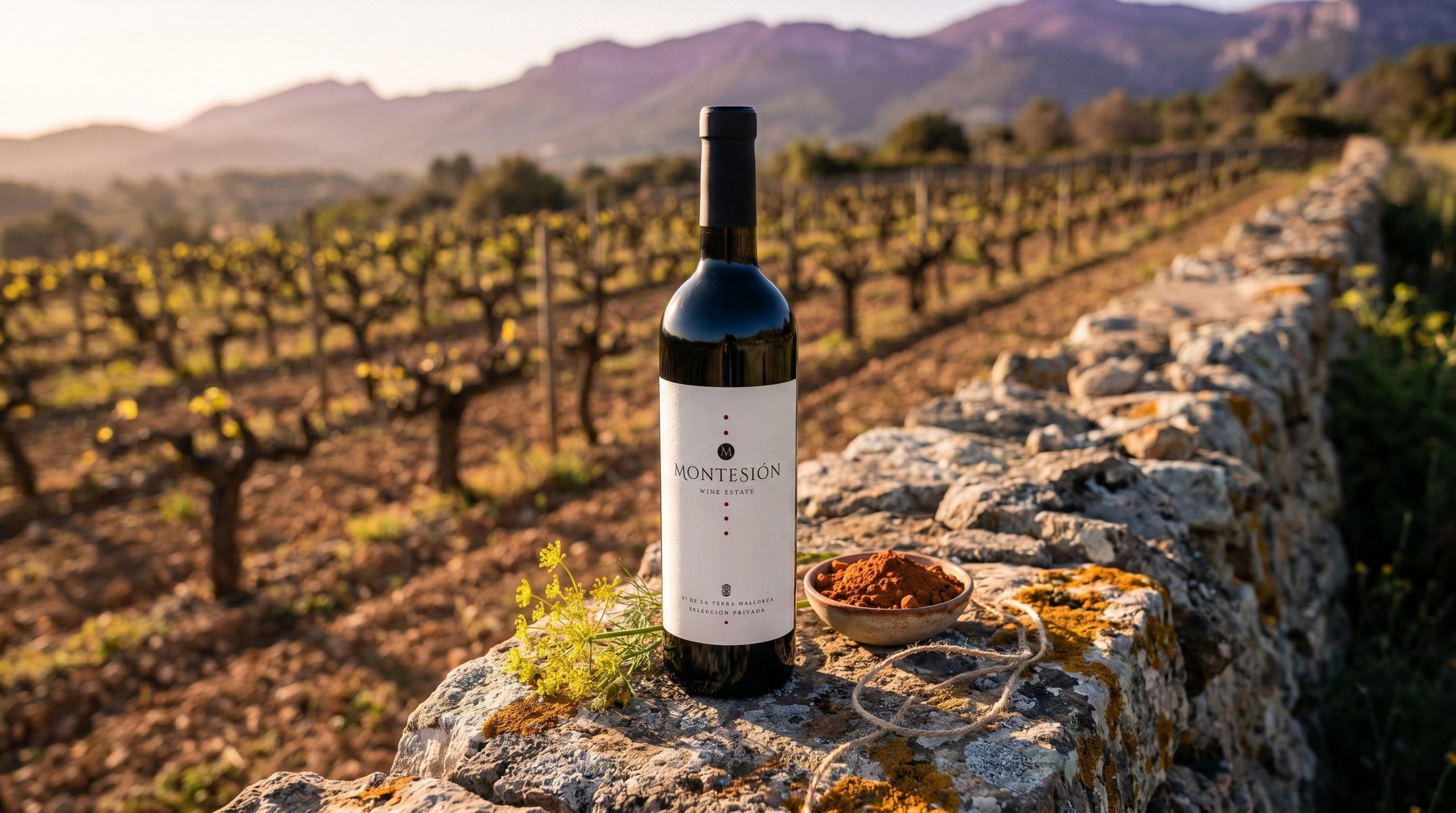
The rising popularity of indigenous mallorca wine varieties stems from a global shift toward authentic, terroir-driven viticulture. Enthusiasts increasingly seek out the unique flavor structures found in native grapes like Callet and Prensal Blanc. Consequently, these historically overlooked vines now command attention on international wine lists, a trend championed by Montesion Wine Estate. They offer a distinct alternative to ubiquitous blends while reflecting the island’s rugged beauty.
Over the past decade, the international wine market has experienced a 35% increase in demand for hyper-local, native grape varieties. Collectors actively pursue wines that tell a specific geographical story. Mallorca sits at the epicenter of this viticultural renaissance. Historically, farmers prioritized high-yield international vines to satisfy mass-market tourism. However, dedicated estates like Montesion Wine Estate are now reversing that trend by reviving ancient vineyards. Specifically, they focus on cultivating resilient, drought-tolerant vines that thrive in the iron-rich soils. This transition serves as a necessary adaptation to changing climate patterns. By embracing their viticultural heritage, local winemakers produce bottles with unmatched character. Readers will discover how specific grape profiles shape these exceptional vintages. Furthermore, they will understand why these distinct island wines secure placements in top-tier restaurants.
What Drives the Global Demand for Native Island Varietals?
The global wine industry routinely tracks consumer preferences across different demographic segments. Currently, market data indicates a sharp pivot toward lesser-known regional specialties. For instance, recent industry export reports show that wines made from obscure native grapes command a 20% price premium over standard international blends. Consumers willingly pay more for rarity and a distinct sense of place. Therefore, the international fascination with indigenous mallorca wine varieties aligns perfectly with this broader market trajectory. Drinkers actively seek out mallorca native grapes to experience flavors they cannot find anywhere else.
Island viticulture naturally enforces low yields and high concentration. Furthermore, the geographical isolation of the archipelago preserves unique genetic vine material. Consequently, these vines develop thick skins to survive the maritime climate, making them perfect candidates for producing authentic Balearic Islands wine. Winemakers harness these natural survival mechanisms to craft highly structured, aromatic profiles. Rather than manipulating the juice, producers allow the raw material to dictate the final style. Furthermore, the rise of natural wine enthusiasts has accelerated this trend, as drinkers actively seek unmanipulated expressions of local terroir.
- Climate resilience: Native vines naturally withstand prolonged heat.
- Gastronomic versatility: Their bright acidity pairs effortlessly with diverse cuisines.
- Cultural authenticity: Drinkers value the historical narrative behind their beverage choices.
- Soil translation: Indigenous roots extract distinct mineral characteristics.
How Does the Callet Grape Profile Capture the Island’s Terroir?
Callet once served primarily as a blending component for everyday rustic table wines. However, visionary viticulturists recognized its hidden potential when cultivated under strict yield management. Today, the callet grape profile defines the elegant, aromatic spectrum of high-end Mediterranean reds. This thin-skinned variety requires meticulous canopy management to prevent sunburn while ensuring optimal phenolic ripeness. As a result, the vine produces clusters with remarkable aromatic complexity rather than heavy, extracted tannins. Achieving this level of purity often requires strict adherence to Demeter certification standards in the vineyard.
A pristine example of this varietal expression is the Montesión Callet Limited Edition 2007. This specific bottling demonstrates how careful aging allows the grape’s inherent earthy undertones to harmonize with vibrant red fruit notes. Indeed, mature Callet often draws favorable comparisons to fine Pinot Noir. Yet, it retains a distinct warmth and a signature hint of wild fennel.
The soil composition plays a critical role in shaping these characteristics. Specifically, the iron-rich clay soils impart a distinct mineral tension to the wine. Furthermore, the maritime breezes deposit microscopic salt crystals on the grape skins. This subtle salinity translates directly into the glass, providing a refreshing, savory finish. Ultimately, Callet demands immense patience to reveal its true pedigree.
Why Is Prensal Blanc Wine Becoming a Sommelier Favorite?
While red varieties often dominate the spotlight, indigenous white grapes offer equally compelling narratives. Specifically, prensal blanc wine has emerged as a cornerstone of the island’s viticultural identity. This vigorous vine produces large clusters that naturally resist typical fungal diseases. Therefore, it serves as an ideal candidate for biodynamic wine production and strict organic wine Spain protocols. Winemakers appreciate its generous texture and its ability to absorb subtle oak influences without losing its core identity.
The aromatic profile typically features orchard fruits, white flowers, and a distinct raw almond bitterness. Moreover, its relatively low natural acidity requires careful harvest timing to maintain absolute freshness. To achieve balance, producers often utilize lees stirring during the fermentation process. This technique builds mid-palate weight and enhances the wine’s creamy mouthfeel. As a result, the finished vino biodinámico pairs beautifully with rich seafood dishes and traditional Mediterranean fare.
| Characteristic | Prensal Blanc | Sauvignon Blanc | Chardonnay |
|---|---|---|---|
| Aromatic Profile | Pear, almond, chamomile | Grass, grapefruit | Apple, vanilla |
| Palate Texture | Waxy, broad, textural | Crisp, linear | Round, heavy |
| Climate Suitability | High heat tolerance | Cool climates | Adaptable |
Ultimately, this indigenous white variety proves that the local terroir produces serious, age-worthy wines that command global respect.
The Enduring Legacy of Island Viticulture
The global recognition of native Mallorcan grapes represents a permanent shift in fine wine appreciation. Initially, collectors overlooked these rustic island varieties in favor of familiar imports. However, the market now clearly favors authentic, terroir-driven bottles over standardized blends. Furthermore, varieties like Callet and Prensal Blanc prove that indigenous vines offer superior climate resilience. Finally, rigorous biodynamic farming methodologies unlock the true potential of these historical vines. Therefore, the future of island viticulture relies entirely on preserving this unique genetic heritage.
Estates that commit to these ancient varieties serve as vital custodians of the region’s agricultural history. By rejecting high-yield shortcuts, they ensure the survival of a fragile Mediterranean ecosystem. Moreover, this dedication translates into exceptional quality for the discerning consumer. Every carefully produced bottle offers a sensory journey through iron-rich soils. Ultimately, protecting biodiversity remains the most effective strategy for crafting truly memorable vintages.
Frequently Asked Questions
What makes Callet grapes unique compared to other red wine varieties?
The Callet grape stands out due to its exceptionally thin skin and naturally low alcohol potential. Consequently, it produces elegant, light-bodied red wines with complex aromatic profiles rather than heavy structures. Furthermore, this indigenous variety thrives in iron-rich clay soils, which impart a distinct earthy minerality. Winemakers often compare its delicate floral notes and rustic charm to premium Pinot Noir.
How does Prensal Blanc contribute to the flavor of Mallorcan white wines?
Prensal Blanc provides a broad, textural foundation for the island’s premium white wine production. Specifically, it delivers a unique flavor profile characterized by ripe orchard fruits and a signature raw almond finish. Because it possesses naturally low acidity, winemakers frequently use lees aging to enhance its creamy mouthfeel. Therefore, it excels both as a single-varietal wine and as a blending component.
Why is Demeter certification important for indigenous wine varieties?
Demeter certification guarantees that a vineyard operates under the strictest biodynamic agricultural standards globally. This rigorous methodology eliminates synthetic chemicals, forcing native vine roots to dig deeper into the limestone bedrock. As a result, the grapes extract a much purer, unadulterated expression of the specific local terroir. Ultimately, this holistic farming approach enhances the natural resilience of indigenous vines.
