

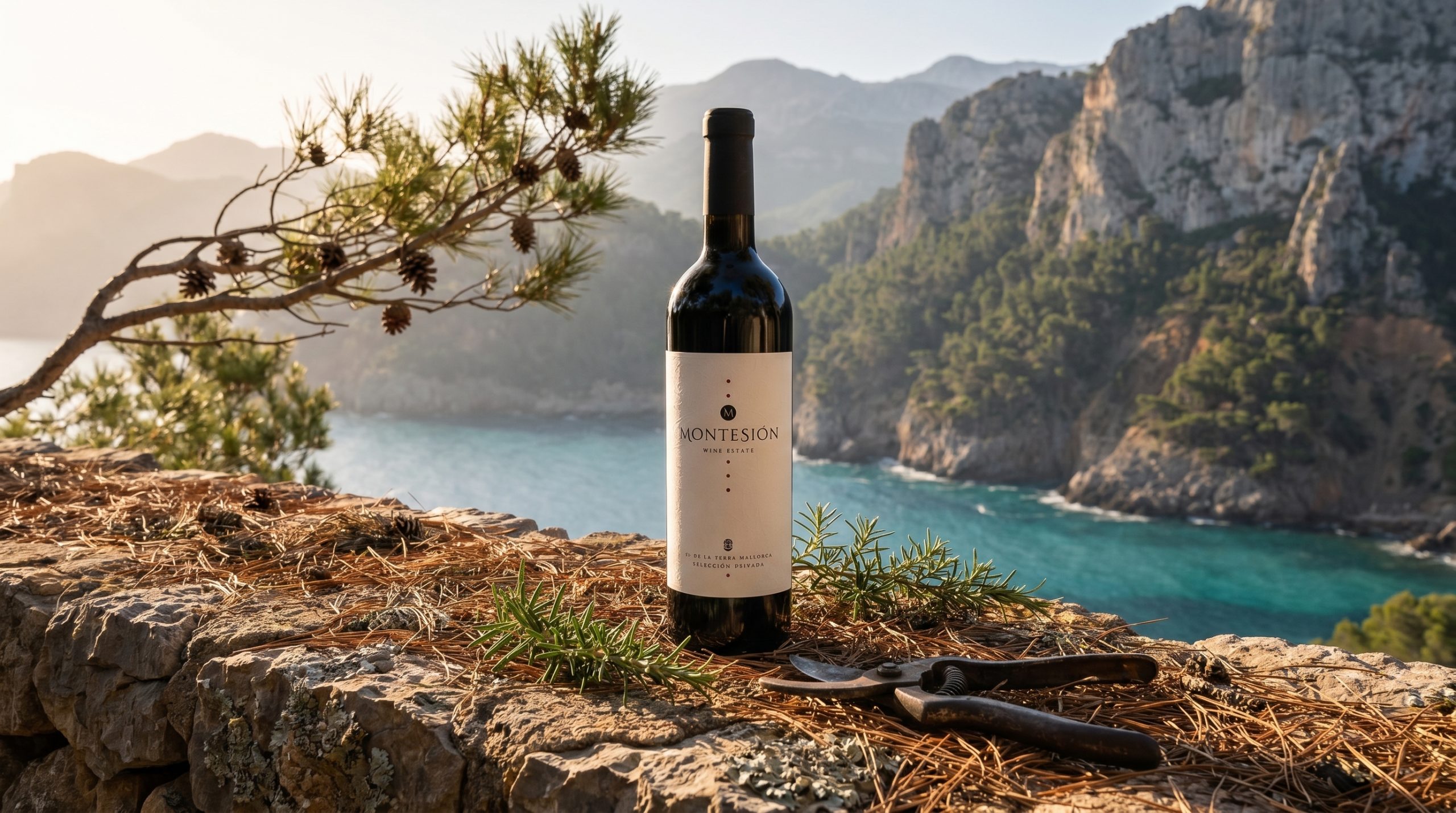
Indigenous Mallorcan grapes offer the most resilient and authentic expression of the island’s unique terroir. Varietals like Callet and Prensal Blanc naturally withstand rising temperatures while delivering distinct flavor profiles that international grapes cannot replicate. Cultivating these native vines at Montesion Wine Estate preserves vital agricultural heritage and produces exceptional, climate-adapted wines.
Global vineyard temperatures have risen significantly over the past fifty years. This climatic shift forces viticulturists worldwide to rethink their reliance on ubiquitous international grape varieties. Consequently, a quiet revolution is taking place across the Mediterranean basin. Winemakers are looking backward to move forward, rediscovering forgotten vines that evolved to thrive in harsh, arid conditions. Here in the Balearic Islands, this agricultural awakening centers on two remarkable survivors. The resurgence of these native vines marks a critical return to ecological balance and regional identity. Readers exploring this shift will discover how ancient rootstocks hold the key to sustainable viticulture.
Why Are Indigenous Mallorcan Grapes Surviving Climate Extremes?
The Mediterranean climate presents a formidable challenge for modern viticulture. Long, rainless summers and intense solar radiation frequently overwhelm imported vines, requiring extensive irrigation and chemical intervention. However, native island vines evolved specifically to endure these exact environmental stressors over centuries. Their genetic makeup provides natural drought resistance and exceptional heat tolerance.
For instance, these plants develop incredibly deep root systems that penetrate the limestone-rich soil to access hidden water reserves. This biological adaptation allows them to maintain steady hydration during the most brutal August heatwaves. Furthermore, their thicker skins protect the delicate pulp from sunburn while preserving essential acidity. Market data reflects a growing recognition of these evolutionary advantages. Recent agricultural surveys indicate a 28% increase in the cultivation of autochthonous varieties across the archipelago over the last decade.
This statistical shift highlights a broader movement toward sustainable farming practices. Cultivating native species drastically reduces the need for artificial irrigation, aligning perfectly with the principles of biodynamic wine production. Therefore, these resilient plants require far less human interference to yield magnificent harvests. Winemakers who trust the island’s ancestral vines consistently produce balanced, vibrant vintages even during record-breaking drought years. This approach ensures long-term ecological viability.
The Callet Grape Variety: A Rustic Red Reborn
Historically, local farmers dismissed the callet grape variety as a humble, rustic vine suited only for simple table beverages. Its naturally low alcohol content and pale color profile struggled to compete with the bold, heavy reds that dominated late twentieth-century markets. Yet, contemporary palates have evolved significantly, shifting away from overpowering extraction toward elegance, nuance, and terroir-driven authenticity.
Today, this once-overlooked grape stands at the forefront of the island’s viticultural renaissance. When cultivated with meticulous care and strictly limited yields, Callet produces remarkably sophisticated and aromatic reds. The flavor profile typically bursts with wild red berries, subtle Mediterranean herbs, and distinct earthy undertones. Moreover, the moderate tannins provide a silky, approachable texture that pairs beautifully with local cuisine. Managing these vines requires immense patience and precise canopy management to achieve optimal ripeness.
Preserving this fragile heritage demands a deep commitment to the land and the vine’s natural rhythms. True expression of this rustic red emerges only when the soil is alive and free from synthetic chemicals. This dedication to authentic, unhurried winemaking is perfectly encapsulated in the Montesión Callet Limited Edition 2007. Such rare expressions demonstrate exactly how a supposedly rustic grape can transform into a wine of profound complexity and aging potential.
Prensal Blanc Wine: The Mediterranean’s Crisp Secret
While red varieties often dominate the conversation, the island’s white wine heritage relies heavily on a brilliant grape known locally as Moll. Prensal blanc wine offers a refreshing counterpoint to the intense Mediterranean heat, delivering a crisp, aromatic experience. This vigorous vine thrives in the calcareous soils of the inland plains, producing large, golden clusters that capture the essence of the sun-drenched landscape.
The sensory profile of this native white grape is immediately captivating and entirely unique. Drinkers typically notice vibrant notes of ripe stone fruits, fresh green apple, and subtle hints of bitter almond on the finish. Additionally, a delicate floral aroma often floats above the glass, reminiscent of the almond blossoms that blanket the island every February. Achieving this delicate balance requires precise harvest timing to preserve the grape’s natural acidity before the late summer heat spikes.
| Feature | Callet (Red) | Prensal Blanc (White) |
|---|---|---|
| Primary Flavors | Wild raspberry, earth, herbs | Peach, green apple, almond |
| Tannin / Acidity | Moderate, silky tannins | Crisp, refreshing acidity |
| Soil Preference | Iron-rich clay, limestone | Calcareous, stony plains |
| Climate Adaptation | High heat tolerance | Drought resistant |
Integrating this variety into a Demeter certification framework amplifies its inherent qualities. Biodynamic preparations enhance the microbial life in the soil, which in turn boosts the vine’s immune system and nutrient uptake. Consequently, the resulting vintages express a purer, more vibrant minerality.
Preserving Balearic Islands Wine Heritage Through Biodynamics
The intersection of ancient genetics and holistic farming represents the ultimate frontier in ecological agriculture. Safeguarding the balearic islands wine heritage requires more than just planting the right seeds; it demands a comprehensive approach to vineyard management. Conventional farming strips the soil of its vitality, leaving even the most resilient native vines vulnerable to disease and climatic shock.
Conversely, embracing organic wine protocols breathes life back into the terroir. When vineyards operate as self-sustaining ecosystems, indigenous grapes truly flourish. Cover crops, integrated livestock, and lunar-guided harvesting schedules work synergistically to support the vines. As a result, the grapes develop thicker skins, richer aromatic compounds, and a profound sense of place. This methodology transforms the vineyard from a mere production facility into a thriving nature reserve.
Furthermore, the global demand for natural wine and vino biodinámico has created a viable economic model for this preservation work. Discerning consumers actively seek out bottles that tell a story of biodiversity and environmental stewardship. By prioritizing native varietals over imported clones, estates protect a genetic legacy that took millennia to evolve. Ultimately, this steadfast dedication ensures that future generations will still experience the authentic taste of the Mediterranean archipelago. These methods ensure long-term soil fertility.
The Future of Authentic Island Viticulture
The remarkable revival of native grape varieties proves that nature often holds the best solutions to modern agricultural challenges. Callet and Prensal Blanc have transitioned from forgotten rustic vines to the celebrated stars of the Mediterranean wine scene. Their inherent resilience makes them indispensable for sustainable farming, offering a compelling alternative to homogenized international wines. True viticultural mastery lies in listening to the land. By championing these indigenous plants, Montesion Wine Estate actively preserves a fragile biological legacy. Readers who choose these rare bottles directly support the vital conservation of authentic regional heritage.
Frequently Asked Questions
What does Callet grape variety wine taste like?
Wines crafted from this specific native red grape are celebrated for their elegance, lower alcohol content, and complex aromatic profile. The palate typically features vibrant notes of wild red berries, subtle Mediterranean herbs, and distinct earthy undertones. Because it possesses naturally moderate tannins, the resulting wine offers a silky, approachable texture that pairs exceptionally well with traditional rustic cuisine.
Why is Prensal Blanc important for Mallorca wine?
This vigorous white grape variety is crucial because it thrives in the island’s hot, arid climate while maintaining a refreshing, crisp acidity. It provides the foundational structure for most local white blends, contributing distinct flavors of peach, green apple, and a signature bitter almond finish. Cultivating this drought-resistant vine reduces the need for artificial irrigation, making it a cornerstone of sustainable island viticulture.
How does Demeter certification benefit the Balearic Islands wine heritage?
This rigorous biodynamic standard ensures that vineyards operate as holistic, self-sustaining ecosystems rather than industrial monocultures. By eliminating synthetic chemicals and promoting soil vitality through natural preparations, the certification protects the fragile genetic legacy of native vines. Consequently, estates producing vino biodinámico under these guidelines yield grapes that express the purest, most authentic representation of the local terroir.
