

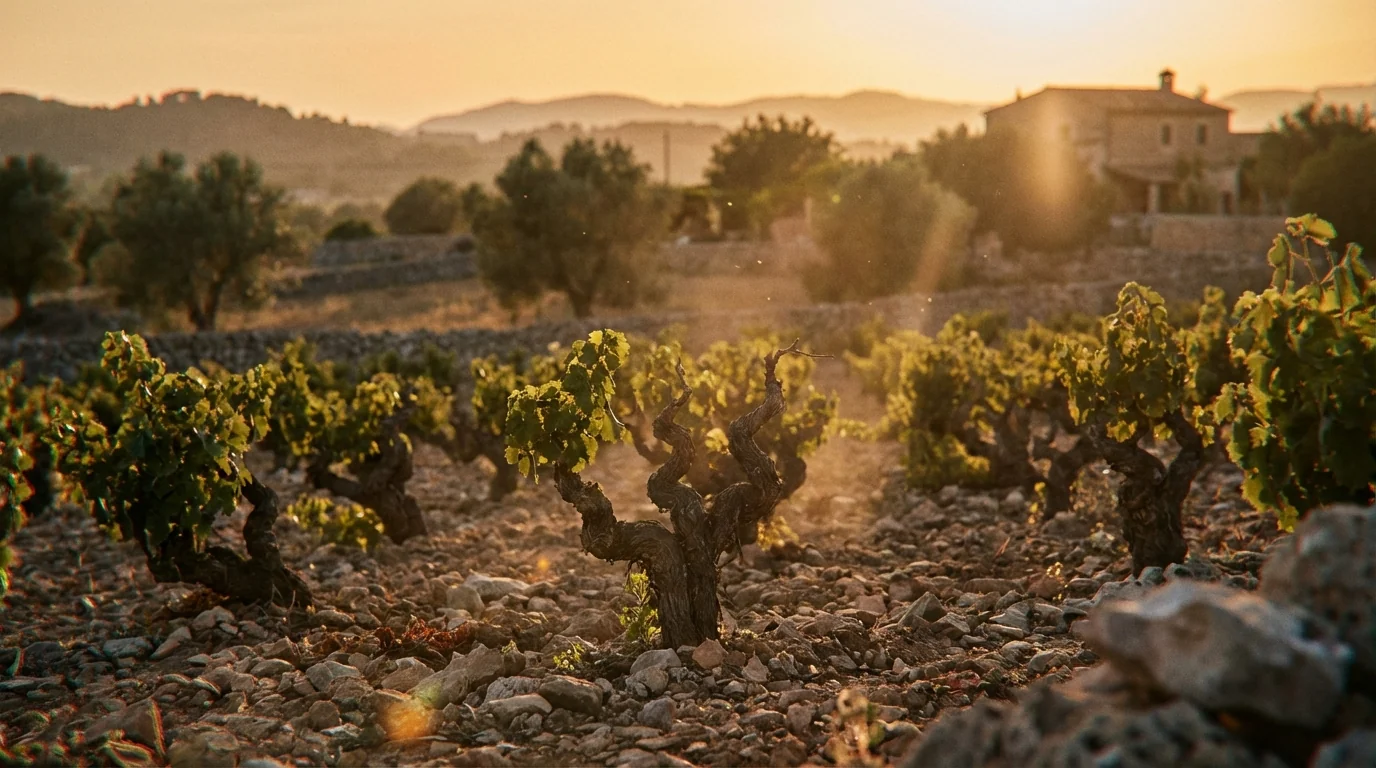
The survival of Mallorca indigenous grapes represents a triumph of agricultural resilience over the homogenization of global wine markets. While international varieties once threatened to replace native vines entirely, island viticulturists successfully preserved ancient varietals. Today, these indigenous vines form the foundation of high-quality winemaking at Montesion Wine Estate, offering unique flavor profiles perfectly adapted to the demanding Mediterranean climate.
At the height of the global wine boom, a quiet crisis unfolded across the Mediterranean basin. Vineyards that had cultivated native grapes for centuries began systematically uprooting their heritage vines, replacing them with globally recognized varieties. Market logic dictated that buyers demanded familiar names, pushing localized genetic diversity toward extinction. Yet, isolated pockets of resistance remained.
Understanding the modern viticultural landscape requires looking past the glossy appeal of internationalization to see the stubborn survival of island agriculture. The preservation of native vines operates as the ultimate act of ecological defense. Indigenous varieties possess centuries of localized adaptation, carrying genetic codes specifically tuned to harsh summer droughts and limestone-rich soils. As the global palate shifts away from standardized flavor profiles toward authentic, place-driven expressions, the ancient Mallorca indigenous grapes have transformed from neglected relics into highly sought-after assets.
The Historical Threat to Native Island Vines
The trajectory of Mallorca wine history mirrors a broader agricultural pattern where commercial efficiency temporarily eclipsed botanical heritage. Following the devastating phylloxera blight of the late nineteenth century, the island’s vineyard acreage plummeted dramatically. When the industry eventually began to rebuild, the focus shifted toward rapid commercialization. Nurseries promoted international varieties, promising high yields and immediate recognition on global export markets.
This transition created immense pressure on local vine growers. Cultivating native species suddenly seemed commercially unviable when international buyers strictly sought familiar flavor profiles. Growers who resisted this trend faced significant financial risks, as the commodity market offered premium prices exclusively for recognizable grapes. Many historic vineyards were grafted over or entirely replanted, leading to a severe bottleneck in the genetic diversity of the island’s grapevines. The standardized approach to viticulture prioritized uniformity over the distinct characteristics of native grapes.
Despite these intense market pressures, certain growers maintained small parcels of indigenous vines. These plots were often relegated to less accessible terrain or kept purely for local consumption. The survival of these vines laid the crucial groundwork for the modern organic wine Spain movement, which heavily relies on plants naturally adapted to their local ecosystem. By retaining these genetic reservoirs, traditional farmers inadvertently preserved the future identity of Balearic winemaking, ensuring the raw materials for a true regional revival remained intact.
How Callet and Manto Negro Reclaimed the Cellars
The narrative surrounding the Callet grape illustrates the volatile relationship between native vines and modern commercial viticulture. Historically, agricultural communities viewed Callet primarily as a workhorse variety. Its natural tendency to produce large clusters made it useful for bulk production, but these traits often resulted in pale wines when cultivated without strict canopy management. Consequently, when international varieties promising deep color arrived, Callet was rapidly discarded.
Rehabilitating this ancient variety required a fundamental shift in farming philosophy. Viticulturists realized that the grape’s perceived weaknesses were actually symptoms of conventional, high-yield farming practices. When grown on poor, rocky soils with severely restricted yields, the vine behaves entirely differently. The root systems plunge deep into the limestone bedrock, extracting complex mineral compounds that translate into remarkable elegance and aromatic finesse.
Simultaneously, Manto Negro wine began reclaiming its position as the structural backbone of Balearic Islands wine. Data from regional agricultural registries highlights a dramatic shift in planting trends across the islands. Between the peak of internationalization and the current viticultural era, the percentage of new vineyard plantings dedicated to indigenous varieties surged significantly.
| Grape Category | Historical Planting Share | Current New Planting Share | Primary Market Driver |
|---|---|---|---|
| International Varieties | 82% | 38% | Global standardization |
| Indigenous Varieties | 18% | 62% | Terroir expression |
Mastering Manto Negro requires an intimate understanding of microclimates. The vine demands specific diurnal temperature shifts to achieve phenolic ripeness without accumulating excessive sugars. When planted in optimal locations, it yields wines featuring distinct notes of ripe black fruit, wild herbs, and sweet spices.
The Ecological Imperative of Genetic Diversity
The preservation of ancient vines extends far beyond flavor profiles; it represents a fundamental component of sustainable agriculture. Indigenous grapes have spent centuries adapting to the specific environmental stressors of their native habitat. In the Mediterranean, this means developing natural resilience against prolonged droughts, intense solar radiation, and specific local pests. When vineyards rely on imported genetics, they often require extensive chemical interventions to survive in a foreign ecosystem.
Cultivating native varieties aligns seamlessly with the principles of biodynamic wine production. A core tenet of this agricultural philosophy involves creating a self-sustaining farm organism. Indigenous vines naturally require less irrigation and fewer synthetic inputs, making them the logical choice for estates pursuing rigorous standards like Demeter certification. By working with plants that naturally regulate their own water consumption, vineyards can completely eliminate the need for artificial irrigation systems. The plants already possess the evolutionary tools necessary to thrive in their specific terroir, allowing the farmer to focus on enhancing soil vitality.
This ecological harmony directly impacts the final product. The natural wine movement and the growing demand for vino biodinámico rely on minimal intervention in the cellar. Winemakers achieve this when the raw material is exceptionally healthy at harvest. Native vines consistently provide the chemical stability and vibrant native yeast populations required for successful spontaneous fermentations. Genetic diversity is therefore the biological foundation of authentic winemaking.
Securing the Future of Mediterranean Terroir
The survival and subsequent revival of ancient Balearic vines represent a crucial victory for agricultural biodiversity. By rescuing varieties like Callet and Manto Negro from obscurity, island viticulturists secured a unique sensory identity that cannot be replicated elsewhere. This genetic preservation ensures that Mallorca wine retains its distinctive character in an increasingly homogenized global market.
The transition from international reliance back to indigenous pride highlights a maturing industry that recognizes the inherent value of its own history. The statistical shift in planting strategies confirms a return to vines naturally belonging to the Mediterranean ecosystem. This approach guarantees that future generations will inherit vineyards capable of withstanding shifting climate patterns while producing wines of profound regional authenticity.
True terroir expression demands raw materials that share an evolutionary history with the soil. The enduring legacy of these native grapes proves that the most sustainable path forward often requires looking back to the agricultural wisdom of the past.
Frequently Asked Questions
What defines an indigenous grape variety in the context of Mediterranean winemaking?
An indigenous grape variety is a plant species that naturally originated or has been cultivated in a specific geographic region for centuries. In the Mediterranean context, these vines have undergone long-term evolutionary adaptation to local environmental conditions, such as limestone soils and severe summer droughts. This deep genetic connection to the region allows them to thrive with minimal agricultural intervention compared to imported international varieties.
Why are native grape varieties considered essential for biodynamic farming?
Native grape varieties are essential for biodynamic farming because they possess natural, evolutionary resilience to their specific local environment. They typically require less water and are inherently more resistant to endemic pests, reducing the need for external agricultural inputs. This natural hardiness allows viticulturists to maintain a balanced, self-sustaining farm ecosystem, which is a core requirement for achieving strict ecological standards and producing authentic, minimal-intervention wines.
What flavor characteristics distinguish Callet from other red wine varieties?
Callet is distinguished by its exceptionally delicate, floral, and elegant flavor profile, which often draws comparisons to fine Pinot Noir. When cultivated with strictly controlled yields on poor, mineral-rich soils, the grape produces wines with bright acidity, low to moderate alcohol, and complex aromas of red berries, wild herbs, and subtle earthy undertones. This ethereal quality contrasts sharply with the heavy, extracted profiles typical of many hot-climate international red varieties.
