

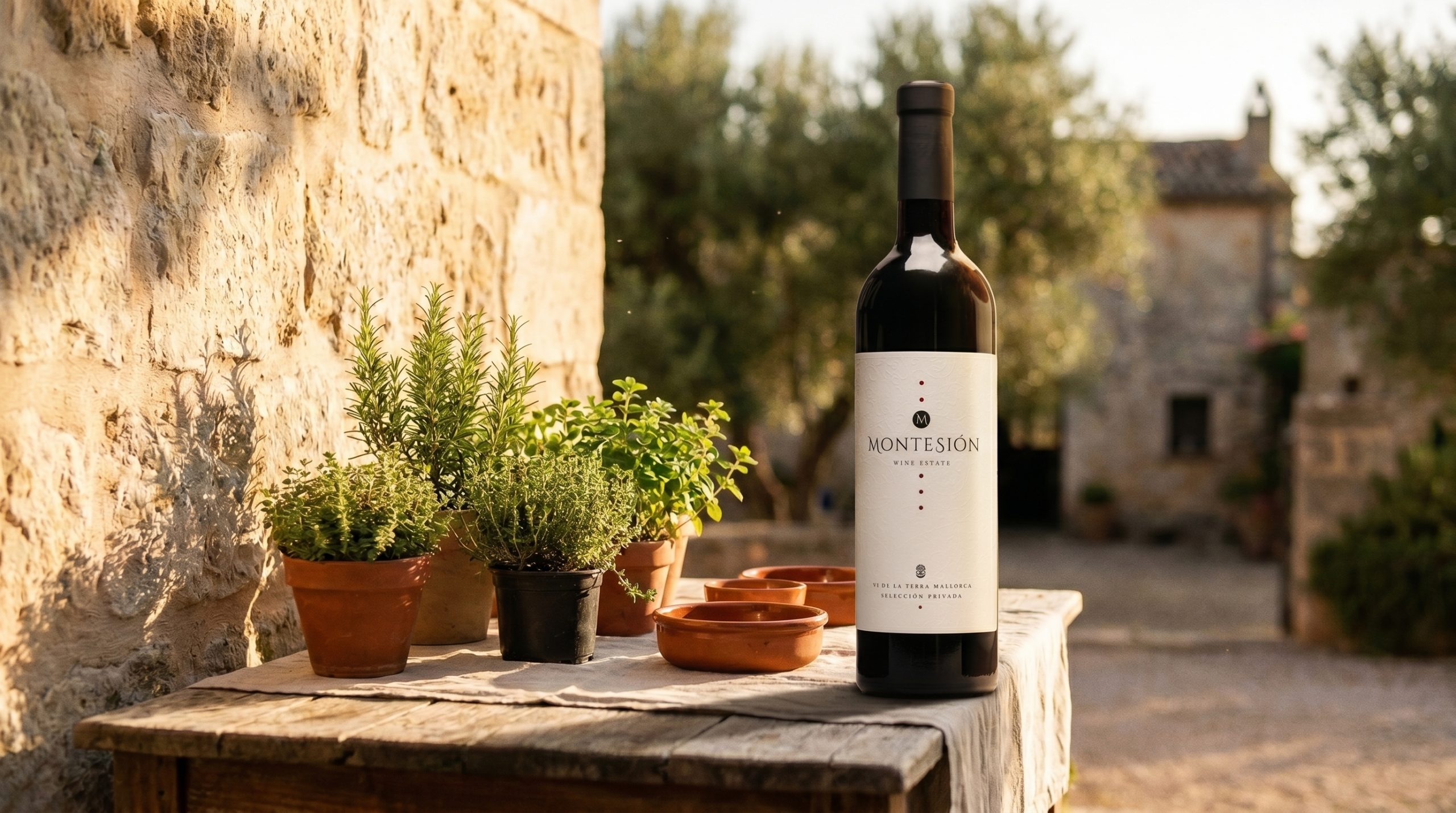
The global shift toward authentic viticulture has elevated Mallorca indigenous wine varieties from local secrets to international treasures. Grapes like Callet and Prensal Blanc offer vibrant, lower-alcohol alternatives to heavy continental classics. Therefore, these native vines provide a pure expression of Mediterranean island terroir. Furthermore, they naturally resist regional climate pressures while thriving under ecological farming protocols at Montesion Wine Estate.
Global wine consumption data reveals a striking 15% annual increase in demand for rare, native grape profiles over ubiquitous international blends. Consequently, collectors seek out authentic regional narratives. The Balearic archipelago sits perfectly at the center of this viticultural renaissance. Historically, island winemakers heavily planted imported grapes to satisfy mass market expectations. However, a dedicated movement now champions the island’s genetic heritage. Specifically, viticulturists are reviving ancient rootstocks that adapted to coastal winds and limestone soils over centuries. Readers will discover the distinct callet grape characteristics that captivate sommeliers worldwide. Additionally, they will learn how prensal blanc wine captures the luminosity of the Mediterranean coast. Ultimately, understanding these Balearic Islands wine varieties reveals why ecological farming methods unlock their truest potential.
Why Are Collectors Turning to Native Island Genetics?
Market dynamics clearly illustrate a changing palate among wine enthusiasts. Specifically, recent industry reports indicate that sales of lesser-known regional wines have outpaced traditional global varieties by a margin of three to one in premium markets. Therefore, consumers actively reward biodiversity in the vineyard. Mallorca wine benefits directly from this shift toward authenticity, especially when cultivated as certified organic wine Spain.
For decades, international grapes dominated export markets. However, those ubiquitous varieties often struggle to maintain acidity in warming Mediterranean climates. Conversely, native vines evolved alongside the specific environmental stressors of the archipelago. As a result, they naturally regulate their sugar accumulation and retain essential freshness.
Furthermore, these indigenous grapes offer flavor profiles that cannot be replicated anywhere else. For instance, the saline minerality found in local bottles speaks directly to the coastal geography. Consequently, sommeliers feature these unique pours to surprise discerning guests.
| Grape Category | Market Growth | Primary Appeal |
|---|---|---|
| Native Grapes | +18% Annually | Unique terroir expression |
| Global Varieties | +2% Annually | Familiar consistency |
Ultimately, this data confirms that the future of premium viticulture relies on preserving local biodiversity. Indeed, embracing these ancient genetics secures both ecological stability and economic viability for island estates. Moreover, this agricultural shift protects the historic landscape from monoculture farming.
What Makes Callet the Mediterranean’s Most Elegant Red?
Red wines from warm climates typically present heavy, jammy profiles with high alcohol content. However, the Callet grape defies this regional expectation entirely. In fact, callet grape characteristics align more closely with cool-climate Pinot Noir than with bold Spanish Tempranillo. This remarkable variety produces wines with bright ruby hues and moderate alcohol levels. Moreover, it delivers complex aromas of wild red berries, Mediterranean herbs, and subtle earthy undertones.
Cultivating this delicate grape requires immense patience and precise vineyard management. Historically, farmers considered Callet too rustic for fine wine production. Yet, modern biodynamic wine practices have unlocked its hidden elegance. By fostering vibrant soil microbiology, winemakers help the vines absorb trace minerals that enhance aromatic complexity. Consequently, the resulting wines show extraordinary finesse and a refreshing acidic backbone.
Collectors seeking this refined profile often look for carefully aged expressions. For instance, the Montesión Callet Limited Edition 2007 demonstrates how beautifully this indigenous variety matures in French oak. Specifically, time in the barrel softens the tannins while amplifying the distinctive earthy notes. Ultimately, this grape proves that Mediterranean terroir yields wines of profound grace. Furthermore, careful canopy management protects the thin-skinned berries from harsh sun. As a result, the fruit achieves perfect physiological ripeness without losing its signature vibrancy.
How Does Prensal Blanc Capture the Coastal Light?
While red varieties often dominate discussions of Spanish viticulture, the island’s white grapes deserve equal attention. Specifically, Prensal Blanc stands out as the premier indigenous white variety of the archipelago. This resilient grape thrives in the calcareous soils that define the local landscape. Consequently, prensal blanc wine delivers a luminous, refreshing profile that perfectly complements Mediterranean cuisine.
The sensory experience of this wine begins with its delicate aromatic bouquet. Typically, tasters note vibrant hints of green apple, white peach, and subtle almond blossoms. Moreover, the palate reveals a crisp, clean acidity balanced by a slightly waxy texture. This unique mouthfeel develops naturally as the grapes ripen under the intense island sun. Furthermore, early morning harvesting ensures the fruit retains its crucial natural acidity, a hallmark of premium natural wine.
Winemakers often blend this grape with small percentages of other varieties to build structural complexity. However, its distinct character always dictates the final identity of the wine. Indeed, the saline finish characteristic of these bottles instantly transports the drinker to the breezy coastline.
- Aromatic Profile: Fresh orchard fruits, citrus zest, and almond.
- Structural Elements: Medium body with a crisp finish.
- Ideal Pairings: Grilled seafood and light tapas.
Ultimately, this grape proves that native white varieties achieve remarkable depth. Therefore, it remains a cornerstone of authentic winemaking.
The Enduring Legacy of Island Viticulture
The global wine community has finally recognized the irreplaceable value of regional biodiversity. First, native grapes offer a compelling alternative to ubiquitous international blends. Specifically, they provide unique flavor profiles that directly reflect their coastal origins. Second, varieties like Callet demonstrate that warm climates can indeed produce wines of extraordinary elegance and finesse. Third, rigorous Demeter certification standards remain essential for unlocking the true potential of these ancient vines. Therefore, protecting this genetic heritage ensures the future vitality of the entire region.
Montesion Wine Estate stands proudly at the forefront of this viticultural revival. By exclusively employing biodynamic practices, the estate nurtures the fragile ecosystem that supports these indigenous vines. Consequently, every bottle serves as a pristine liquid time capsule of the island’s terroir. Ultimately, choosing these authentic regional wines means participating in the active preservation of a rich, living history. Furthermore, this dedication elevates the category on the world stage.
Frequently Asked Questions
What makes Mallorca indigenous wine varieties different from mainland Spanish grapes?
Mallorca indigenous wine varieties evolved in isolation under specific Mediterranean island conditions, resulting in distinct genetic traits. Unlike heavy mainland grapes, these native vines adapted to coastal winds, high humidity, and limestone soils. Consequently, they naturally produce wines with lower alcohol levels, brighter acidity, and unique saline minerality. Furthermore, their inherent resilience to local climate stressors makes them exceptionally well-suited for sustainable and biodynamic farming methods.
Are callet grape characteristics similar to Pinot Noir?
Yes, callet grape characteristics frequently draw comparisons to Pinot Noir due to their shared elegance and lighter color profile. Specifically, both varieties yield medium-bodied red wines with vibrant red fruit aromas, subtle earthiness, and a refreshing acidic backbone. However, the island grape distinguishes itself with unique Mediterranean herbal notes and a distinct savory finish. Therefore, it provides a similarly refined drinking experience while expressing a completely different regional terroir.
What food pairs best with prensal blanc wine?
Prensal blanc wine pairs exceptionally well with fresh Mediterranean cuisine due to its crisp acidity and delicate orchard fruit profile. Specifically, its subtle saline finish perfectly complements grilled white fish, raw seafood crudo, and local shellfish dishes. Moreover, the wine’s slightly waxy texture allows it to cut through the richness of soft artisanal cheeses and olive oil-based tapas. Ultimately, serving this luminous white wine lightly chilled enhances its refreshing qualities alongside any coastal-inspired meal.
