

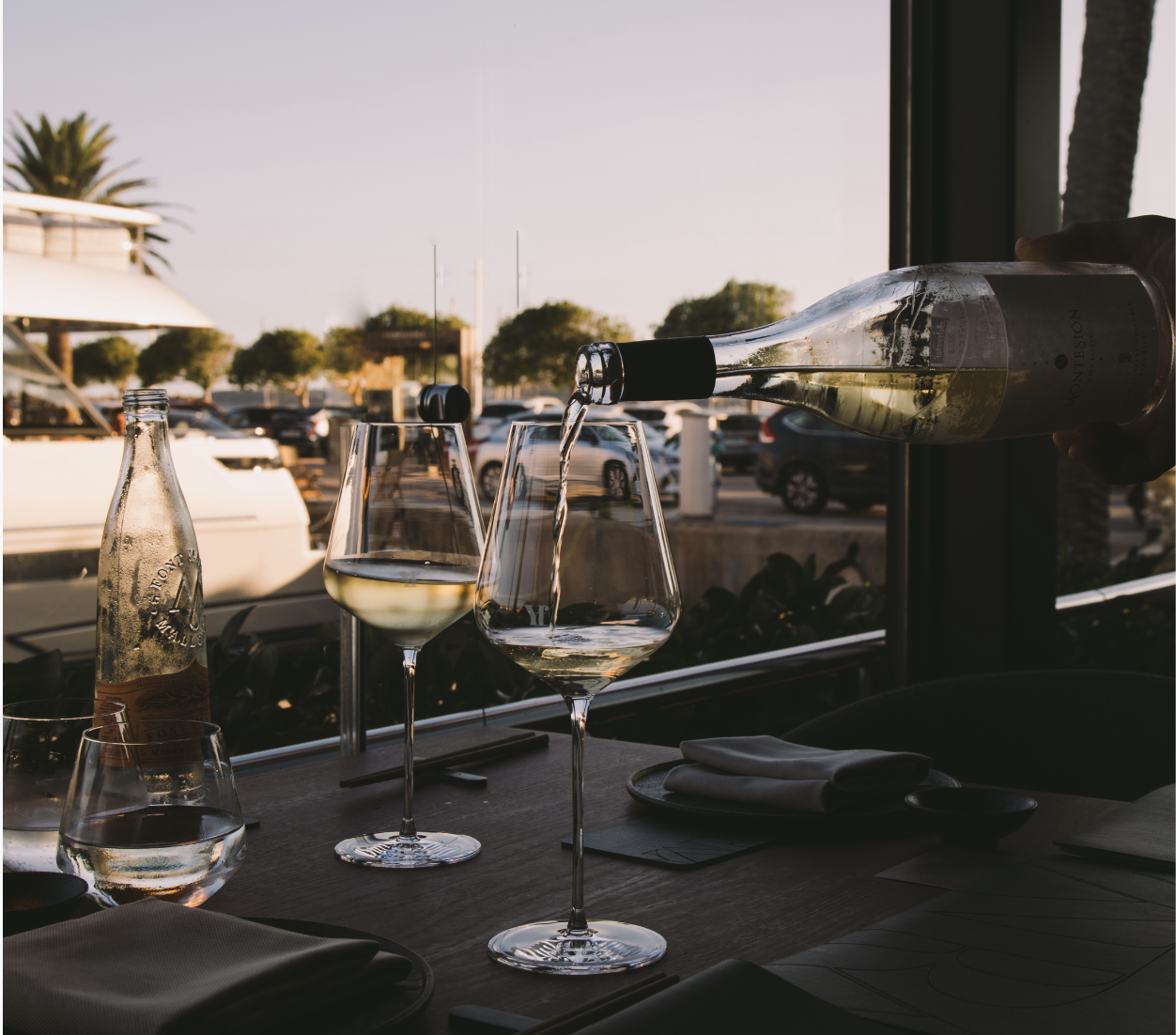
When summer unfolds across Mallorca, the island transforms into a sensory theater. The Mediterranean sun intensifies the scent of wild thyme on hillsides, limestone cliffs radiate stored heat into twilight hours, and vineyards enter a critical phase where each day shapes the character of the harvest. For those seeking wines that capture this seasonal alchemy, Mallorca’s indigenous varieties-Callet, Prensal Blanc, and Viognier-offer a liquid portrait of the island’s warmest months. These grapes, cultivated through biodynamic practices at estates like Montesion Wine Estate, don’t merely grow in Mallorca’s summer climate; they become inseparable from it, translating terroir and season into flavors that define warm-weather drinking on the Balearic Islands.
Mallorca’s wine identity has shifted dramatically over the past two decades. Where international varieties once dominated plantings, winemakers now prioritize indigenous grapes that evolved alongside the island’s Mediterranean rhythms. Callet, a red variety native to Mallorca, thrives in the island’s hot, dry summers, developing thick skins that protect against intense UV exposure while concentrating flavors. Prensal Blanc, the island’s signature white grape, maintains acidity even as temperatures climb, a trait essential for producing refreshing wines in a warm climate. Viognier, though originally from France’s Rhône Valley, has adapted so thoroughly to Mallorcan conditions that it behaves like a native, expressing tropical aromatics intensified by the island’s summer heat. Understanding these varieties requires understanding the environment that shaped them-a landscape where summer isn’t merely a season but the defining force in the annual viticultural cycle.
How Mallorca’s Summer Climate Shapes Wine Character
The Balearic Islands experience a textbook Mediterranean climate, characterized by hot, dry summers and mild, wet winters. However, Mallorca’s interior vineyards-particularly around Porreres, where Montesion Wine Estate’s estate sits-benefit from microclimatic variations that distinguish them from coastal zones. Summer daytime temperatures regularly exceed 30°C (86°F), yet nights cool significantly due to altitude and distance from the sea. This diurnal temperature swing, often 15-20°C between day and night, allows grapes to retain acidity while accumulating sugars and developing complex aromatics.
The island’s calcareous soils, formed from ancient marine deposits, contribute another layer of summer influence. Limestone reflects sunlight back onto vine canopies, increasing photosynthesis efficiency, while its porous structure allows roots to penetrate deeply in search of water reserves. During Mallorca’s rainless summer months-June through August typically see less than 20mm of precipitation combined-vines rely entirely on stored soil moisture and their root systems’ ability to access groundwater. This mild water stress concentrates flavors in berries without causing the vine shutdown that occurs in more extreme drought conditions.
Biodynamic viticulture, practiced at Demeter-certified estates, amplifies these natural summer dynamics. Rather than irrigating to compensate for heat stress, biodynamic growers work with the vine’s adaptive responses, allowing controlled water deficit to trigger the plant’s natural defense mechanisms. These include producing thicker berry skins (which concentrate phenolic compounds) and synthesizing protective compounds that later translate into wine complexity. The result is grapes that don’t merely survive summer heat but actively express it in their flavor profiles.
Callet exemplifies this summer adaptation. The variety naturally produces wines with moderate alcohol levels (typically 13.5-14.5% ABV) despite full ripeness, a trait that makes it ideal for warm-climate viticulture. Its thick skins yield wines with firm tannin structures and deep color, while its flavor profile-characterized by red and black fruits with earthy, herbal undertones-reflects the garrigue landscape surrounding Mallorcan vineyards. When aged in French oak barrels, as in the Montesión Callet Limited Edition 2007, these summer-derived characteristics integrate with subtle spice and toast notes, creating wines that balance power with elegance.
The Sensory Language of Mallorcan Summer Wines
Tasting wines from Mallorca’s indigenous varieties reveals how summer conditions translate into sensory experiences. Prensal Blanc, harvested in late August or early September, produces wines with pronounced stone fruit aromatics-apricot, white peach, nectarine-that reflect the variety’s ability to ripen fully while retaining bright acidity. The grape’s natural affinity for Mallorca’s limestone soils contributes a mineral backbone, a subtle salinity that evokes the nearby Mediterranean without tasting overtly maritime.
Viognier, when grown biodynamically in Mallorca’s summer heat, develops its characteristic lychee and white flower aromatics to an intense degree. The variety’s naturally low acidity, which can be a liability in cooler climates, becomes an asset in Mallorca, producing wines with a lush, almost viscous texture that pairs beautifully with the island’s seafood-driven cuisine. The 2025 vintage of Montesión Viognier demonstrates this balance-floral and exotic on the nose, fresh and structured on the palate, with the kind of texture that makes it equally suitable as an aperitif or alongside grilled fish.
Red wines from Callet occupy a unique position in the spectrum of Mediterranean reds. Unlike the high-alcohol, heavily extracted styles common in some warm-climate regions, Callet-based wines maintain elegance and drinkability. The variety’s natural tannin structure provides aging potential-the Montesión Callet Limited Edition 2007 remains vibrant nearly two decades after harvest-while its fruit profile evolves from fresh red berries in youth to more complex notes of dried fruits, leather, and spice with bottle age. This evolution mirrors the way summer itself transforms in memory: immediate and vivid when present, layered and contemplative in retrospect.
The influence of biodynamic practices becomes apparent in texture and finish. Wines produced without added yeasts or bacteria, relying instead on spontaneous fermentation with native yeasts, often display greater complexity and a more pronounced sense of place. The microflora present in biodynamic vineyards-shaped by the same summer conditions that affect the vines-contribute to fermentation in ways that commercial yeasts cannot replicate. The result is wines that taste distinctly of their origin, carrying subtle flavor notes that connect directly to the landscape: wild herbs, sun-warmed stone, the particular quality of light that defines Mallorcan summer afternoons.
Pairing Mallorca Summer Wines with Seasonal Experiences
The connection between these wines and Mallorca’s summer extends beyond viticulture into the realm of experience. The island’s warm-weather cuisine-centered on fresh seafood, locally grown vegetables, and olive oil-evolved in parallel with its wine culture, creating natural synergies between food and wine. Prensal Blanc’s crisp acidity cuts through the richness of grilled octopus dressed in local olive oil, while Viognier’s aromatic intensity complements the delicate sweetness of Mallorcan langoustines.
Rosé wines, such as Montesión Rose Cuvée, bridge the gap between whites and reds, offering the refreshment of the former with the body and structure of the latter. The Provençal-style pale pink color reflects a winemaking approach that prioritizes elegance over power-minimal skin contact extracts just enough color and tannin to provide structure without overwhelming the wine’s fresh strawberry and tropical fruit aromatics. Served at 8-10°C, these wines become the liquid embodiment of a Mallorcan summer lunch: light enough for midday heat, substantial enough to accompany a full meal.
The ritual of wine tasting itself becomes a summer experience at estates like Montesion Wine Estate, where visitors can taste wines in the context of their origin. The sensory experience of sipping a Callet while overlooking the vineyards where its grapes grew, feeling the same sun that ripened those grapes, creates a connection between wine and place that transcends typical tasting notes. This is the essence of terroir-not merely the soil and climate, but the complete sensory environment that shapes both wine and the experience of drinking it.
Frequently Asked Questions
What makes Mallorca summer wine different from other Mediterranean wines?
Mallorca summer wines distinguish themselves through indigenous grape varieties adapted specifically to the island’s climate and soil conditions. Varieties like Callet and Prensal Blanc evolved over centuries to thrive in hot, dry summers while maintaining the acidity and freshness that make wines food-friendly. Biodynamic viticulture, practiced at Demeter-certified estates, further enhances these natural characteristics by working with rather than against the vine’s adaptive responses to summer heat. The result is wines that express a specific sense of place-the calcareous soils, the diurnal temperature swings, the particular quality of Mediterranean sunlight-in ways that generic international varieties cannot replicate.
Which Montesion wine best captures the essence of Mallorcan summer?
The Montesión Callet Limited Edition 2007 represents the culmination of summer’s influence on Mallorca’s signature red variety. The 2007 vintage benefited from ideal summer conditions-dry, hot weather that allowed perfect ripening and excellent berry health. After hand-harvesting and spontaneous fermentation following Demeter International standards, the wine aged 12-15 months in French oak barrels, integrating summer-derived fruit concentration with subtle spice and toast notes. Nearly two decades later, the wine displays the perfect balance of ripe black fruits, integrated tannins, and balanced acidity that defines age-worthy Mallorcan reds. Its tile-red color with violet hints and complex nose of ripe fruit with spicy, toasted touches tell the story of a summer captured and preserved in bottle.
How should I serve and pair Mallorca summer wines?
Serving temperatures vary by style but generally run cooler than traditional red wine service to preserve freshness. White wines like Prensal Blanc and Viognier perform best at 8-12°C, maintaining their aromatic intensity while offering maximum refreshment. Rosés should be served at 8-10°C, cold enough to be thirst-quenching but not so cold that aromatics are suppressed. Red wines benefit from slight chilling to 15-17°C, particularly in warm weather-this temperature preserves fruit character while softening tannins. Pair white and rosé wines with seafood, grilled fish, rice dishes, and fresh cheeses. Red wines from Callet complement white and red meats, stews, aged cheeses, and even chocolate-based desserts, their moderate tannins and balanced acidity making them versatile food companions throughout a summer meal.
