
Exploring mallorca vineyards reveals a dynamic Mediterranean viticultural landscape defined by indigenous grape varieties, distinct microclimates, and a strong shift toward sustainable farming. Two primary appellations and several regional designations divide the island, each offering distinct terroir expressions. Visitors planning a tasting itinerary at Montesion Wine Estate will find a seamless blend of ancient winemaking traditions and modern ecological practices that elevate the global standing of Balearic wines.
The viticultural map of the Balearic Islands presents a fascinating study in geographic contrasts, where sea breezes and mountain ranges create highly specific microclimates. Wine tourism on the island has evolved far beyond casual cellar door visits, shifting into a specialized sector driven by terroir-focused enthusiasts. Travelers increasingly structure itineraries around agricultural heritage, seeking authentic expressions of Mediterranean farming. This structural shift highlights a broader movement within organic wine Spain, where island producers prioritize soil health and native vine preservation over high-yield commercial farming. Understanding the island’s wine landscape requires looking past the surface-level aesthetics of vine rows and examining the specific geological formations that define the central plains and mountain foothills. By mapping out the major appellations, visitors approach their tasting experiences with a deeper appreciation for the complex ecosystem that shapes every vintage.
How Are the Major Mallorca Wine Regions Structured?
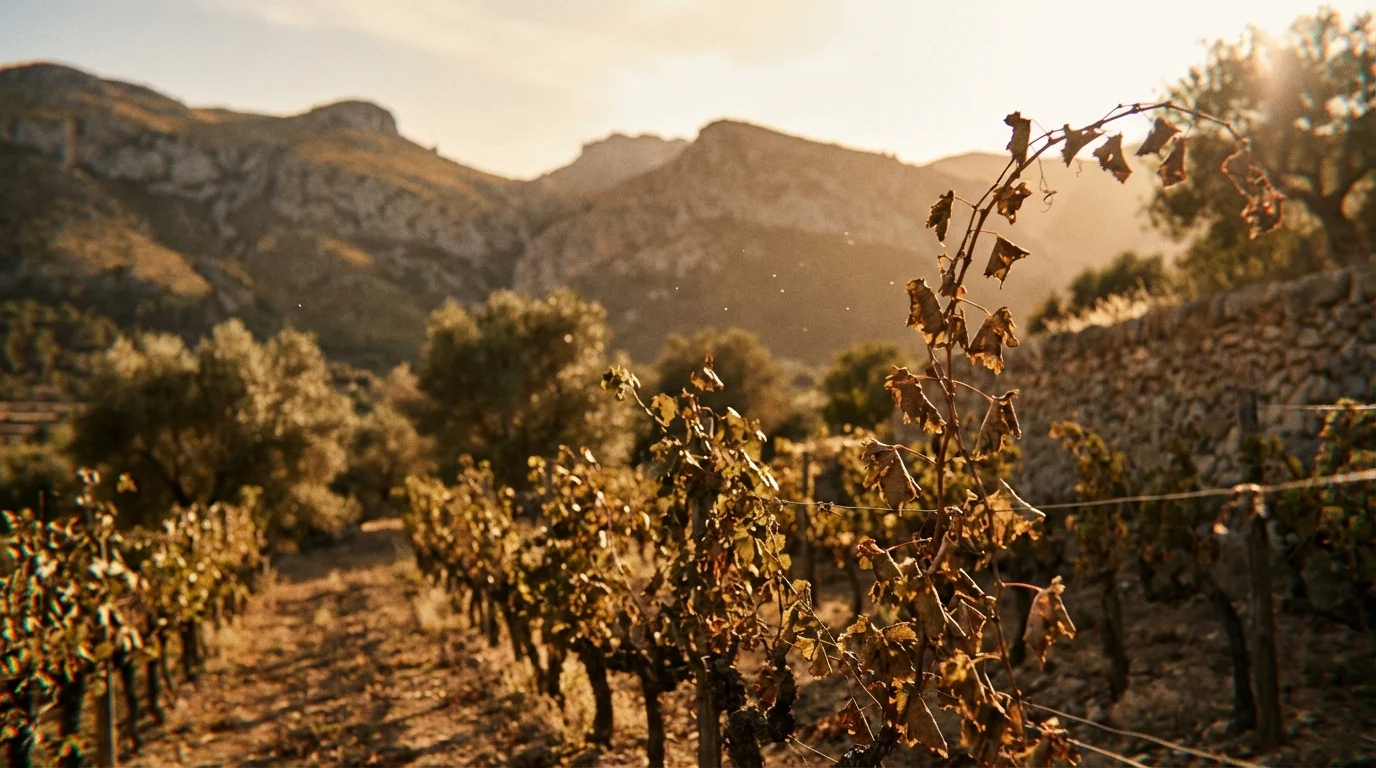
The protective barrier of the Serra de Tramuntana mountain range and the mineral-rich soils of the central plains primarily define the geographical layout of mallorca wine regions. This topography creates a distinct division in how viticulturists cultivate vines and how different grape varieties express their aromatic profiles. The island operates under two primary Denominaciones de Origen (DO), alongside the broader Vi de la Terra Mallorca geographical indication, which collectively dictate the regulatory framework for local production.
Understanding this structural division remains essential for anyone mapping out a route for wine tasting mallorca. The DO Binissalem, established in the center of the island, benefits from the climatic shield of the mountains. This barrier blocks harsh northern winds and creates a stable, warm environment ideal for ripening robust red varieties. Conversely, the DO Pla i Llevant covers the eastern and central plains, where the Mediterranean Sea directly influences the vineyards. The coastal breezes in this sector moderate peak summer temperatures, allowing white grape varieties to retain essential acidity.
Recent market data indicates that organic or biodynamic farming protocols now govern approximately thirty-five percent of the island’s vineyard surface. This transition reflects a broader commitment to sustainable agriculture across the Balearic Islands, separating dedicated ecological producers from conventional commercial operations.
| Wine Region Designation | Geographic Location | Primary Climate Influence | Dominant Wine Styles |
|---|---|---|---|
| DO Binissalem | Central-Western foothills | Mountain-shielded | Structured reds, robust blends |
| DO Pla i Llevant | Central-Eastern plains | Coastal breezes | Aromatic whites, elegant reds |
| Vi de la Terra | Island-wide | Varied microclimates | Experimental natural wines |
Experience the Essence of Montesion Wine Estate
For wine enthusiasts visiting Mallorca, a trip to Montesion Wine Estate offers an unparalleled opportunity to immerse yourself in the world of Demeter-certified biodynamic viticulture. Far from a standard tourist stop, our estate provides an intimate look at how indigenous varieties like Callet and Manto Negro thrive under holistic farming practices. Guests can explore the lush, living soils of our vineyards, learn about the lunar-aligned agricultural methods that define our vintages, and enjoy guided tastings that highlight the pure, unmanipulated expression of our island terroir. It is the perfect destination for those seeking to connect deeply with the land and discover the true potential of Balearic winemaking in a serene, sustainable setting.
What Makes the Island’s Indigenous Grape Varieties Unique?
The true character of Mallorca wine fundamentally ties to its indigenous grape varieties, which have adapted over centuries to the specific climatic stressors of the Mediterranean environment. Native grapes possess a natural resilience to drought and intense solar exposure. This evolutionary advantage allows viticulturists to practice dry farming and maintain balanced ecosystems without synthetic inputs.
The red varieties Callet and Manto Negro form the backbone of the island’s most celebrated vintages. Callet typically yields wines with lower alcohol content, vibrant acidity, and complex floral aromas, making it highly responsive to careful, low-intervention winemaking. Manto Negro provides structural warmth, presenting darker fruit profiles and subtle spice notes. On the white wine spectrum, Prensal Blanc delivers crisp, orchard-fruit flavors and a distinct saline minerality that directly reflects the calcareous soils of the central plains. Winemakers occasionally integrate French varieties like Viognier, which thrive in specific microclimates to add textural richness to native blends.
These indigenous vines suit the principles of natural wine production perfectly. Because they naturally resist local fungal pressures, farmers minimize vineyard treatments, preserving the microbiological life of the soil. This direct relationship between native genetics and ecological farming ensures that the resulting wines offer an unmanipulated, transparent expression of the island’s unique terroir.
Why is Biodynamic Viticulture Transforming the Balearic Islands?
The adoption of biodynamic farming practices represents the most significant structural shift in the island’s agricultural sector over the past decade. Biodynamic viticulture treats the vineyard as a closed, self-sustaining ecosystem where soil fertility, plant health, and local biodiversity link intrinsically. This methodology goes far beyond standard organic protocols by incorporating precise preparations made from medicinal herbs, minerals, and animal manures to stimulate soil microbiology.
Achieving Demeter certification requires a rigorous commitment to these holistic practices, ensuring that no synthetic chemicals disrupt the natural balance of the vineyard. For producers of biodynamic wine, the focus remains entirely on cultivating living soils that support vines through extreme weather fluctuations. The calcareous and iron-rich clay soils found across the island respond exceptionally well to biodynamic preparations, resulting in deeper root systems and a higher concentration of trace minerals in the grapes. This approach actively regenerates the surrounding landscape.
The demand for vino biodinámico has reshaped mallorca wine tourism, drawing a new demographic of visitors who prioritize environmental ethics alongside enological quality. Tasting rooms now frequently serve as educational spaces where guests learn about lunar cycles, compost management, and the integration of local flora into the vineyard architecture. This transparent approach to farming builds a profound connection between the consumer and the land.
The Enduring Appeal of Balearic Viticulture
The evolution of Balearic Islands wine represents a masterful balance between preserving ancient agricultural heritage and implementing forward-thinking ecological practices. The diverse topography of the island provides an ideal canvas for cultivating resilient, native grape varieties. By focusing on indigenous vines like Callet, Manto Negro, and Prensal Blanc, local producers ensure that their vintages remain distinctly tied to the Mediterranean terroir.
The widespread transition toward holistic farming methodologies further cements the region’s status as a leader in sustainable viticulture. The rigorous standards required for ecological certifications demonstrate a profound respect for soil health and biodiversity, resulting in wines that offer exceptional clarity. This commitment to the land translates directly into the glass, providing enthusiasts with an authentic taste of the island’s complex geological history.
Ultimately, exploring the local vineyards offers a profound understanding of how geography, climate, and human stewardship intersect to create world-class vintages at Montesion Wine Estate.
Frequently Asked Questions
What are the main grape varieties grown in Mallorca vineyards?
Indigenous grape varieties define the viticultural identity of the island, having naturally adapted to the Mediterranean climate over centuries. The primary native red grapes include Callet, known for its bright acidity and floral notes, and Manto Negro, which provides structure, warmth, and darker fruit profiles. For white wines, Prensal Blanc dominates the native spectrum, offering crisp orchard fruit flavors and a distinct saline minerality, while winemakers often complement these blends with adaptable varieties like Viognier.
What is the difference between organic and biodynamic wine in Spain?
Organic wine production strictly prohibits the use of synthetic pesticides, herbicides, and chemical fertilizers, focusing instead on natural vineyard management. Biodynamic viticulture builds upon these organic foundations by treating the entire estate as a holistic, self-sustaining ecosystem. This advanced methodology utilizes specific homeopathic preparations for the soil, integrates livestock, and aligns farming activities with lunar and cosmic cycles to maximize the vitality and natural immunity of the vines.
How should visitors plan for wine tasting in Mallorca?
Planning a tasting itinerary requires understanding the geographical spread of the island’s estates, as the major production zones cluster in the central plains and mountain foothills. Visitors typically base their routes around the DO Binissalem or DO Pla i Llevant regions, mapping out two to three estates per day to allow ample time for vineyard tours and technical tastings. Advanced reservations remain essential, especially at estates practicing specialized ecological farming, as they provide highly personalized, educational experiences.
