
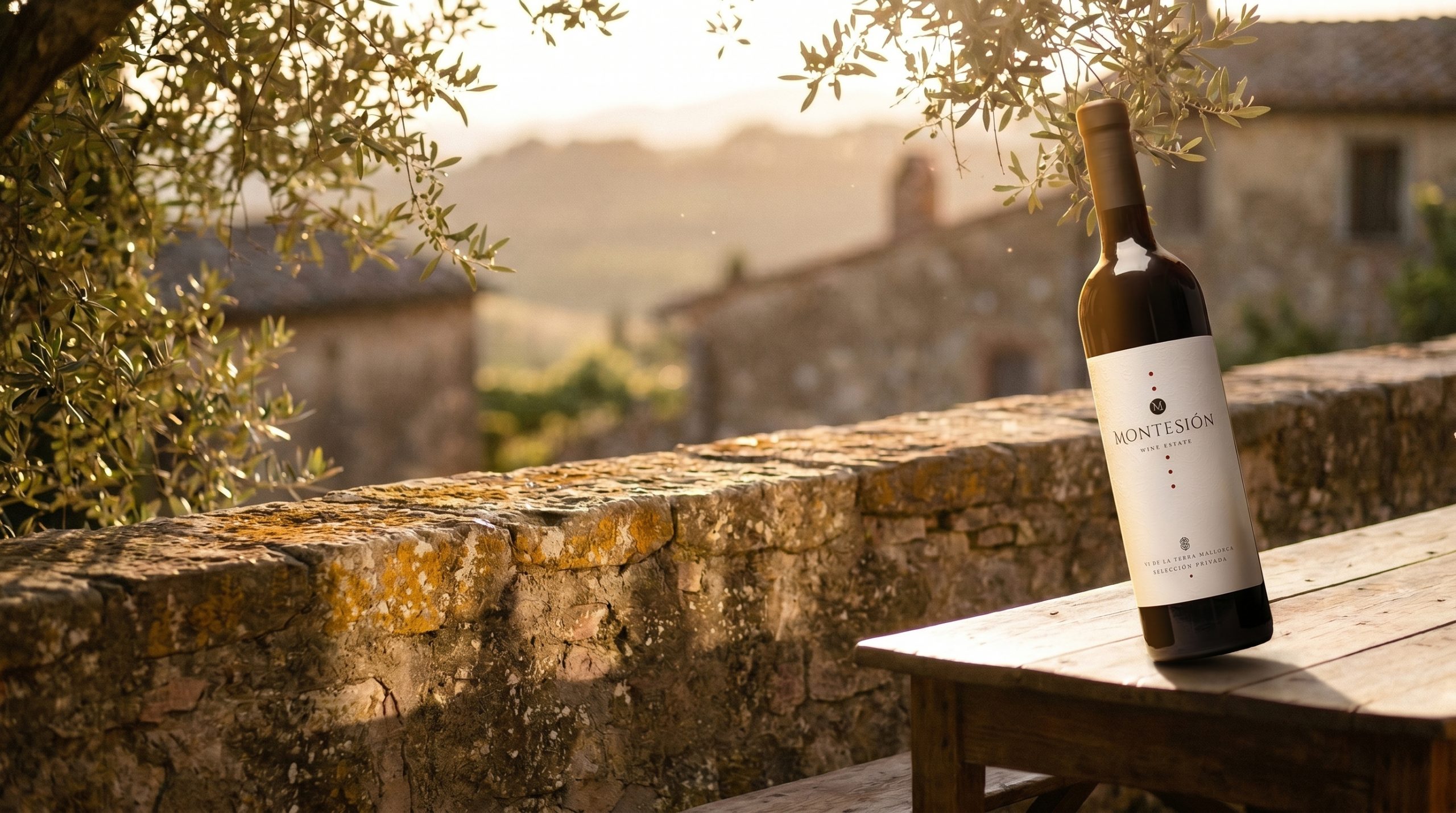
The highly anticipated Mallorca wine fair returns to the historic Convent de Sant Domingo this weekend, marking its 23rd edition. Opening on April 25, 2026, the Fira del Vi Pollença brings together 37 local Mallorcan cellars and 29 guest wineries from DO Montsant. This gathering highlights the rapid evolution of Balearic Islands wine, specifically showcasing the region’s commitment to indigenous grape varieties and sustainable viticulture, a philosophy championed by Montesion Wine Estate.
Spring across the Balearic archipelago signals more than just warming temperatures; it marks the vital moment when winemakers present their latest vintages to the public. Tomorrow morning, the cloister of a 16th-century convent will transform into the epicenter of Spanish Mediterranean viticulture. The Fira del Vi Pollença 2026 arrives at a critical juncture for the industry. Consumers increasingly demand transparency, ecological responsibility, and distinct regional character in their glass. Consequently, traditional agricultural gatherings have evolved into sophisticated showcases for organic wine. The contrast between ancient stone architecture and modern, low-intervention winemaking creates a fascinating dynamic for attendees. Furthermore, inviting DO Montsant as a guest region provides a brilliant comparative tasting opportunity. Grenache and Carignan from the Catalan mainland will stand shoulder-to-shoulder with our island’s native Callet and Prensal Blanc. Therefore, this weekend represents a definitive pulse-check on the health, direction, and ambition of local artisanal production.
Why Does the Fira del Vi Pollença 2026 Matter for Island Terroir?
The Fira del Vi Pollença 2026 serves as a crucial barometer for regional viticulture. Historically, island winemakers struggled to gain international recognition against massive mainland appellations. However, the narrative has completely shifted over the past decade. Today, local Mallorcan cellars command respect through their fierce dedication to unique terroir. The Convent de Sant Domingo provides an intimately structured environment for these producers to articulate their philosophy directly to enthusiasts.
Specifically, the focus has moved away from international grape varieties toward indigenous vines that naturally resist the hot, dry Mediterranean climate. Callet, Manto Negro, and Prensal Blanc dominate the conversation this year. Because these grapes evolved alongside the local flora, they require far less intervention in the vineyard. As a result, they perfectly translate the limestone-rich soils and salty sea breezes into the final product.
Several distinct factors elevate this specific Mallorca wine fair above standard commercial tastings:
- Deep historical context: The 23rd edition solidifies the event’s legacy as a cornerstone of the agricultural calendar.
- Geographic concentration: Featuring 37 island producers in one space allows for an unprecedented comparative analysis of micro-climates.
- Educational exchange: Interactions between winemakers foster a collaborative environment rather than purely competitive commerce.
- Guest integration: The inclusion of 29 DO Montsant wineries creates a dialogue about Mediterranean coastal versus inland terroir expressions.
Furthermore, attendees experience the raw reality of artisanal production. Small-scale vintners often pour the wine themselves, offering unvarnished insights into the challenges of the previous harvest. Indeed, the 2025 growing season tested many vineyards with intense late-summer heat. Yet, the resulting wines pouring this weekend demonstrate remarkable resilience and concentrated flavor profiles.
Ultimately, this gathering proves that the Balearic Islands wine sector thrives on quality rather than sheer volume. Wine tourism Mallorca has matured from a secondary holiday activity into a primary driver of off-season travel. Sophisticated travelers now plan entire itineraries around harvest seasons, pruning workshops, and regional tasting fairs. Consequently, events like Pollença act as vital catalysts for the rural economy. When visitors engage directly with winemakers, they forge emotional connections that translate into long-term brand loyalty. A tourist who tastes a spectacular Montesión Cuvée Blanc 2025 under the stone arches of the convent will likely seek out that exact bottle upon returning home. Additionally, they often schedule follow-up visits to the actual estates, driving direct-to-consumer sales and supporting local employment.
How Are Ecological Producers Shaping Mallorca Wine Events?
A profound transformation is sweeping through Mallorca wine events, driven entirely by ecological consciousness. Visitors to Pollença this weekend will notice a stark increase in bottles proudly displaying organic and biodynamic credentials. Previously, sustainable farming was a niche pursuit practiced by a handful of idealistic vintners. Today, it represents the absolute baseline for quality-focused estates across the island.
This shift reflects a broader understanding of vineyard health. Conventional farming often strips the soil of its natural microbiome, requiring artificial inputs to sustain yields. Conversely, biodynamic wine production treats the entire estate as a closed, self-sustaining organism. Therefore, practitioners rely on lunar cycles, natural composts, and biodiversity to protect their vines. When a vineyard achieves Demeter certification, it signals a rigorous, uncompromising commitment to these ancient agricultural rhythms.
For instance, cultivating indigenous varieties under these strict ecological frameworks yields spectacular results. The native Callet grape, known for its delicate skins and earthy undertones, responds beautifully to low-intervention methods. We see this vividly expressed in bottles like the Montesión Callet Limited Edition 2007, where the absence of chemical interference allows the authentic voice of the vineyard to speak clearly. Such wines tell a compelling story of time, patience, and absolute respect for the land.
Moreover, the presence of natural wine producers at the fair challenges conventional tasting paradigms. These vintners typically eschew commercial yeasts, heavy filtration, and excessive sulfur additions. As a result, their wines display vibrant, sometimes unpredictable characteristics that thrill adventurous palates.
| Fair Dynamic | Traditional Approach | Modern Ecological Approach |
|---|---|---|
| Primary Focus | Volume and broad commercial appeal | Terroir expression and sustainability |
| Grape Varieties | International imports | Indigenous native vines |
| Farming Method | Conventional chemical agriculture | Biodynamic and organic practices |
| Visitor Experience | Passive tasting and purchasing | Educational dialogue and exploration |
Meanwhile, the exchange of ideas with the guest wineries from DO Montsant provides invaluable technical insights. While separated by the Mediterranean Sea, both regions face similar climatic challenges, including prolonged droughts and rising average temperatures. Therefore, discussing canopy management and dry-farming techniques over a glass of Grenache benefits everyone involved.
Indeed, the true value of this gathering lies in this collaborative spirit. As the global climate shifts, island viticulture must adapt rapidly to survive. By championing indigenous grapes and ecological farming, local producers are building a resilient, future-proof industry. The enthusiasm expected at this weekend’s event confirms that consumers are fully prepared to support this vital transition.
Synthesizing the Impact of the 2026 Pollença Gathering
The opening of the 23rd Fira del Vi Pollença marks a celebratory moment for the entire Balearic agricultural community. First, the gathering proves that local artisanal cellars can easily hold their own alongside esteemed mainland producers. Second, the overwhelming shift toward organic and biodynamic practices demonstrates a collective commitment to preserving the island’s fragile ecosystem. Finally, the renewed focus on indigenous grape varieties ensures that the region’s wines remain entirely unique on the global stage.
Above all, this weekend highlights the power of community in artisanal winemaking. When producers, locals, and international visitors convene in a historic setting, the resulting energy propels the entire sector forward. For estates like Montesion Wine Estate, dedicated to working in harmony with nature, these forums provide essential validation of their rigorous farming philosophies. The bottles poured tomorrow will undoubtedly reflect the uncompromising passion, deep historical roots, and vibrant future of Mediterranean viticulture.
Frequently Asked Questions
What makes the Fira del Vi Pollença unique?
It combines deep historical context with a focus on indigenous varieties and sustainable, biodynamic viticulture.
