
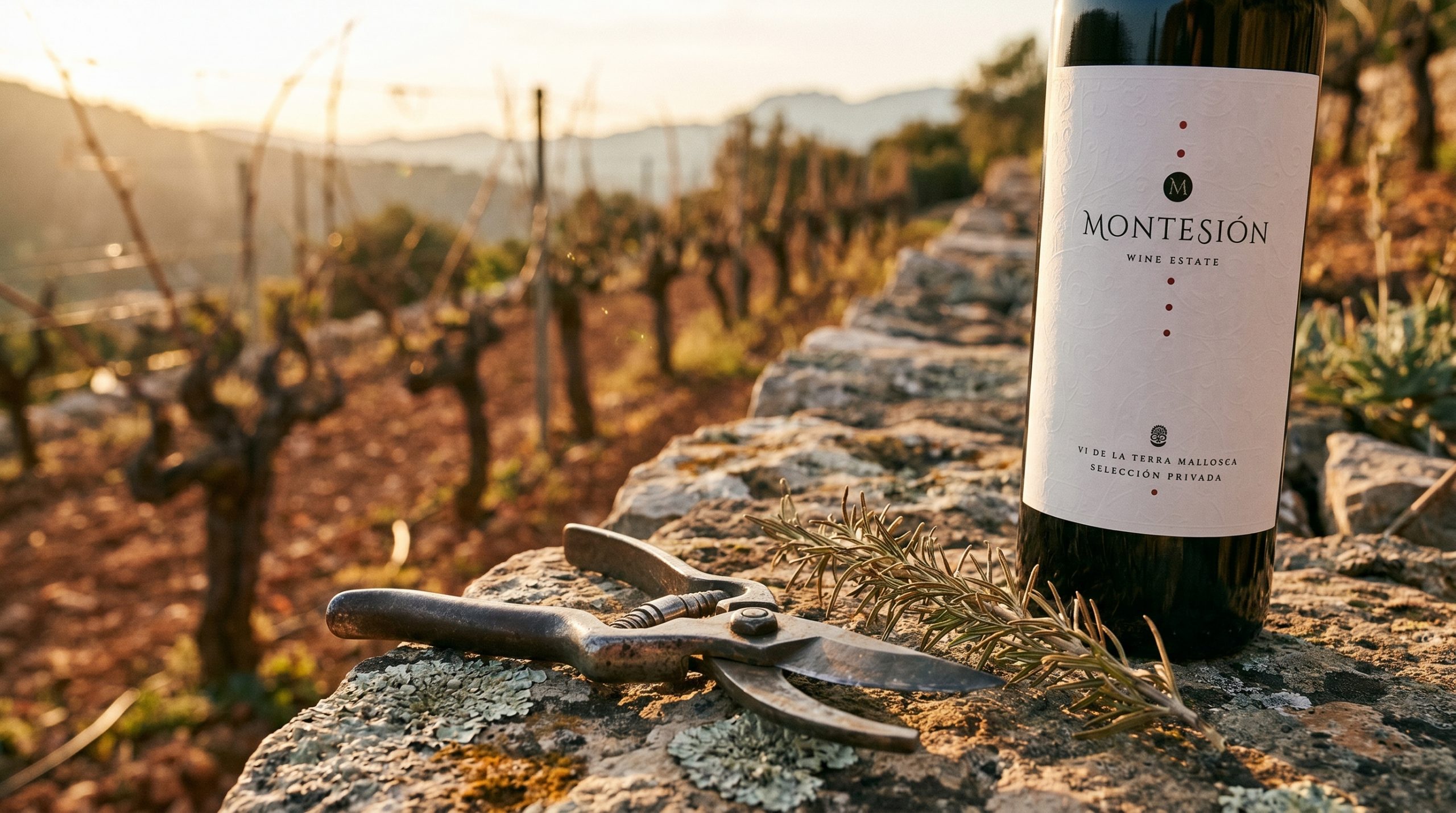
The landscape of Mallorca wine is experiencing an unprecedented financial transformation, with winery financing across the region surging by 93.3% to exceed €8 million in 2025. This massive capital influx directly funds urgent climate adaptation strategies and cellar modernization efforts at estates like Montesion Wine Estate. Consequently, vineyards are shifting their focus toward high-quality, indigenous grape varieties to meet evolving consumer demands.
Agricultural economics rarely witness overnight revolutions. However, the recent financial data from the Mediterranean reveals a dramatic shift in how agricultural banks view viticulture. Specifically, lenders poured over €8 million into local wineries during the first eight months of 2025 alone. This near-doubling of investment capital signals a profound market maturation. Investors no longer view island vineyards as quaint tourist attractions. Instead, they recognize them as resilient agricultural assets capable of producing premium organic wine Spain desires. Furthermore, shifting weather patterns demand immediate infrastructure upgrades. Therefore, estates must adapt quickly to survive escalating summer temperatures. This financial backing provides resources to implement sustainable viticulture Spain needs. Ultimately, this capital allows winemakers to prioritize quality differentiation over sheer volume, securing their position in a competitive global market.
Why Is Balearic Wine Financing Experiencing Explosive Growth?
Capital flows toward certainty and potential. Historically, Mediterranean agriculture faced skepticism from institutional lenders due to volatile seasonal yields. However, the recent 93.3% increase in Balearic wine financing tells a completely different story. Financial institutions are actively funding the modernization of island cellars. Specifically, banks recognize that premiumization strategies yield highly reliable returns. Therefore, they are underwriting projects that elevate production standards across the board.
This surge directly correlates with a fundamental shift in modern consumer drinking habits. Modern enthusiasts drink less volume but demand significantly higher quality in every glass. Consequently, island producers must upgrade their facilities to craft precise, terroir-driven expressions. Furthermore, achieving rigorous standards like Demeter certification requires substantial upfront investment in soil health and biodiversity. Lenders now view these ecological certifications as risk-mitigation tools rather than mere marketing labels.
The €8 million injected into the sector primarily targets infrastructure that supports delicate indigenous varieties. For instance, cultivating local grapes demands specialized handling to preserve their unique aromatic profiles. Additionally, modern cooling systems and advanced optical sorting technology require significant capital expenditure. Thus, this unprecedented funding wave enables traditional estates to compete on a global stage without compromising their authentic island identity.
How Does Mallorca Vineyard Investment Drive Wine Climate Adaptation?
Rising temperatures present an existential threat to traditional Mediterranean viticulture. Therefore, wine climate adaptation is no longer an optional pursuit for serious agricultural producers. The recent influx of Mallorca vineyard investment specifically targets infrastructure designed to combat extreme weather events. Heatwaves and unpredictable rainfall patterns force estates to rethink their entire farming approach. Consequently, securing robust financial backing is crucial for implementing resilient, future-proof agricultural systems.
Water management remains the primary focus of these new capital investments. Specifically, estates are installing advanced, hyper-efficient drip irrigation systems powered entirely by renewable solar energy. Furthermore, complex canopy management techniques require increased manual labor, which directly increases seasonal operational costs. However, these investments ensure the survival of sensitive grapes during scorching summer months. Thus, the financial sector is essentially underwriting the climate resilience of the entire region.
Beyond immediate water concerns, capital is flowing heavily into long-term soil regeneration projects. Biodynamic wine production relies heavily on creating self-sustaining, drought-resistant ecosystems. For example, building organic matter in the soil naturally increases its water retention capacity. This biological approach mimics a natural sponge, holding precious winter rain for the dry summer season. Consequently, the massive leap in funding directly accelerates the transition toward regenerative farming. Ultimately, well-funded estates can afford to prioritize long-term ecological balance over short-term harvest yields.
Can Indigenous Varieties Secure the Future of Balearic Islands Wine?
The global beverage market is rapidly turning away from ubiquitous international grapes. Instead, collectors and enthusiasts actively seek out unique, place-specific flavor profiles. This consumer shift perfectly positions the region to capitalize on its rich genetic heritage. Specifically, local grapes offer a distinct competitive advantage in a highly crowded marketplace. Therefore, the recent financial surge heavily favors estates cultivating and preserving native vines.
Varieties like Callet and Prensal Blanc naturally resist local pests and tolerate the specific island climate better than imported vines. Furthermore, they express the unique mineral composition of the local soils with remarkable clarity. This inherent agricultural suitability makes them incredibly attractive to forward-thinking investors. Consequently, funding is frequently earmarked for the recovery and propagation of these ancient genetic lines. Natural wine advocates particularly champion these resilient local varieties.
Producing exceptional vintages from these native grapes requires profound patience and meticulous cellar work. For instance, taming the rustic edges of certain local reds while preserving their vibrant fruit core is a complex balancing act. Estates must invest heavily in high-quality oak and extended aging programs to achieve true elegance. This dedication to native potential is beautifully exemplified by the Montesión Callet Limited Edition 2007, which demonstrates the profound depth and earthy complexity achievable when local genetics meet rigorous aging standards. Ultimately, specialized funding ensures that winemakers at Montesion Wine Estate have the necessary time to let these varieties reach their absolute peak before market release.
Evaluating the Next Decade of Island Viticulture
The staggering 93.3% increase in winery funding marks a definitive turning point for Mediterranean agriculture. This €8 million capital injection validates the strategic pivot toward premium, terroir-driven production. Furthermore, it provides the essential resources required for urgent environmental adaptation. Estates can now confidently invest in sustainable infrastructure without jeopardizing their long-term financial stability.
Additionally, this trend highlights a broader market recognition of ecological farming practices. Investors clearly understand that environmental health directly translates to economic resilience. Therefore, the estates that embrace rigorous standards and cultivate indigenous varieties will inevitably lead the sector forward. Specifically, the intense focus on local grapes ensures a unique market position that cannot be replicated elsewhere.
Ultimately, this financial maturation guarantees that the island’s viticultural heritage will actively thrive. The alignment of banking capital with ecological farming creates a robust foundation for future generations. Indeed, the golden era of Balearic Islands wine is just beginning to unfold.
Frequently Asked Questions
Why is Balearic wine financing increasing so rapidly?
Balearic wine financing is increasing rapidly because banks and investors recognize the strong market demand for premium, sustainable viticulture. Specifically, lenders injected over €8 million into the sector during early 2025 to fund modernization and climate adaptation. This capital allows wineries to upgrade infrastructure, improve water management, and focus on high-quality production rather than bulk volume. Consequently, financial institutions view these targeted agricultural upgrades as highly secure and profitable long-term investments.
How does climate change affect Mallorca vineyard investment?
Climate change directly drives Mallorca vineyard investment by forcing estates to implement advanced agricultural technologies. Vineyards must adapt to rising temperatures and erratic rainfall by installing efficient irrigation systems and adopting regenerative soil practices. Furthermore, investors are actively funding these resilience strategies because they protect crop yields and ensure long-term viability. Therefore, climate adaptation has become the primary catalyst for securing agricultural loans and private equity in the region.
What makes indigenous grape varieties important for organic wine Spain produces?
Indigenous grape varieties are crucial for organic wine Spain produces because they naturally resist local climate stressors and pests. Grapes like Callet and Prensal Blanc evolved specifically in the Mediterranean environment, making them highly efficient with water resources. Additionally, these native vines require fewer chemical interventions, aligning perfectly with strict ecological standards. Ultimately, cultivating local genetics allows estates to produce highly distinctive vino biodinámico that stands out in the global market.
What is Demeter certification in the context of island viticulture?
Demeter certification is the highest international standard for biodynamic agriculture, requiring rigorous ecological practices beyond basic organic farming. In the context of island viticulture, this certification mandates the creation of a self-sustaining ecosystem that integrates soil health, biodiversity, and natural lunar cycles. Furthermore, achieving this status requires significant financial investment over several years. Consequently, estates holding this certification demonstrate a profound commitment to environmental stewardship and exceptional wine quality.
