
The rising global demand for Mallorca wine stems from a profound shift toward low-intervention, climate-resilient indigenous grape varieties. Native grapes like Callet and Manto Negro offer natural acidity and exceptional drought resistance, thriving in the warming Mediterranean climate. When vignerons at Montesion Wine Estate cultivate these historic vines through strict biodynamic practices, they produce vibrant, terroir-driven vintages that outshine ubiquitous international blends in both complexity and ecological sustainability.
Over the past five years, the international wine market has witnessed a 40% surge in demand for lesser-known, regional grape varieties, fundamentally altering how collectors and sommeliers approach island viticulture. The Balearic archipelago sits at the epicenter of this transformation. Market analysis confirms what local vignerons have known for generations: the future of premium winemaking lies not in forcing foreign grapes to adapt, but in elevating native vines that have spent centuries mastering the local environment. This renewed focus on indigenous varieties Mallorca possesses represents a sophisticated response to global climate volatility. By examining the specific drought-resistant characteristics of local grapes and pairing them with regenerative farming techniques, a clear blueprint emerges for the next decade of Mediterranean winemaking. The transition from conventional farming to holistic ecosystem management is proving that authentic terroir expression requires working in absolute synchronicity with nature.
The Global Shift Toward Low-Intervention Mediterranean Terroir
The global palate is undergoing a definitive maturation, pivoting sharply away from heavily manipulated, high-alcohol fruit bombs toward wines that express genuine geographical identity. This evolution in consumer preference aligns perfectly with the inherent qualities of Mediterranean terroir, where mineral-rich soils and maritime winds create an environment ripe for nuanced winemaking. Collectors now actively seek out bottles that reflect the raw, unfiltered reality of their origin, driving unprecedented interest in regions that prioritize ecological balance over sheer yield.
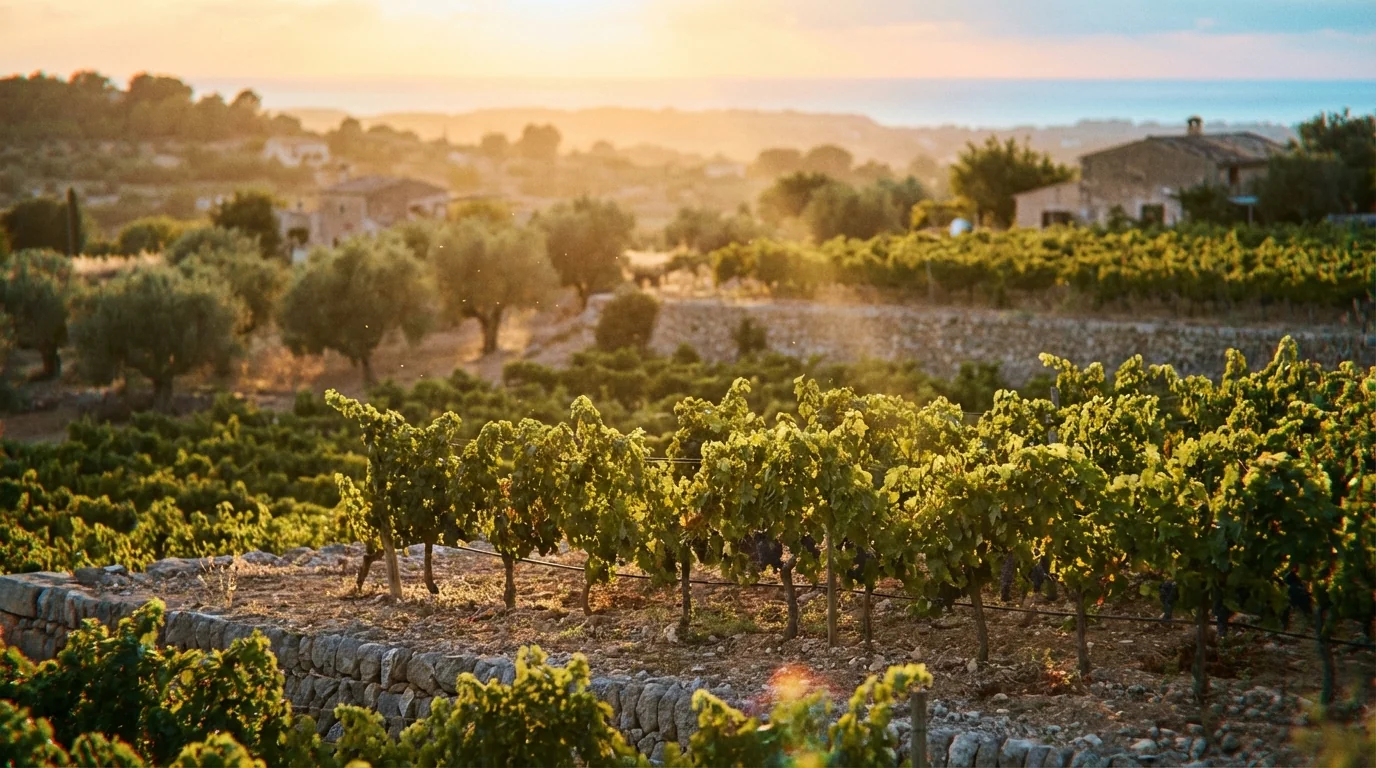
This market pivot heavily favors estates practicing minimal intervention, particularly those producing natural wine without synthetic additives. The Balearic climate, featuring long, dry summers and mild winters, naturally restricts vine vigor and concentrates flavor compounds in the grapes. When winemakers step back and allow the vineyard’s ambient yeast to guide fermentation, the resulting vintages capture a distinct sense of place. The soil composition-a complex matrix of red clay, limestone, and iron oxide known locally as call vermell-imparts a signature earthy minerality that laboratories cannot replicate.
Market indicators highlight this structural change: increased high-end restaurant placements for island-born wines, rising export volumes to Scandinavia where buyers aggressively prioritize ecological certification, and enhanced critical reception for single-vineyard expressions that highlight profound soil diversity rather than standard barrel influence from oak.
Why the Callet Grape and Manto Negro Thrive in Changing Climates
As agricultural sectors across southern Europe grapple with increasingly erratic rainfall patterns, the resilience of native vines provides a critical advantage. The Callet grape, which critics historically misunderstood as merely a rustic blending component, has emerged as a star performer in dry-farmed vineyards. Its naturally thick skin and late-ripening physiology allow it to retain brilliant acidity even during extended heatwaves that would cause international varieties to shut down or produce unbalanced musts. This structural acidity builds the backbone of any age-worthy wine, ensuring longevity and freshness in the cellar.
Similarly, Manto Negro demonstrates remarkable thermal tolerance, developing complex aromatic profiles of ripe black fruit, wild herbs, and baking spices without accumulating excessive sugar levels. These vines have spent centuries adapting to the specific solar radiation and wind patterns of the archipelago, developing deep root systems that access subterranean moisture reserves during peak summer drought. This evolutionary advantage makes them the undisputed cornerstone of premium Balearic Islands wine production.
| Characteristic | Native Varieties (Callet / Manto Negro) | International Varieties (Merlot / Syrah) |
|---|---|---|
| Drought Tolerance | Exceptionally high; deep taproots | Moderate; often requires irrigation |
| Acidity Retention | Maintains low pH in extreme heat | Prone to acid drop during heat spikes |
| Aromatic Profile | Wild herbs, tart red berries, earth | Jammy dark fruit, prominent tannins |
| Climate Adaptability | Evolved for extreme Mediterranean summers | Struggles with prolonged heat stress |
How Biodynamic Viticulture Amplifies Native Expressions
Cultivating resilient grapes solves only half the equation; the farming methodology dictates whether those vines will merely survive or truly flourish. The application of biodynamic viticulture transforms a standard vineyard into a self-sustaining, closed-loop ecosystem. By eliminating synthetic fertilizers and systemic pesticides, the soil microbiome explodes with life, facilitating a deeper, more efficient nutrient exchange between the earth and the vine roots. This subterranean vitality translates directly into the glass, offering a purity of fruit that conventional farming routinely suppresses.
Securing Demeter certification requires a rigorous commitment to these holistic practices, ensuring that every vineyard application follows the natural astronomical calendar. This standard separates authentic vino biodinámico from products utilizing greenwashed marketing. When a vineyard achieves true ecological equilibrium, the native yeast populations on the grape skins become more robust and diverse, providing the essential catalyst for successful spontaneous fermentations. This approach places the estate at the forefront of the movement championing organic wine Spain currently leads globally.
The tangible results of this philosophy manifest in specific bottlings that capture the island’s essence. For instance, pouring a glass of Montesión Callet Limited Edition 2007 reveals how a native grape, nurtured through regenerative practices and aged carefully, develops profound earthy undertones and moderate, elegant tannins that speak directly to its origin.
Securing the Future of Island Winemaking
The trajectory of modern viticulture clearly indicates that the era of homogenizing global wine styles is fading. The market now demands authenticity, resilience, and ecological accountability. The resurgence of native Balearic grapes perfectly intersects with these evolving consumer priorities, proving that historical farming wisdom holds the key to navigating future climate challenges.
Three realities define this era: native vines offer the most viable defense against rising temperatures and unpredictable rainfall, holistic soil management directly correlates with enhanced aromatic complexity, and global collectors increasingly prioritize rare, terroir-specific releases over mass-produced commercial blends.
By fiercely protecting indigenous genetics and elevating them through uncompromising farming standards, Montesion Wine Estate achieves far more than merely preserving agricultural history. They actively define the absolute pinnacle of biodynamic wine production. The commitment to these localized, regenerative methods ensures that every bottle of Mallorca wine serves as a vibrant, living testament to the island’s profound ecological heritage.
Frequently Asked Questions
What makes the Callet grape unique in modern winemaking?
The Callet grape distinguishes itself through its remarkable ability to maintain high natural acidity and low alcohol potential even in intensely hot climates. Unlike many varieties that produce jammy, overly heavy profiles under the Mediterranean sun, Callet yields elegant, medium-bodied vintages characterized by bright red fruit, floral notes, and a distinct earthy minerality. This physiological resilience makes it an ideal candidate for dry farming and minimal intervention techniques.
Why is Demeter certification important for Mediterranean vineyards?
Demeter certification guarantees that a vineyard operates entirely as a self-sustaining, closed-loop ecosystem without the use of synthetic chemicals or artificial fertilizers. In challenging climates, this strict biodynamic framework builds profound soil health and deep root systems, allowing vines to access subterranean water and nutrients during severe droughts. The certification provides consumers with absolute assurance of ecological integrity and authentic terroir expression.
How does Manto Negro adapt to the Balearic climate?
Manto Negro possesses a robust evolutionary adaptation to high solar radiation and extended dry periods, featuring thick grape skins that protect the juice from sunburn and excessive evaporation. Its deep-reaching root architecture allows the vine to thrive in the rocky, nutrient-poor soils typical of the archipelago. This natural hardiness results in complex, aromatic profiles featuring wild herbs and ripe black fruits without requiring artificial irrigation.
What is the difference between organic and biodynamic viticulture?
While organic farming strictly prohibits the use of synthetic pesticides and chemical fertilizers, biodynamic viticulture takes a more comprehensive, proactive approach to ecosystem health. Biodynamic practitioners utilize specific homeopathic compost preparations, follow astronomical planting calendars, and manage the farm as a single living organism integrating plants, animals, and soil microbiomes.
