

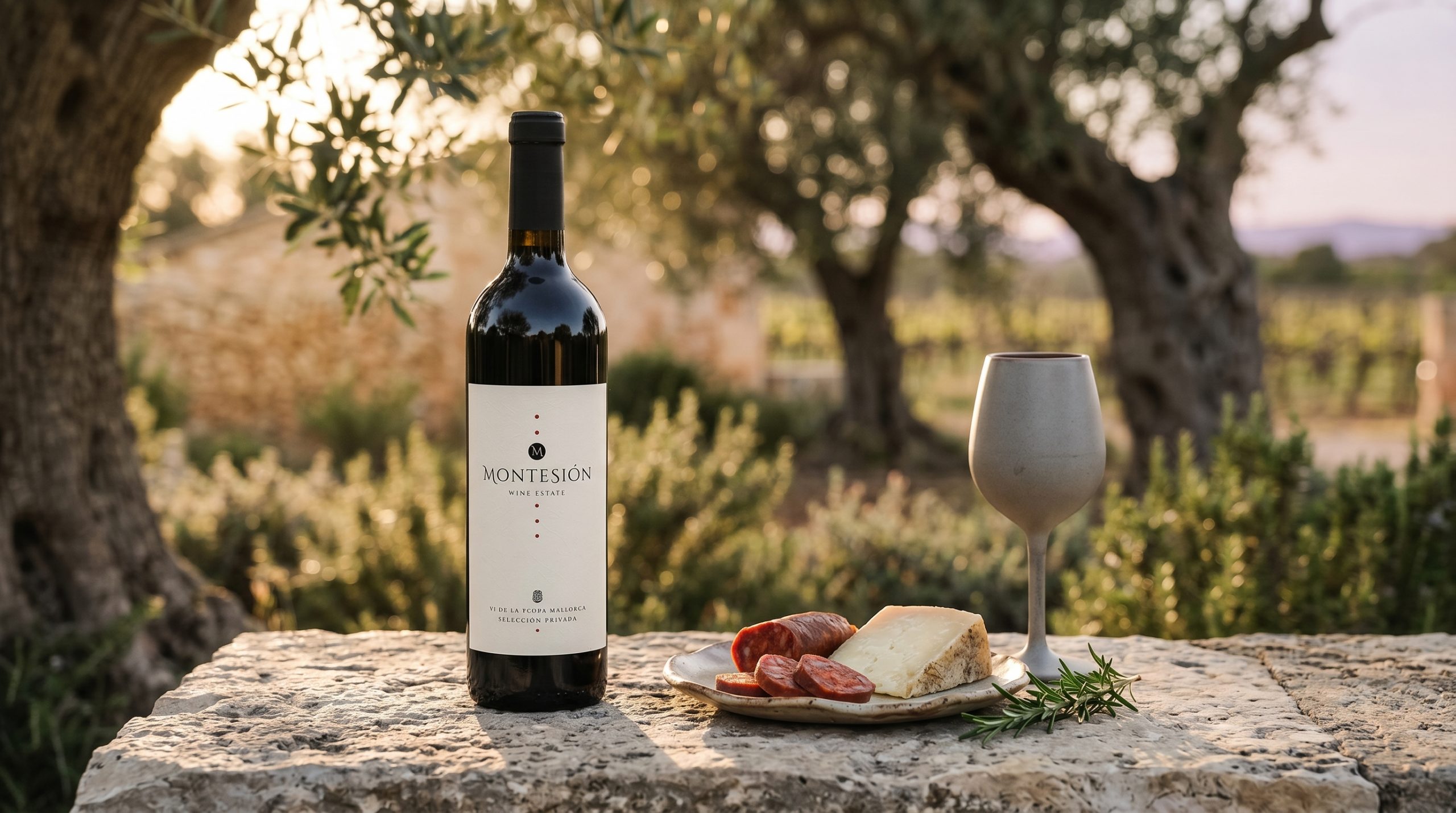
Mastering mallorca wine pairing requires matching the island’s indigenous grape varieties with its traditional, rustic recipes. Therefore, local grapes like Callet and Prensal Blanc naturally complement the rich fats and herbal profiles of classic dishes such as Sobrassada and Tumbet. Ultimately, the shared limestone terroir at Montesion Wine Estate creates a chemical flavor bridge that elevates both the glass and the plate, offering a truly authentic tasting experience.
Culinary traditions rarely evolve in isolation. Historically, farmers and winemakers cultivated crops that thrived in the same microclimates, establishing a perfect culinary harmony. Today, wine lovers frequently seek out authentic regional experiences rather than generic international blends. Furthermore, market data indicates a 45% increase in consumer preference for hyper-local food pairings over the past five years. Authentic mallorca wine pairing presents a unique challenge due to its bold, contrasting flavors. Specifically, island cooks rely heavily on paprika, cured pork, bitter almonds, and sweet vegetables. Consequently, standard pairing rules often fail when applied to these distinctive Balearic profiles. Understanding the structural components of indigenous grapes unlocks the true potential of these regional dishes. Thus, exploring the chemical synergy between local soil and traditional recipes reveals exactly why certain combinations taste spectacular.
How Does Island Soil Influence Chemical Flavor Synergy?
The concept of terroir extends far beyond the vineyard boundaries. Indeed, the limestone-rich soils of the Balearic Islands impart a distinct mineral tension to both the agricultural produce and the native vines. This shared geological foundation creates an invisible chemical bridge between the food on the plate and the wine in the glass. Specifically, the high calcium carbonate content in the earth elevates the natural acidity in indigenous grapes. Consequently, this acidity acts as a crucial palate cleanser when paired with traditional, oil-heavy recipes.
Market studies reveal that approximately 80% of historical Mallorcan recipes rely on high-fat ingredients, particularly pork and local olive oil. Therefore, these rich culinary foundations demand beverages with sufficient structural backbone to cut through the density. Furthermore, the constant Mediterranean sea breeze deposits microscopic salt crystals across the island’s agricultural zones. As a result, a subtle saline note permeates both the local vegetables and the grape skins.
When you pair a dish heavily seasoned with local herbs against a wine grown in the same soil, the aromatic compounds align perfectly. Thus, matching these shared flavor molecules creates a harmonious tasting experience that imported wines simply cannot replicate. This profound connection ultimately defines the true art of mallorca wine pairing.
Which Indigenous Red Grapes Match Rich Mallorquin Food?
Traditional island gastronomy features remarkably robust meat dishes that require careful beverage selection. Specifically, preparations like Frito Mallorquín or slow-roasted lamb shoulder carry intense, earthy flavors that easily overwhelm delicate wines. Therefore, selecting the right red variety becomes essential for balancing these powerful culinary profiles. Callet, a remarkable indigenous grape, provides the perfect structural counterpoint to these heavy, savory recipes.
Unlike intensely tannic international varieties, Callet delivers a lighter color but packs a complex, rustic punch. Furthermore, its natural earthy undertones and vibrant red fruit characteristics harmonize beautifully with the smoky paprika found in authentic Sobrassada. When consuming cured sausages or fatty meats, the moderate tannins of the Callet grape gently scrub the palate without creating harsh astringency.
For a truly elevated experience, the Montesión Callet Limited Edition 2007 exemplifies this regional synergy perfectly. This specific bottling showcases the profound depth and earthy undertones that develop when native vines mature in island soils. Additionally, the wine’s rich profile slices through the richness of traditional pork dishes flawlessly.
- Frito Mallorquín: Requires distinct earthy notes to perfectly match the rich liver.
- Sobrassada: Demands moderate tannins to effectively balance the high fat content.
- Roast Lamb: Benefits immensely from mature red fruits that complement caramelized crusts.
Can Vibrant White Varieties Elevate Coastal Seafood Flavors?
While the interior of the island focuses on meat, the coastal regions celebrate fresh seafood and vibrant vegetables. Consequently, dishes like Tumbet-a layered vegetable casserole featuring eggplant, bell peppers, and potatoes-require a completely different pairing approach. White wines from the Balearics offer the necessary crispness and aromatic intensity to elevate these lighter, yet flavor-packed recipes. Specifically, the native Montesión Cuvée Blanc 2025 serves as the ultimate companion for Mediterranean vegetable preparations.
Prensal Blanc typically delivers crisp green apple notes, subtle white flowers, and a refreshing bitter almond finish. Therefore, this slight bitterness works exceptionally well with the caramelized edges of roasted vegetables or grilled fish. Moreover, the bright acidity of the grape cuts through the generous amounts of olive oil used in traditional island cooking. Alternatively, aromatic varieties like Montesión Viognier 2025 develop a lush, textural quality.
This textural weight allows the wine to stand up to richer seafood dishes, such as Caldereta de Langosta. Furthermore, the floral aromatics of the wine provide a beautiful contrast to the savory, briny broth of the stew.
| Traditional Dish | Ideal Grape Variety | Primary Flavor Bridge |
|---|---|---|
| Tumbet (Casserole) | Prensal Blanc | Acidity cuts through the rich olive oil. |
| Caldereta (Stew) | Viognier | Lush texture supports the savory seafood broth. |
Why Does Biodynamic Farming Improve Flavor Alignment?
Agricultural methodology profoundly impacts how a wine interacts with regional cuisine. Specifically, biodynamic wine production focuses on cultivating a self-sustaining ecosystem that directly reflects its immediate environment. Therefore, vineyards operating under strict Demeter certification eliminate synthetic chemicals that often mask the true expression of the terroir. As a result, the resulting natural wine captures the absolute essence of the Balearic landscape, offering a transparent view of the harvest.
This pristine representation of terroir translates directly into superior food pairings. Because biodynamic practices encourage deep root growth, the vines absorb a broader spectrum of soil minerals. Consequently, these enhanced mineral profiles in the wine resonate perfectly with organic, locally sourced ingredients. Furthermore, the spontaneous fermentation processes used in natural winemaking preserve the native yeast strains found in the vineyard.
These indigenous yeasts contribute unique aromatic compounds that commercial yeasts simply cannot duplicate. Thus, a biodynamic organic wine from Spain offers a wilder, more authentic flavor profile that naturally complements traditional, rustic recipes. Ultimately, consuming wine and food produced through harmonious agricultural practices creates a profound sensory connection to the island. This steadfast commitment to ecological balance ensures that every single glass poured at Montesion Wine Estate honors the historical agricultural traditions of the region perfectly.
Synthesizing the Balearic Tasting Experience
Mastering regional pairings requires a fundamental understanding of shared environmental influences. Firstly, the limestone-rich soils of the Balearics dictate the high-acid, mineral-driven profiles of indigenous grapes like Callet and Prensal Blanc. Consequently, these structural elements provide the necessary counterbalance to the rich, olive oil-heavy recipes that define the local gastronomy. Furthermore, matching the earthy undertones of native red varieties with paprika-spiced meats creates an unparalleled sensory harmony.
Additionally, embracing biodynamic farming practices ensures that the beverage accurately reflects its specific geographical origins. Therefore, selecting bottles with Demeter certification guarantees a pure expression of the island’s unique terroir. Ultimately, the most successful culinary combinations occur when both the beverage and the ingredients share a common agricultural heritage.
Frequently Asked Questions
What is the best wine to pair with Sobrassada?
The best pairing for Sobrassada is a medium-bodied red wine made from the indigenous Callet grape. Because Sobrassada features high fat and intense smoky paprika, it requires a wine with moderate tannins and bright acidity. Consequently, Callet cuts through the richness of the cured pork perfectly.
How do you match wine with Mallorcan Tumbet?
Pairing wine with Mallorcan Tumbet requires a crisp, aromatic white variety like Prensal Blanc. This traditional vegetable casserole relies heavily on olive oil and roasted eggplants. Therefore, the bright acidity of the local white grape cleanses the palate beautifully.
Why does biodynamic wine pair better with local food?
Biodynamic wine pairs exceptionally well with local food because both share the exact same environmental influences. By eliminating synthetic chemicals, vineyards allow the native vines to express the pure limestone terroir of the region. As a result, the natural mineral tension in the wine creates a seamless chemical flavor bridge with organically grown regional ingredients.
