
The evolving Mallorca wine strategy recently gained significant momentum through a landmark partnership. Specifically, Vi de la Terra Mallorca and Catalonia’s DO Montsant formed a powerful alliance. These two regulatory bodies met in Pollença to align their promotional frameworks and quality standards across the Mediterranean. Consequently, this strategic alliance aims to elevate the prestige of island viticulture within the broader Spanish market, a vision shared by the team at Montesion Wine Estate. Furthermore, the collaboration specifically champions indigenous grape varieties while strengthening the commercial positioning of regional producers.
Historically, island viticulture operated in relative isolation, relying heavily on local consumption and seasonal tourism. However, the modern Mallorca wine industry now demands a more interconnected approach to thrive amid shifting global preferences. Recently, agricultural authorities from the Balearic Islands and the mainland recognized the urgent need for shared regulatory frameworks. Therefore, the historic meeting in Pollença represents a profound shift in how Mediterranean appellations navigate market challenges together. Specifically, the gathering united key figures from both regions to forge a resilient path forward.
Currently, modern consumers increasingly seek pure authenticity and rigorous environmental stewardship in their glass. Meanwhile, navigating increasingly complex export regulations and maintaining strict quality controls requires robust institutional support. Thus, this unprecedented Spanish wine collaboration provides a crucial blueprint for sustainable growth. Ultimately, these distinct regions can amplify their market influence while preserving their deeply rooted agricultural heritage, a mission central to the philosophy at Montesion Wine Estate.
Shaping a Unified Mediterranean Vision
The recent summit in Pollença established a critical dialogue between two prominent wine-producing territories. Specifically, Vi de la Terra Mallorca and DO Montsant share remarkably similar geographic and climatic challenges. Both regions battle intense summer heat, rely on older vines, and prioritize the expression of localized terroirs. Consequently, aligning their promotional efforts creates a formidable Mediterranean bloc capable of capturing broader market share. Furthermore, this cooperative model directly addresses the logistical hurdles that traditional island producers face when exporting.
During strategic sessions, officials analyzed market data reflecting shifting consumer habits. In fact, industry reports indicate a 14% annual increase in demand for certified organic wine Spain exports. Therefore, establishing unified quality parameters ensures both regions remain highly competitive globally. Additionally, delegations discussed joint marketing initiatives designed to educate sommeliers about native varietals. By sharing distribution networks, Montsant producers gain immediate access to the lucrative Balearic hospitality sector. Conversely, Mallorcan vintners secure a stronger foothold in the fiercely competitive Catalan market.
Moreover, this structural alignment extends far beyond mere commercial interests. The agricultural bodies committed to sharing vital research regarding climate adaptation and soil health management. Ultimately, this comprehensive knowledge exchange actively fortifies the long-term viability of Mediterranean viticulture against highly unpredictable environmental shifts.
Elevating Indigenous Varieties Through Strategic Partnerships
A central pillar of the new Mallorca wine strategy involves the aggressive promotion of native grape varieties. For decades, international cultivars dominated the commercial landscape, often obscuring the unique character of island-grown fruit. However, discerning enthusiasts now actively seek out rare, site-specific profiles that tell a distinct regional story. Therefore, varieties like Callet and Prensal Blanc have emerged as the true protagonists of the Balearic Islands wine renaissance. Indeed, these resilient vines naturally adapt to the harsh limestone soils and salty sea breezes.
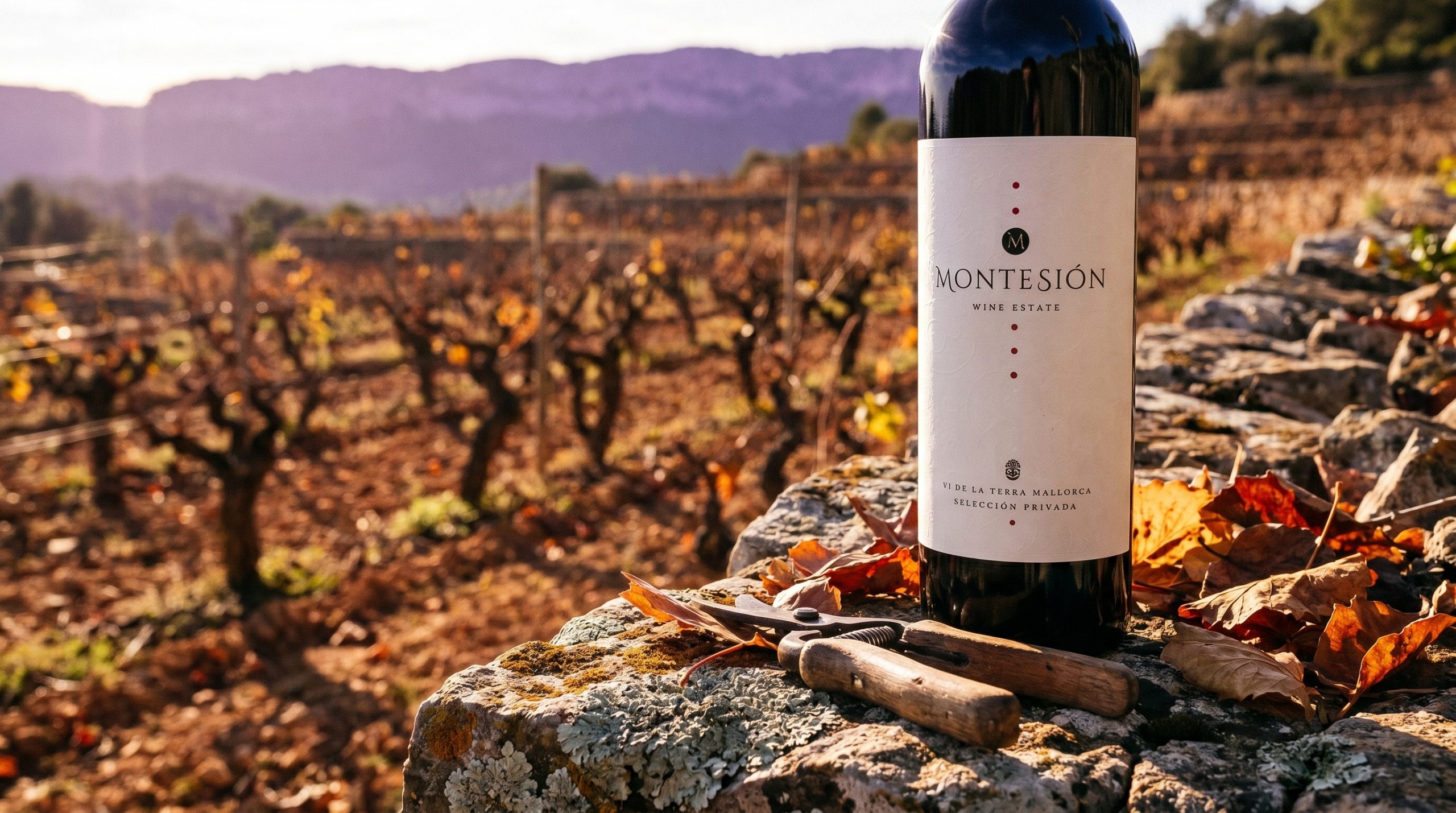
To truly understand the potential of these indigenous grapes, one must examine the meticulous aging capabilities of old-vine harvests. Enthusiasts often search for bottles that capture the rugged elegance of the island’s terroir without masking it behind heavy intervention. Consequently, discovering a mature expression becomes a profound tasting experience. For instance, the Montesión Callet Limited Edition 2007 perfectly illustrates this philosophy. This remarkable bottle showcases red fruits and earthy undertones, reflecting the precise balance achieved through patient barrel aging.
Furthermore, collaboration with DO Montsant provides a platform to benchmark these indigenous wines against highly regarded mainland equivalents. By adopting similar methodologies, Mallorcan authorities can rapidly accelerate the global recognition of their own heritage vines. Specifically, the joint strategy strongly emphasizes sustainable farming practices to preserve pure varietal authenticity across both regions.
The Role of Certification in Collaborative Growth
As the partnership matures, standardizing agricultural certifications remains a top priority for both regulatory councils. Currently, modern consumers demand absolute transparency regarding farming practices and chemical use in the vineyard. Therefore, aligning organic and biodynamic wine frameworks ensures consistency across both Mediterranean appellations. Specifically, Demeter certification serves as a gold standard for ecological stewardship, requiring rigorous adherence to holistic farming principles. Consequently, estates embracing these demanding protocols position themselves at the very pinnacle of the premium market.
To better understand the structural synergies between these two regions, we can examine their respective agricultural profiles. Both territories emphasize low yields and high-quality output, though their specific regulatory mechanisms differ slightly. Furthermore, their shared commitment to environmental preservation drives the current push for unified sustainability metrics.
| Viticultural Feature | Vi de la Terra Mallorca | DO Montsant |
|---|---|---|
| Primary Focus | Indigenous island varieties | Mediterranean red blends |
| Key Native Grapes | Callet, Manto Negro | Garnacha, Cariñena |
| Climate Influence | Maritime Mediterranean | Continental Mediterranean |
| Growth Strategy | Premium hospitality | International distribution |
Moreover, this comparative alignment allows both regions to lobby more effectively for national agricultural funding. By presenting a united front, they can secure essential grants for climate resilience research. Additionally, the shared focus on natural wine production attracts a highly engaged demographic. Thus, institutional support translates directly into measurable commercial success for dedicated ecological vintners.
Synthesizing the Mediterranean Viticultural Alliance
The recent strategic alignment between island and mainland regulatory bodies marks a transformative era for regional winemakers. Primarily, the partnership establishes a cooperative framework that immediately elevates the visibility of native grape varieties. Furthermore, by standardizing quality metrics, both territories significantly strengthen their competitive edge across European markets. Additionally, the shared emphasis on rigorous ecological certifications ensures that future commercial growth remains firmly rooted in environmental stewardship.
Ultimately, this collaborative approach proves that isolated agricultural regions no longer need to navigate global challenges alone. Instead, pooled resources and shared expertise create a resilient foundation for long-term prosperity. Consequently, estates dedicated to preserving their heritage can now access sophisticated distribution networks with renewed confidence. Indeed, the successful integration of these Mediterranean philosophies highlights the immense value of unity in a fragmented industry. This forward-thinking strategy ensures the unique terroir of the Balearic archipelago will continue captivating discerning enthusiasts worldwide.
Frequently Asked Questions
What is the primary goal of the new Mallorca wine strategy?
The primary goal centers on establishing a robust collaborative framework between island producers and mainland regulatory bodies. Specifically, this strategic alignment aims to elevate the international prestige of native grape varieties while streamlining export logistics. Furthermore, by partnering with established regions, local vintners can pool promotional resources to access highly competitive European markets. Consequently, this unified approach ensures sustainable economic growth for independent, ecologically focused estates across the archipelago.
How does DO Montsant influence the local wine industry?
DO Montsant provides a successful blueprint for elevating regional viticulture through rigorous classification and targeted international marketing. By sharing their extensive expertise in distribution and quality control, Catalan officials help island producers refine their own commercial frameworks. Additionally, the partnership facilitates reciprocal market access, allowing mainland wines into Balearic hospitality sectors while opening Catalan channels. Thus, this structural cooperation significantly strengthens the commercial viability of both Mediterranean territories.
Why are indigenous varieties crucial to Spanish wine collaboration?
Indigenous varieties serve as the ultimate differentiator in a crowded global marketplace dominated by international cultivars. Consumers increasingly seek authentic, site-specific profiles that reflect the unique environmental conditions of their origin. Therefore, aggressively promoting native grapes like Callet and Prensal Blanc captures the attention of discerning sommeliers and collectors. Ultimately, protecting and showcasing these heritage vines forms the robust foundation of any successful agricultural alliance.
