

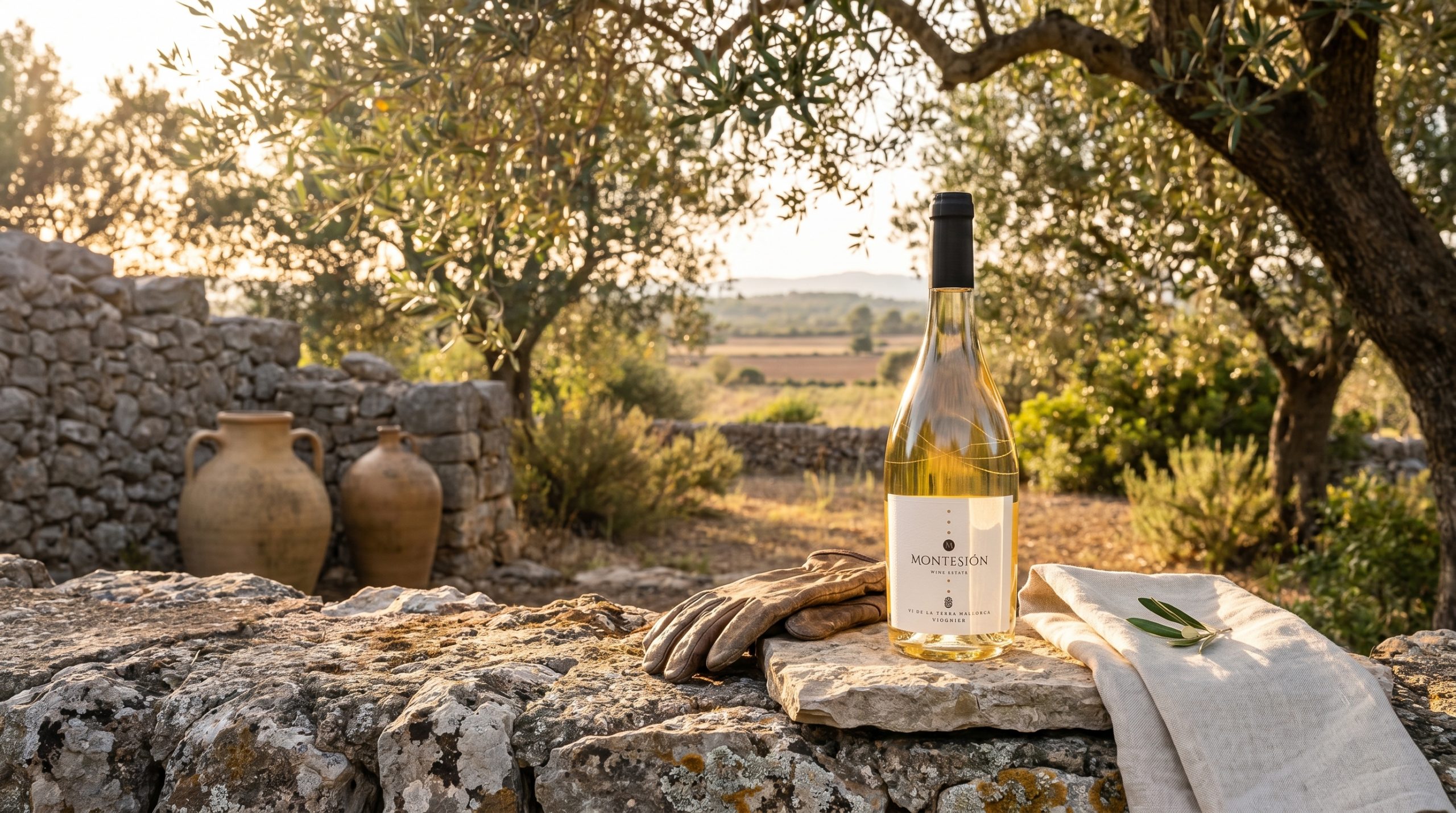
Exploring mallorca wine tasting notes reveals a distinct Mediterranean profile driven by indigenous and adapted grape varieties. Callet delivers earthy red fruit and soft tannins, while Prensal Blanc offers crisp orchard fruits with subtle floral undertones. Meanwhile, Viognier contributes lush aromatic intensity and structural richness. Together, these three grapes define the sensory landscape of the island’s finest biodynamic estates, such as Montesion Wine Estate.
The Balearic archipelago boasts over 2,800 hours of annual sunshine, creating an ideal crucible for viticulture. This unique maritime climate forces vines to root deeply into limestone-rich soils, translating directly into the glass. Enthusiasts increasingly seek out authentic regional expressions over ubiquitous international varietals. Consequently, understanding the structural and aromatic profiles of local grapes provides a crucial foundation for any serious collector at Montesion Wine Estate.
The island’s viticultural heritage relies heavily on specific varieties that have adapted to these demanding conditions over centuries. Specifically, Callet, Prensal Blanc, and Viognier form a dynamic trio that captures the essence of the Mediterranean terroir. Mastering their individual characteristics transforms a simple tasting into a profound sensory education. Therefore, identifying the specific markers of these grapes allows enthusiasts to navigate regional offerings with confidence.
How Does Callet Shape the Island’s Red Wine Identity?
Callet stands as the undisputed champion of indigenous red varieties on the island. Historically, farmers utilized this vigorous grape for everyday table consumption. However, modern biodynamic wine practices have unlocked its true potential for elegance and complexity. The grape generally produces wines with moderate alcohol and an exceptionally soft tannic structure. Therefore, it requires careful vineyard management to concentrate its delicate flavors.
A classic evaluation of Callet reveals a fascinating aromatic spectrum. Initially, the nose detects bright red fruits like wild raspberry and tart cherry. Subsequently, deeper earthy undertones emerge, often accompanied by hints of Mediterranean scrub brush and sweet spices. This complex flavor profile makes it a highly sought-after component in mallorca red wine blends, where it adds aromatic lift and regional character. Furthermore, the variety demonstrates remarkable aging potential when cultivated under strict organic protocols.
The structural elegance of this grape becomes particularly evident in meticulously aged expressions. For instance, uncorking a bottle of Montesión Callet Limited Edition 2007 showcases how time softens the tannins while amplifying the rich red fruit and earthy undertones. The moderate acidity ensures the wine remains vibrant even after extensive barrel maturation. As a result, collectors often prize these bottles for their ability to evolve gracefully in the cellar. Ultimately, Callet provides a transparent window into the island’s unique soil composition.
What Makes Prensal Blanc the Backbone of Mediterranean Whites?
Prensal Blanc, also known locally as Moll, serves as the primary white grape of the archipelago. This indigenous variety thrives in the limestone-rich soils, producing wines of remarkable freshness and vitality. Generally, the grape yields a pale straw color with brilliant greenish reflections in the glass. Because it naturally resists the intense summer heat, it maintains crucial acidity during the final weeks of ripening.
The sensory profile of Prensal Blanc leans heavily toward crisp orchard fruits and delicate floral aromas. Tasters frequently identify prominent notes of green apple, white peach, and Meyer lemon on the initial approach. Moreover, a subtle hint of raw almond or fennel often develops on the mid-palate, providing unexpected complexity. This distinct flavor combination makes it an essential pillar of natural wine production. The grape’s inherent lightness requires gentle handling in the cellar to preserve its fragile aromatic compounds.
Winemakers frequently utilize Prensal Blanc as a single varietal or as a blending partner to add brightness to heavier grapes. Consequently, it pairs flawlessly with the local seafood and vegetable-driven cuisine of the region. The variety truly shines when cultivated according to rigorous Demeter certification standards, which encourage deep root growth and enhanced mineral uptake. Indeed, the resulting wines display a crystalline purity that commercial farming methods rarely achieve. Ultimately, understanding Prensal Blanc allows enthusiasts to appreciate the delicate balance required to produce exceptional white wines in a warm climate.
Why Does Viognier Thrive in the Balearic Climate?
While not strictly indigenous, Viognier has found a spectacular second home in the Balearic Islands. This Rhone native requires abundant sunshine to develop its signature aromatic intensity, a condition the local climate provides effortlessly. Interestingly, recent agricultural data indicates a 15% increase in Viognier plantings across the region over the past decade. This statistical shift highlights the grape’s remarkable adaptation to the warming Mediterranean environment.
Evaluating viognier mallorca expressions reveals a deeply lush and opulent sensory experience. The varietal consistently delivers explosive aromas of apricot, honeysuckle, and orange blossom. Furthermore, the palate typically exhibits a viscous, almost oily texture that coats the mouth luxuriously. Because the coastal breezes moderate the intense summer heat, the grapes retain enough acidity to balance this inherent richness. As a result, the wines avoid the flabbiness that often plagues Viognier grown in excessively hot regions.
To clearly understand how these three flagship varieties compare, we can examine their core structural components side by side.
| Grape Variety | Primary Aromas | Tannin / Texture | Ideal Climate Adaptation |
|---|---|---|---|
| Callet | Wild raspberry, earth, scrub brush | Soft, moderate tannins | Deep limestone, drought-resistant |
| Prensal Blanc | Green apple, white peach, fennel | Crisp, light-bodied | Heat-tolerant, maintains acidity |
| Viognier | Apricot, honeysuckle, blossom | Viscous, rich texture | High sunshine, coastal breeze |
This comparative framework illustrates the distinct roles each grape plays in a comprehensive portfolio. Ultimately, Viognier contributes an undeniable sense of luxury and weight, perfectly complementing the lighter indigenous offerings.
Synthesizing the Mediterranean Wine Experience
Mastering the distinct profiles of Callet, Prensal Blanc, and Viognier fundamentally changes how you experience Mediterranean viticulture. Each grape offers a specific narrative about the soil, the climate, and the agricultural philosophy behind the bottle. Callet provides the earthy, red-fruited soul of the island’s heritage. Meanwhile, Prensal Blanc delivers the essential crispness and vitality required in a warm coastal environment. Finally, Viognier brings an opulent, aromatic luxury that elevates the entire regional portfolio.
Understanding these three varieties empowers enthusiasts to make highly informed decisions when exploring the best mallorca wines. Furthermore, recognizing the sensory markers of pure, chemical-free farming deepens the connection between the consumer and the vineyard. When a biodynamic estate meticulously cultivates these grapes, the resulting Balearic Islands wine transcends a simple beverage to become an authentic expression of place. By actively seeking out these specific flavor profiles, collectors support a sustainable agricultural legacy while enjoying truly exceptional craftsmanship in the glass.
Frequently Asked Questions
What characterizes the typical flavor profile of a Callet wine?
Callet produces medium-bodied red wines characterized by soft tannins and vibrant red fruit aromas. Tasters frequently identify dominant notes of wild raspberry, tart cherry, and subtle earthy undertones reminiscent of Mediterranean scrub brush. Because the grape naturally develops moderate alcohol levels, it offers an elegant, highly drinkable profile that pairs exceptionally well with rustic local cuisine. The variety truly excels when cultivated under strict biodynamic protocols, which enhance its delicate aromatic complexity.
How does Prensal Blanc differ from other Mediterranean white grapes?
Prensal Blanc distinguishes itself through its remarkable ability to maintain high acidity despite the intense Balearic summer heat. While many southern European whites become heavy or flabby, this indigenous variety consistently delivers crisp, refreshing notes of green apple and white peach. Additionally, it often presents a unique, slightly savory finish featuring hints of raw almond or fennel. This crystalline purity makes it an essential component of the region’s most vibrant and dynamic white wines.
Why is Viognier frequently featured in Mallorca wine production?
Winemakers in the region favor Viognier because the local climate perfectly supports its need for abundant sunshine and coastal moderation. The grape contributes a luxurious, viscous texture and explosive floral aromas like honeysuckle and apricot. Consequently, it adds significant weight and aromatic intensity to the local portfolio, offering a rich counterpoint to the lighter indigenous varieties. Its successful adaptation to the island’s terroir has made it a prestigious staple in premium local cellars.
