
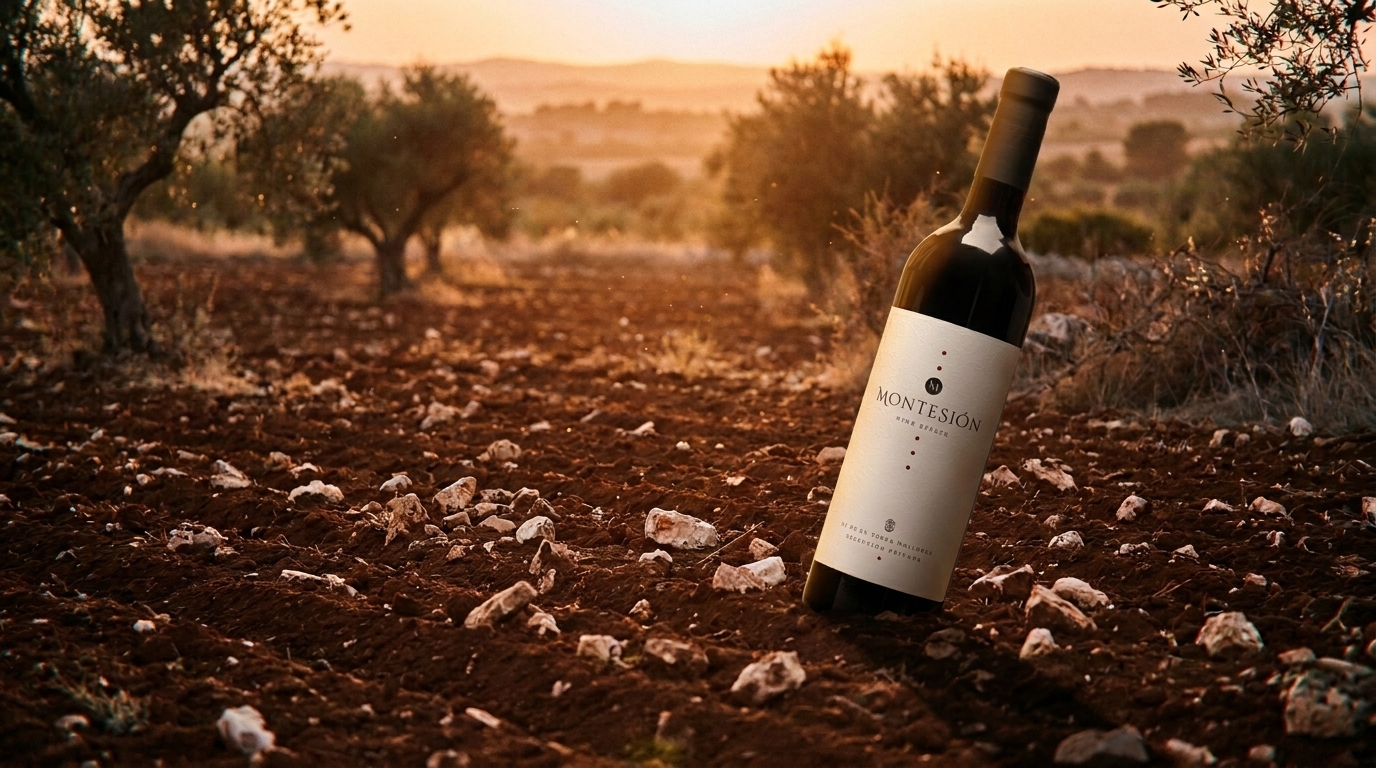
The foundation of mallorca wine terroir rests on a delicate balance between iron-rich limestone soils and the persistent cooling influence of Mediterranean sea breezes. This geological combination stresses vines to produce grapes with high concentration and distinct salinity. When cultivated through biodynamic practices at Montesion Wine Estate, these natural elements translate directly into complex profiles that cannot be replicated elsewhere.
Geological surveys of the Balearic archipelago reveal a fascinating reality: the island is essentially a limestone mountain rising from the Mediterranean floor, capped with a thin, iron-oxidized topsoil. This specific composition dictates vine growth and fruit development across the region. As mainland vineyards face heat stress, Balearic Islands wine production captures the attention of sommeliers. The natural temperature regulation provided by coastal winds offers a built-in climate resilience mechanism. The interplay between the rocky substrate and the marine atmosphere creates an environment where vines must dig deep for nutrients, yielding highly expressive fruit. Examining these elemental forces reveals exactly why the resulting vintages from Montesion Wine Estate exhibit such distinct aromatic complexity and textural depth.
What Makes ‘Call Vermell’ the Defining Feature of Mediterranean Vineyard Soil?
The celebrated ‘Call Vermell’ soil acts as the geological engine driving the island’s viticultural success. This distinct reddish-brown earth is defined by its high concentration of iron oxide layered over a deep, porous limestone bedrock. Data indicates true Call Vermell contains between 45 and 60 percent active limestone, a composition that provides exceptional water drainage while forcing vine roots to penetrate several meters deep in search of moisture.
During the intense summer months, the limestone substrate functions as a vital subterranean reservoir. It captures and retains winter rainfall, slowly releasing hydration back to the root systems when the vines need it most. This natural irrigation system prevents severe hydric stress while maintaining the low yields necessary for premium fruit concentration.
When vines are cultivated under Demeter certification standards, the absence of synthetic fertilizers allows the natural microbiology of this soil to flourish. Mycorrhizal fungi networks expand through the porous rock, transporting trace minerals directly into the vascular system of the vine. This symbiotic relationship between the living soil and the plant is what ultimately manifests as the pronounced stony minerality characteristic of the region’s finest vintages. The rigorous biodynamic approach ensures the earth remains exceptionally vibrant and biologically active year after year, securing the future of the estate.
How Do Daily Sea Breezes Shape Coastal Wine Characteristics?
The thermal dynamics of the island create a highly specific wind pattern known locally as the ‘Embat’. As the landmass heats up under the midday sun, the warm air rises, drawing in cooler, moisture-laden air from the surrounding Mediterranean Sea. This afternoon breeze drops vineyard temperatures by up to eight degrees Celsius during summer, fundamentally altering the grape ripening trajectory.
This maritime influence is the primary driver of the distinct coastal wine characteristics found throughout the region. The cooling effect slows down the accumulation of sugars in the fruit, preserving the natural acidity required for balance and aging potential. Without the Embat, the intense southern sun would cause the grapes to overripen rapidly, resulting in flat profiles. Instead, the prolonged hang time on the vine allows for the full physiological development of tannins.
Beyond temperature regulation, the sea breeze deposits microscopic salt crystals directly onto the grape skins and the surrounding soil. This ambient salinity is absorbed by the vines and translates into a subtle, savory finish in the glass. The constant air movement also keeps the vine canopy dry, naturally mitigating the risk of fungal diseases, making the cultivation of biodynamic wine highly viable. This natural ventilation is a cornerstone of sustainable island viticulture.
Why Do Indigenous Grapes Excel in Balearic Islands Viticulture?
Centuries of natural selection have perfectly adapted indigenous grape varieties to the specific geological and climatic pressures of the archipelago. Varieties like Callet and Prensal Blanc possess unique structural traits, such as thicker skins and specialized stomata regulation, allowing them to thrive in the challenging limestone terrain. The deep root architecture of the Callet grape is biologically programmed to navigate the fractured limestone bedrock, extracting highly specific trace elements that define the mallorca wine terroir.
To illustrate the relationship between native grapes and their environment, consider the following comparison of how different varieties interact with the island’s conditions.
| Grape Variety | Soil Interaction | Notable Expression |
|---|---|---|
| Callet | Deep root penetration in limestone | Montesión Callet Limited Edition 2007 |
| Prensal Blanc | Thrives in shallow Call Vermell | Balances marine moisture with crisp acidity |
| Viognier | Requires well-drained rocky parcels | Relies on Embat for acid retention |
The expression of these grapes reaches its peak when guided by strict ecological principles. Cultivating these varieties to produce premium organic wine Spain demands a deep understanding of how the plant responds to the specific microclimate of each individual parcel. This localized expertise ensures optimal fruit development. By prioritizing native genetics over international varieties, winemakers preserve the historical continuity of the region while naturally defending against climate volatility. The inherent resilience of these vines makes them ideal candidates for low-intervention farming.
Synthesizing the Elements of Island Viticulture
The distinct character of island-grown vintages is the direct result of highly specific geological and atmospheric conditions working in tandem. The iron-rich Call Vermell soils provide foundational structure and mineral tension, while Mediterranean sea breezes ensure the preservation of vital acidity. Together, these forces create an environment where vines must work exceptionally hard, yielding fruit of profound concentration.
By committing to indigenous varieties and rigorous ecological farming methods, the true potential of this landscape is unlocked. The deep-rooted Callet acts as a perfect translator for the rocky substrate, transforming trace minerals into a compelling sensory narrative. Producing genuine vino biodinámico requires meticulous attention to these subtle environmental signals.
This unyielding dedication to natural processes elevates Balearic Islands wine production beyond standard organic practices. When winemakers prioritize soil health and native vine adaptation, the resulting bottles offer a level of authenticity that commands attention on the global stage. Understanding this intricate web of soil, wind, and vine reveals exactly why this region produces such captivating vintages. The final product in the glass serves as a direct, unadulterated reflection of the limestone earth and the coastal winds that shaped it. This holistic approach guarantees that the agricultural legacy of the estate will endure for future generations.
Frequently Asked Questions
What defines the primary characteristics of Mallorca wine terroir?
The primary characteristics are defined by a combination of iron-rich ‘Call Vermell’ soils, deep limestone bedrock, and the constant cooling influence of Mediterranean sea breezes. This unique geological and climatic intersection forces vine roots to dig deep for nutrients and water, resulting in low yields of highly concentrated fruit. The resulting vintages typically exhibit a pronounced stony minerality, vibrant natural acidity, and a distinct subtle salinity on the finish. This precise balance between ripe fruit notes and structural tension remains a hallmark of the region.
How does biodynamic farming impact the flavor of the wine?
Biodynamic farming impacts flavor by maximizing the biological activity within the soil, which enhances the vine’s ability to absorb specific trace minerals from the earth. By eliminating synthetic chemicals and utilizing natural preparations, the root systems form stronger symbiotic relationships with soil fungi, increasing nutrient uptake. This natural cultivation method produces vintages with greater aromatic complexity, deeper textural layers, and a more precise expression of their specific geographic origin. The resulting profile offers a transparent reflection of the vineyard site.
Why is the ‘Embat’ wind critical for Balearic Islands viticulture?
The ‘Embat’ is a daily thermal sea breeze that drops afternoon temperatures in the vineyards, preventing the grapes from overripening under the intense Mediterranean sun. This natural cooling mechanism slows down sugar accumulation, preserving the essential acidity needed for balanced, age-worthy vintages. Additionally, the constant air circulation keeps the vine canopy dry, naturally reducing disease pressure, while depositing microscopic sea salt that contributes to the savory characteristics of the final profile. This wind pattern ensures a critical diurnal temperature shift for optimal ripening.
