

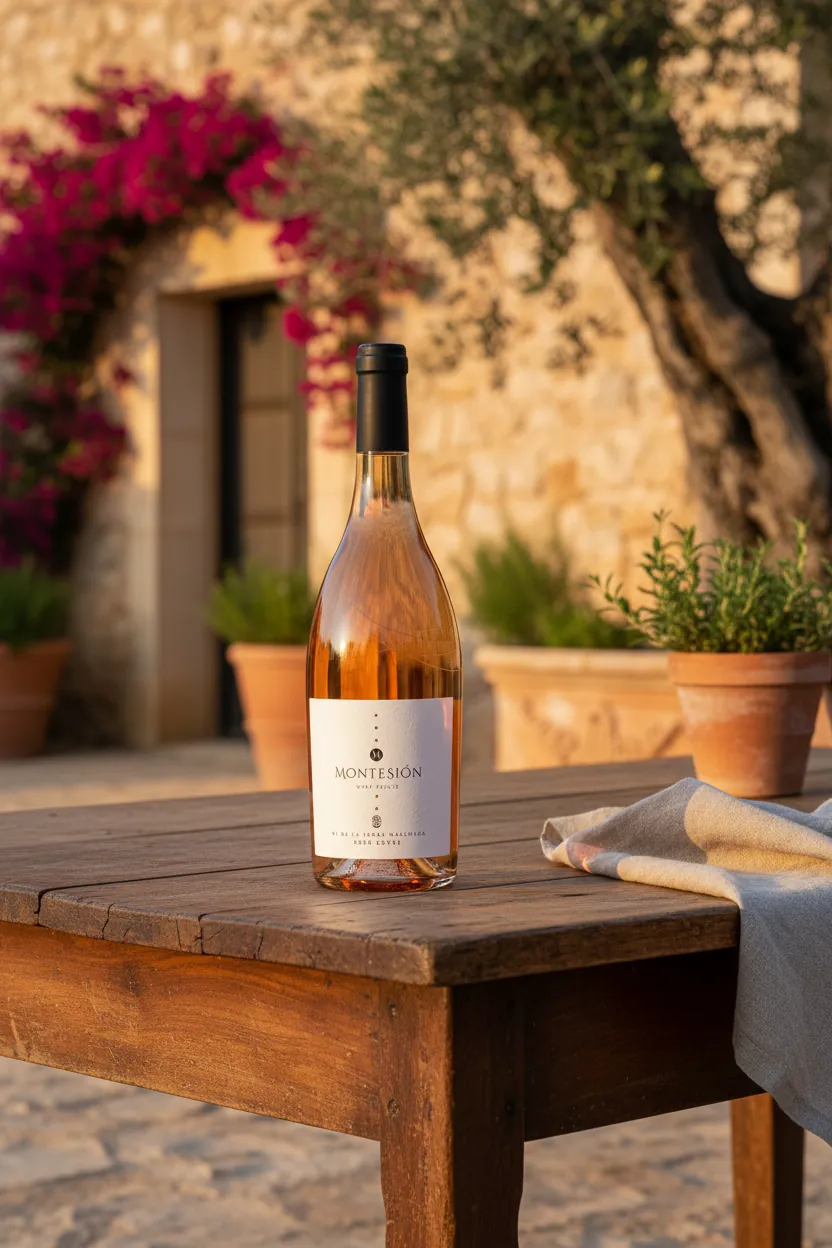
Mallorcan wine pairing turns a Mediterranean meal into a conversation between salt, smoke, fruit, herbs, and acidity. The most reliable matches begin with the dish’s weight, texture, and dominant flavour, then consider the wine’s freshness, tannin, alcohol, and aromatic intensity. Callet, Prensal Blanc, and Viognier each offer a distinct route through Mallorca’s cuisine, from pa amb oli and grilled prawns to sobrasada, rice dishes, and modern vegetable plates. At Montesion Wine Estate, these indigenous varieties provide a thoughtful starting point for exploring the island’s food culture.
A warm evening in Mallorca can place grilled seafood, ripe tomatoes, olive oil, and chilled wine on the same table within minutes. That apparent simplicity hides a useful challenge: Mediterranean food often combines several strong ingredients in one bite. A tomato may bring acidity, olive oil adds weight, smoke contributes bitterness, and salted fish changes how tannin feels. This guide explains how to make those elements work together rather than compete.
The focus stays on Mallorca’s indigenous wine varieties and the neighbouring styles that have adapted to the island. You will learn how to read Callet, Prensal Blanc, and Viognier at the table, how serving temperature changes a pairing, and why the right rosé can solve a difficult rice dish. You will also find practical suggestions for traditional Mallorcan food, seasonal produce, and contemporary fusion cooking.
A Mallorca wine guide begins with five elements
A successful pairing does not depend on one magic rule. Instead, it balances five elements: weight, acidity, sweetness, tannin, and aroma. Weight describes how substantial the food and wine feel. A delicate white fish usually needs a lighter partner, while slow-cooked lamb can absorb a wine with more structure. However, weight alone never explains the whole match.
Acidity acts like a reset button. It refreshes the palate after olive oil, cream, fried textures, or fatty fish. Tannin behaves differently. It can feel drying beside salty or very spicy foods, yet it becomes smoother beside protein and rich sauces. Sweetness helps with chilli, fruit-based sauces, and salty blue cheese. Aromatic intensity then determines whether the wine can remain present beside garlic, rosemary, paprika, or saffron.
Use this quick sequence when planning a meal:
- Identify the strongest ingredient, not merely the main protein.
- Decide whether the dish feels light, medium, or rich.
- Look for the wine’s main structural feature: acidity, tannin, body, or sweetness.
- Match intensity before chasing a perfect flavour resemblance.
- Serve the wine at a temperature that preserves its balance.
The final step matters more than many diners expect. A white wine served at 5°C can seem thin and harsh, while the same wine at 10°C may reveal texture and floral detail. Similarly, a red served at 24°C can seem alcoholic and heavy. Pairing begins in the kitchen, but it succeeds in the glass.
Why indigenous wine varieties Mallorca offers matter at the table
The island’s native grapes carry a sense of place, but regional identity does not automatically guarantee a good pairing. Callet, for example, often shows red fruit, earthy notes, moderate tannin, and a relatively gentle structure. That profile makes it more flexible than a powerful red with aggressive oak. It can accompany grilled vegetables, roast poultry, mushrooms, and lighter meat dishes without dominating them.
Prensal Blanc brings a different kind of usefulness. Its freshness and citrus character suit seafood, salads, shellfish, and dishes finished with olive oil. In warm conditions, that natural lift prevents a white wine from feeling broad or tiring. The grape’s regional connection also makes it a meaningful choice beside traditional island food, particularly when the dish relies on simple ingredients rather than heavy sauce.
Viognier contributes perfume and texture. Floral aromas, stone fruit, pear, apricot, and tropical impressions give it enough aromatic presence for gently spiced dishes and grilled food. Yet it needs careful handling. Excess warmth can make a lush white feel soft, so serve it cool but not numbingly cold. A Prensal Blanc and Viognier blend can combine regional freshness with a more generous aromatic shape.
These grapes show why Balearic Islands wine should not be reduced to one style. Mediterranean sunlight can produce ripe fruit, but sea breezes, harvest timing, soil, and cellar choices preserve balance. Biodynamic farming adds another layer of agricultural intent, especially where healthy soils, cover crops, biodiversity, and restrained inputs support resilient vines. The result is not a guaranteed flavour formula. It is a stronger foundation for wines that speak clearly at the table.
How do Callet wine pairing principles work?
Callet is particularly rewarding when the food has char, herbs, or earthy depth. Its red-fruit character can echo grilled peppers and tomatoes, while moderate tannin gives enough grip for poultry, pork, and soft cheeses. The grape’s relative lightness also allows it to work with dishes that would overwhelm a more muscular red. Try it slightly cool, especially during summer, because freshness makes its fruit more vivid.
A classic Callet match might include grilled lamb skewers with rosemary, roasted aubergine, or a plate of pa amb oli topped with mature cheese. The bread and olive oil add texture, while tomato supplies acidity. A heavily oaked red could bury those details, but Callet usually leaves room for them. With sobrasada, choose a version with enough fruit and freshness to balance the sausage’s fat and paprika rather than adding further heaviness.
Older Callet can move toward darker fruit, leather, spice, and developed earthy notes. At that stage, it suits stews, braised vegetables, roast meats, and hard cheese. The wine does not need to mirror every ingredient. Instead, its mature savoury notes connect with browned meat, mushrooms, and slow-cooked sauces. Serve a structured example at approximately 15–17°C, allowing the glass to open gradually.
For an especially focused island expression, Montesión Callet Limited Edition 2007 offers ripe fruit, integrated tannin, balanced acidity, and gentle oak-derived spice. Its age makes it more suited to a composed dish than a casual bowl of salad. Consider it with roast poultry, a mushroom and lentil preparation, or a cheese course where earthy flavours can develop alongside the wine.
When does Prensal Blanc pairing reveal its full range?
Prensal Blanc performs best when freshness has somewhere to go. Seafood is the obvious starting point: grilled prawns, squid, oysters, steamed mussels, and white fish all benefit from its citrus-led profile. Acidity cuts through olive oil and supports briny flavours without masking them. A squeeze of lemon can strengthen the connection, although the wine should still have enough texture to avoid seeming sharp.
The grape also works with Mallorca’s simplest foods. Pa amb oli with tomato and soft cheese needs a wine that respects the bread’s mild flavour and the oil’s richness. A fresh Prensal Blanc can do that, especially when served around 8–10°C. Vegetable dishes are equally promising. Try it with grilled courgette, fennel, artichoke, green beans, or a tomato salad seasoned with herbs.
More complex dishes require attention to sauce. A delicate white fish with a creamy sauce may need a fuller Prensal-based blend, while a raw preparation benefits from the cleanest and most mineral example available. Garlic, chilli, and vinegar can make a wine seem harder, so moderate those ingredients when the bottle is delicate. Conversely, a Prensal Blanc with strong acidity can refresh fried fish and battered vegetables.
The grape’s best partners share one quality: they taste fresh without becoming aggressive. That makes it valuable for warm-weather lunches, where diners want energy rather than density. It also explains why Prensal Blanc can form the backbone of a blend with Viognier. The former supplies tension; the latter supplies fragrance and a rounder middle palate.
Why Viognier changes the shape of a Mediterranean meal
Viognier is aromatic, but its appeal extends beyond perfume. When grown and handled well, it combines floral intensity with a broad, almost silky texture. Lychee, apricot, pear, and white flowers can make a simple grilled fish dish feel more expressive. The wine also has enough presence for roasted vegetables, mild curry, saffron rice, and dishes with toasted spices.
Temperature determines whether that generosity feels elegant or heavy. Serve Viognier at about 8–10°C, then allow it to warm slightly in the glass. Too much chilling suppresses the aroma and exaggerates the impression of acidity. Too much warmth magnifies alcohol and softens the finish. A narrow white-wine glass helps focus the perfume without making the wine seem excessively broad.
A useful match pairs Viognier with grilled prawns, lightly spiced chicken, or rice cooked with saffron and vegetables. The dish should contain enough flavour to meet the wine, but not so much heat that the alcohol becomes prominent. Fresh herbs such as basil, tarragon, or mint can reinforce the floral character. Heavy vinegar and very hot chilli usually create a less comfortable result.
Montesión Viognier 2025 follows this accessible path with hand-harvested fruit from Porreres, spontaneous fermentation, and a fresh, balanced profile. It suits an aperitif, fish, pasta, and rice dishes. The wider lesson is useful: a wine can express Mediterranean identity through farming and place while still offering the open, aromatic style many contemporary diners enjoy.
How should you pair Mallorca wine with traditional dishes?
Traditional food often rewards restraint. Pa amb oli contains bread, tomato, olive oil, and whatever topping the cook chooses. With cheese, a medium-bodied white or bright rosé can preserve the dish’s simplicity. With sobrasada, a fruit-driven red or rosé provides relief from fat and paprika. With anchovies, favour a white with acidity and avoid firm tannin, which can taste metallic beside intense salt.
Tumbet, a layered preparation of aubergine, potato, tomato, and peppers, creates a different challenge. Its fried or oil-rich textures call for freshness, but its cooked vegetables can handle moderate body. Prensal Blanc works when the dish remains bright. A lightly chilled Callet can work when the tomato and aubergine become more savoury. The best choice depends on whether the final dish tastes more like fresh vegetables or slow-cooked sauce.
Seafood paella and other rice dishes need versatility because they combine stock, saffron, shellfish, vegetables, and sometimes meat. Rosé often succeeds here. It offers fruit, acidity, and enough texture to bridge several ingredients. A pale rosé with Merlot, Chardonnay, Cabernet Sauvignon, and Viognier can handle seafood, pasta, rice, and white meat when served at approximately 8–10°C.
Grilled fish usually favours Prensal Blanc or Viognier, depending on the seasoning. Simple salt and olive oil point toward the fresher grape. Garlic, herbs, and char allow the more aromatic wine to enter the conversation. Grilled pork or lamb may call for Callet, while white meat with a creamy or fruit-based sauce can work with either a fuller white or a red with soft tannin.
Which serving temperatures protect the pairing?
Serving temperature is not a decorative detail. It changes aroma, acidity, alcohol, and texture. White wines should generally sit between 8°C and 12°C, with lighter, high-acid styles at the cooler end. Rosé often shows best around 8–10°C. A refrigerator can cool a bottle in roughly 90 minutes, while an ice bucket filled with equal parts ice and water usually works in about 20 minutes.
Red wine needs similar care during a Mallorcan summer. The familiar room-temperature advice assumes a room near 18–20°C, not a terrace reaching 27°C. Lighter Callet can benefit from 30 minutes in the refrigerator. Fuller reds usually show better at approximately 15–17°C. Chill first, then let the wine warm slowly in the glass.
| Wine style | Useful serving range | Pairing advantage | Typical food direction |
|---|---|---|---|
| Prensal Blanc | 8–10°C | Freshness and citrus lift | Shellfish, salads, grilled fish |
| Viognier | 8–10°C | Floral aroma and rounded texture | Prawns, rice, mild spice |
| Rosé | 8–10°C | Fruit, acidity, and versatility | Paella, pasta, aperitif dishes |
| Light Callet | 12–15°C | Red fruit with gentle structure | Vegetables, poultry, soft cheese |
| Fuller red | 15–17°C | Tannin, depth, and persistence | Stews, game, mature cheese |
Glassware also matters, although it need not become complicated. Use a smaller bowl for aromatic whites and a larger bowl for structured reds. Fill only one-third of the glass so the wine can move and release aroma. If the first sip seems closed, wait five minutes before changing the pairing. Temperature and air often solve what appears to be a flaw.
Can biodynamic wine improve a food pairing?
Biodynamic wine begins in the vineyard rather than at the dining table. Demeter-certified farming follows defined standards for agricultural inputs, biodiversity, preparations, and ecological management. The approach views the farm as a connected system, with soil life, plants, animals, and seasonal cycles influencing one another. It does not guarantee that every bottle will suit every dish, but it can support healthy fruit and a clear sense of site.
For pairing, clarity matters more than ideology. A wine with clean fruit, balanced acidity, and moderate alcohol gives the cook more freedom. Those qualities may emerge from many farming systems, including biodynamic viticulture, but careful vineyard work can help preserve them. Spontaneous fermentation and gentle handling may also allow variety and vintage character to remain visible when the cellar avoids unnecessary correction.
Montesion Wine Estate’s vineyards near Porreres connect this agricultural philosophy with practical table wines. Hand harvesting protects grape condition before fermentation, while temperature control preserves freshness. The aim is not to make every wine taste rustic or austere. Instead, the strongest examples combine place, balance, and pleasure in a way that works with food.
That distinction is useful for anyone searching for organic wine Spain or biodynamic wine. Certification describes a farming and production standard; it does not replace tasting. Read the label, consider the variety, and match the bottle to the dish. A certified wine still needs the right temperature and a sympathetic meal.
What changes when Mallorca wine meets modern cuisine?
Modern Mediterranean cooking often blends techniques and ingredients from several regions. A dish might combine grilled octopus with citrus kosho, rice with roasted mushrooms, or local vegetables with tahini. The old pairing rules still apply, but the dominant flavour may no longer be obvious. Start with texture and heat, then examine acidity and salt.
For sushi or sashimi, avoid firm tannin and choose a fresh white with enough aroma for ginger and soy. Prensal Blanc can work with clean fish and citrus, while a restrained Viognier suits richer salmon or seared prawns. Keep soy sauce moderate because high salt can make wine taste thinner and more bitter. Pickled ingredients also demand a wine with lively acidity.
With Middle Eastern or North African spices, Viognier can connect floral and stone-fruit aromas with cumin, coriander, and gentle chilli. If the dish includes preserved lemon, a high-acid Prensal Blanc may feel more precise. For plant-based cooking, Callet pairs well with lentils, grilled aubergine, beetroot, and mushroom because its earthy fruit can echo roasted flavours without requiring meat.
Fusion cuisine becomes more difficult when sweetness, chilli, salt, and acidity appear together. A dry red with noticeable alcohol may seem hot beside chilli. A very delicate white may disappear beside miso or fermented sauces. Rosé often offers the middle ground, while an aromatic white can work when the spice remains moderate. Taste the sauce alone before selecting the wine; it often controls the match more than the protein.
How much does a thoughtful pairing cost?
A good pairing does not require the most expensive bottle. Cost usually reflects vineyard age, yield, labour, cellar time, oak, rarity, and market position. Those factors may increase complexity, but complexity is not always what a casual lunch needs. A fresh Prensal Blanc can be more successful with grilled fish than an expensive, heavily oaked red.
For a shared table, versatility often delivers the strongest value. A rosé can move from aperitif to paella. A fresh white can accompany shellfish, salad, cheese, and pasta. Callet can cover grilled vegetables, poultry, and a cheese course. Reserve mature reds for meals with enough depth to justify them, such as stews, roast meats, or a carefully selected cheese board.
A practical budget plan might allocate one bottle for every two to four diners, depending on the meal and serving size. Offer water and modest pours so the wine remains fresh. Decant only structured or mature reds when needed; excessive aeration can flatten an older bottle. The aim is not ceremony. It is to keep the wine and food in balance from the first course to the last.
Wine activities in Mallorca can make these choices more tangible through guided tastings, olive oil comparisons, and food pairings. A tasting that places barrel-aged and amphora-aged wines side by side can reveal how vessel choice changes texture. Similarly, comparing Callet with a floral white shows why grape structure matters more than colour alone.
Which pairing mistakes are easiest to avoid?
The first mistake is matching colour instead of structure. Red meat does not automatically require a powerful red, especially when the sauce is delicate. Likewise, fish does not always demand a very light white. A meaty fish with grilled skin may welcome a gentle red, while fried fish may need a white with enough acidity to clear the palate.
The second mistake is serving every wine too cold. Extreme chilling hides aroma and makes acidity feel sharper. This problem often affects Viognier, whose perfume needs a little warmth. The opposite error affects red wine in summer. A warm bottle can seem sweet, alcoholic, and flat even when it is well made.
Other common problems include:
- Pairing high tannin with very salty fish or vinegar-heavy salads.
- Choosing an aromatic wine beside a dish loaded with hot chilli.
- Ignoring the sauce, marinade, or garnish.
- Serving a full-bodied wine with delicate vegetables.
- Treating sweet dishes as if they were savoury.
- Pouring mature wine into a dirty or strongly scented glass.
Finally, do not confuse novelty with quality. A surprising pairing can work, but it should still respect the wine’s balance. Test one bite with the wine, then another without it. If the wine makes the food taste metallic, hotter, flatter, or excessively bitter, change the match rather than defending the bottle.
A practical menu built around Mallorca’s grapes
A three-course menu can demonstrate the island’s range without requiring a different bottle for every plate. Begin with pa amb oli, tomato, and fresh cheese alongside Prensal Blanc. The wine’s acidity lifts the olive oil, while its citrus notes keep the bread and cheese from feeling heavy. Add olives carefully because intense salt can sharpen a delicate wine.
For the main course, serve grilled prawns, squid, or a saffron rice dish with Viognier or a fresh white blend. The aromatic profile meets the char and gentle spice, while the rounded texture suits the rice. Keep the sauce bright and avoid excessive cream. If the dish includes several proteins, a dry rosé may offer the most versatile bridge.
A second main course could feature roasted aubergine, lentils, or herb-crusted poultry with lightly chilled Callet. The red fruit and moderate tannin complement smoke and savoury depth. For a more substantial winter-style meal, move to a fuller red served at 15–17°C. Its structure should meet the sauce, not overwhelm it.
Finish with mature cheese, dark chocolate, or a dessert built around roasted fruit. Older Callet can work with chocolate when its fruit and oak remain balanced. Avoid very sweet desserts unless the wine is sweeter still. The final taste should leave the palate refreshed rather than stripped of fruit or coated with bitterness.
This menu also illustrates an important principle: pairing is a progression. Begin with freshness, add aromatic weight, then introduce tannin and depth. The order allows the palate to adapt naturally. It also lets each wine reveal a different part of Mallorca’s agricultural and culinary identity.
Building a personal pairing method at home
Keep a small record after each meal. Note the wine, serving temperature, main ingredients, and what changed after the first few sips. Write down whether the dish made the wine seem sharper, sweeter, flatter, heavier, or more aromatic. This simple practice develops judgement faster than memorising long lists of approved matches.
When uncertain, choose the wine with more acidity and moderate alcohol. Those qualities usually offer greater flexibility at the table. If the food is rich, add freshness before adding power. If the food is aromatic, match its intensity. If the dish includes chilli, avoid high alcohol and consider a wine with a touch of fruitiness.
Use regional logic as a starting point, not a limitation. Mallorca’s food and wine evolved in the same climate, so local matches often feel intuitive. Yet international ingredients can still work when structure aligns. Prensal Blanc can meet Japanese seafood, Viognier can meet gentle Southeast Asian spice, and Callet can accompany Mediterranean-inspired vegetarian cooking.
The most memorable result may be slightly unexpected. A lightly chilled red beside grilled vegetables can feel more natural than a heavy red beside lamb. A rosé may be better than white wine with seafood paella. A fragrant Viognier can transform a simple rice dish, while a perfectly fresh Prensal Blanc can make a tomato salad seem more vivid.
The table is where Mallorca’s wine identity becomes clear
Mallorcan wine pairing works best when it respects both the island’s ingredients and the wine’s structure. Prensal Blanc brings freshness to shellfish, vegetables, and olive-oil dishes. Viognier adds fragrance and texture to grilled fish, rice, and gentle spice. Callet offers red fruit, earth, and moderate tannin for poultry, vegetables, cheese, and carefully chosen meats.
Serving temperature remains one of the simplest ways to improve the result. Keep whites and rosés cool but expressive, and give reds a modest summer chill. Match intensity rather than colour, taste the sauce before the protein, and let acidity handle richness. These decisions matter more than rigid rules or expensive labels.
Biodynamic farming adds meaning when it supports healthy vineyards and transparent wines, but the table remains the final test. In Porreres, local varieties, Mediterranean sunlight, hand harvesting, and restrained cellar work can come together in wines that feel precise without losing warmth. That combination gives Mallorca a distinctive place among Balearic Islands wine regions.
The best bottle is therefore not an abstract winner. It is the one that makes the grilled fish taste fresher, the tomato taste sweeter, the cheese taste more complete, or the meal linger a little longer. Mallorca’s wine culture becomes most convincing in that moment of balance.
Frequently asked questions
What is the best wine for Mallorcan food?
The best wine depends on the dish, but Prensal Blanc is a strong choice for seafood, salads, vegetables, and pa amb oli. Viognier suits grilled fish, prawns, rice, and gently spiced food because its floral aroma and rounded texture remain expressive. Callet works well with poultry, grilled vegetables, soft cheese, and lighter meat dishes. A dry rosé offers broad versatility for meals containing several ingredients.
What wine pairs with Callet?
Callet pairs well with grilled poultry, roast vegetables, aubergine, mushrooms, soft cheeses, pork, and moderately seasoned lamb. Its red-fruit character and moderate tannin provide enough structure without overwhelming lighter Mediterranean dishes. Serve lighter examples slightly cool, around 12–15°C, while fuller or mature versions can be served closer to 15–17°C. Avoid very salty fish and vinegar-heavy salads, which can make the tannin feel hard.
What food pairs with Prensal Blanc?
Prensal Blanc pairs particularly well with prawns, squid, oysters, grilled white fish, tomato salad, green vegetables, fresh cheese, and dishes finished with olive oil. Its freshness helps cut through richness while its citrus character complements briny and herbal flavours. Serve it around 8–10°C, but avoid excessive chilling because very low temperatures can hide its aroma. The grape also works in blends that add aromatic weight or texture.
Is Viognier suitable for seafood?
Viognier is suitable for seafood when the preparation includes grilling, herbs, gentle spice, or a richer texture. It works especially well with prawns, grilled fish, saffron rice, and lightly seasoned shellfish. Its floral and stone-fruit aromas need enough serving temperature to remain visible, so 8–10°C is usually appropriate. Very delicate raw seafood and strongly vinegared dishes may favour a more sharply acidic white instead.
How should Mallorcan red wine be served in summer?
Mallorcan red wine should usually be served cooler than a warm summer room. Light-bodied Callet can benefit from 30 minutes in the refrigerator and may show well around 12–15°C. Fuller reds with firm tannin generally perform best around 15–17°C. Cooling preserves freshness and reduces the impression of alcohol, then the wine can warm gradually in the glass.
Does biodynamic wine pair differently from conventional wine?
Biodynamic wine does not follow a separate set of food-pairing rules. Pairing still depends on acidity, tannin, body, alcohol, sweetness, and aroma. Demeter-certified farming describes how the vineyard and winery operate, while the finished wine’s structure determines which foods suit it. A balanced biodynamic wine may offer clear fruit and freshness, but it should be assessed by taste rather than certification alone.
What is a good wine for paella?
Dry rosé, Prensal Blanc-based white wine, and fresh Viognier can all pair well with paella. Rosé offers enough fruit and acidity for saffron, paprika, seafood, and mixed proteins. Prensal Blanc suits lighter seafood paella and keeps the palate refreshed. Viognier works when the dish includes grilled ingredients, aromatic herbs, or a richer texture. Serve each style cool, but not so cold that its aroma disappears.
Can Callet pair with vegetarian food?
Callet can pair very well with vegetarian food, particularly when the dish includes grilling, roasting, mushrooms, aubergine, lentils, or tomato. Its red fruit and earthy undertones connect with browned and savoury flavours, while moderate tannin avoids overpowering vegetables. Lightly chilling the wine can make the match more refreshing in warm weather. Very delicate steamed vegetables may suit Prensal Blanc better.
