

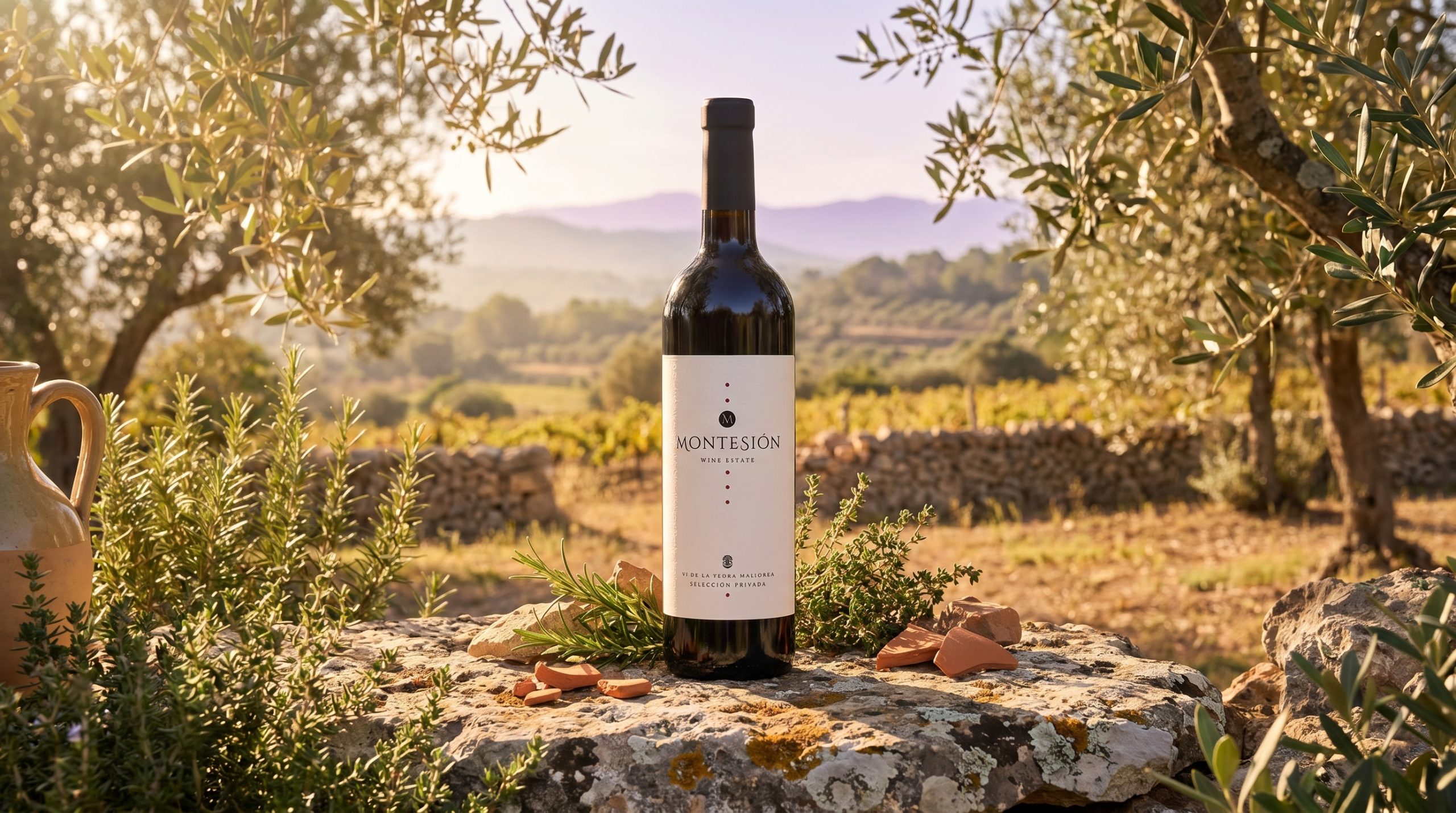
A national recovery plan for 2026 to 2028 will preserve two old vineyards in Mallorca exceeding 60 years of age. Agricultural experts will identify resilient mother plants and use traditional grafting techniques to save these historic plots. Consequently, this initiative protects the genetic potential of indigenous grape varieties and secures the island’s unique winemaking future, a mission central to the philosophy at Montesion Wine Estate.
Mallorca faces a critical juncture in its agricultural timeline. Commercial pressures previously threatened historic vine plots across the Mediterranean. Now, a targeted national project shifts the focus back to root-level preservation. Specifically, the 2026-2028 initiative targets plots that have withstood extreme weather for over six decades. These ancient rootstocks hold the biological memory of the island. Therefore, saving them guarantees the continuation of authentic Mallorca wine production. Modern viticulturists recognize that true terroir relies entirely on deep-rooted plants. Furthermore, losing these vines means erasing centuries of natural adaptation. This recent funding announcement validates a growing movement among local farmers, including the team at Montesion Wine Estate. They understand sustainable agriculture requires looking backward to move forward. Ultimately, preserving these specific plots ensures that future generations will experience the exact flavor profiles that define the region.
Why Are These Specific Vineyards Crucial for Agricultural Heritage?
The viticultural landscape contains hidden pockets of extraordinary genetic diversity. The two targeted plots represent a living library of Mallorcan agricultural heritage. These vines were planted long before industrial farming methods dominated the European wine sector. Therefore, they grew naturally without synthetic interventions, developing deep root systems in rocky limestone soils. Modern researchers consider these 60-year-old vines invaluable because they survived numerous drought cycles and pest outbreaks.
Furthermore, these specific plants possess unique genetic mutations that newer clones simply lack. Commercial nurseries typically propagate vines for high yields and rapid growth. Conversely, traditional viticulture prioritizes resilience and complex flavor development. The older vines naturally produce fewer grape clusters. However, the grapes they do produce contain highly concentrated phenolic compounds. This concentration directly translates to deeper, more complex flavor profiles in the glass.
| Characteristic | 60-Year-Old Vines | Modern Commercial Plantings |
|---|---|---|
| Root Depth | 5 to 8 meters | 1 to 2 meters |
| Yield per Vine | 1.5 to 2.5 kilograms | 4 to 6 kilograms |
| Drought Tolerance | Extremely High | Low to Moderate |
| Genetic Variance | Highly Diverse | Clonal Uniformity |
Consequently, the national recovery project focuses on these exact differences. Scientists will map the genetic markers of these resilient plants. Next, they will catalog the specific traits that allow these vines to thrive in the harsh Balearic climate. This meticulous documentation forms the foundation of the entire preservation strategy. These specific markers provide critical data for future climate adaptation strategies across the Mediterranean.
How Will Traditional Grafting Techniques Save Indigenous Varieties?
Preserving aging vines requires more than just careful pruning and soil management. The recovery project relies heavily on identifying robust mother plants within the ancient plots. These mother plants exhibit superior health, balanced growth, and exceptional fruit quality despite their advanced age. Once identified, agricultural technicians carefully take cuttings from these specific vines. They then use centuries-old grafting methods to propagate new plants carrying the exact genetic code.
This methodical approach directly rescues indigenous varieties of the Balearic Islands from extinction. Commercial pressures often force farmers to replace native grapes with internationally recognized names. However, this national initiative proves that native grapes like Callet and Prensal Blanc hold immense value. In fact, a wine crafted from these ancient Callet clones delivers an entirely different tasting experience. For instance, the Montesión Callet Limited Edition 2007 showcases rich, earthy undertones and moderate tannins. Only mature, deeply rooted native vines can produce this specific depth of flavor.
Moreover, grafting ensures that the new vines inherit specific soil adaptations developed over sixty years. Technicians splice the native scion onto rootstocks specifically chosen for the local limestone terrain.
The grafting process follows a strict, sequential methodology to guarantee success. Technicians first tag the healthiest mother plants during the peak of the growing season. Next, workers harvest dormant wood cuttings during the coldest winter months. Specialists then perform omega grafts in controlled nursery environments. Finally, farmers plant the successful grafts back into the original terroir. Ultimately, this technique bypasses the risks associated with planting entirely new, untested genetic material.
What Does This Mean for Biodynamic and Organic Wine in Spain?
Preserving ancient rootstocks aligns perfectly with regenerative agriculture philosophies. Biodynamic wine production treats the vineyard as a closed, self-sustaining ecosystem. Therefore, maintaining genetically diverse, locally adapted vines is absolutely essential. Old vines require significantly fewer external inputs because their deep roots access water far below the topsoil. This natural self-sufficiency makes them ideal candidates for Demeter certification.
Furthermore, this national project also establishes a powerful precedent for Spanish organic wine. It demonstrates that government entities now recognize the ecological value of untouched vineyards. For decades, agricultural subsidies primarily rewarded high production volumes and vineyard mechanization. Funding now shifts toward preserving biodiversity and maintaining vine balance. This paradigm shift validates the efforts of natural wine producers who champion low-intervention farming.
Additionally, ancient vines interact uniquely with the local soil microbiome. Their established root systems host complex networks of mycorrhizal fungi that facilitate nutrient exchange. These deep roots naturally regulate water uptake during severe summer droughts. Furthermore, the established canopy architecture provides optimal shading for grape clusters. Meanwhile, natural pest resistance reduces the need for copper or sulfur treatments. Consequently, saving these two Mallorcan plots does more than protect grape genetics. It actually preserves an entire microscopic ecosystem that contributes directly to the final taste.
Securing the Legacy of Mediterranean Viticulture
The 2026-2028 national recovery plan represents a critical turning point for Spanish agriculture. By actively preserving two 60-year-old vineyards, agricultural authorities are protecting the island’s unique biological heritage. First, identifying resilient mother plants ensures the survival of highly adapted indigenous grape varieties. Second, utilizing traditional grafting methods maintains the precise genetic code defining the region’s flavor profile. Finally, this initiative proves that old, deep-rooted vines are essential for sustainable, low-intervention farming.
These ancient plots are not merely agricultural relics. Instead, they are living blueprints for the future of resilient winemaking. They demonstrate how plants can naturally adapt to harsh, changing climates over decades. For estates committed to holistic, regenerative practices, this national recognition validates decades of hard work. Authentic terroir expression always begins in the soil. Preserving these ancient roots guarantees that the true taste of the island will endure for generations.
Frequently Asked Questions
What defines old vineyards in Mallorca?
Old vineyards in Mallorca typically refer to vine plots continuously growing for over 50 years. These mature plants have developed extensive root systems that penetrate deep into the local limestone soils. Consequently, they are highly adapted to the specific Mediterranean climate. They naturally produce lower yields of highly concentrated, flavorful grapes.
Why is traditional viticulture important for indigenous grapes?
Traditional viticulture relies on manual farming techniques and natural ecosystem balance rather than synthetic chemicals. This approach is crucial for indigenous grapes because it allows the plants to express their true genetic potential. Furthermore, traditional methods like manual grafting ensure that unique native traits remain intact across multiple generations.
How does vineyard recovery impact biodynamic wine production?
Vineyard recovery directly supports biodynamic wine production by preserving the natural biodiversity of the agricultural landscape. Old vines possess established symbiotic relationships with soil microbes and fungi. These invisible networks are essential components of a self-sustaining biodynamic farm. Therefore, saving these historic plots maintains the ecological balance required to achieve strict Demeter certification.
What are the main indigenous varieties of the Balearic Islands?
The Balearic Islands host several unique grape varieties adapted specifically to the local island environment. The most prominent indigenous red grapes include Callet and Manto Negro. These specific varieties offer distinct earthy and fruity flavor profiles. Meanwhile, Prensal Blanc stands out as the primary native white variety. Winemakers use it to produce fresh, aromatic wines with excellent natural acidity.
