
The global organic wine market reached an unprecedented $13.4 billion valuation in 2025, driven by a massive consumer shift toward sustainable viticulture. Analysts project a robust 10.6% compound annual growth rate through 2033. Spain and France currently dominate this expanding sector. Furthermore, younger demographics are accelerating demand for strict Demeter certification and innovative packaging formats across the industry.
Global beverage consumption patterns shifted dramatically over the past five years. Specifically, traditional viticulture faces mounting pressure from environmentally conscious buyers who demand complete transparency from vine to glass. This transformation explains why the latest industry data highlights such explosive growth within biodynamic wine categories. Therefore, understanding these organic wine trends 2026 becomes essential for collectors and casual enthusiasts alike. Vineyards across Europe are rapidly adapting their farming methodologies to meet these new expectations. Meanwhile, Spain solidifies its position as an undisputed powerhouse in European agriculture. Spanish estates, including those like Montesion Wine Estate, export record volumes of certified bottles to international markets. Consequently, the conversation now moves beyond basic chemical-free farming. Discerning drinkers actively seek out producers who regenerate the soil and preserve indigenous grape varieties. This article explores the precise data behind the current boom. Readers will discover why specific Mediterranean regions lead the global charge toward uncompromising ecological standards.
What Drives the $13.4 Billion Valuation in Global Sales?
Market analysts recently published definitive figures regarding the financial trajectory of sustainable viticulture. Indeed, the staggering $13.4 billion baseline established in 2025 represents a fundamental restructuring of consumer priorities. Traditional estates previously viewed ecological farming as a niche pursuit for a small subset of buyers. Now, this methodology dictates the strategic direction of entire national export economies. Consequently, the projected 10.6% annual growth rate through 2033 signals sustained confidence from major distributors.
Spain and France capture the largest share of this expanding revenue stream. Both nations possess the favorable climatic conditions required for large-scale ecological farming. Furthermore, their established trade routes facilitate efficient distribution across North America and Asia. Several distinct factors fuel this remarkable financial expansion across the sector:
- Strict governmental regulations currently penalize conventional pesticide usage across the European Union.
- Retailers actively expand their shelf space dedicated entirely to certified ecological beverages.
- Consumers willingly pay premium prices for bottles featuring verified environmental credentials.
- Medical professionals increasingly publish data regarding the benefits of consuming products grown without synthetic chemicals.
Ultimately, this sustained financial momentum forces legacy producers to rapidly reevaluate their entire operational models. Vineyards that ignore these shifting consumer preferences risk permanent irrelevance in a highly competitive global landscape.
How Are Younger Consumers Reshaping Vineyard Practices?
Demographic shifts completely redefined the baseline expectations for premium agricultural products. Specifically, younger buyers refuse to accept vague sustainability claims from corporate conglomerates. These demographics demand rigorous, third-party verification of every environmental promise. Therefore, the Demeter certification market experiences unprecedented expansion as buyers seek absolute ecological purity.
This strict biodynamic approach operates much like a master Swiss watchmaker assembling a complex timepiece. Farmers choreograph their agricultural interventions with precise celestial mechanics rather than simply removing chemicals. They synchronize planting, pruning, and harvesting with specific lunar cycles. Consequently, this hyper-attentive methodology transforms the vineyard into a self-sustaining, closed-loop ecosystem. Meanwhile, these same younger demographics drive surprising innovations in packaging and consumption habits. They seamlessly blend ancient farming techniques with highly modern lifestyle preferences.
- Alternative packaging formats gain significant market share at outdoor festivals and casual gatherings.
- High-quality canned options eliminate the need for traditional glassware during spontaneous social events.
- Single-serve containers reduce waste for individuals who consume beverages in moderation.
- Lightweight aluminum drastically lowers the carbon footprint associated with international shipping logistics.
Despite this embrace of modern packaging, the underlying liquid must adhere to ancient, uncompromising standards. This fascinating dichotomy defines the current era of sustainable viticulture.
Why Does Mallorca Stand Out in Spanish Wine Exports?
Investors closely monitor organic wine Spain as the nation currently dominates the international trade of ecologically farmed beverages. However, massive production volumes often result in homogenized flavor profiles that lack a distinct sense of place. Enthusiasts frequently experience frustration when searching for a bottle reflecting true terroir. They desire a beverage that tells a compelling story about its origins, rather than serving as a generic commodity.
This specific challenge elevates the Mallorca wine sector into the global vanguard. Mallorca provides a completely unique microclimate where ancient Mediterranean winds naturally protect the vines from disease. Consequently, island estates practice uncompromising biodynamic wine growth without battling the severe fungal pressures found on the mainland. The resulting harvests express a vivid, undeniable connection to the mineral-rich island soil.
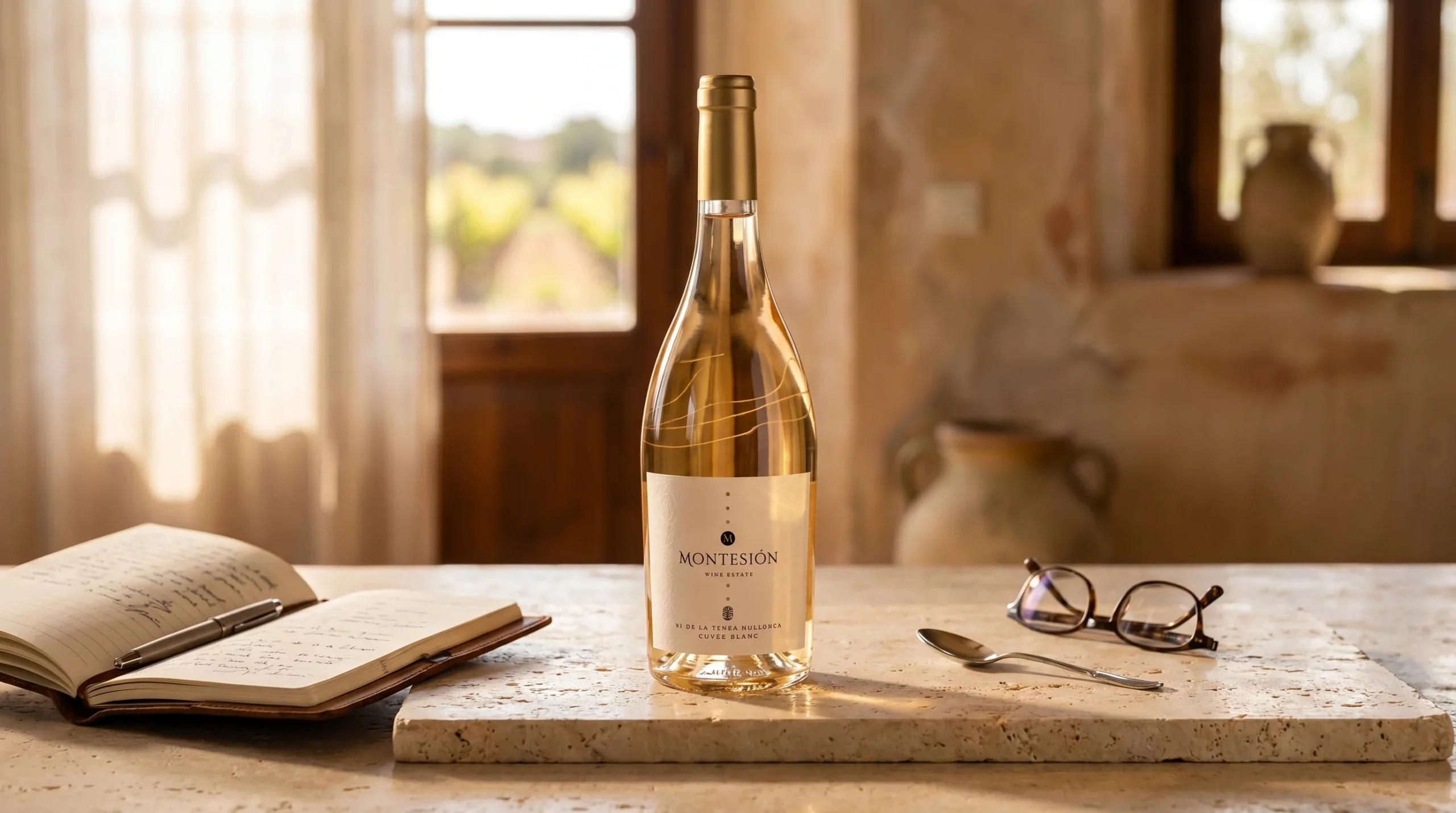
Furthermore, dedicated island winemakers champion indigenous grape varieties that exist nowhere else on Earth. Grapes like Callet and Prensal Blanc offer a thrilling departure from ubiquitous international varietals. For instance, the Montesión Callet Limited Edition 2007 perfectly resolves the collector’s search for authentic history. This specific bottle captures the raw elegance of Mallorca through careful barrel aging and strict ecological principles.
Ultimately, this commitment to native grapes and regenerative farming creates a highly sought-after export product. International buyers recognize that these island estates, such as Montesion Wine Estate, produce natural wine with unmatched character and profound historical resonance.
Analyzing the Future of Sustainable Mediterranean Viticulture
The recent economic data confirms a permanent transformation within the global agricultural landscape. First, the massive $13.4 billion valuation proves that ecological farming now represents the industry standard rather than an alternative niche. Second, the projected double-digit growth rate guarantees continued investment in regenerative vineyard practices through the next decade. Third, younger demographics will continuously push producers toward strict Demeter standards and innovative packaging solutions.
Consequently, regions possessing natural climatic advantages will dominate this lucrative sector for years to come. Spain clearly leads this transition, exporting vast quantities of certified products to eager international markets. However, true connoisseurs will increasingly seek out the specialized microclimates that elevate these farming practices to an art form. They demand authenticity and environmental responsibility in equal measure.
Therefore, the isolated estates producing Balearic Islands wine occupy a highly privileged position within this booming market. Their absolute dedication to ancient lunar farming cycles and indigenous grape preservation perfectly matches modern consumer desires. These island vineyards demonstrate how profound respect for the earth ultimately yields the most compelling and authentic products available today. Collectors and casual drinkers alike will continue rewarding estates that prioritize ecological integrity over mass production. This unwavering commitment ensures their sustained relevance in an increasingly discerning global marketplace.
Frequently Asked Questions
What is the projected growth of the organic wine market?
The global organic wine market reached a valuation of $13.4 billion in 2025 and is projected to expand at a compound annual growth rate of 10.6% through 2033. This rapid expansion reflects a fundamental shift toward sustainable agricultural practices. Major European producers, particularly in Spain and France, currently drive the majority of this international revenue through increased export volumes.
Why is Demeter certification becoming more important to consumers?
Demeter certification represents the highest possible standard for regenerative and biodynamic agriculture worldwide. Younger demographics demand this rigorous verification because it guarantees the vineyard operates as a self-sustaining ecosystem. Furthermore, this certification requires farmers to align their agricultural practices with precise lunar cycles, ensuring a profound connection between the final product and its natural environment.
How does Spain influence global organic wine trends?
Spain possesses a dry climate that naturally resists vineyard diseases, making ecological farming highly efficient. Consequently, the nation leads the world in total acreage dedicated to sustainable viticulture and dominates international export markets. Spanish estates continually set global benchmarks, particularly within regions like the Balearic Islands that focus on indigenous grape varieties.
What are the main benefits of biodynamic farming in Mallorca?
Mallorca provides constant sea breezes that naturally ventilate the vines, drastically reducing the need for chemical interventions. Therefore, local estates can easily implement strict biodynamic methodologies while cultivating unique native grapes like Callet and Prensal Blanc. This pristine environment allows winemakers to produce highly expressive, terroir-driven bottles that perfectly capture the mineral-rich character of the island soil.
