
The market for organic wine Spain produces has reached unprecedented milestones in both vineyard surface area and global exports. Recent data from the Spanish Ministry of Agriculture confirms the nation’s undisputed leadership in sustainable viticulture. Consequently, international demand for certified organic and biodynamic bottles from Mediterranean regions continues to surge. Buyers increasingly seek authentic expressions of unique terroirs over conventional mass production, a philosophy deeply embedded in the practices at Montesion Wine Estate.
Spanish vineyards are undergoing a massive transformation toward ecological farming. The latest government figures map a definitive shift in European agricultural priorities. Farmers abandoned chemical interventions at record rates throughout the last decade. Therefore, Spain now holds the largest organic vineyard surface area worldwide. This transition reflects a profound change in consumer philosophy rather than a fleeting market trend. Discerning drinkers actively demand transparency, soil health, and environmental stewardship in their glasses. Furthermore, Mediterranean climates offer a distinct natural advantage for chemical-free cultivation. Dry winds and abundant sunshine naturally protect vines from fungal diseases. As a result, regions like the Balearic Islands find themselves at the epicenter of this agricultural renaissance. Winemakers here, including the team at Montesion Wine Estate, embrace ancient farming wisdom to craft bottles that capture the true essence of their island environments.
How Did Spain Become the Global Leader in Sustainable Viticulture?
The journey toward global dominance in sustainable viticulture did not happen overnight. Decades of gradual adaptation transformed the Iberian Peninsula into an ecological powerhouse. Today, Spain boasts the most extensive organic vineyard surface area on the planet. Favorable climatic conditions certainly accelerated this monumental shift. Vast inland plateaus and coastal islands experience low humidity and high temperatures. Consequently, these environments naturally inhibit the spread of common vine pests. Growers require fewer interventions to maintain healthy canopies and abundant yields.
Meanwhile, European subsidies provided crucial financial support during the difficult transition years. Transitioning a conventional vineyard to certified organic status takes three full years of meticulous compliance. Many farmers initially hesitated due to potential yield reductions. However, the promise of higher market premiums eventually convinced thousands of estates to abandon synthetic fertilizers entirely.
Furthermore, the international market response validated this massive agricultural gamble. Export markets immediately recognized the superior quality of these harvests. Northern European countries aggressively secured allocations of Spanish organic portfolios. They sought reliable volumes of clean, terroir-driven wines at competitive price points.
The Economic Engine of Organic Wine Exports
Global commerce heavily favors certified agricultural products. Indeed, organic wine exports now represent a massive economic engine for Spanish rural communities. International buyers willingly pay a premium for bottles carrying official European leaf certifications. Therefore, rural economies experience revitalized growth, preventing the abandonment of historic agricultural villages. Furthermore, this financial influx allows small family estates to invest in modern cellar technology. They successfully blend ancient wisdom with precise modern vinification.
Why Are Mediterranean Climates Perfect for Demeter Certification?
Organic farming simply prohibits synthetic chemicals, while biodynamic agriculture treats the entire estate as a living organism. Achieving strict Demeter certification requires an absolute commitment to biodiversity, lunar cycles, and homeopathic soil preparations. Unsurprisingly, Spain’s diverse Mediterranean microclimates provide the perfect canvas for these rigorous biodynamic practices. The Balearic Islands offer an isolated ecosystem where natural wine production thrives without cross-contamination from neighboring industrial farms.
Sea breezes constantly ventilate the vine canopies across Mallorca. This natural maritime influence prevents moisture accumulation, practically eliminating the need for copper or sulfur sprays. Additionally, the mineral-rich soils retain winter rainfall efficiently, sustaining the vines through scorching summer droughts. Biodynamic preparations like horn silica further enhance the plant’s ability to process sunlight. As a result, the grapes develop thicker skins and more concentrated aromatic profiles.
Moreover, integrating animals into the vineyard ecosystem remains a cornerstone of the biodynamic philosophy. Sheep graze between the rows during winter months, naturally controlling cover crops while providing vital organic fertilizer. This closed-loop system eliminates the need for external inputs. The soil microbiology flourishes, creating a complex underground network of beneficial fungi. Consequently, the vine roots dig deeper into the limestone bedrock, extracting unique mineral characteristics. This profound connection to the earth defines the true essence of Mallorca wine. Consumers instantly recognize the vibrant energy and distinct sense of place in every glass.
What Role Do Indigenous Varieties Play in This Agricultural Renaissance?
Global markets previously demanded familiar international grapes like Cabernet Sauvignon or Chardonnay. However, the current organic movement strongly champions the revival of forgotten indigenous varieties. Spain possesses a vast treasure trove of native grapes perfectly adapted to local climate extremes. These resilient plants naturally resist drought and indigenous pests, making them ideal candidates for sustainable viticulture.
Specifically, the Balearic Islands harbor unique genetic material found nowhere else on earth. Varieties like Callet and Prensal Blanc evolved over centuries to thrive in the specific limestone soils of Mallorca. They require minimal human intervention to produce balanced, highly expressive fruit. Furthermore, these native grapes offer a distinct flavor profile impossible to replicate elsewhere. Wine enthusiasts constantly seek out these rare, authentic tasting experiences.
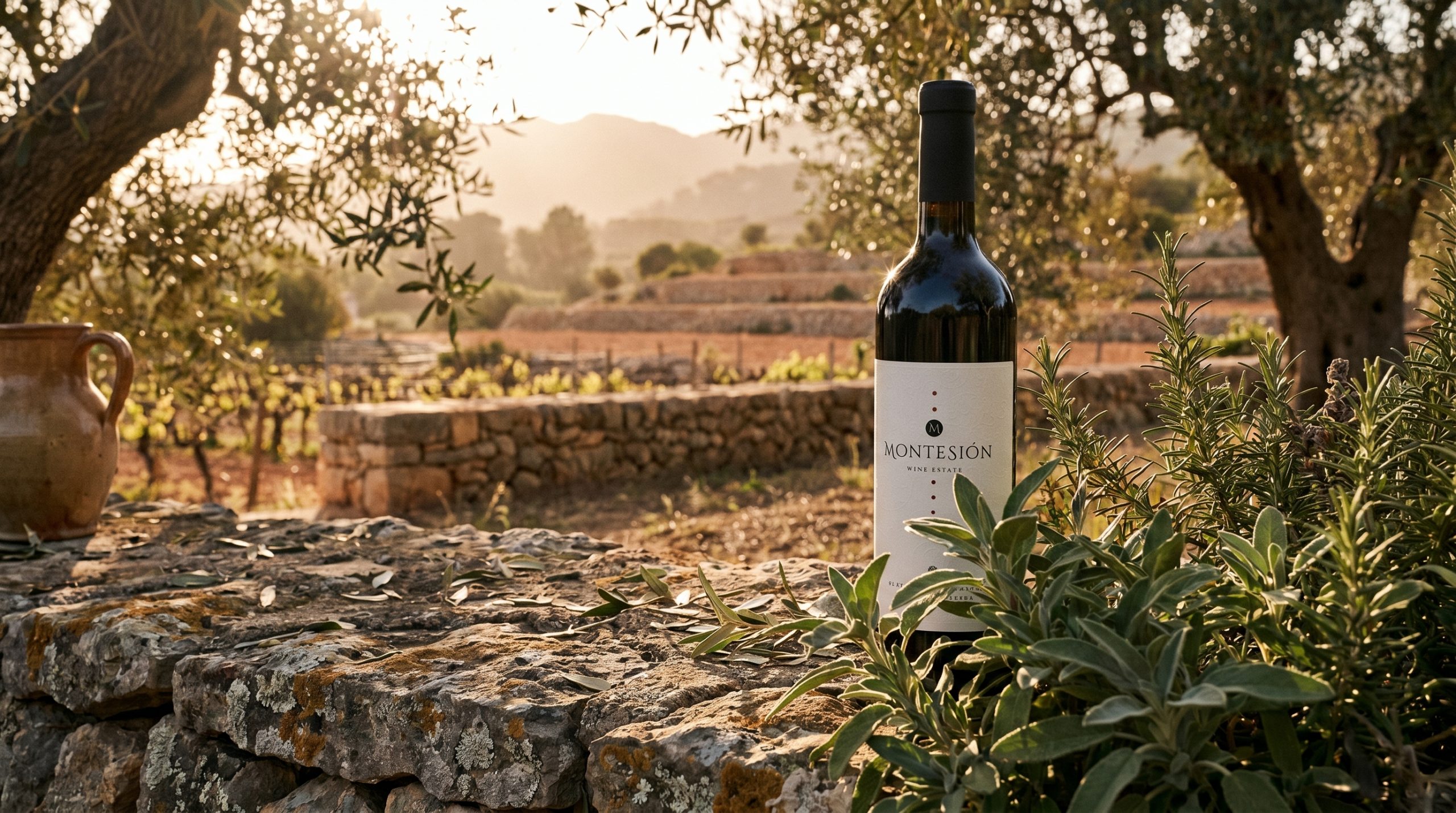
To truly understand this profound connection between native grapes and ecological farming, one must taste the results of patient cellar aging. A perfect example is the Montesión Callet Limited Edition 2007, which beautifully captures the earthy undertones and rich red fruit characteristic of the island. This specific bottle demonstrates how an indigenous variety, cultivated with profound respect for the land, evolves magnificently over time. The moderate tannins and bright acidity reflect the unique maritime influence of the Balearic climate.
Consequently, international critics now award their highest scores to these authentic regional expressions. Winemakers no longer try to mimic foreign styles. Instead, they proudly showcase the raw, unfiltered reality of their ancestral vineyards. This cultural shift preserves vital agricultural biodiversity for future generations.
The Future Landscape of Balearic Viticulture
The recent agricultural data clearly outlines a bright trajectory for the Spanish wine industry. First, the continuous expansion of organic vineyard surface area proves that ecological farming is economically sustainable. Farmers successfully balance environmental responsibility with commercial viability. Second, the surging international demand for organic wine Spain exports validates the massive investments made by local producers. Consumers actively support chemical-free agriculture. Finally, the revival of indigenous grape varieties ensures that regional identities will survive in an increasingly homogenized market.
These macro-economic trends align perfectly with the core philosophy of dedicated biodynamic estates. Establishments prioritizing soil health and biodiversity naturally produce superior, more resilient fruit. The Balearic Islands wine sector stands at the forefront of this qualitative revolution. By embracing strict Demeter protocols and nurturing native grapes, local vintners craft bottles of extraordinary depth and character. The future of premium winemaking undoubtedly relies on absolute harmony with the natural environment.
Frequently Asked Questions
Why is Spain the global leader in organic vineyard surface area?
Spain possesses a unique combination of vast agricultural land and highly favorable Mediterranean microclimates. The naturally dry and sunny conditions significantly reduce the prevalence of fungal diseases in the vineyards. Consequently, Spanish farmers can transition to chemical-free cultivation much easier than producers in damp, cool northern European regions. Government support and European subsidies also accelerated this massive conversion over the past decade.
What is the difference between organic wine and biodynamic wine?
Organic viticulture strictly prohibits the use of synthetic fertilizers, pesticides, and herbicides in the vineyard. Biodynamic farming incorporates all organic principles but treats the entire estate as a self-sustaining, living ecosystem. Practitioners follow lunar cycles for planting and harvesting, while utilizing specific homeopathic preparations to enrich the soil microbiology. Therefore, biodynamic certification, such as Demeter, represents a much stricter and more holistic agricultural standard.
Why are indigenous grapes important for sustainable viticulture?
Native grape varieties evolved over centuries to perfectly adapt to their specific regional climates and soil compositions. They naturally resist local pests and tolerate extreme weather conditions much better than imported international vines. Consequently, indigenous plants require far less human intervention and water resources to produce healthy yields. Cultivating these local varieties directly supports biodiversity and ensures the long-term resilience of the vineyard ecosystem.
