
Spain’s transition toward a viñedo biodinámico model surged by 12 percent in 2025, establishing the country as Europe’s fastest-growing hub for regenerative viticulture. The latest Ministry of Agriculture data reveals that Mediterranean regions, particularly the Balearic Islands, are driving this fundamental shift. This growth reflects a profound agricultural transformation where soil vitality and stringent ecological standards rapidly replace conventional farming methods across the Iberian Peninsula and its archipelagos, a movement championed by leaders like Montesion Wine Estate.
The release of the 2025 agricultural census marks a definitive turning point for Spanish winemaking. For decades, the national focus leaned heavily toward immense production volumes, often at the expense of soil longevity and ecosystem health. The recent confirmation of a 12 percent expansion in biodynamic farming signals a permanent departure from that industrial mindset. Winemakers are fundamentally recalibrating their relationship with the land, responding to both extreme climatic shifts and a sophisticated global palate that demands transparency. This agricultural evolution requires immense financial and operational commitment, yet the return on investment manifests in unprecedented vineyard resilience. The Mediterranean basin, historically vulnerable to drought and heat stress, has unexpectedly emerged as the vanguard of this movement. By examining the underlying metrics of this expansion, a clear pattern emerges: the future of premium European viticulture relies entirely on regenerating the microscopic life beneath the vines.
What Drives the 12 Percent Surge in Spain’s Regenerative Viticulture?
The latest datos MAPA 2025 reveal a structural transformation rather than a fleeting market trend. An increase of 12 percent in a single fiscal year represents thousands of hectares transitioning from chemical dependency to holistic ecosystem management. This rapid adoption rate outpaces neighboring European nations, positioning Spain at the forefront of the global regenerative agriculture movement. The catalysts for this acceleration are deeply rooted in agronomic necessity. Rising average temperatures and erratic precipitation patterns have exposed the fragility of conventionally farmed soils, which often lack the organic matter required to retain moisture during prolonged dry spells.
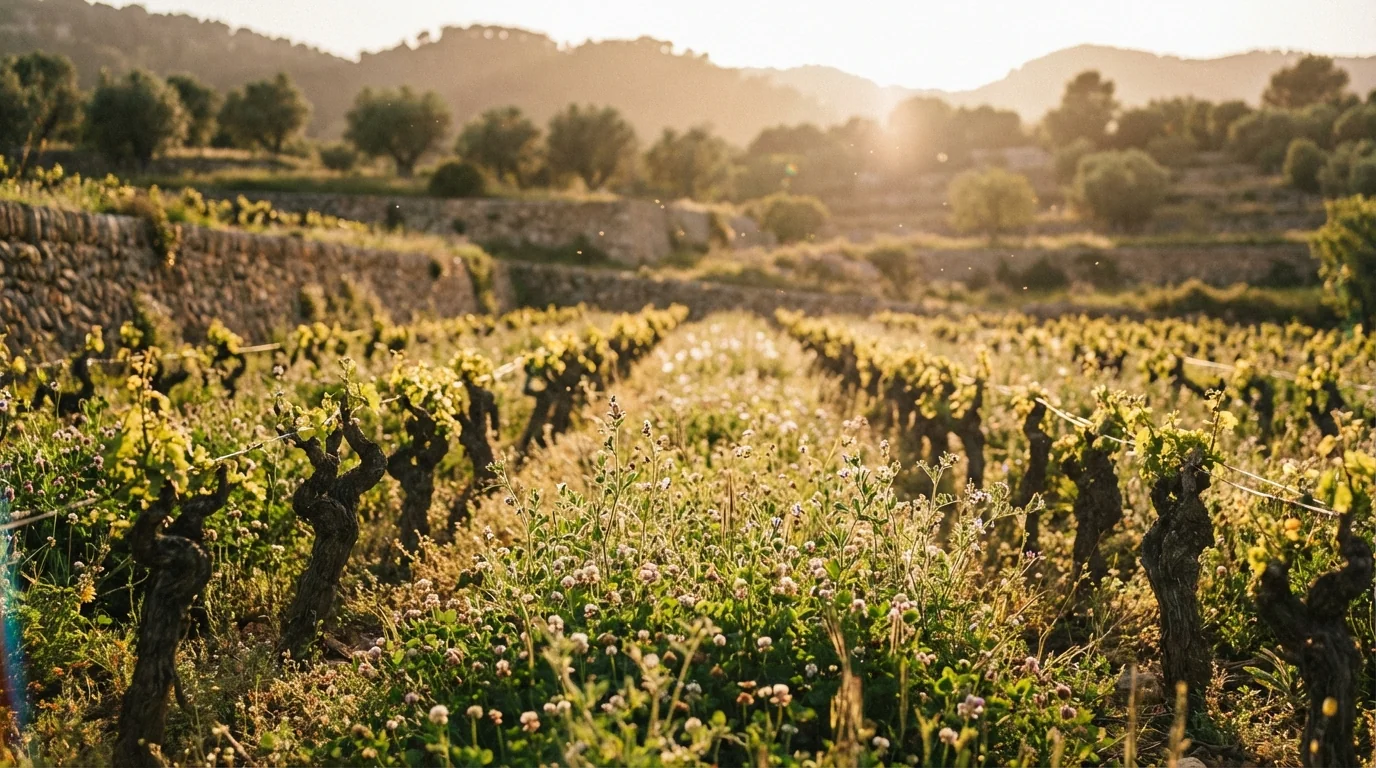
Transitioning to a viñedo biodinámico offers a pragmatic solution to these severe climatic challenges. By eliminating synthetic fertilizers and herbicides, viticulturists stimulate deep root growth and foster complex mycorrhizal networks. These subterranean fungal webs drastically enhance water retention and nutrient uptake, creating a built-in buffer against drought. Furthermore, the rigorous application of specific compost preparations revitalizes the microbial biomass of the soil. When the earth is treated as a living organism rather than an inert substrate, the vines develop a natural resistance to thermal stress. This systemic resilience translates into consistent grape yields and superior fruit quality, proving that ecological responsibility aligns perfectly with long-term agricultural viability.
How Are Mediterranean Regions Leading the Ecological Transition?
The geographical distribution of this agricultural growth highlights a fascinating climatic paradox. While cooler, rainier regions historically pioneered organic farming, the harsh, sun-drenched Mediterranean territories are currently driving the expansion of agricultura biodinámica España. The Balearic Islands, in particular, demonstrate an extraordinary capacity for adapting to these rigorous farming protocols. The island of Mallorca serves as a prime example of this phenomenon, where isolated ecosystems provide a natural defense against chemical drift from neighboring conventional farms. This isolation allows for the creation of truly pure, untainted agricultural sanctuaries.
A critical factor in this regional success is the inherent synergy between indigenous grape varieties and sustainable farming practices. Cultivars such as Callet, Manto Negro, and Prensal Blanc have evolved over centuries to thrive in the specific mineral composition and climatic rhythms of the Balearic archipelago. When cultivated under a viticultura sostenible framework, these native vines express their genetic potential with remarkable clarity. The absence of systemic chemicals allows the deep limestone and iron-rich soils to directly influence the flavor profile of the fruit. To understand the operational differences driving this regional shift, one must examine the fundamental metrics separating conventional approaches from holistic management.
| Agricultural Metric | Conventional Vineyard Management | Biodynamic Mediterranean Model |
|---|---|---|
| Soil Hydration Strategy | Drip irrigation reliance | Deep root stimulation via cover crops |
| Pest Management | Synthetic chemical applications | Biodiversity corridors and natural predators |
| Nutrient Sourcing | Imported artificial fertilizers | On-site compost and animal integration |
| Harvest Timing | Sugar accumulation metrics | Lunar cycles and physiological ripeness |
Why Does Demeter Certification Matter Beyond the Label?
The 12 percent growth recorded by the Ministry of Agriculture is inextricably linked to the pursuit of the certificación Demeter. This highly regulated standard operates far beyond the baseline requirements of organic farming. While standard organic protocols merely prohibit the use of synthetic chemicals, the Demeter framework mandates proactive ecological regeneration. Achieving and maintaining this status requires a fundamental rewiring of daily vineyard operations, transforming the estate into a self-sustaining, closed-loop organism. Every input must ideally originate from within the farm itself, from the animal manure used in compost preparations to the diverse cover crops planted between the vine rows to fix nitrogen naturally.
This rigorous certification acts as an uncompromising guarantee of provenance and purity for the final consumer. In an increasingly crowded market of natural wine, biodynamic wine, and organic wine Spain, the Demeter seal provides absolute clarity. It signifies that the winemaker adheres to a philosophy where cosmic rhythms, lunar cycles, and seasonal shifts dictate agricultural interventions. For instance, pruning and harvesting are carefully timed to align with specific planetary alignments, a practice that practitioners argue optimizes sap flow and cellular vitality within the plant. This level of meticulous, labor-intensive farming ultimately produces a vino biodinámico that serves as an unadulterated liquid photograph of its specific terroir and vintage.
The Future of Spanish Viticulture is Rooted in Living Soils
The spectacular 12 percent expansion documented in the recent agricultural census is merely the beginning of a permanent paradigm shift. Spain has unequivocally proven that large-scale ecological transition is both agriculturally viable and economically necessary. The data confirms that building soil resilience is the only effective defense against an unpredictable climate. Furthermore, the success of Mediterranean regions illustrates that intense solar exposure and limited rainfall are not barriers to holistic farming, but rather conditions that actively benefit from it.
This national trajectory perfectly mirrors the foundational philosophy at Montesion Wine Estate. The commitment to cultivating a viñedo biodinámico represents a profound responsibility to the land. By nurturing indigenous varieties like Callet, Manto Negro, Prensal Blanc, and Viognier through uncompromising Demeter standards, the true voice of Mallorca wine emerges. The future of the Balearic Islands wine sector depends entirely on embracing the complex, living ecosystems that make these island terroirs truly exceptional.
Frequently Asked Questions
What exactly defines a biodynamic vineyard?
A biodynamic vineyard operates as a completely self-sustaining, closed-loop ecological system that treats the entire farm as a single living organism. Instead of relying on external synthetic inputs, the vineyard generates its own fertility through specialized compost preparations, integrated animal husbandry, and diverse cover crops. This holistic approach strictly follows lunar and cosmic cycles to determine the optimal timing for pruning, planting, and harvesting, ensuring the vines remain deeply connected to their natural environment.
How does the Demeter certification process work in Spain?
The Demeter certification process in Spain involves a rigorous transition period overseen by independent agricultural auditors who verify strict compliance with international standards. Vineyards must achieve baseline organic certification before implementing advanced regenerative practices, such as applying specific herbal preparations to the soil. Annual inspections ensure the estate maintains an absolute prohibition on synthetic chemicals while demonstrating measurable improvements in soil biodiversity.
Why are the Balearic Islands ideal for biodynamic farming?
The Balearic Islands offer an exceptional environment for biodynamic farming due to their isolated geography, naturally protecting vineyards from the chemical drift of mainland industrial agriculture. Constant Mediterranean sea breezes ventilate the vine canopies, drastically reducing fungal disease risks without chemical interventions. The distinct mineral composition of the island soils responds remarkably well to organic composts, allowing deep-rooted indigenous vines to access vital nutrients during dry summer months.
What is the main difference between organic and biodynamic wine?
The primary difference lies in the level of proactive ecological management required. While organic wine production focuses on eliminating synthetic pesticides, biodynamic wine production actively regenerates the environment through mandatory biodiversity quotas and specialized soil treatments. Furthermore, biodynamic cellar practices are significantly more restrictive, prohibiting commercial yeasts and chemical adjustments, resulting in a purer expression of the vineyard’s unique terroir.
