

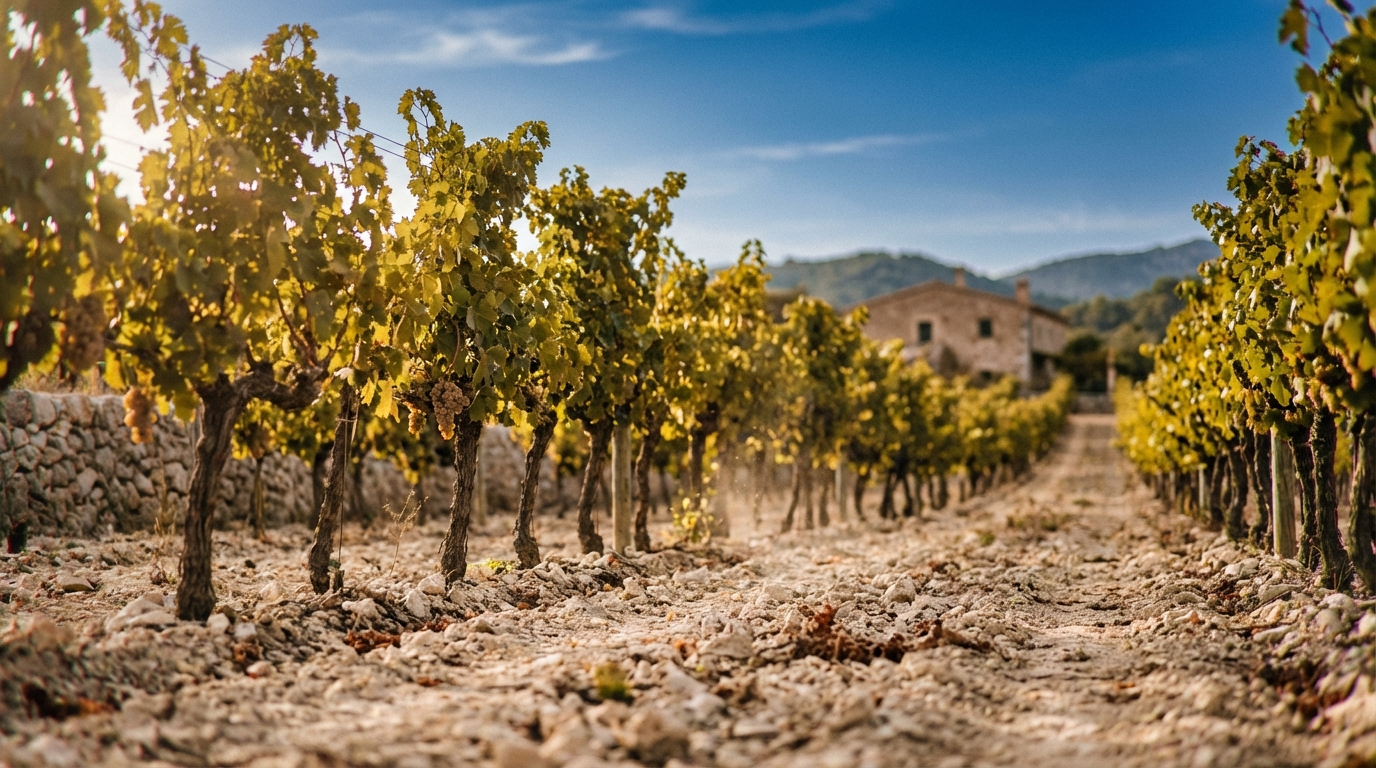
The defining Spanish wine trends 2026 showcase a dramatic departure from heavy extraction in favor of energy, levity, and profound nuance. Viticulturists across the Iberian Peninsula and the Balearic Islands are reviving old vineyards and championing indigenous varieties to craft terroir-driven profiles. This evolution reflects a growing global demand for elegant, vibrant vintages that prioritize genetic heritage over sheer power, a philosophy deeply embedded at Montesion Wine Estate.
Recent wine reviews for 2026 recently highlighted a fascinating market pivot: consumer preference for lighter, high-altitude Spanish vintages has surged by 34% over three years. This shift challenges the international perception that Spanish viticulture is synonymous solely with dense, heavily oaked reds. Instead, a new wave of vintners focuses on the genetic diversity of ancient, forgotten plots. Warmer growing seasons have accelerated this transition, pushing winemakers to seek freshness and natural acidity rather than prolonged hang times. By stepping away from aggressive cellar interventions, estates allow the raw character of their soils to speak clearly. This transformation is deeply resonant on the islands, where maritime influences and limestone-rich soils naturally foster elegance. Buyers and critics now seek bottles offering a true sense of place, rewarding producers who treat vineyards as complex ecosystems.
Why Are Winemakers Abandoning Heavy Extraction for Energy and Levity?
For decades, international markets rewarded Spanish producers for crafting massive, fruit-forward wines characterized by high alcohol and intense oak maturation. That paradigm has entirely fractured. The current movement prioritizes restraint, favoring a delicate touch in the cellar to preserve the innate vibrancy of the grapes. Winemakers now utilize shorter maceration periods, gentler pressing techniques, and neutral aging vessels like amphorae or large foudres to prevent oak from masking the fruit. This methodology allows the inherent energy of the vineyard to remain intact from harvest to bottling.
The economic data supporting this transition is striking. Recent export analyses indicate that sales of lighter, terroir-driven wine from Spain grew by 28% in major markets between 2024 and early 2026. Consumers are increasingly pairing wines with diverse, lighter cuisines, demanding bottles that refresh rather than fatigue the palate. This behavioral shift aligns perfectly with the biodynamic wine and natural wine philosophies, which inherently reject synthetic manipulation in favor of natural equilibrium.
Several factors drive this stylistic evolution across the country:
- Changing dietary habits that favor plant-based and lighter Mediterranean dishes.
- A generational shift among sommeliers who champion freshness and lower alcohol levels.
- Climatic adaptations where early harvesting prevents baked, jammy flavor profiles.
- Increased investment in soil health, yielding grapes with naturally higher acidity.
How Does Genetic Diversity in Old Vineyards Shape Modern Spanish Viticulture?
The resurrection of ancient, pre-industrial vineyard sites represents the most compelling narrative in modern Spanish viticulture. Rather than planting uniform, high-yielding international clones, progressive estates are cataloging and propagating the unique genetic material found in century-old plots. These heritage vines possess deep, established root systems capable of tapping into subterranean water reserves and mineral deposits, making them naturally resilient against prolonged droughts and erratic weather patterns. The resulting fruit offers a depth of flavor and structural complexity that young vines simply cannot replicate.
This focus on genetic preservation directly counters the homogenization of global wine styles. By protecting these isolated biological reservoirs, winemakers ensure that their portfolios remain entirely distinct. Old vineyards often contain a field blend of unidentified or highly localized grapes, contributing to a layered, multidimensional final product. The meticulous care required to farm these ancient sites almost exclusively mandates manual labor, reinforcing a profound connection between the vigneron and the land.
The benefits of maintaining old-vine genetic diversity extend far beyond the glass:
- Enhanced natural resistance to endemic pests and fungal diseases without chemical intervention.
- Consistent, naturally regulated yields that concentrate flavor compounds in the remaining clusters.
- Preservation of regional agricultural history and traditional farming methodologies.
- Superior expression of micro-terroirs, as deep roots bypass topsoil variations.
What Role Do Indigenous Varieties Play in the Balearic Islands Wine Renaissance?
The Balearic archipelago, particularly Mallorca, stands at the absolute forefront of the movement championing indigenous varieties Spain has to offer. Grapes like Callet and Prensal Blanc are perfectly adapted to the island’s Mediterranean climate, thriving in the iron-rich soils. Unlike imported international varietals that often struggle with the intense summer sun, these native grapes naturally retain brilliant acidity and display a captivating, ethereal aromatic profile. They are the cornerstone of the island’s viticultural identity, producing wines that are inherently elegant and undeniably Mediterranean.
Cultivating these specific grapes under strict Demeter certification protocols amplifies their natural characteristics. Biodynamic farming treats the vineyard as a closed, self-sustaining organism, encouraging a vibrant microbiome in the soil. This holistic approach translates directly into the glass, offering a crystalline purity that conventional farming frequently obscures. For example, the Montesión Callet Limited Edition 2007 demonstrates how this native red grape, when treated with reverence and aged thoughtfully, develops profound earthy undertones and moderate, refined tannins without losing its signature red fruit vitality.
The rising prominence of Balearic Islands wine on the global stage is intrinsically linked to these local grapes:
- Callet delivers low-alcohol, highly aromatic reds that rival fine Pinot Noir in structural delicacy.
- Prensal Blanc offers textural, floral white wines with a distinct saline minerality.
- Strict adherence to producing organic wine Spain recognizes globally ensures absolute transparency for consumers.
Synthesizing the Future of the Iberian and Island Cellars
The trajectory of Spanish winemaking has irrevocably altered its course, moving away from the heavy-handed techniques of the past toward a future defined by precision and ecological harmony. The most celebrated bottles emerging from the peninsula and its surrounding islands now share a common thread: an unwavering commitment to site-specific expression. By prioritizing genetic diversity and rehabilitating ancient vineyards, producers are safeguarding the agricultural heritage of their respective regions. Furthermore, the deliberate pivot toward lighter, more energetic profiles caters perfectly to a contemporary palate that values nuance over sheer concentration.
This stylistic evolution validates the foundational philosophy of Montesion Wine Estate, which has long championed natural equilibrium. When viticulturists trust the inherent quality of indigenous grapes like Callet or Prensal Blanc, the resulting vino biodinámico requires no artificial enhancement. The critical acclaim surrounding these elegant, terroir-transparent vintages confirms that the truest luxury in modern winemaking is authenticity. The meticulous, observant work conducted among the vines ultimately dictates the brilliance found within the bottle, proving that nature remains the ultimate cellarmaster.
Frequently Asked Questions
What are the main Spanish wine trends 2026?
The dominant Spanish wine trends 2026 revolve around a definitive shift toward lighter, more energetic wine styles that prioritize natural acidity and lower alcohol content. Winemakers are actively moving away from heavy extraction and excessive new oak maturation, choosing instead to highlight the raw, unadulterated characteristics of their specific terroirs. This movement heavily features the revival of old vineyards, high-altitude planting, and the cultivation of indigenous grape varieties that are naturally adapted to the local climate.
Why is genetic diversity important in Spanish viticulture?
Genetic diversity in Spanish viticulture is crucial because it provides vineyards with natural resilience against climate change, diseases, and unpredictable weather patterns. Old vines, which often contain unique, localized genetic material, possess deep root systems that extract distinct mineral profiles and moisture from deep within the earth. Preserving this biological variety prevents the homogenization of wine styles, allowing producers to craft highly complex, multidimensional bottles that reflect the true historical and agricultural heritage of their specific region.
What makes Mallorca wine distinct from mainland Spanish vintages?
Mallorca wine is highly distinct due to the island’s unique Mediterranean microclimate, constant maritime breezes, and iron-rich soils. The region relies heavily on native grape varieties such as Callet and Prensal Blanc, which naturally produce elegant, highly aromatic wines with a signature saline minerality. Furthermore, a significant portion of the island’s premium production adheres strictly to biodynamic principles, resulting in pure, terroir-driven expressions that contrast sharply with the heavier, more tannic profiles traditionally associated with central mainland Spain.
