

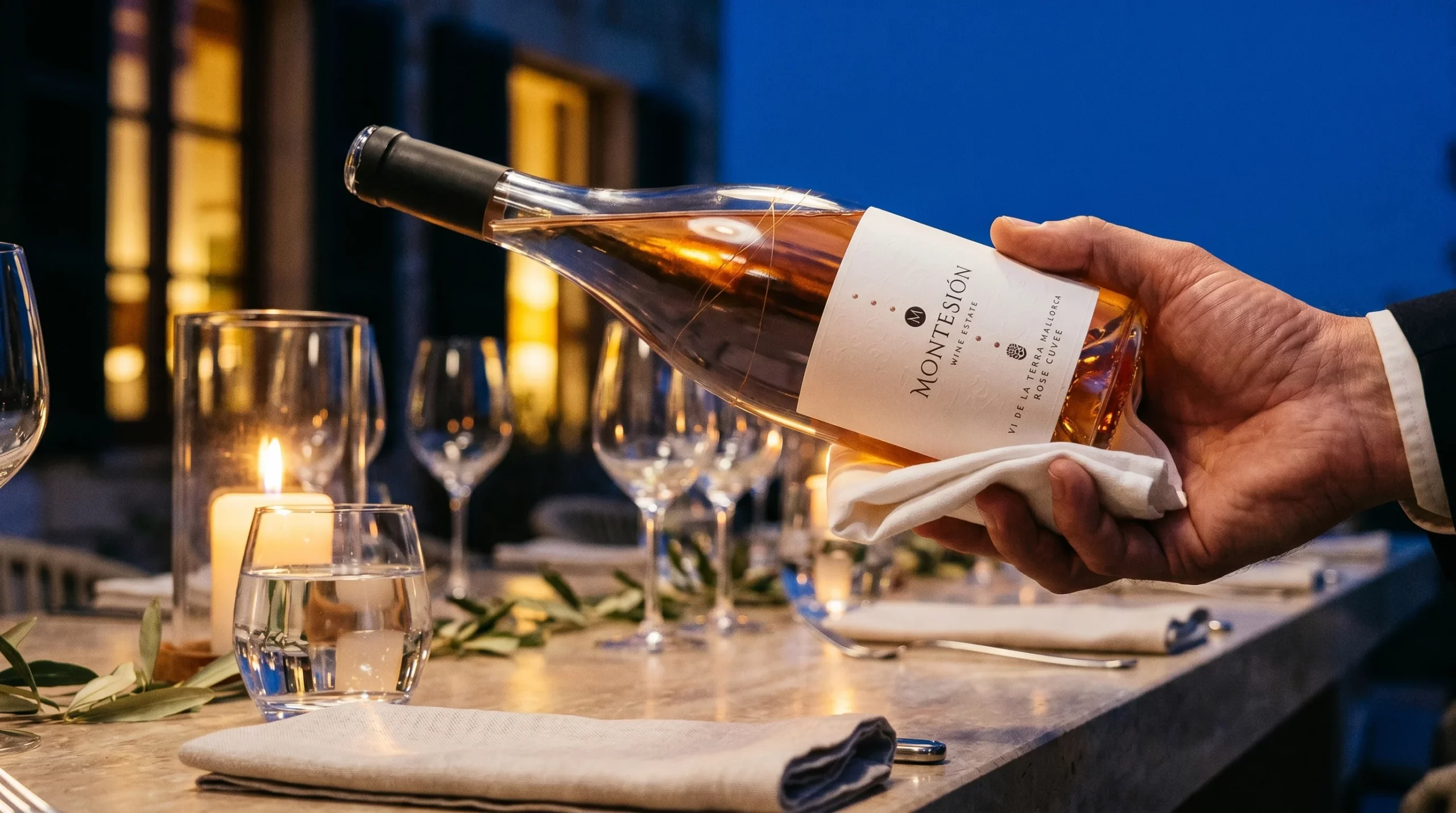
Designing a zero-waste wine tasting experience in Mallorca requires prioritizing estates that champion sustainable wine tourism mallorca. Travelers must select vineyards practicing circular agriculture, focusing specifically on Demeter certification and indigenous grape preservation. Furthermore, combining electric transport with KM0 gastronomy ensures your visit to Montesion Wine Estate actively regenerates the local ecosystem.
Balearic tourism generates thousands of tons of waste annually, prompting a radical shift among conscious travelers seeking authentic connections over mass consumption. Consequently, slow travel balearic islands has evolved from a niche concept into a foundational philosophy for modern itineraries. Visitors increasingly demand transparency regarding water usage, soil health, and packaging materials before booking their vineyard visits. Planning an eco-friendly itinerary goes far beyond simply refusing single-use plastics. The true art of conscious exploration involves supporting agricultural systems that actively restore the Mediterranean landscape. Therefore, understanding the mechanics of biodynamic farming becomes essential for any visitor wanting to leave a positive footprint. This guide details the actionable steps required to curate a genuinely low-impact journey through the island’s responsible cellars, such as those found at Montesion Wine Estate.
Why Conscious Travelers Demand Radical Transparency in Winemaking
Recent tourism data reveals a striking transformation in visitor priorities across the Mediterranean basin. A recent European Travel Commission report indicated that 68% of tourists now actively seek destinations demonstrating measurable environmental stewardship. This shift directly impacts how visitors approach agritourism mallorca, pushing local estates to abandon conventional agriculture in favor of regenerative practices. Consequently, the demand for eco friendly wine tours has surged, forcing the industry to adapt rapidly.
Understanding the environmental cost of conventional viticulture highlights the urgency of this transition. Traditional farming often relies heavily on synthetic fertilizers that degrade soil vitality and pollute regional groundwater over time. In contrast, zero-waste estates operate as closed-loop ecosystems where every byproduct serves a distinct agricultural purpose. Grape pomace transforms into nutrient-rich compost, while cover crops prevent erosion and retain precious moisture. Therefore, supporting these progressive vineyards directly funds the preservation of the island’s fragile biodiversity.
Comparing conventional and regenerative approaches clarifies the profound impact of consumer choice. The following table illustrates the stark differences in resource management.
| Agricultural Practice | Conventional Vineyards | Regenerative Estates |
|---|---|---|
| Soil Management | Synthetic fertilizers | Composted pomace and manure |
| Water Conservation | High-volume irrigation | Dry farming and rainwater collection |
| Pest Control | Chemical pesticides | Natural predators and biodiversity |
| Carbon Footprint | High (imported materials) | Negative (carbon sequestration) |
Decoding Certifications: How Demeter Standards Guarantee Ecological Integrity
Navigating the complex landscape of agricultural labels can overwhelm even the most educated traveler. However, understanding specific certifications provides a reliable roadmap for authentic sustainable wine tourism mallorca. The Demeter certification stands as the most rigorous global standard for biodynamic agriculture, far exceeding basic organic requirements. Consequently, visiting a Demeter-certified estate guarantees that the entire property functions as a self-sustaining, living organism.
Biodynamic wine production requires farmers to synchronize their activities with natural rhythms. Furthermore, these estates must dedicate a minimum of ten percent of their total land to biodiversity preservation. This mandate ensures the proliferation of native flora and fauna, creating robust habitats for essential pollinators. As a result, the vineyard becomes a thriving ecosystem rather than a sterile monoculture dedicated solely to grape yields.
Zero-waste principles are inherently woven into these stringent biodynamic guidelines. Producers utilize specialized herbal preparations to naturally fortify soil health. These preparations eliminate the need for imported, plastic-packaged synthetic chemicals that plague conventional farming. Therefore, prioritizing these rigorous standards ensures your travel budget supports genuine ecological restoration. Visitors can confidently enjoy their tastings knowing the underlying agricultural practices actively sequester carbon and revitalize exhausted soils.
Celebrating Indigenous Varietals Through KM0 Gastronomy
The true essence of Mallorca wine lies in the preservation and celebration of its native grape varieties. Cultivating indigenous grapes like Callet, Prensal Blanc, and Viognier naturally requires fewer interventions because these plants have adapted to the local climate. Consequently, these resilient vines demand less water and exhibit higher natural resistance to regional pests. Supporting estates that prioritize these heritage varieties directly contributes to a lower agricultural footprint.
Pairing these distinct wines with locally sourced food elevates the zero-waste tasting experience entirely. KM0 gastronomy dictates that all ingredients must originate within a highly restricted geographical radius, drastically cutting transportation emissions. A tasting plate featuring artisanal cheeses from neighboring farms perfectly complements the bright acidity of native whites. This hyper-local approach supports the rural economy directly.
Experiencing the depth of these local grapes reshapes a traveler’s understanding of regional terroir. Ultimately, embracing native varieties transforms a simple tasting into a masterclass in regional ecology.
Actionable Strategies for a Low-Impact Vineyard Itinerary
Executing a truly zero-waste itinerary requires deliberate planning long before you arrive on the island. First, travelers must rethink their transportation methods between rural estates. Renting an electric vehicle or utilizing the island’s cycling routes dramatically slashes transit-related emissions. Furthermore, plotting a geographical cluster of vineyards prevents unnecessary cross-island driving, allowing for a slower, more intentional pace.
Next, conscious visitors should proactively manage their personal waste during the excursion. Bringing a reusable water bottle and a cloth tote bag for purchased bottles eliminates the need for disposable plastics. Additionally, travelers should inquire about digital tasting notes and receipts rather than accepting printed collateral that inevitably ends up discarded. These small choices collectively reduce the physical waste generated by the tourism sector.
When purchasing vino biodinámico to take home, consider the logistics of sustainable transport. Many forward-thinking estates now offer carbon-neutral shipping options directly to your home country. This service often proves more environmentally efficient than packing heavy glass bottles into commercial airline luggage. Finally, engaging directly with the winemakers about their climate adaptation strategies fosters a culture of mutual accountability. Asking informed questions demonstrates consumer demand for continued environmental innovation.
Shaping the Future of Balearic Viticulture
Designing a zero-waste tasting journey fundamentally redefines the relationship between the visitor and the destination. Travelers who prioritize Demeter certification and circular agriculture actively fund the restoration of fragile Mediterranean ecosystems. Moreover, embracing indigenous varieties ensures the survival of irreplaceable agricultural heritage while minimizing resource consumption. Every intentional choice, from electric transit to KM0 pairings, compounds to create a genuinely regenerative travel experience.
The transition toward absolute sustainability requires unwavering commitment from both producers and consumers alike. Ultimately, conscious exploration proves that luxury and ecological responsibility can coexist beautifully in the glass. Visitors hold the immense power to shape the agricultural landscape simply by deciding where to pour their attention and resources.
Frequently Asked Questions
What defines sustainable wine tourism in Mallorca?
Sustainable wine tourism in Mallorca focuses on minimizing environmental impact while maximizing local economic benefits. This approach prioritizes vineyards that utilize dry farming, regenerative agriculture, and renewable energy to produce their vintages. Conscious travelers actively seek out these responsible estates to ensure their visits support ecological restoration.
How does Demeter certification differ from standard organic labels?
Demeter certification represents the highest global standard for biodynamic farming, requiring practices that go far beyond basic organic compliance. While organic labels merely prohibit synthetic chemicals, Demeter mandates that the entire estate functions as a self-sustaining ecosystem. Consequently, this holistic approach guarantees a deeply regenerative agricultural model.
Why are indigenous grape varieties important for eco-friendly wine tours?
Indigenous grape varieties have evolved over centuries to thrive specifically in the harsh Mediterranean climate. Because these native vines naturally resist local pests and require significantly less irrigation, their cultivation dramatically reduces environmental strain. Therefore, supporting estates that champion these heritage grapes directly promotes resource conservation and climate resilience.
