
Mastering sustainable winemaking mallorca requires moving beyond basic organic farming to embrace fully biodynamic agricultural systems. These advanced ecological practices transform island vineyards into highly resilient ecosystems capable of surviving intense heat and prolonged drought. Therefore, biodynamics actively rebuilds soil structure and moisture retention, ensuring the long-term viability of premium Mediterranean harvests.
Island viticulture operates on a delicate environmental edge where shifting weather patterns directly threaten traditional agricultural models. Specifically, global temperature increases hit isolated landmasses with amplified force, accelerating evaporation rates and stressing deep-rooted vines. Consequently, growers producing premium Mallorca wine, such as those at Montesion Wine Estate, face an urgent mandate to adapt their cultivation strategies to preserve centuries of winemaking heritage.
Standard chemical interventions fail to address the root cause of vine stress during extended dry spells. Instead, forward-thinking estates adopt holistic, regenerative frameworks that treat the entire vineyard as a single living organism. By cultivating rich microbiological networks beneath the surface, these methods create a natural buffer against extreme climatic fluctuations. Furthermore, this paradigm shift elevates the baseline quality of the harvest, producing wines with profound territorial expression. Ultimately, treating the land with absolute ecological respect becomes the only reliable method for securing the future of fine wine production in arid coastal zones.
Understanding Mediterranean Climate Wine Production Under Stress
The foundational challenge of mediterranean climate wine production centers on the stark imbalance between winter rainfall and peak summer evaporation. Typically, vine canopies require consistent hydration to perform photosynthesis and develop complex phenolic compounds in the grapes. However, rising average temperatures severely disrupt this natural cycle, forcing vines to shut down their metabolic processes to conserve water. Consequently, prolonged heat exposure leads to premature ripening, collapsing acidity levels, and ultimately unbalanced flavor profiles in the finished bottle.
Statistical models from agricultural monitoring networks indicate that biologically active soils retain up to 16,000 gallons of water per acre for every one percent increase in organic matter. Therefore, conventional farming methods that strip soils of their natural humus actively degrade a vineyard’s primary defense mechanism against drought. Conversely, biodynamic principles focus intensely on maximizing this organic soil fraction through precise composting and cover cropping techniques.
This regenerative approach yields several measurable advantages for island vineyards facing climatic adversity:
- Deepened root architecture that accesses subterranean moisture reserves far below the sun-baked topsoil.
- Enhanced mycorrhizal fungal networks that efficiently transport water and essential minerals directly to the vine roots.
- Naturally regulated canopy growth that provides optimal grape shading without exhausting the plant’s energy reserves.
- Thicker grape skins that naturally resist sunburn and prevent excessive moisture loss during the final ripening phase.
Building Resilient Viticulture Through Biodynamic Soil Architecture
True resilient viticulture begins entirely underground, where the complex interplay of bacteria, fungi, and earthworms creates a robust structural foundation. Biodynamic farming relies on specific natural preparations, such as fermented cow manure and silica, to stimulate this subterranean biological activity. As a result, the soil transforms from a dense, compacted medium into a porous, sponge-like structure capable of absorbing and holding scarce winter rainfall. Furthermore, this dynamic living soil matrix naturally regulates the temperature around the root zone, protecting the plant during severe summer heatwaves.
The stark contrast between chemically treated land and biodynamically managed estates becomes immediately apparent during prolonged dry periods. While conventional vineyards often display yellowing leaves and shriveled fruit clusters, ecologically integrated vines maintain vibrant green canopies and steady maturation curves. This stark difference highlights the limitations of synthetic fertilizers, which force rapid growth but can compromise the soil’s natural moisture-holding capacity. Consequently, the resulting harvest reflects the vitality of the ecosystem rather than the stress of the environment. By fostering a self-sustaining underground network, vineyard managers ensure their crops can weather extreme climatic shifts without relying on artificial life support.
| Soil Characteristic | Conventional Viticulture | Biodynamic Viticulture |
|---|---|---|
| Organic Matter Content | Typically below 1.5% | Consistently above 3.5% |
| Water Retention Capacity | Low; prone to rapid evaporation | High; acts as a natural reservoir |
| Microbial Diversity | Suppressed by synthetic inputs | Flourishing and highly interactive |
| Root Penetration Depth | Shallow; reliant on irrigation | Deep; integrated into bedrock |
| Nutrient Bioavailability | Requires chemical fertilization | Naturally sustained via decomposition |
The Crucial Role of Drought Resistant Grape Varieties
Cultivating drought resistant grape varieties serves as the second vital pillar in securing the future of island wine estates. Indigenous vines evolved over millennia to thrive in their specific native environments, developing unique physiological adaptations to local stressors. For instance, native Mallorcan grapes naturally feature loose cluster formations and thicker skins, reducing their vulnerability to intense solar radiation and fungal diseases. Therefore, prioritizing these heritage vines over imported international varieties drastically reduces the need for artificial irrigation and chemical disease management.
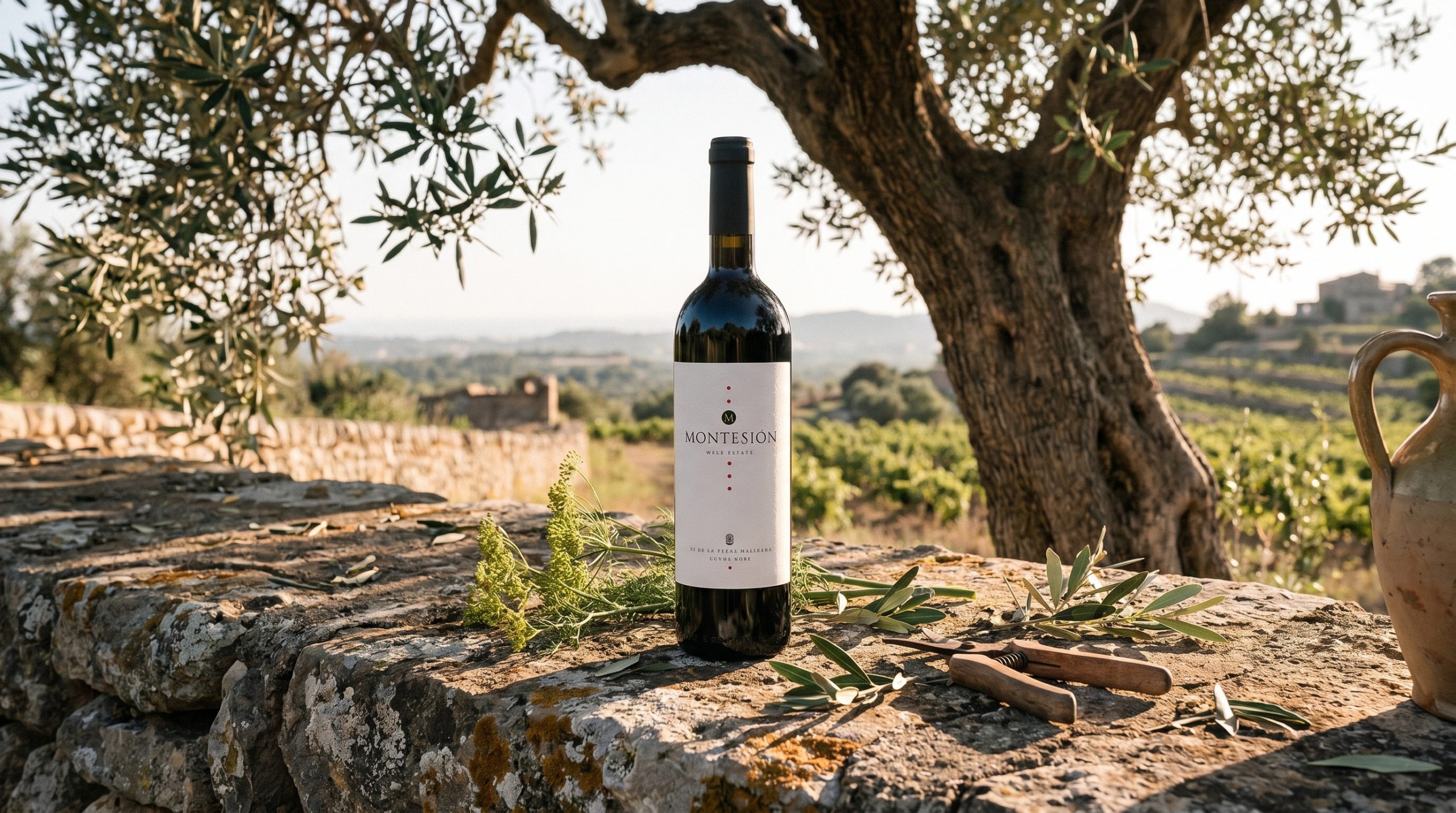
The Callet grape perfectly exemplifies this evolutionary advantage, demonstrating remarkable hardiness during the hottest summer months. When paired with biodynamic farming techniques, this indigenous variety produces yields of extraordinary concentration, complexity, and aromatic depth. The deep connection between the vine and its native terroir becomes unmistakably clear in the glass. Aficionados seeking this pure expression of the island’s heritage often gravitate toward the Montesión Callet Limited Edition 2007, which beautifully captures the rich, full-bodied elegance and earthy undertones characteristic of the region. Furthermore, engaging in educational wine activities in mallorca allows visitors to witness this profound ecological resilience firsthand.
Embracing these native varieties requires a profound commitment to traditional viticultural wisdom and patient observation.
- Agronomists first identify the hardiest historical vine clones surviving in abandoned or ancient vineyard plots.
- Vineyard managers then propagate these specific cuttings onto specially selected, drought-tolerant rootstocks.
- Cultivators train the growing vines using traditional goblet pruning methods to shade the fruit naturally.
- Winemakers adapt their cellar practices to highlight the subtle, earthy nuances unique to these indigenous grapes.
Securing the Future of Premium Balearic Islands Wine
The intersection of rising temperatures and shifting weather patterns demands a fundamental reimagining of agricultural practices across the Mediterranean basin. Biodynamic principles offer a proven, scientifically sound methodology for restoring ecological balance and fortifying vineyards against environmental extremes. First, prioritizing soil health exponentially increases natural water retention, virtually eliminating the need for unsustainable irrigation practices. Second, fostering rich biodiversity above and below ground creates a self-regulating ecosystem that naturally resists pests and diseases. Third, championing native grape varieties ensures the vineyard remains genetically adapted to thrive in its specific, arid microclimate.
Ultimately, producing the best wine in mallorca requires an unwavering commitment to working in harmony with nature rather than attempting to dominate it. At Montesion Wine Estate, embracing these rigorous Demeter-certified standards does more than simply protect the harvest; it actively regenerates the island’s precious agricultural landscapes. This holistic philosophy guarantees that future generations will continue to experience the profound, authentic flavors of this unique Mediterranean terroir.
Frequently Asked Questions
What makes biodynamic wine different from standard organic wine Spain produces?
Biodynamic farming treats the entire vineyard as a closed-loop, self-sustaining ecosystem rather than just substituting chemical sprays with organic ones. Practitioners utilize specific herbal and mineral preparations to actively enhance soil vitality, align planting schedules with natural rhythms, and integrate biodiversity into the agricultural environment. Consequently, this holistic approach builds deeper ecological resilience and produces a harvest that more accurately reflects the precise terroir of the estate.
How do biodynamic practices improve water conservation in vineyards?
By dramatically increasing the percentage of organic matter and humus in the earth, biodynamic methods transform the soil into a highly efficient natural sponge. This biologically active soil architecture captures and stores scarce winter rainfall, preventing runoff and protecting the moisture from rapid summer evaporation. Therefore, vines can access deep subterranean water reserves during extended droughts without relying on environmentally taxing artificial irrigation systems.
Why are native grapes important for sustainable winemaking mallorca?
Indigenous varieties evolved specifically to survive and thrive within their native Mediterranean climates, developing natural defenses against local environmental stressors. These hardy vines typically feature physiological adaptations, such as thicker skins and specific canopy growth patterns, that protect the fruit from intense heat and solar radiation. Furthermore, cultivating these heritage grapes preserves vital agricultural biodiversity while demanding significantly fewer external inputs like water and protective treatments.
Can biodynamic agriculture actually reverse soil degradation?
Yes, implementing rigorous biodynamic protocols actively rehabilitates compacted soils previously impacted by conventional farming. The strategic application of compost preparations and diverse cover crops rapidly reintroduces essential microorganisms, fungi, and earthworms to the subterranean environment. As a result, this renewed biological activity breaks up hardpan layers, restores natural nutrient cycling, and permanently improves the structural integrity of the land.
