

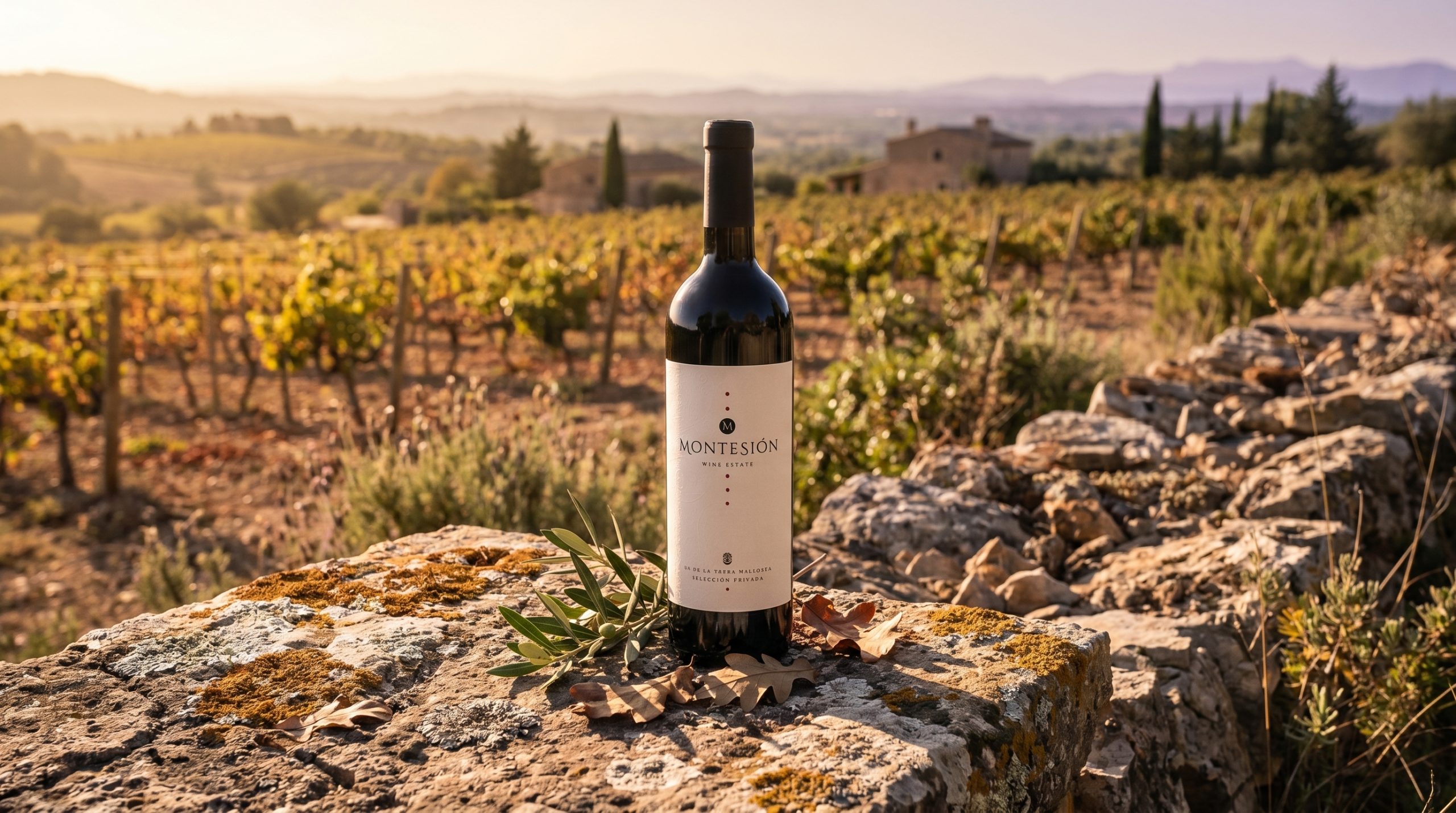
When tasting biodynamic wine, enthusiasts often notice a distinct vibrancy and purity that sets these bottles apart from conventionally farmed alternatives. This heightened sensory experience stems from farming practices that prioritize soil health and ecosystem balance without synthetic chemicals. Consequently, the resulting wines typically showcase brighter acidity, pronounced minerality, and a dynamic texture, a philosophy championed by Montesion Wine Estate.
The global appetite for sustainably produced beverages continues to surge, fundamentally changing how connoisseurs approach sensory analysis of wine. Statistics from the International Organization of Vine and Wine indicate that organic and biodynamic vineyard surface areas have more than doubled over the past decade. This shift represents much more than an environmental statement. Actually, it fundamentally alters the liquid in the glass. Many traditional tasting frameworks struggle to capture the energetic qualities found in bottles holding Demeter certification. Therefore, modern enthusiasts need a new vocabulary to describe these unique sensory markers. Understanding these nuances unlocks a deeper appreciation for indigenous varieties cultivated in harmony with lunar cycles and natural preparations. Specifically, recognizing the hallmarks of biodynamic farming transforms a standard tasting session into a profound connection with the terroir at Montesion Wine Estate.
Why Does Biodynamic Wine Taste Different?
The foundation of any biodynamic wine lies in the living soil of the vineyard. Conventional agriculture often strips the earth of its natural microbiology through synthetic fertilizers. Conversely, biodynamic farming treats the vineyard as a self-sustaining organism. This holistic approach relies on compost preparations and cover crops to foster immense microbial diversity. Consequently, vine roots dig deeper into the bedrock, extracting complex trace minerals that eventually influence the grape’s flavor profile.
These deep root systems produce fruit with significantly thicker skins and higher concentrations of aromatic compounds. Market data from recent viticulture studies demonstrates that biodynamic soils contain up to 70% more microbial biomass than conventionally farmed plots. Therefore, the resulting wines naturally exhibit a more intense reflection of their geographical origin. This phenomenon explains why a Mallorca wine produced under these strict conditions tastes unequivocally tied to its Mediterranean island home.
Furthermore, the absence of systemic pesticides forces the vines to develop their own defense mechanisms. This struggle builds character in the fruit, translating directly into the glass. Enthusiasts often note that these bottles possess a compelling tension and structural integrity. To understand these differences clearly, comparing conventional and biodynamic markers provides valuable insight during a tasting session.
| Sensory Marker | Conventional Viticulture | Biodynamic Viticulture |
|---|---|---|
| Fruit Expression | Often uniform, fruit-forward | Layered, evolving, sometimes restrained |
| Acidity | Corrected, precise, predictable | Vibrant, electric, mouth-watering |
| Texture | Polished, smooth, heavily filtered | Textural, slightly grippy, dynamic |
| Finish | Clean, sometimes abrupt | Lingering, saline, earthy |
How to Identify Vibrancy and Minerality on the Palate?
Recognizing the biodynamic wine characteristics requires a slight adjustment to standard tasting protocols. Initially, tasters should focus less on identifying specific fruit flavors and more on the overall energy of the liquid. Vibrancy manifests as a lively, almost electric sensation that dances across the tongue. This quality often stems from the naturally retained acidity that survives the native yeast fermentation process. Indeed, this bright acidity serves as the structural backbone for indigenous varieties cultivated without chemical intervention.
Minerality represents another crucial pillar in the sensory analysis of these wines. Unlike the simple fruit notes found in mass-produced bottles, minerality presents as a savory, crushed-stone, or saline quality. Sometimes, it evokes the scent of wet earth after a summer rain. Because biodynamic vines interact deeply with the subsoil, they absorb these mineral elements directly. Consequently, the finish of the wine often leaves a distinctly earthy or salty impression rather than a strictly fruity one.
To truly capture these subtle notes, temperature and aeration play vital roles. Serving the wine slightly cooler than room temperature helps preserve its delicate aromatic tension. Furthermore, allowing the liquid to breathe in the glass reveals its evolving nature.
- Swirl the glass gently to awaken the volatile aromatic compounds without bruising the wine.
- Notice the initial aromas, which might lean toward savory herbs or damp earth before the fruit emerges.
- Pay attention to the texture on the mid-palate, looking for a slightly grainy or tactile sensation.
- Evaluate the finish for a lingering, mouth-watering salinity that invites another sip.
Does the ‘Living’ Texture Change How We Experience Indigenous Varieties?
The concept of a ‘living’ texture often confuses novice tasters, yet it remains a defining hallmark of natural wine and biodynamic production. This texture arises because the wine undergoes minimal intervention in the cellar. Winemakers avoid heavy filtration and fining agents, leaving microscopic particles and proteins suspended in the liquid. As a result, the wine coats the palate differently, offering a tactile, almost chewy sensation that evolves with every sip.
This dynamic mouthfeel beautifully amplifies the inherent traits of indigenous grape varieties. Grapes adapted to their specific microclimates express their true genetic potential when farmed without chemical interference. For example, the Montesión Callet Limited Edition 2007 showcases how this philosophy elevates a native grape. The rich, full-bodied profile reveals earthy undertones and moderate tannins that feel integrated and authentic rather than manipulated. Consequently, the taster experiences the exact climatic conditions and soil composition of that specific vintage.
Additionally, this living quality means the wine continues to develop long after the cork is pulled. Oxygen interacts with the unfiltered liquid, coaxing out hidden layers of complexity over several hours. Many find that a bottle tastes dramatically different on the second day. Therefore, patience becomes a crucial tool in the tasting process. Allowing the wine to unfold naturally reveals the profound depth that organic wine Spain producers strive to achieve.
Mastering the Art of Mindful Tasting
Developing the palate to identify the distinct markers of biodynamic viticulture transforms the entire wine-drinking experience. By shifting the focus from simple fruit flavors to the structural elements of acidity, minerality, and texture, enthusiasts can fully appreciate the complexity of these bottles. The vibrant energy and dynamic mouthfeel serve as direct reflections of a healthy, thriving vineyard ecosystem. Furthermore, embracing subtle vintage variations ensures every bottle offers a unique narrative of its origin.
Ultimately, this sensory journey highlights the profound connection between sustainable farming and exceptional quality. The meticulous care required to maintain a balanced, chemical-free vineyard translates unequivocally into the glass. When tasting a vino biodinámico, the drinker partakes in a centuries-old tradition of respecting the land and its natural rhythms. This mindful approach to consumption not only supports environmental stewardship but also rewards the palate with unparalleled purity and depth.
Frequently Asked Questions
How does biodynamic wine differ from organic wine in terms of taste?
While both methods avoid synthetic chemicals in the vineyard, biodynamic farming incorporates specific homeopathic preparations and aligns with lunar cycles, which often translates to a more pronounced energetic quality on the palate. Tasters frequently report that biodynamic bottles exhibit a higher degree of aromatic tension and a more complex, savory minerality compared to standard organic options. Furthermore, the stricter cellar regulations for Demeter certification ensure minimal intervention, preserving the wine’s raw, living texture.
Can you taste the difference between native yeast and commercial yeast fermentations?
Yes, the fermentation agent significantly impacts the final sensory profile of the wine. Commercial yeasts are often selected to produce specific, predictable fruit aromas, which can sometimes mask the true character of the vineyard. Conversely, native yeasts naturally present on the grape skins create a spontaneous fermentation that yields a broader spectrum of complex, earthy, and sometimes unexpected flavor compounds. This natural process contributes heavily to the layered, evolving nature of authentic biodynamic bottles.
Why do some biodynamic wines appear cloudy or have sediment?
Cloudiness and sediment are natural byproducts of the minimal intervention philosophy practiced in biodynamic cellars. Winemakers frequently choose to bottle their wines without aggressive fining or sterile filtration to preserve the delicate aromatic compounds and textural richness. These suspended particles protect the wine from oxidation and contribute to the dynamic mouthfeel that enthusiasts prize. Therefore, a slight haze indicates a living product that retains its full structural integrity.
