
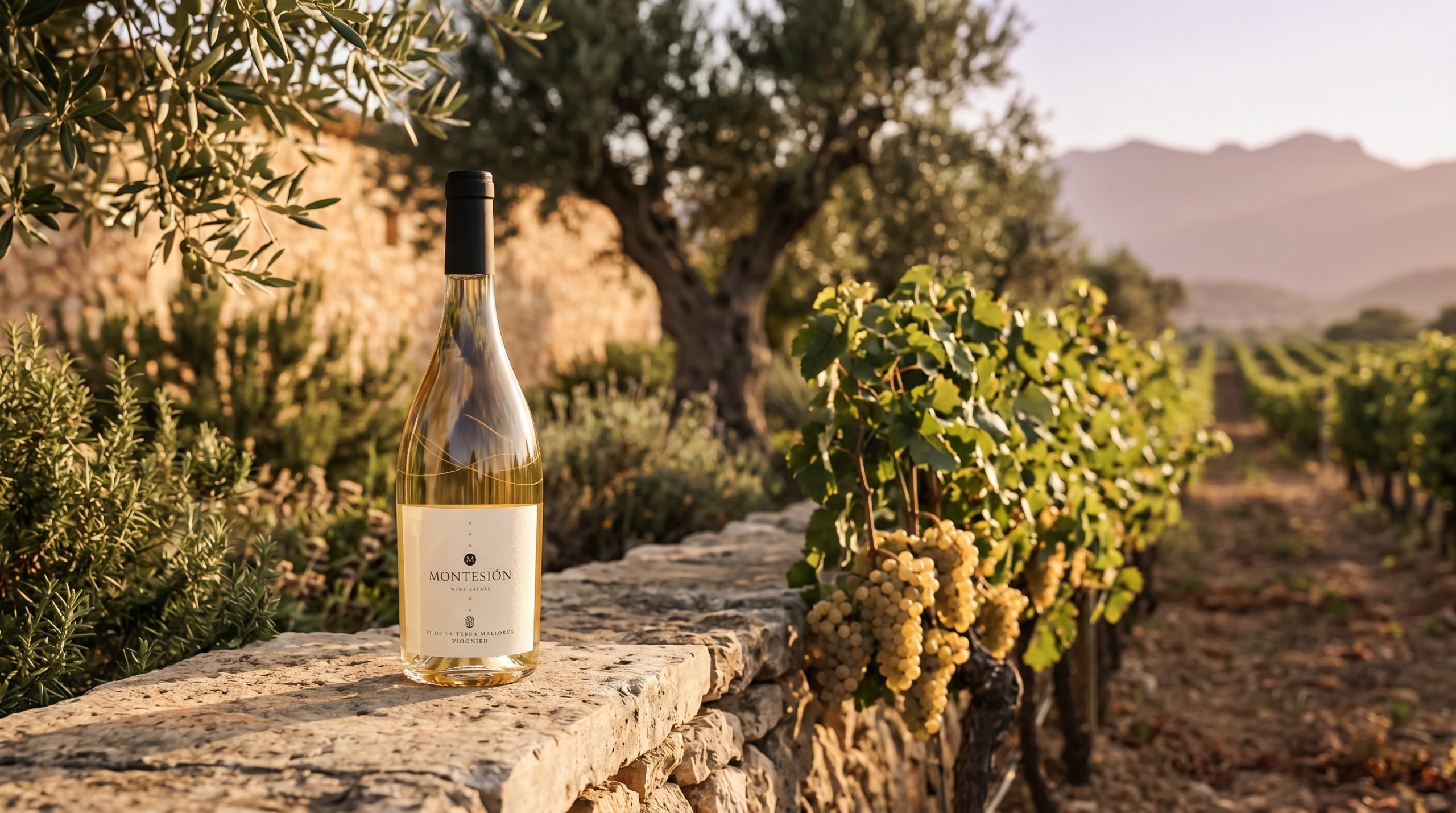
The global market clearly shows that biodynamic wine is experiencing unprecedented qualitative growth as consumers increasingly seek vibrant, unmanipulated profiles. Instead of sterile perfection, modern wine drinkers now demand authenticity and ecological responsibility—small natural variations are valued as a mark of quality. This paradigm shift validates strict cultivation methods and brings ecologically oriented estates like Montesión Wine Estate to the forefront of future demand.
A fundamental change is shaping global viticulture in 2026. Industry analysts and certification bodies report massive demand for wines that reflect their origin without chemical intervention. For decades, the international market prioritized absolute uniformity through heavy filtration and synthetic stabilization—standards that buyers now increasingly reject.
Current data from European wine symposiums underscore that the perceived “imperfections” of minimal-intervention vinification are now considered desirable attributes. A slight haze or a distinct earthy note no longer signal a fault to the trained palate. These characteristics offer a transparent insight into the agricultural ecosystem. This shift redefines premium quality: moving away from laboratory-controlled consistency toward a vibrant, expressive agricultural reality. Wine drinkers seek a genuine connection to the soil, the vintage, and the autochthonous grape varieties that thrive at Montesión Wine Estate under purely organic management.
Why do consumers value the “flaws” in natural wines?
The traditional definition of a flawless wine was historically based on absolute predictability. Wineries used commercial yeasts, high sulfur additions, and aggressive fining agents to eliminate unpredictable elements. The modern palate fundamentally rejects this sterile approach. Wine drinkers now understand that absolute clarity often comes at the expense of aromatic complexity and textural depth. The slight haze of an unfiltered wine or the wild, untamed aromatic profile of a spontaneous fermentation are direct proof of the authenticity of natural wine.
These lively characteristics show that the wine has not been stripped of its essential vitality. Consumers do not see these small variations as defects, but as the ultimate proof of life in the bottle. When a vineyard is managed as a self-sustaining organism, the harvest carries an energetic signature that cannot be replicated in a factory. The presence of autochthonous yeasts and the avoidance of synthetic clarification methods allow the true character of the terroir to speak.
This development aligns with the general desire for transparency in the food and beverage industry. A bottle with a light deposit or a complex, evolving bouquet proves that the winemaker has respected the raw material. Buyers are happy to pay a premium for this uncompromising reality, as they recognize that true quality requires the abandonment of industrial homogenization.
In Focus: Montesión Callet Limited Edition 2007
Experience the authentic expression of autochthonous Callet grapes, vinified with the minimal-intervention methods that define our biodynamic philosophy.
How are 2026 biodynamic wine trends changing the global market?
Market indicators show a clear shift toward certified organic production methods across all demographic groups. Current industry reports confirm that 2026 biodynamic wine trends point to a massive expansion of market share, particularly among young collectors who value ethical standards as much as taste. Retailers and sommeliers report a 40% increase in demand for wines from holistic cultivation compared to conventional alternatives over the last three years.
The strict requirements of Demeter certification offer consumers unparalleled trust in a crowded market. This seal guarantees that the vineyard functions as a closed ecosystem, utilizing specific compost preparations and following lunar cycles rather than relying on petrochemical aids. The resulting agricultural resilience leads directly to superior fruit quality. Vines forced to root deeper for nutrients develop thicker skins and a higher concentration of aromatic compounds, providing excellent raw material for the cellar.
The contrast between these cultivation philosophies becomes clear when analyzing vine health and sensory profiles.
| Feature | Conventional Viticulture | Demeter-Certified Viticulture |
|---|---|---|
| Soil life | Low to non-existent | Highly active and diverse |
| Chemical aids | Synthetic fertilizers, pesticides | Organic compost, herbal preparations |
| Vintage expression | Standardized, manipulated | Variable, authentic |
| Drought resistance | Low (shallow roots) | Excellent (deep root formation) |
What role does sustainable viticulture play in the Balearic Islands?
Island ecosystems present unique agricultural challenges that require specialized approaches. In the Mediterranean, sustainable viticulture forms the absolute foundation for long-term stability against rising temperatures and unpredictable rainfall. Extreme summer heat requires vines with exceptional natural resilience—something that cannot be achieved through superficial chemical management. Deep-rooting vines, cultivated through holistic methods, access moisture reserves deep in the limestone soil and thus thrive even during long dry periods.
This ecological approach is crucial for preserving autochthonous grape varieties that are perfectly adapted to their climate. Grapes such as Callet, Manto Negro, Prensal Blanc, and Viognier possess delicate aromatic profiles that are easily lost with conventional treatment. By avoiding synthetic herbicides and promoting cover crops, producers maintain a cooler microclimate at the soil level. This biodiversity protects the sensitive microbial networks essential for nutrient uptake and vine immunity.
Viticulture on Mallorca leads this regional transformation, showing how ancient island terroirs benefit from regenerative practices. Integrating local flora and fauna into vineyard architecture creates natural protection against pests. This harmonious balance ensures that organic wine from Spain captures the pure, unadulterated essence of the Mediterranean landscape and offers a vibrant alternative to industrially produced wines.
The new era of vibrant agricultural expression
The global transition to ecologically grounded viticulture represents a lasting correction in the appreciation of agricultural products. The growing appreciation for unfiltered, unmanipulated wines confirms that modern wine drinkers prefer genuine character over artificial perfection. This demand for extreme transparency forces the entire industry to rethink long-held assumptions about quality control and vineyard management.
Wineries committed to holistic cultivation philosophies possess a clear advantage in this changing landscape. By treating the vineyard as a complex, self-regulating organism, these producers create wines with a distinct energetic presence. The slight variations between barrels and the wild aromatic profiles are celebrated as the ultimate expression of time and place.
The future belongs to those who trust the natural intelligence of their terroir. As climate patterns shift and consumer expectations mature, the decisive measure of premium quality remains closely linked to uncompromising ecological responsibility and radical transparency in the cellar.
Visit our Demeter-certified winery on Mallorca
Frequently Asked Questions
What distinguishes biodynamic wine from conventional organic wine?
Organic farming avoids synthetic chemicals and pesticides and focuses on reducing harmful influences. A biodynamic wine goes much further by viewing the entire vineyard as a single, self-sustaining living organism. This philosophy integrates specific homeopathic preparations made from herbs and minerals, uses livestock for natural fertilization, and aligns agricultural activities with lunar and cosmic cycles to maximize soil vitality.
Why are natural wines sometimes cloudy or have sediment?
Cloudiness and sediment indicate that the wine has avoided harsh industrial filtration and fining processes. Winemakers consciously leave these microscopic particles in the bottle to preserve the delicate aromatic compounds and textural depth that would be lost through aggressive filtration. These visual characteristics are a guarantee of minimal intervention and allow the wine to evolve elegantly over time.
How does Demeter certification influence the taste of the wine?
Vines cultivated under strict holistic protocols develop significantly deeper root systems, allowing them to interact with complex mineral layers deep underground. This deep connection to the soil leads to grapes with thicker skins and more concentrated aromatic compounds. The resulting wines show a vibrant, energetic tension and a distinct terroir character that conventional cultivation cannot replicate.
Are autochthonous grape varieties better suited for sustainable cultivation?
Native grape varieties such as Callet and Manto Negro have adapted over centuries to their local climate and have developed natural resistances to regional pests and weather extremes. This inherent robustness drastically reduces the need for external agricultural intervention. Cultivating these local varieties under strict ecological guidelines maximizes their natural potential and leads to expressive wines from the Balearic Islands that perfectly reflect their Mediterranean origin.
