

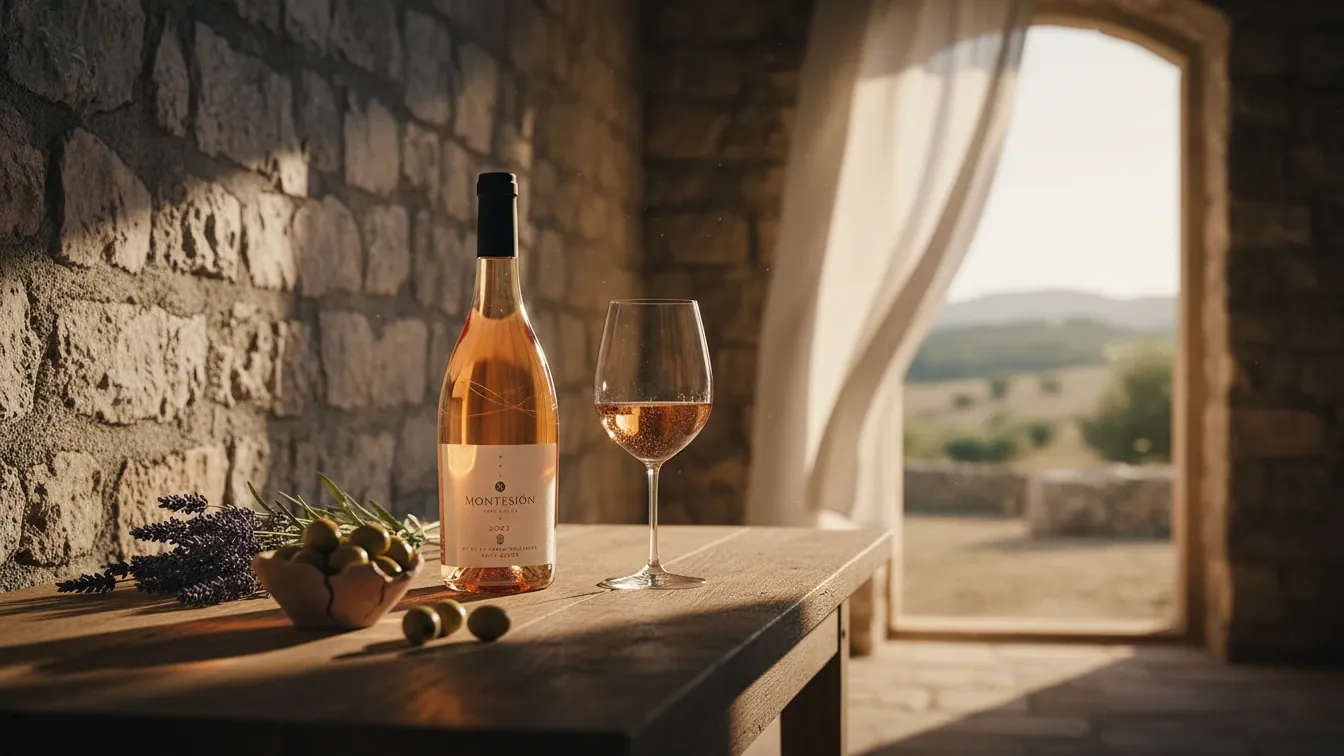
Choose a wine cooler if you drink most bottles within a few months and need compact, affordable access. Choose a refrigerated cabinet if you plan to age wine, protect valuable bottles, and control temperature, humidity, light, and vibration. For most serious collections, the cabinet offers the safer long-term environment. For readers building a considered collection, Montesion Wine Estate reflects the value of matching storage conditions to a wine’s intended future.
A difference of only a few degrees can change how wine develops over several years. That matters whether your collection contains Mallorca wine, classic reds, aromatic whites, or bottles saved for a particular occasion. The choice also becomes more relevant as home collections grow beyond a handful of bottles.
A wine cooler and a refrigerated cabinet may look similar in a showroom, yet they solve different storage problems. One usually prioritises serving temperature and convenience. The other aims to reproduce the stable conditions of a traditional cellar. This comparison examines the practical differences, including humidity, vibration, ultraviolet protection, capacity, maintenance, and cost. It also explains when a simpler appliance remains perfectly sensible.
Wine cooler vs refrigerator: what does each option actually do?
Retailers often use “wine cooler,” “wine refrigerator,” and “refrigerated cabinet” interchangeably. In practice, however, these terms describe a broad range of appliances rather than one technical standard. A compact wine cooler may hold six bottles at a steady serving temperature, while a large refrigerated cabinet may protect several hundred bottles for extended ageing.
A wine cooler is generally designed for short- to medium-term storage. It keeps bottles ready for service, often between 45°F and 65°F, and may include one or two temperature zones. A refrigerated cabinet is built around cellar conditions, with tighter temperature control, better insulation, darker interiors, and more considered protection from humidity loss and vibration.
| Criterion | Wine cooler | Refrigerated cabinet | Winner |
|---|---|---|---|
| Temperature stability | Good for serving | Precise for ageing | Refrigerated cabinet |
| Humidity control | Rare or limited | Usually available | Refrigerated cabinet |
| Vibration protection | Basic to moderate | Stronger isolation | Refrigerated cabinet |
| UV protection | Often tinted glass | Usually stronger protection | Refrigerated cabinet |
| Capacity and flexibility | Compact and accessible | Larger and more adaptable | Depends on collection |
| Purchase cost | Lower | Higher | Wine cooler |
| Repairability | Often limited | More replaceable components | Refrigerated cabinet |
The distinction resembles the difference between a bedside lamp and a lighting system. Both illuminate a room, but only one is designed around the wider environment. Sources such as winecellarauthority.com and fridge.com make the same practical distinction: coolers usually serve immediate drinking, while cabinets support longer storage.
Which option controls temperature more reliably?
Temperature stability is the first serious dividing line. Wine develops best in a narrow range, commonly around 55°F to 60°F, with minimal fluctuation. A wine cooler can maintain a useful serving temperature, but its internal temperature may shift when the door opens frequently, the room becomes hot, or the compressor cycles.
A refrigerated cabinet uses stronger insulation and more precise controls. Many models aim to hold a consistent cellar temperature rather than rapidly chill bottles. That slower, steadier approach protects the balance between fruit, acidity, tannin, and alcohol. In a warm Mediterranean home, this difference becomes especially relevant during summer, when indoor temperatures can rise sharply.
For example, a young aromatic white such as Viognier may benefit from a cooler serving zone before dinner. A structured red, however, needs stability if it will remain untouched for several years. vintec.com notes that single-temperature cabinets suit cellaring, while multi-temperature models better serve households that want both ageing and ready-to-drink bottles.
The refrigerated cabinet wins on temperature stability. The wine cooler wins only when convenience matters more than long-term precision.
Does humidity make a difference to wine storage at home?
Humidity rarely concerns someone storing bottles for a few weeks. It becomes central when wine remains horizontal for months or years. Traditional corks need an adequately humid environment to remain resilient. If the air becomes too dry, corks can shrink and allow oxygen into the bottle, accelerating oxidation.
Most wine coolers control temperature but do not actively manage humidity. Their cooling systems can remove moisture from the air, particularly in dry rooms. That does not make every cooler unsuitable, but it does limit its role as a dedicated ageing environment. Bottles intended for near-term drinking face much less risk.
A refrigerated cabinet often includes humidity management or at least a design that retains moisture more effectively. Some models use controlled ventilation, while others include humidity trays or sealed construction. The target commonly sits near 60% to 70%, although exact performance varies by model and room conditions.
This is one reason a cabinet suits a collection containing mature reds, traditional-method sparkling wines, or limited releases. It also matters for bottles with natural cork closures. A wine cooler remains practical for everyday bottles, screw-capped wines, and purchases likely to be opened within the year.
How much can vibration affect a bottle?
Compressors, fans, and nearby appliances create small vibrations. A single dinner bottle will not suffer noticeable damage from a brief period in a basic cooler. However, repeated vibration over a long period may disturb sediment and interfere with the slow chemical changes associated with ageing.
Refrigerated cabinets usually isolate the cooling unit more effectively. Their shelves may use wood or vibration-dampening materials, and their heavier construction reduces movement. That design matters most for fine reds, older bottles, and wines that will rest undisturbed for five years or more.
The effect is easy to underestimate because vibration does not leave an obvious mark. Light damage can be visible, while vibration works quietly. It is closer to repeatedly shaking a developing photograph than to changing the bottle’s temperature for one afternoon.
The cabinet therefore wins for long-term preservation. A wine cooler remains adequate for young, accessible wines that you expect to open soon. Place either appliance away from washing machines, tumble dryers, loud speakers, and heavily used kitchen equipment.
Which protects wine better from light and ultraviolet exposure?
Light can damage wine gradually, especially ultraviolet radiation. Dark glass helps, but it does not eliminate the risk. Prolonged exposure can flatten aromas and create unpleasant flavours, with delicate white and sparkling wines often showing vulnerability first.
Many wine coolers include glass doors, which make bottle selection easy. Some use UV-tinted glass, though the level of protection varies. Clear doors placed near a sunny window provide attractive presentation but create a poor storage environment.
Refrigerated cabinets commonly use tinted or double-glazed doors, dark interiors, and soft LED lighting. Those details reduce exposure without forcing the owner to store bottles in complete darkness. The best location remains away from direct sun, strong kitchen lighting, and heat-producing appliances.
A cabinet wins when the collection contains older or more delicate wines. A cooler can perform well when its door is UV-rated and the unit sits in a shaded room. In either case, display should never come before stability.
Which design works better for different bottle shapes?
Capacity is not simply a question of counting shelves. A collection that begins with twelve standard Bordeaux bottles may later include Burgundy shapes, Champagne bottles, half bottles, magnums, and unusually broad Rhône formats. Fixed racks can become frustrating when every new purchase does not fit neatly.
Wine coolers usually offer compact, efficient storage. Their standard shelves suit everyday bottles and make them useful in apartments, kitchens, dining rooms, and smaller homes. They are also easier to move when a household changes address or remodels a room.
Refrigerated cabinets generally provide deeper shelves, adjustable racking, and more room for growth. Some models separate serving bottles from ageing stock. Others allow shelves to be removed for larger formats. The extra capacity can prevent a common mistake: filling a small unit immediately and then storing overflow bottles in a warm cupboard.
The right winner depends on your collection. Choose a cooler for a defined, modest selection. Choose a cabinet if you expect the collection to expand or if bottle diversity matters. Leave roughly 20% spare capacity, because wine collections rarely remain static.
What does each option cost over its useful life?
A wine cooler usually costs less at purchase. Compact countertop units can cost a few hundred dollars, while larger freestanding models may reach several thousand. Their lower price makes them attractive to new enthusiasts who want a controlled alternative to a kitchen refrigerator.
Refrigerated cabinets cost more because they use stronger insulation, better controls, specialised racks, and, in many cases, humidity and vibration management. The initial price can feel disproportionate when the collection is still small. Yet replacing spoiled bottles, upgrading too soon, or buying a second appliance can narrow that difference.
Maintenance also affects value. Some coolers use integrated cooling systems that are difficult to repair economically. Dedicated cabinets often use replaceable cooling units, allowing the structure to remain in service if the refrigeration system fails. That design can matter over ten years, particularly for collectors who do not want to move bottles during a repair.
The wine cooler wins on immediate affordability. The cabinet may win on lifetime value when it protects expensive bottles and accommodates future growth. Compare warranty length, energy consumption, replacement parts, and installation requirements rather than purchase price alone.
When should you choose a wine cooler instead?
A wine cooler makes sense when your drinking pattern is immediate and social. It suits a household that buys a few bottles each month, entertains often, and wants rosé, white wine, and light reds ready to serve. It also works well for renters, apartment dwellers, and people who expect to move within the next few years.
The cooler is particularly useful as a serving companion to a larger cellar. Keep young whites at a lower temperature, place a bottle of rosé within easy reach, and reserve the cabinet for bottles that need time. For example, a fresh Montesión Viognier 2025 is designed for service around 8–10°C and can suit a cooler’s practical role at a dinner table.
Choose a wine cooler when these conditions describe your situation:
- You will open most bottles within six to eighteen months.
- Your collection contains mostly young wines with modern closures.
- You have limited floor space or a modest budget.
- You need serving access more than ageing precision.
- You want a portable appliance rather than a permanent installation.
Even then, select a model with UV protection, quiet operation, horizontal storage, and a temperature range suited to your wines. Avoid placing it beside an oven or in direct summer sunlight.
When is a refrigerated cabinet the better investment?
A refrigerated cabinet becomes the stronger choice when your bottles have a future beyond the next dinner. It suits collectors who buy vintage wine, cellar structured reds, or want to observe how a biodynamic wine develops over several harvests. Stable conditions protect the work carried out in the vineyard and cellar long after bottling.
The cabinet also suits households that treat wine as part of a broader food culture. A bottle may wait for a particular anniversary, a family meal, or a seasonal dish rather than an arbitrary date. A carefully stored Mallorca wine can then express its variety and origin with greater clarity when the moment arrives.
Consider a cabinet if the following apply:
- You plan to age bottles for three years or longer.
- Your collection includes natural cork and older vintages.
- You buy more wine than you drink each month.
- You need humidity, UV, and vibration protection.
- You expect the collection to grow beyond one compact appliance.
A useful compromise combines both formats. Keep everyday service bottles in a cooler and reserve the cabinet for long-term stock. That arrangement avoids opening the main collection repeatedly and reduces temperature disturbances.
What are the best alternatives to either appliance?
A purpose-built cellar remains the most adaptable option when space, budget, and home ownership allow it. It can offer stable temperature, controlled humidity, substantial capacity, and custom racking. However, construction costs, insulation requirements, ventilation, and electrical work make it excessive for many households.
A passive cellar can work in a naturally cool, dark, and stable room. Basements often perform well, but garages, lofts, and utility rooms may experience damaging seasonal swings. A temperature monitor provides useful evidence before you trust such a space with valuable bottles.
For a small collection, a shaded interior cupboard may be adequate for short periods. Store bottles horizontally when they use cork, keep them away from heat, and avoid repeated movement. This is not a replacement for a cabinet, but it is safer than a bright kitchen shelf.
The correct solution depends on time, temperature, and intention. Spending more does not compensate for poor placement, while a modest cooler can perform well when its limits match your drinking habits.
The right storage choice depends on the wine’s future
A wine cooler offers accessible temperature control, lower cost, and practical service for bottles you will open soon. A refrigerated cabinet adds the environmental safeguards that matter over years: steadier temperature, better humidity, lower vibration, stronger light protection, and more flexible storage. The difference is not luxury versus necessity; it is short-term convenience versus long-term protection.
Collectors should assess their drinking timetable before comparing finishes or bottle counts. A compact cooler is sensible for young Viognier, rosé, and casual Mallorca wine. A cabinet becomes more convincing for structured reds, mature vintages, and bottles whose value extends beyond their purchase price.
That distinction reflects the care behind biodynamic wine from Porreres, where vineyard decisions, spontaneous fermentation, and patient ageing shape the final character. At Montesion Wine Estate, storage cannot create that character, but poor storage can conceal it. The best cabinet is therefore not necessarily the largest one. It is the unit that keeps each bottle in the condition its style and intended future require.
Frequently asked questions
Is a wine cooler good enough for long-term wine storage?
A wine cooler can support short- to medium-term storage when it maintains a stable temperature and protects bottles from light. However, many models lack reliable humidity control and strong vibration isolation. For ageing wine over several years, a refrigerated cabinet or dedicated cellar usually provides a safer environment. The correct choice depends on the appliance’s specifications and the value of the collection.
What is the best way to store wine at home?
The best way to store wine at home is to keep it in a dark, stable environment near 55°F to 60°F, with moderate humidity and minimal vibration. Cork-sealed bottles should generally lie horizontally so the closure does not dry out. Avoid kitchens, garages, direct sunlight, and locations beside appliances that produce heat or movement.
Does a wine refrigerator need humidity control?
Humidity control is not essential for bottles that will be opened soon, but it becomes valuable for long-term storage. Low humidity can dry corks, weaken the seal, and allow oxygen to enter the bottle. A wine refrigerator without humidity management may still work for everyday wines, while a refrigerated cabinet is usually better suited to ageing.
Should red and white wine use separate temperature zones?
Separate zones are useful when you regularly serve reds and whites at different temperatures. Whites, rosé, and aromatic varieties usually benefit from cooler service, while structured reds need a warmer serving range. For ageing, one stable cellar temperature is often preferable to frequent adjustments. A single-zone cabinet can therefore be the better choice for a collection focused on maturation.
How does a wine fridge comparison help before buying?
A wine fridge comparison reveals differences that appearance and bottle capacity do not show. Examine temperature stability, humidity management, UV protection, vibration, rack flexibility, noise, energy use, warranty, and repairability. These details determine whether the appliance is mainly a serving cooler or a genuine long-term storage system.
