
The conclusion of Wine Days Mallorca 2026 confirms a definitive industry shift toward indigenous grape varieties and regenerative farming. Winemakers across the island are actively abandoning imported vines in favor of resilient local grapes. Consequently, this year’s festival highlighted how organic viticulture offers the most viable path forward. Consumers now demand authentic bottles that survive Mediterranean climate challenges naturally, a philosophy championed by Montesion Wine Estate.
May brings more than just early summer heat to the Balearic Islands. Historically, the thirteenth edition of the island’s premier wine festival served as a reliable barometer for the broader Spanish market. However, the festival wrapped up this week with a completely different atmosphere. Attendees witnessed a fundamental transformation in how local estates approach their terroir. Mediterranean vineyards face increasingly erratic rainfall and prolonged heatwaves. Therefore, agricultural adaptation is no longer an optional experiment. Vintners must evolve quickly to survive. Specifically, the spotlight has shifted away from international grapes toward ancestral roots. Visitors tasted the tangible results of sustainable viticulture Mallorca champions today. The industry clearly recognizes that true quality requires a deep partnership with nature. Furthermore, this gathering proved that ecological responsibility directly translates to superior taste.
Why Are Indigenous Grape Varieties Dominating Mallorca Wine Events?
For decades, many estates prioritized famous French grapes to attract international buyers. Yet, recent Mallorca wine events demonstrate a rapid reversal of this trend. Sommeliers and collectors now actively seek out indigenous grape varieties. These ancestral vines evolved over centuries to thrive in the island’s unique limestone soils. As a result, they require significantly less water and chemical intervention.
This biological advantage becomes crucial during the scorching summer months. Heat stress typically destroys the delicate acidity of imported vines. Conversely, local grapes maintain their structural integrity and aromatic complexity. For instance, Callet produces elegant reds with bright fruit profiles even in severe drought conditions. Similarly, Prensal Blanc yields crisp, floral white wines that resist oxidation beautifully. Winemakers who trust these native species consistently produce superior, balanced vintages.
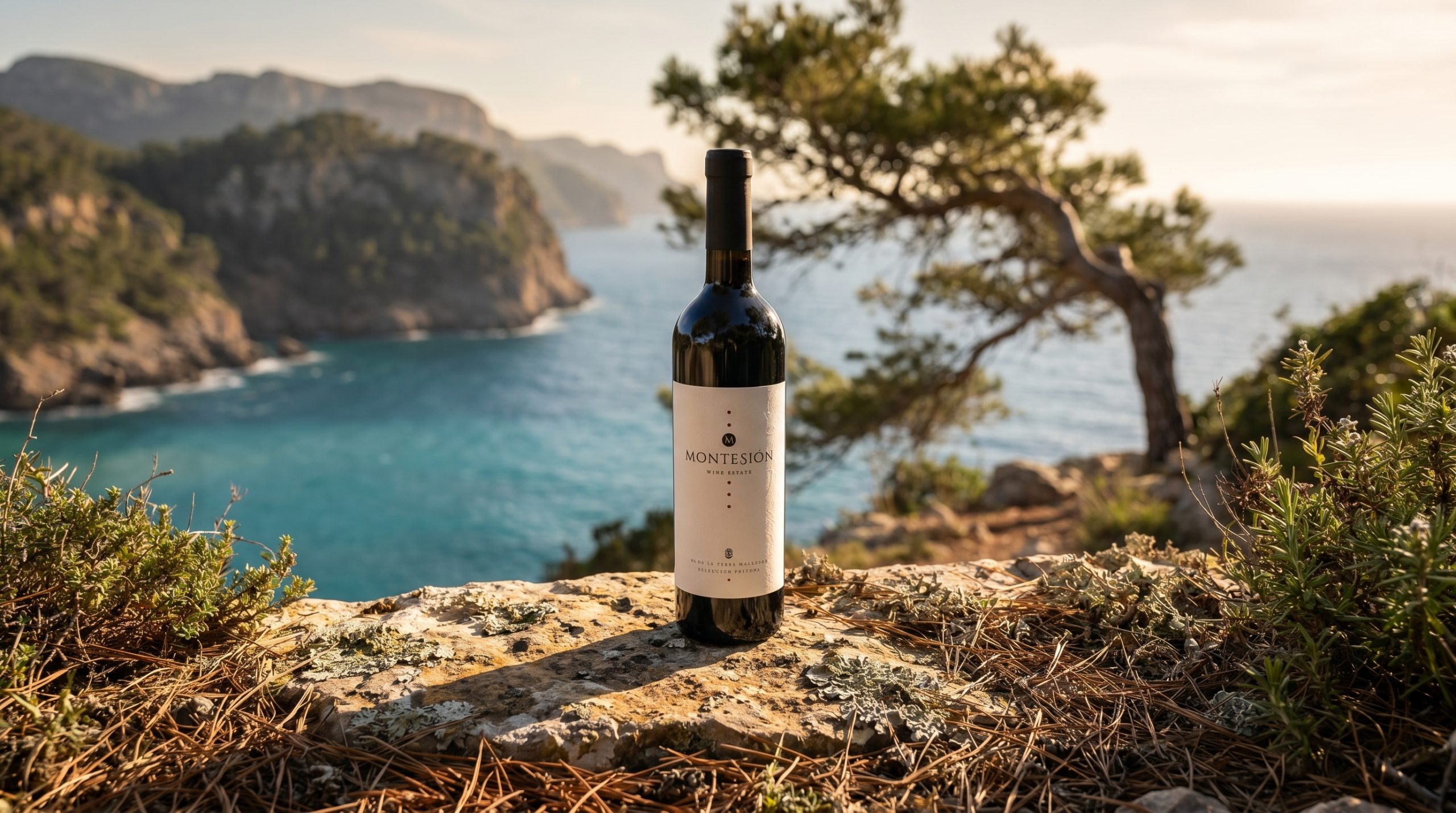
Consider the experience of pouring a mature local vintage. The glass reveals the exact character of the soil and the season. A perfect example is the Montesión Callet Limited Edition 2007, which showcases how this specific grape develops profound earthy undertones and rich red fruit notes over time. Decanting such a bottle transports the drinker directly to a sun-baked Mediterranean vineyard. Furthermore, these wines pair flawlessly with the regional cuisine. The natural synergy between local food and native wine creates an unforgettable gastronomic experience. Ultimately, nature rewards farmers who respect the historical ecology of their land.
How Is Sustainable Viticulture Reshaping the Balearic Islands Wine Scene?
The transition toward ecological farming dominates current conversations across the Balearic Islands wine sector. Chemical fertilizers and synthetic pesticides once promised easy solutions for vineyard management. However, these harsh treatments ultimately degrade soil health and strip the terroir of its unique voice. Today, the most respected estates, such as Montesion Wine Estate, embrace regenerative agriculture wholeheartedly.
Spanish agricultural authorities report a massive surge in ecological certification applications. In fact, organic wine Spain produces now ranks among the most sought-after categories globally. Buyers recognize that healthy soil yields superior fruit. Furthermore, this farming philosophy protects the island’s fragile groundwater reserves from toxic runoff. Environmental stewardship and premium winemaking now go hand in hand.
The leap from organic to biodynamic farming represents the highest commitment to terroir. Estates pursuing Demeter certification must follow strict astronomical calendars and apply specialized natural preparations. Consequently, the vineyard functions as a closed-loop living organism. Market figures from recent trade shows highlight this growing niche. Biodynamic wine sales have increased by forty-five percent since 2021. Consumers willingly pay a premium for bottles produced with such extreme care. Retailers consistently report that these specialized bottles sell out months before the next harvest arrives. The table below illustrates the stark differences in vineyard resilience between conventional and biodynamic management during recent heatwaves.
| Vineyard Management Style | Average Water Usage | Soil Organic Matter | Heatwave Yield Loss |
|---|---|---|---|
| Conventional Farming | High | < 1.5% | 25% |
| Certified Organic | Medium | 2.5% | 15% |
| Demeter Biodynamic | Low | > 4.0% | 5% |
This data proves that rigorous ecological standards provide tangible agricultural benefits. Farms with higher soil organic matter retain moisture exponentially better. Therefore, biodynamic practices offer the ultimate insurance policy against climate volatility.
What Does Wine Days Mallorca 2026 Reveal About the Future?
The atmosphere at this year’s festival signaled a permanent departure from industrial winemaking. Attendees showed little interest in heavily manipulated, predictable bottles. Instead, the longest lines formed at tables pouring minimal-intervention natural wine. These raw, expressive vintages capture the imagination of a younger, highly educated consumer base. Buyers now prioritize environmental ethics just as highly as flavor profiles.
This demographic shift forces traditional producers to reevaluate their cellar practices entirely. Heavy oak aging and aggressive filtration are rapidly falling out of favor across the region. Modern Mallorca wine enthusiasts prefer transparency and vibrant energy in their glass. They want to taste the specific vintage, complete with its unique quirks and weather patterns. Consequently, winemakers are stepping back and allowing the grapes to guide the fermentation process. Native yeasts replace commercial packets, adding distinct local character to every barrel.
Furthermore, the 2026 event highlighted the commercial viability of this philosophy. Distributors actively sought out small-batch producers dedicated to ancestral farming. The international market clearly craves authenticity over uniformity. Estates that maintain their strict commitment to ecological harmony will dominate the export market for the next decade. Indeed, the financial success of these minimal-intervention estates proves that ethical farming is highly profitable. Retailers happily allocate premium shelf space to brands that demonstrate genuine environmental stewardship.
The New Era of Balearic Terroir
The 2026 festival clearly established that the regional wine industry has matured beyond imitating foreign styles. Local producers now confidently champion their own agricultural heritage. Specifically, the overwhelming success of native grapes proves that climate adaptation and premium quality are mutually inclusive.
Three major takeaways emerged from this week’s comprehensive tastings. First, ancestral varieties provide the only sustainable defense against rising global temperatures. Second, rigorous ecological certifications directly correlate with increased market demand and critical acclaim. Third, consumers actively seek out bottles that tell a genuine story of environmental stewardship.
These trends validate the tireless work of estates dedicated to regenerative farming. True luxury in the modern beverage sector stems from absolute harmony with nature. As the island continues to refine its viticultural identity, the commitment to living soils will remain the ultimate marker of excellence. The future of the local harvest looks exceptionally bright.
Frequently Asked Questions
What were the main themes of Wine Days Mallorca 2026?
The 2026 festival emphasized the critical transition toward sustainable viticulture and the revival of indigenous grape varieties. Winemakers showcased how local vines provide superior resilience against extreme Mediterranean weather patterns. Additionally, the event highlighted a massive consumer shift toward organic and minimal-intervention bottles. Industry professionals agreed that ecological responsibility is now the baseline for premium production.
Why are native grapes like Callet important for the region?
Native grapes evolved over centuries specifically to thrive in the island’s hot, dry climate and limestone-rich soils. Varieties like Callet maintain their natural acidity and complex flavor profiles even during severe summer droughts. Furthermore, cultivating these ancestral vines requires significantly less water and intervention than imported international grapes. This biological efficiency makes them the most sustainable choice for future harvests.
How does Demeter certification impact wine quality?
Demeter certification guarantees that an estate operates as a self-sustaining, biodynamic ecosystem without any synthetic chemicals. This rigorous farming method dramatically increases soil organic matter, which enhances the vines’ ability to absorb targeted nutrients and retain water. Consequently, the resulting grapes develop thicker skins and more concentrated, terroir-driven flavors. The final product exhibits a vibrant energy that conventional farming simply cannot replicate.
