
The 13th edition of Wine Days Mallorca begins this May at the historic Sant Francesc Basilica Cloister in Palma. This annual celebration elevates Mallorca wine by uniting eleven local wineries to showcase the profound connection between viticulture, heritage, and the Mediterranean landscape. Furthermore, the 2026 festival places a distinct emphasis on organic farming and indigenous grape varieties. Therefore, attendees experience an authentic immersion into the island’s evolving agricultural identity.
May consistently brings a renewed energy to the Balearic Islands, yet this year carries a specific agricultural milestone. Specifically, the thirteenth iteration of this regional wine festival arrives at a pivotal moment for local viticulture. Island producers are rapidly shifting away from international grape varieties to reclaim their historical agricultural roots. Consequently, events celebrating local terroir have evolved from simple tastings into significant cultural exhibitions. The gathering at the fourteenth-century Sant Francesc Basilica Cloister perfectly illustrates this transformation. Historical architecture provides a stunning backdrop for modern organic wine initiatives. Moreover, the festival explicitly champions the integration of local gastronomy, artisanal craftsmanship, and sustainable farming. Readers will discover how this event mirrors a broader island-wide movement toward ecological preservation. Ultimately, the celebration highlights why indigenous grapes and biodynamic practices now dictate the future of Balearic Islands wine production, a mission shared by Montesion Wine Estate.
How Does Wine Days Mallorca 2026 Redefine Island Heritage?
Cultural preservation requires active participation rather than passive observation. Therefore, Wine Days Mallorca transforms agricultural heritage into a tangible, sensory experience for both locals and international visitors. The 2026 edition inaugurates its program within the sandstone walls of the Sant Francesc Basilica Cloister. This specific location choice deliberately bridges the gap between historical monastic winemaking traditions and contemporary viticulture. Indeed, eleven distinct wineries gather here to present their latest vintages.
This gathering represents a fundamental shift in Mallorca wine tourism. Previously, visitors often viewed vineyards merely as scenic backgrounds for vacation photographs. Now, the modern traveler seeks a deeper understanding of the soil, the climate, and the human effort behind each bottle. Consequently, the festival program extends far beyond the capital city of Palma. Participating estates open their doors across the island to offer immersive vineyard walks, geological soil explorations, and paired gastronomic events. These specialized tours emphasize the distinct microclimates that define the island’s varied geographical zones, providing invaluable context for every tasting session.
Uniting Culture and the Mediterranean Landscape
Every vine planted on the island interacts directly with the surrounding Mediterranean ecosystem. Therefore, the festival organizers explicitly highlight the symbiotic relationship between cultivated land and wild nature. Visitors learn how coastal winds deposit trace minerals onto grape skins, subtly altering the final flavor profiles. Furthermore, the event champions the integration of organic local products alongside the wine tastings. Artisanal cheese makers, traditional bakers, and olive oil producers share the stage with winemakers.
This collaborative approach significantly strengthens the local rural economy while promoting sustainable agricultural practices. Specifically, highlighting organic farming methods demonstrates a collective commitment to protecting the island’s fragile water resources and soil health. The Balearic ecosystem demands careful management to thrive amid changing climate patterns.
As a result, the festival acts as a powerful educational platform for both consumers and industry professionals. It proves definitively that premium wine production can coexist harmoniously with rigorous environmental stewardship. Visitors leave with a profound appreciation for the meticulous labor required to maintain this balance. Ultimately, the 13th edition sets a new benchmark for regional celebrations across the Mediterranean basin. It successfully transitions the focus from sheer production volume to cultural authenticity, ecological responsibility, and uncompromising quality.
Why Are Indigenous Varieties Leading the Biodynamic Movement?
Centuries of adaptation have perfectly equipped local grape species to thrive in the specific microclimates of the Balearic Islands. Consequently, indigenous varieties Mallorca are currently experiencing an unprecedented renaissance among serious viticulturists. Grapes like Callet, Prensal Blanc, and Manto Negro possess a natural resilience to the island’s intense summer heat and occasional drought conditions. This genetic hardiness makes them ideal candidates for rigorous ecological farming methods.
Transitioning to sustainable agriculture requires vines that can defend themselves without synthetic chemical interventions. Therefore, estates committed to producing authentic biodynamic wine rely heavily on these historical local grapes. Biodynamic farming treats the entire vineyard as a single, self-sustaining living organism. Farmers encourage biodiversity by planting cover crops, maintaining native insect populations, and integrating local flora. Indeed, this holistic approach yields grapes with thicker skins, higher natural acidity, and remarkably complex flavor profiles.
The Role of Demeter Certification in Quality Assurance
Achieving true ecological balance demands strict adherence to international standards. Specifically, the prestigious Demeter certification guarantees that a vineyard operates under the most rigorous biodynamic principles available globally. Estates holding this certification completely avoid artificial fertilizers, pesticides, and systemic fungicides. Instead, they utilize natural composts and specific herbal preparations to nourish the soil. This rigorous framework ensures that agricultural practices actively regenerate the earth rather than merely depleting its inherent natural resources over time. This meticulous attention to soil vitality translates directly into the glass, offering consumers a vibrant and unadulterated expression of the terroir.
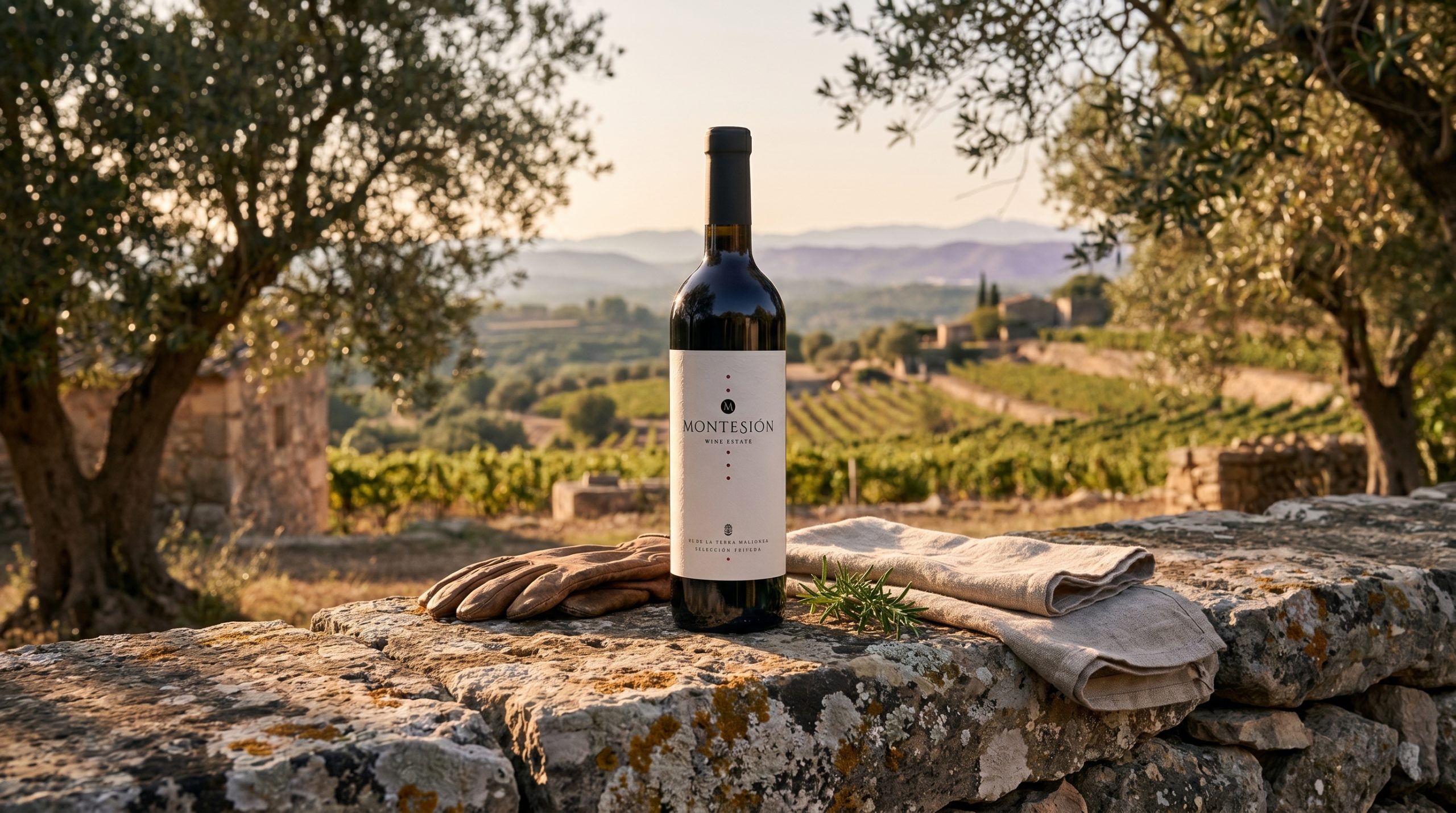
The revival of the Callet grape perfectly exemplifies this agricultural philosophy in action. Historically used for simple table wines, Callet now produces some of the most elegant and sought-after bottles in the region. For instance, the Montesión Callet Limited Edition 2007 demonstrates the extraordinary aging potential of this native variety when cultivated with deep respect for the land. Rich, full-bodied, and showcasing earthy undertones, it captures the very essence of the island’s rocky soils.
Furthermore, the growing interest in natural wine has accelerated the demand for such authentic, minimally intervened expressions. Winemakers now trust the inherent quality of their indigenous harvests, allowing the natural fermentation processes to dictate the final character. Ultimately, this dedication to local genetics and biodynamic principles secures a sustainable and prestigious future for island viticulture.
The Future of Island Viticulture and Ecological Stewardship
The 13th edition of Wine Days Mallorca clearly signals a mature, forward-thinking agricultural community. First, the event successfully elevates local heritage by integrating historical architecture with contemporary winemaking achievements. Second, the deliberate shift toward organic and biodynamic farming practices ensures the long-term viability of the island’s delicate ecosystem. Third, the enthusiastic revival of indigenous grape varieties proves that historical roots offer the best defense against modern climate challenges. Finally, this celebration redefines regional tourism, attracting visitors who value authenticity, sustainability, and profound cultural connections.
These regional developments strongly validate the core philosophy practiced at Montesion Wine Estate. Cultivating native grapes under strict Demeter-certified guidelines is not merely a production choice; it represents a fundamental commitment to the land. By prioritizing soil health and biodiversity, dedicated estates ensure that every harvest accurately reflects the unique Mediterranean terroir. The ongoing success of such festivals highlights a growing global appreciation for wines crafted with intention, patience, and uncompromising ecological respect.
