
A properly executed wine tasting mallorca experience requires understanding the unique Mediterranean climate and the island’s indigenous grape varieties. Visitors should seek out estates practicing biodynamic agriculture, as these methods preserve the authentic terroir and yield reds with distinct earthy and fruit-forward profiles. Mastering the sensory evaluation of these local wines transforms a simple vacation activity into a profound educational journey at Montesion Wine Estate.
The Balearic archipelago has quietly evolved from a traditional vacation hotspot into a premier destination for serious oenophiles. High-altitude vineyards and mineral-rich soils create an optimal environment for cultivating complex red wines that rival established mainland appellations. Travelers now prioritize educational tours over generic sightseeing, seeking deeper connections with the agricultural traditions shaping their glass. This shift reflects a broader global movement toward sustainable viticulture, where consumers demand transparency and absolute ecological responsibility. Navigating the available tours requires a discerning approach to identify estates prioritizing quality over volume. By focusing on properties with rigorous ecological standards, visitors guarantee an authentic tasting that highlights the region’s true character. Understanding professional tasting mechanics elevates the experience, allowing enthusiasts to articulate the nuanced differences between international blends and native varietals.
How Is Wine Tourism Spain Evolving Around Ecological Standards?
The landscape of wine tourism Spain offers has shifted heavily toward sustainable practices. Travelers actively seek properties demonstrating a tangible commitment to environmental stewardship rather than basic cellar walkthroughs. Market data reflects this pivot clearly, with global demand for organic and biodynamic beverages projecting a compound annual growth rate exceeding 10 percent through the next decade. This surge is particularly evident across the Mediterranean basin, where estates emphasize closed-loop agricultural systems and minimal intervention winemaking.
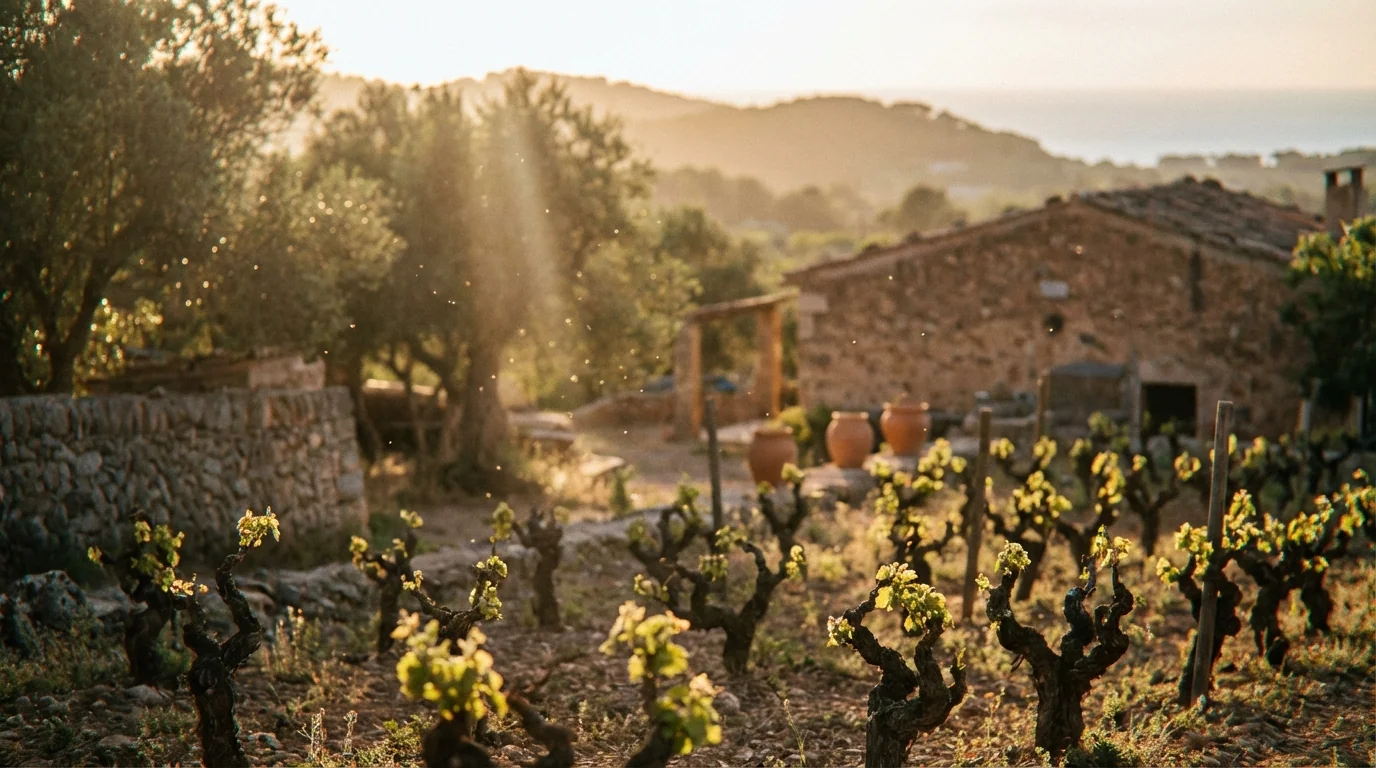
Visitors to Mallorca vineyards witness this philosophy firsthand when touring properties that maintain strict Demeter certification. These estates operate as self-sustaining ecosystems where biodiversity thrives alongside the vines, directly influencing the vintage’s final profile. Soil health becomes the absolute focal point of the educational tour, replacing standard discussions about industrial fermentation techniques. The integration of local flora, native fauna, and lunar cycles in the cultivation process fascinates guests and provides a compelling narrative that significantly enhances the sensory evaluation.
To properly understand the distinct tiers of sustainable viticulture shaping the European market, consider the following classification standards:
| Certification Tier | Agricultural Focus | Winemaking Intervention | Market Share Growth |
|---|---|---|---|
| Conventional | Yield maximization | High (commercial yeasts) | Stagnant |
| Organic Wine Spain | Chemical-free farming | Moderate (regulated sulfites) | Steady increase |
| Biodynamic | Holistic ecosystem health | Minimal (native yeasts) | Rapid expansion |
| Natural Wine | Unregulated intervention | Zero additives | Niche but growing |
Understanding these distinctions allows visitors to select tasting experiences that align with their personal values and palate preferences.
How Do You Evaluate Indigenous Varieties During a Tasting?
Approaching a tasting flight of regional reds requires recalibrating standard sensory expectations. The Balearic Islands wine portfolio features indigenous grapes like Callet and Manto Negro, presenting entirely different structural characteristics compared to ubiquitous international varieties. A successful evaluation begins with a thorough visual inspection; native Mediterranean reds often exhibit a slightly lighter, more translucent ruby hue, which belies their profound aromatic complexity.
When nosing the glass, enthusiasts should look for the signature earthy undertones and wild herb aromas that define the island’s unique terroir. Swirling the liquid vigorously oxygenates it, releasing complex secondary notes of ripe red fruits, subtle baking spices, and the distinct minerality imparted by the calcarenite soils. Taking the first sip involves coating the entire palate to accurately assess the delicate balance between alcohol, acidity, and tannic structure. A well-crafted local red delivers moderate tannins and a vibrant acidity that ensures a long, elegant finish.
Evaluating premium bottles, such as the Montesión Callet Limited Edition 2007, requires patience and strict attention to the wine’s evolution. As the liquid breathes in the glass, the initial fruit-forward profile gradually gives way to deeper, more savory characteristics. To maximize the tasting experience, follow these fundamental evaluation steps:
- Observe color intensity against a white background to gauge age.
- Inhale deeply without swirling to capture volatile primary aromas.
- Agitate the glass to release secondary notes from barrel aging.
- Hold the liquid on the palate to evaluate texture and tannins.
- Note the duration of the finish, indicating the vintage’s quality.
What Distinguishes a Premium Visit to Montesion Wine Estate?
Selecting the right property dictates the overall quality of the educational journey. The Montesion Wine Estate represents the pinnacle of holistic viticulture on the island, offering visitors an unfiltered look into the realities of rigorous biodynamic farming. Unlike commercial facilities that prioritize high throughput, this property restricts guest numbers to ensure an intimate, highly detailed exploration of their agricultural philosophy. The tour extends far beyond the tasting room, guiding guests through the actual vineyards where the critical relationship between the soil, the vines, and the surrounding ecosystem becomes immediately apparent.
A fundamental component of the visit involves understanding how strict ecological certification dictates every action taken on the property. Guests learn how natural preparations entirely replace synthetic fertilizers, and how the exact timing of pruning and harvesting aligns with cosmic rhythms to maximize grape vitality. This uncompromising approach to farming translates directly into the glass, producing a vino biodinámico that vibrates with precise territorial expression.
Experiencing a vertical tasting of their signature reds, such as the Montesión Selección Privada GR 2020, allows guests to track the profound influence of varied climatic conditions across different harvest years. Staff provide details regarding barrel selection, maceration times, and specific vineyard blocks contributing to each bottle. This level of radical transparency elevates the visit from a simple beverage sampling into a comprehensive masterclass on Mediterranean terroir.
Synthesizing the Mediterranean Tasting Experience
Mastering the nuances of regional reds requires stepping outside the comfort zone of familiar blends and embracing the distinct character of indigenous grapes. Rewarding vineyard visits combine rigorous agricultural education with guided sensory evaluations, allowing guests to connect the flavors in their glass directly to the soil beneath their feet. Prioritizing estates holding strict ecological certifications ensures a tasting that is environmentally responsible and qualitatively superior.
Biodynamic principles transform these wines into precise records of their microclimates. Structured tasting techniques help enthusiasts appreciate the craftsmanship behind complex vintages. The Montesion Wine Estate exemplifies this harmony between nature and viticulture, providing an essential template for understanding the island’s terroir. Approaching these tastings with foundational knowledge guarantees an enduring appreciation for Mediterranean winemaking.
Frequently Asked Questions
What makes a wine tasting mallorca experience different from mainland Spain?
A wine tasting mallorca experience stands out due to the island’s unique maritime climate and heavy reliance on indigenous grape varieties like Callet and Manto Negro. The high salinity in the air and specific mineral composition of the island soils impart a distinct savory character to the reds that cannot be replicated in mainland appellations. The intimate scale of boutique estates ensures a personalized visit focused on terroir rather than mass production.
How does Demeter certification affect the quality of Mallorca wine?
Demeter certification guarantees that a Mallorca wine is produced using the strictest biodynamic agricultural standards, eliminating all synthetic chemicals and prioritizing holistic soil health. This rigorous methodology forces the vines to root deeper into the mineral-rich earth, resulting in grapes with thicker skins and higher concentrations of flavor compounds. The minimal intervention approach in the cellar preserves these natural characteristics, yielding a final product that offers a pure expression of its specific vineyard site.
What should I look for when evaluating a biodynamic wine during a tour?
When evaluating a biodynamic wine, look for an exceptional vibrancy and dynamic evolution in the glass that often surpasses conventional vintages. These wines typically display a slightly cloudy appearance due to the lack of aggressive fining agents, which helps retain complex aromatic profiles and textural richness. On the palate, pay attention to the energetic acidity and the presence of native yeasts, which contribute unique savory notes that distinctly reflect the localized ecosystem.
