

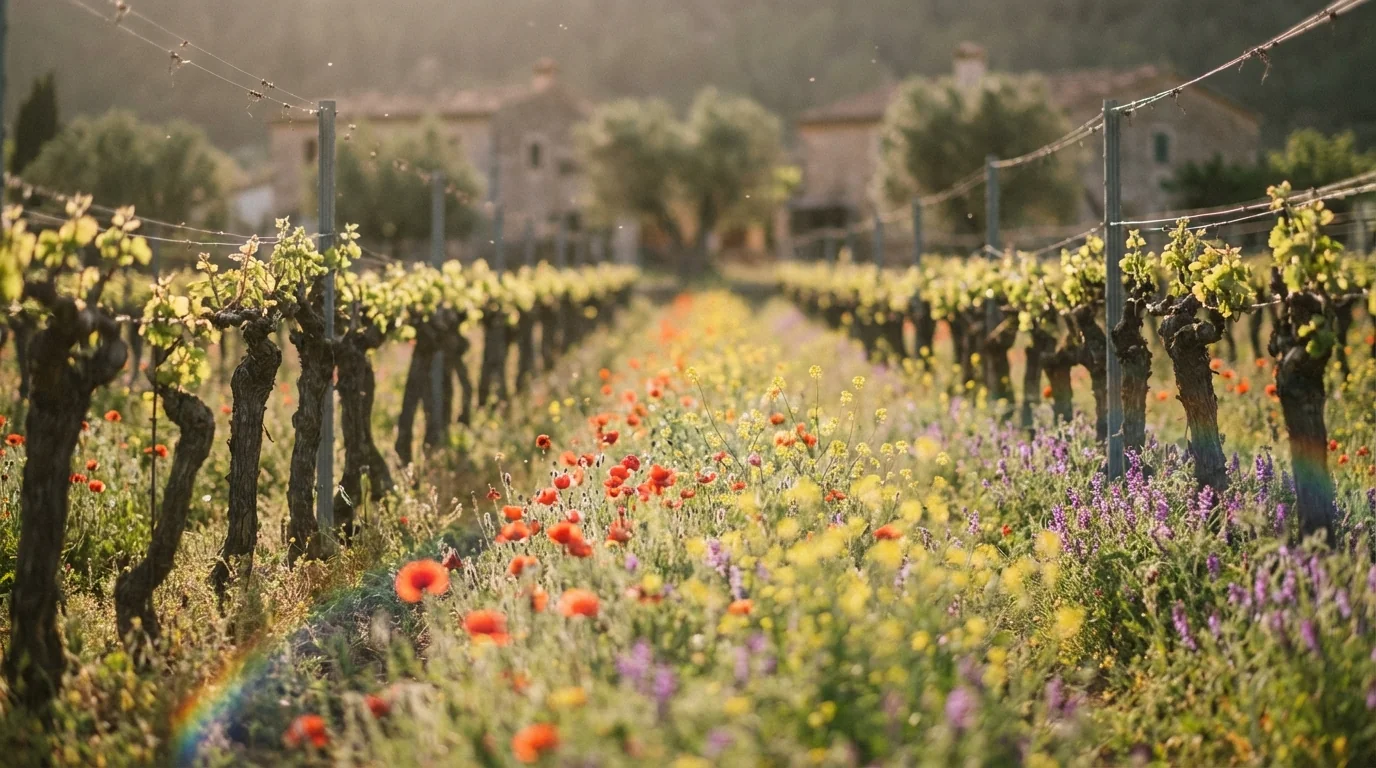
Experiencing a genuine wine tasting mallorca during the spring bloom requires stepping beyond the cellar and into the living ecosystem of the vineyard. The months between March and May offer an ideal window to witness the awakening of indigenous vines, taste vibrant young vintages, and explore the estate’s biodiversity under mild Mediterranean skies. Travelers who visit Montesion Wine Estate during this season gain a deeper understanding of the meticulous agricultural practices that shape the final vintage.
The shift from winter dormancy to spring vitality across the Balearic archipelago triggers a profound transformation in the agricultural landscape. Temperatures steadily climb to a comfortable 18 to 22 degrees Celsius, prompting the sap to rise within ancient vine trunks. This biological awakening coincides with a surge in travelers seeking authentic connections to the land. Understanding the rhythm of a working estate during these months reveals the true character of Mallorca wine. The spring bloom introduces a sensory explosion of flowering cover crops, buzzing pollinators, and the first delicate green shoots. Visitors witness the raw reality of viticulture before the intense heat of the summer harvest sets in. Grasping the intricate balance of this ecosystem provides crucial context for the wines eventually poured into the glass, transforming a simple tasting into an educational journey.
Why Does Spring Transform the Vineyard Ecosystem?
The arrival of spring triggers a complex biological chain reaction across the agricultural lands of the Mediterranean, fundamentally altering the environment where the grapes develop. A biodynamic wine estate operates as a closed organism, and this philosophy becomes vividly apparent between March and May across the Balearic Islands wine region. Instead of bare earth, the space between the vine rows erupts into a dense carpet of wild mustard and chamomile. These cover crops are deliberately cultivated to fix nitrogen in the soil, prevent erosion, and attract crucial beneficial insects that naturally manage pest populations.
As the soil temperature warms, microbial activity beneath the surface multiplies exponentially. This invisible workforce breaks down organic matter, making essential nutrients available to the vine roots just as the plants break bud in the early spring. Observing this intricate web of life offers a stark contrast to conventional farming. Every element, from the specific angle of the sun to the maritime breezes sweeping across the plains, plays a measurable role in shaping the health of the upcoming harvest. Visitors walking the rows during this period experience a living laboratory of regenerative agriculture, where the principles of Demeter certification are actively practiced to ensure long-term soil vitality.
What Can Travelers Expect from Spring Mallorca Vineyard Visits?
Transitioning from the theoretical to the experiential, spring in mallorca offers a distinctly active approach to exploring the local viticulture. Unlike the intense heat of July and August, which often restricts vineyard tours to the early morning, the temperate spring climate encourages prolonged outdoor exploration. Guests can comfortably walk the perimeter of the estate, examine the varying soil compositions, and observe the initial stages of canopy management. This immersive approach allows visitors to truly connect with the terroir.
The tasting experience itself shifts focus during these months. While robust, aged reds remain a staple, spring tastings frequently highlight the release of young, vibrant vintages from the previous harvest. A typical wine tasting mallorca during this season might feature a bright, aromatic Prensal Blanc or a lightly chilled, highly expressive Callet, perfectly mirroring the freshness of the surrounding landscape. Manto Negro provides a warming option for cooler spring evenings, while the integration of Viognier adds layers of stone fruit that reflect the blooming flora.
Beyond the glass, the season provides unparalleled opportunities for integrated wine travel spain. Estates often incorporate local gastronomy into their spring offerings, pairing seasonal produce with their current releases. The visual spectacle of the blooming almond and cherry trees in the surrounding valleys provides a striking backdrop for the vineyard architecture, making the physical journey to the estate as rewarding as the tasting itself.
How Does the Spring Tourism Trend Impact the Local Wine Scene?
The shift in traveler preferences toward sustainable tourism has dramatically reshaped the dynamics of the local wine industry. Historical data from regional tourism boards indicates a consistent 15 to 20 percent annual increase in agrotourism bookings during the spring months, outpacing the growth of traditional summer beach holidays. This statistical shift highlights a growing consumer desire to engage directly with agricultural origins.
This influx of curious visitors has prompted estates to refine their hospitality offerings. Instead of standard cellar tours, the focus has pivoted toward in-depth walks that explain the nuances of organic wine Spain and the rigorous standards of biodynamic farming. The economic impact of this spring surge allows smaller, quality-focused producers to invest more heavily in landscape preservation.
| Feature | Spring (March – May) | Summer (June – August) |
|---|---|---|
| Vineyard State | Bud break, flowering cover crops | Full canopy, veraison, intense heat |
| Tasting Focus | Fresh releases, crisp whites | Chilled rosés, robust reds in cellars |
| Visitor Experience | Extensive vineyard walks, mild weather | Shaded cellar tours, limited outdoor exposure |
Synthesizing the Spring Vineyard Experience
The transition from winter to spring fundamentally alters the landscape and the visitor experience across the Mediterranean. Engaging with a working vineyard during this period of biological renewal offers profound insights into the mechanics of regenerative agriculture and the dedication required to produce exceptional vino biodinámico at Montesion Wine Estate. The vibrant cover crops, the meticulous attention to the awakening vines, and the release of fresh, expressive vintages collectively define the essence of the season.
Travelers who prioritize this window for their viticultural exploration are rewarded with a highly sensory, uncrowded, and deeply educational journey. The statistical shift toward spring agrotourism underscores a broader consumer recognition of this value, reflecting a desire for authenticity over mere consumption. Observing the delicate balance of the estate’s ecosystem during the bloom provides the ultimate context for the finished product. The meticulous care applied to the soil and the vines in these early months inevitably translates into the resilience and character of the wine.
Frequently Asked Questions
What makes a spring vineyard visit different from a summer tour?
A spring visit focuses heavily on the biological awakening of the estate, featuring blooming cover crops, active soil preparation, and mild temperatures that allow for extensive outdoor exploration. Summer tours are often restricted to cooler cellar environments due to intense heat, and the landscape is much drier. Spring also coincides with the release of fresh, young vintages from the previous harvest, offering a completely different tasting profile compared to the heavier, aged wines typically highlighted during the winter months.
How do biodynamic practices affect the vineyard during the spring bloom?
Biodynamic farming treats the estate as a self-contained ecosystem, which is highly visible during the spring months through the deliberate cultivation of diverse flora between the vine rows. Instead of using chemical herbicides, practitioners allow wild mustards and legumes to flourish, naturally fixing nitrogen in the soil and attracting beneficial insects. This holistic approach ensures that the vines receive natural nutrients exactly when they need them for bud break, creating a balanced and resilient environment that directly influences the quality of natural wine production.
Are indigenous Mallorcan wines suitable for spring gastronomy?
The indigenous grape varieties of the island are exceptionally well-suited to the fresh, vibrant flavors of spring cuisine. Varieties like Prensal Blanc offer crisp acidity and floral notes that pair perfectly with seasonal vegetables. Meanwhile, lighter red grapes such as Callet can be served slightly chilled, providing a refreshing yet structurally complex accompaniment to artisanal cheeses, seamlessly bridging the culinary gap between heavy winter meals and light summer fare.
